


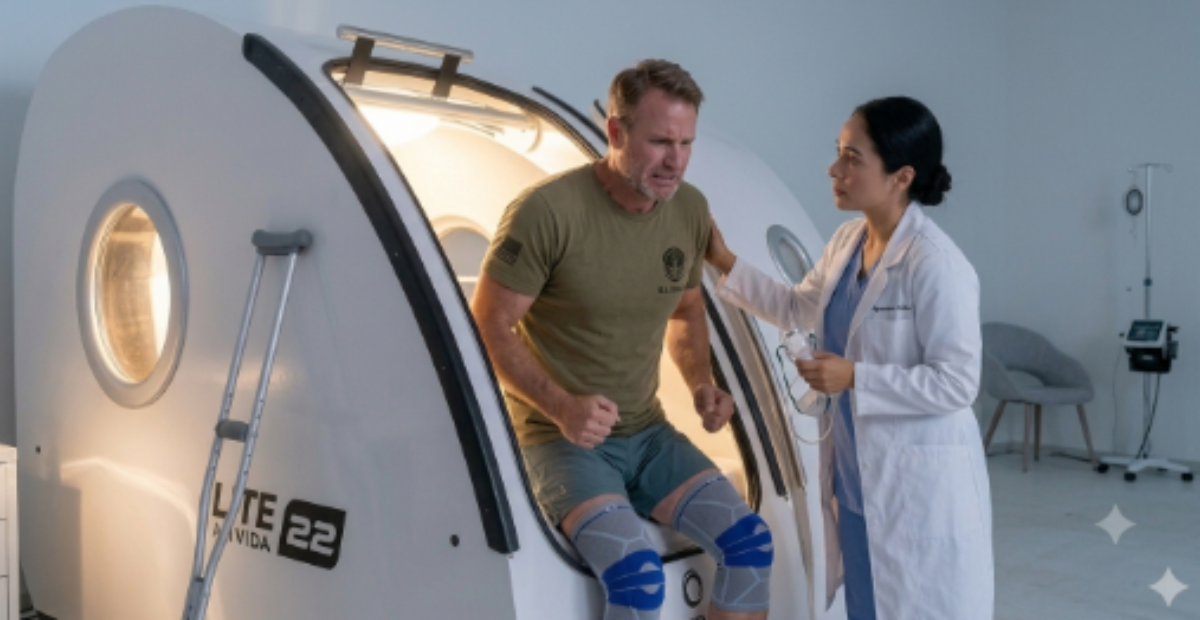
Hyperbaric oxygen therapy for erectile dysfunction works by flooding penile tissue with high-concentration oxygen under pressure, stimulating the growth of new blood vessels and repairing damaged endothelium, the inner lining of arteries that controls blood flow. Clinical trials show meaningful improvements in erectile function scores, particularly in men whose ED has a vascular root cause.
Key Takeaways
-
HBOT for erectile dysfunction targets the vascular and tissue-level causes of ED, not just the symptoms
-
Studies show improvements in erectile function scores after 20–40 sessions in men with vasculogenic ED
-
HBOT stimulates angiogenesis (new blood vessel formation) and reduces oxidative stress in penile tissue
-
It works best as a complementary approach alongside lifestyle changes, not as a standalone cure
-
Results are most consistent in men with diabetes-related or cardiovascular-related ED
Hyperbaric Chambers You May Want to Shop
Explore More


What Is HBOT for Erectile Dysfunction?
Hyperbaric oxygen therapy (HBOT) involves breathing 100% pure oxygen inside a pressurized chamber, typically at 1.5 to 3 times normal atmospheric pressure. The elevated pressure dissolves significantly more oxygen into your blood plasma, tissues, and cells than you could absorb through normal breathing.
In the context of erectile dysfunction, that oxygen surge matters because the majority of ED cases, roughly 70%, are vasculogenic, meaning poor blood flow is the primary driver. The penis requires rapid, high-volume arterial blood flow to achieve and maintain an erection. When that arterial function is compromised by endothelial damage, atherosclerosis, or diabetic vascular disease, erections become unreliable or impossible regardless of libido.
HBOT addresses this at the tissue level by:
-
Stimulating angiogenesis, the growth of new capillaries and collateral vessels in penile tissue
-
Reducing oxidative stress that damages endothelial cells
-
Upregulating nitric oxide synthase, the enzyme responsible for producing nitric oxide, which is the primary chemical signal that triggers arterial dilation and erection
-
Accelerating stem cell mobilization from bone marrow into damaged vascular tissue
This is mechanistically distinct from how PDE5 inhibitors like sildenafil work. Those drugs amplify an existing nitric oxide signal. HBOT helps rebuild the biological infrastructure that produces that signal in the first place.
Why This Matters Right Now
ED affects an estimated 52% of men between 40 and 70, and prevalence rises sharply with age, cardiovascular disease, and diabetes. For men who don't respond adequately to oral medications or who can't tolerate them due to drug interactions with nitrates the treatment menu has historically been limited to vacuum devices, penile injections, or surgical implants.
HBOT represents a genuine mechanism-based alternative that's gaining clinical traction. A 2021 study published in Sexual Medicine followed 30 men with vasculogenic ED through 20 HBOT sessions and found statistically significant improvements in International Index of Erectile Function (IIEF) scores alongside measurable increases in penile blood flow on Doppler ultrasound.
The connection to systemic conditions is also clinically important. Men with diabetes and vascular complications represent a large subset of ED patients, and the same mechanisms that make HBOT useful for diabetic wound healing improved microvascular circulation and tissue oxygenation appear to carry over into erectile function.
Hyperbaric Collections You May Want to Shop

How HBOT Improves Erectile Function: The Science
The Nitric Oxide Connection
Nitric oxide (NO) is the core molecular switch for erections. When sexual arousal occurs, endothelial cells in penile arteries release NO, which relaxes smooth muscle in the corpus cavernosum and allows blood to flood in. In men with vascular ED, those endothelial cells are damaged or dysfunctional and produce insufficient NO.
HBOT upregulates endothelial nitric oxide synthase (eNOS), the enzyme that manufactures NO. Multiple animal and human studies have confirmed this effect. Essentially, HBOT doesn't just compensate for a broken system it helps repair it.
Angiogenesis and Tissue Repair
Under hyperbaric conditions, the body interprets the hyperoxic state as a biological trigger for vascular repair. Vascular endothelial growth factor (VEGF) levels rise, prompting the growth of new small blood vessels in oxygen-deprived tissue. In penile tissue damaged by years of diabetes, hypertension, or atherosclerosis, this new vessel growth can meaningfully improve perfusion.
This is the same mechanism behind HBOT's effects on peripheral artery disease, where poor circulation to the extremities is addressed through pressurized oxygen sessions.
Stem Cell Mobilization
Each HBOT session triggers a roughly 8-fold increase in circulating stem cells from bone marrow. These cells preferentially home to damaged tissue and support structural repair of blood vessel walls. In men with long-standing vascular damage from metabolic disease, this effect may be one of the more durable contributors to functional improvement.
What a Typical HBOT Protocol Looks Like for ED

Protocols vary by provider and severity of dysfunction, but the most studied regimen in ED research involves:
-
Pressure: 2.0 to 2.4 atmospheres absolute (ATA)
-
Duration per session: 60 to 90 minutes
-
Number of sessions: 20 to 40, typically 5 per week for 4–8 weeks
-
Monitoring: Baseline and follow-up erectile function assessment using IIEF questionnaire; some clinics add penile Doppler ultrasound
Men with mild to moderate vasculogenic ED tend to see the most consistent results. Severe ED with significant neurogenic components (nerve damage from radical prostatectomy, for example) shows less predictable improvement with HBOT alone.
If you're near a clinical center, both hyperbaric oxygen therapy in Pensacola, FL and hyperbaric oxygen therapy in Fort Myers, FL offer professionally supervised HBOT programs where treatment can be tailored to your specific vascular profile.
Common Mistakes and Misconceptions About HBOT for ED

Mistake 1: Expecting results after 2–3 sessions. HBOT is a cumulative therapy. Vascular remodeling takes time, and most clinical gains appear after session 15 or later. Men who quit early based on no immediate change are abandoning the protocol before the mechanism has had time to work.
Mistake 2: Treating HBOT as a replacement for lifestyle change. Smoking, obesity, sedentary behavior, and poor glycemic control all actively degrade penile vascular function. HBOT can rebuild damaged tissue, but if the damaging inputs continue, gains erode. Combining HBOT with cardiovascular exercise, smoking cessation, and blood sugar management produces substantially better outcomes than HBOT alone.
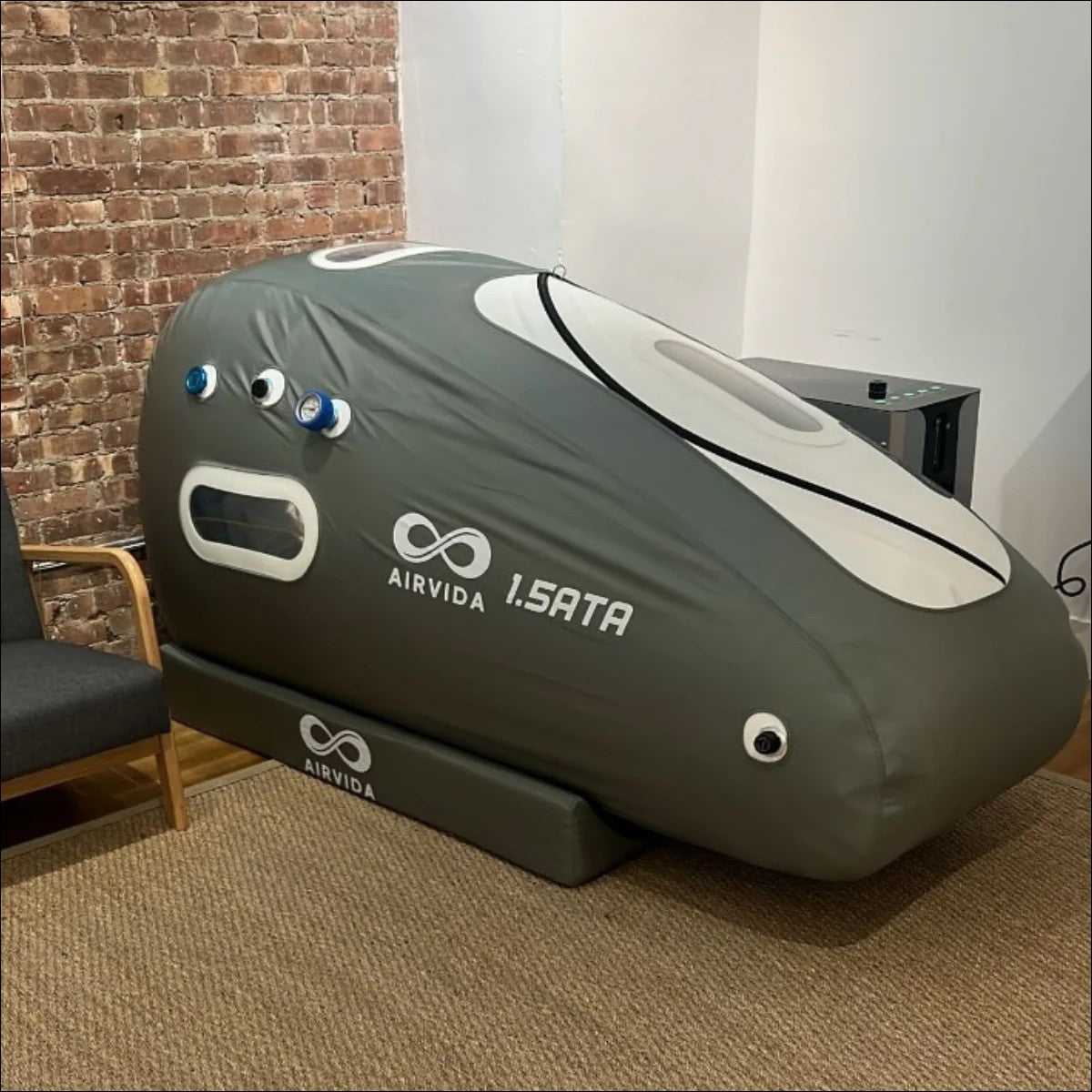
Mistake 3: Assuming all HBOT providers are equivalent. Mild hyperbaric chambers operating at 1.3 ATA common at wellness spas do not produce the vascular and angiogenic effects documented in ED research. Clinical protocols use 2.0 ATA or higher. If a provider can't specify the pressure they operate at, that's a red flag.
Mistake 4: Ignoring the connection to broader vascular health. ED is frequently the first symptom a man notices of systemic cardiovascular disease. The same atherosclerotic process affecting penile arteries is affecting coronary and carotid arteries. HBOT's effects on the nervous system and vascular repair make it worth discussing with a cardiologist alongside a urologist, not just in isolation.
Mistake 5: Assuming HBOT is only for people who failed medications. Some men prefer to address root causes before defaulting to lifelong PDE5 inhibitor use. HBOT offers a legitimate mechanism-based path for men motivated to address vascular health directly.
Step-by-Step: How to Pursue HBOT for ED

Step 1: Get a vascular workup first. Ask your urologist or primary care physician for a penile Doppler ultrasound and complete cardiovascular panel. This confirms whether your ED is primarily vasculogenic the profile most likely to respond to HBOT and rules out neurogenic or hormonal causes that need different treatment.
Step 2: Optimize the modifiable factors before starting. Begin cardiovascular exercise (minimum 150 minutes weekly), address weight and blood pressure, quit smoking, and if diabetic, work toward tighter glycemic control. These changes amplify HBOT's vascular effects.
Step 3: Identify a qualified clinical provider. Look for a facility operating at ≥2.0 ATA with licensed hyperbaric physicians or nurses on staff. Ask specifically whether they have experience treating vasculogenic conditions not just wound care. Request their protocol documentation before booking.
Step 4: Complete the full course. Commit to the prescribed number of sessions typically 20 to 40 without interruption. Book sessions in blocks, since consistency matters and gaps reduce cumulative tissue exposure.
Step 5: Reassess with the same tools you started with. Repeat your IIEF questionnaire and, ideally, a follow-up Doppler at the end of treatment. Objective comparison of pre- and post-treatment data tells you whether the therapy produced measurable vascular improvement, not just subjective impressions.
Step 6: Maintain gains. Some men benefit from quarterly maintenance sessions after the initial course, particularly those with ongoing metabolic disease. Discuss maintenance frequency with your provider based on your baseline vascular health.

FAQ: HBOT for Erectile Dysfunction
How to maintain an erection for 30 minutes with medicine?
PDE5 inhibitors (sildenafil, tadalafil, vardenafil) are the most clinically validated pharmacological approach for prolonged erection duration. Timing matters significantly: sildenafil works best taken 30–60 minutes before activity on an empty stomach, while tadalafil's longer half-life (up to 36 hours) makes it more flexible. Dosing should always be discussed with a prescribing physician, since underlying cardiovascular conditions affect safe dosing windows. For men seeking longer-duration support, daily low-dose tadalafil (2.5–5mg) maintains a consistent baseline that avoids the on-demand timing challenge. HBOT, over a full course, may reduce reliance on medications by addressing the underlying vascular deficit.
How to get an erection without meds?
Several evidence-supported approaches can improve erectile function without pharmacological intervention. Regular aerobic exercise particularly running and cycling at moderate intensity consistently improves erectile function scores in clinical trials, with some showing effects comparable to low-dose PDE5 inhibitors. Pelvic floor exercises (Kegel exercises targeting the bulbocavernosus muscle) improve rigidity and duration by strengthening the muscular components of erection. Dietary patterns associated with Mediterranean eating improve endothelial function over time. Reducing alcohol intake, which depresses both testosterone and vascular function, produces surprisingly rapid improvements for many men. And HBOT, as covered throughout this article, addresses the vascular root cause without requiring ongoing medication use.
What are the benefits of HBOT for men?
Beyond erectile function, HBOT offers several benefits specifically relevant to men's health: accelerated recovery from sports injuries and overtraining (relevant for competitive athletes), improved cognitive function and mental sharpness (HBOT's effects on cognitive function are well-documented), potential anti-aging effects through telomere lengthening and senescent cell reduction, support for wound healing in men with diabetic complications, and improved circulation in peripheral vascular disease. Men dealing with chronic fatigue, post-COVID symptoms, or traumatic brain injury have also reported meaningful improvements with structured HBOT protocols.
What are the best tips for erectile dysfunction?
The most consistently effective, evidence-based tips for ED are: (1) Prioritize cardiovascular fitness even 30 minutes of brisk walking daily improves penile blood flow measurably over 3 months; (2) Get fasting blood glucose and HbA1c checked undiagnosed prediabetes is a major silent driver of ED; (3) Check testosterone and thyroid function hormonal causes are often overlooked; (4) Address sleep apnea untreated apnea severely impairs nighttime erections and testosterone production; (5) Reduce pornography use, which can contribute to performance anxiety and desensitization; (6) Limit alcohol to under 7 drinks per week; (7) Consider HBOT if the above haven't produced adequate results and your ED has a vascular profile. Conditions like sickle cell disease and necrotizing fasciitis show how broadly HBOT addresses tissue and vascular dysfunction the same principles apply to penile tissue health.
Conclusion: Is HBOT Right for Your ED?
HBOT for erectile dysfunction is not a quick fix or a replacement for comprehensive vascular care. It is, however, one of the few therapies that directly targets the biological machinery that erections depend on the blood vessels, endothelial cells, and nitric oxide pathways that PDE5 inhibitors can amplify but cannot rebuild.
Men most likely to benefit are those with confirmed vasculogenic ED, particularly those with diabetes, hypertension, or cardiovascular disease in the background. Men who have had suboptimal responses to oral medications may find HBOT addresses the underlying deficit that medications alone cannot compensate for.
If you're considering HBOT as part of your ED treatment plan, the next step is a conversation with both your urologist and a qualified hyperbaric medicine physician not one or the other, but both, so that your vascular workup informs your HBOT protocol.
Ready to explore hyperbaric oxygen therapy near you? AirVida Chambers offers supervised clinical HBOT at multiple locations. If you're in Florida, explore options for hyperbaric oxygen therapy in Pensacola or hyperbaric oxygen therapy in Fort Myers and speak with a clinical specialist about whether HBOT fits your specific health profile.