


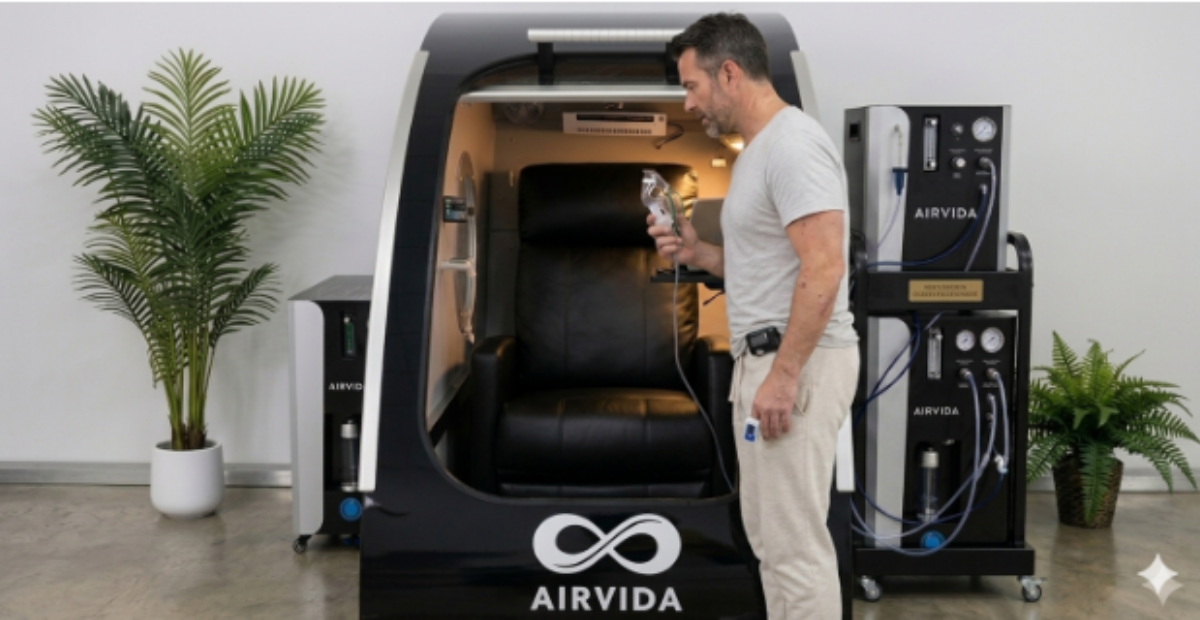
Hyperbaric oxygen therapy effects on diabetes may include improved circulation, better wound healing, and enhanced oxygen delivery to damaged tissues. Many people with diabetes explore HBOT as a supportive therapy for diabetic ulcers, slow-healing wounds, and complications linked to poor blood flow.
While hyperbaric oxygen therapy is not a cure for diabetes, research suggests it may help support recovery and reduce complications when combined with proper medical care. Keep reading to learn how HBOT works, its benefits, possible side effects, and whether it may be right for diabetes management.
What Is Hyperbaric Oxygen Therapy?

Hyperbaric oxygen therapy, commonly called HBOT, is a treatment where a person breathes pure oxygen inside a pressurized chamber. The increased pressure allows the body to absorb significantly more oxygen than normal.
This oxygen-rich environment can help tissues repair themselves faster and may improve circulation in areas with limited blood flow. Because diabetes often affects blood vessels and slows healing, HBOT has become a growing area of interest for people managing diabetic complications. At the same time, approaches like HBOT for sports performance, Syracuse highlight its broader potential to support recovery and resilience across different health and wellness needs.
Doctors most commonly recommend HBOT for:
-
Diabetic foot ulcers
-
Slow-healing wounds
-
Infections linked to poor circulation
-
Tissue damage from diabetes complications
-
Chronic inflammation
Unlike medications that directly lower blood sugar, HBOT focuses more on improving tissue oxygenation and supporting recovery processes within the body.
Why Diabetes Can Lead to Healing Problems
People with diabetes often experience poor circulation and nerve damage over time. High blood sugar levels may damage blood vessels, making it harder for oxygen and nutrients to reach injured tissue.
This becomes especially dangerous when small cuts or wounds develop on the feet. Even minor injuries can turn into infections or ulcers if healing slows down. In severe cases, untreated diabetic ulcers may lead to tissue death or amputation.
Common Diabetes Complications Linked to Poor Oxygen Flow
|
Diabetes Complication |
How It Affects Healing |
|
Poor circulation |
Reduces oxygen delivery to tissues |
|
Neuropathy |
Makes injuries harder to notice |
|
High inflammation |
Slows recovery processes |
|
Weakened immune response |
Increases infection risk |
|
Blood vessel damage |
Delays wound closure |
Because HBOT increases oxygen concentration in the bloodstream, many healthcare providers use it as part of advanced wound care programs.
Hyperbaric Collections You May Want to Shop

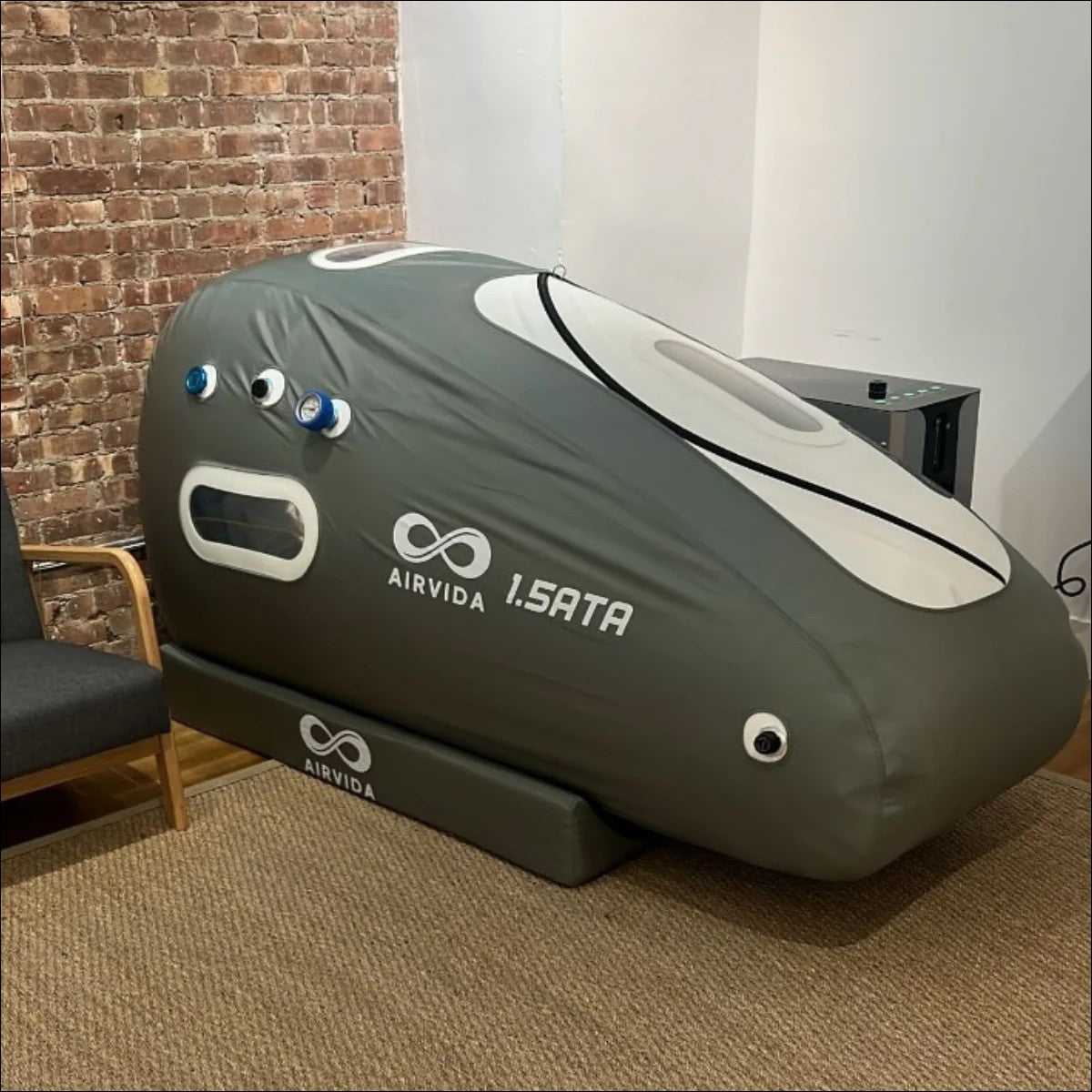
How Hyperbaric Oxygen Therapy Works for Diabetes
During treatment, patients sit or lie inside a sealed chamber while oxygen pressure gradually increases. Under these conditions, oxygen dissolves more effectively into the blood plasma and reaches areas with poor circulation.
This process may help:
-
Stimulate new blood vessel growth
-
Support tissue regeneration
-
Reduce swelling and inflammation
-
Improve infection-fighting ability
-
Enhance collagen production for skin repair
For diabetic wounds, this oxygen boost may accelerate healing in tissues that normally struggle to recover due to poor circulation. By improving oxygen delivery, HBOT supports regeneration and reduces complications. Many patients explore treatment through a hyperbaric chamber in Tampa, where enhanced circulation aids recovery.
Typical HBOT Session for Diabetes Patients
|
Step |
What Happens |
|
Preparation |
Patient enters chamber comfortably |
|
Pressurization |
Chamber pressure slowly increases |
|
Oxygen therapy |
Pure oxygen is delivered for 60–120 minutes |
|
Decompression |
Pressure gradually returns to normal |
|
Follow-up |
Wounds and symptoms monitored |
Many patients require multiple sessions over several weeks depending on the severity of the condition.
Hyperbaric Oxygen Therapy Effects on Diabetes

The potential hyperbaric oxygen therapy effects on diabetes go beyond simple wound care. Researchers continue studying how HBOT may affect inflammation, circulation, and overall metabolic function.
Some benefits appear more established than others, particularly in diabetic wound management.
Improved Wound Healing
One of the most recognized benefits of HBOT for diabetes is wound healing support. Chronic diabetic ulcers often struggle to heal because oxygen levels in damaged tissue remain too low.
HBOT may help by delivering higher oxygen concentrations directly into these areas. Better oxygenation supports skin regeneration and helps the body build new tissue more effectively.
Patients with diabetic foot ulcers may experience:
-
Faster wound closure
-
Reduced infection risk
-
Improved tissue survival
-
Lower chance of amputation
Better Circulation Support
Diabetes can narrow or damage blood vessels over time. HBOT may encourage angiogenesis, which is the formation of new blood vessels.
Improved circulation can help oxygen and nutrients travel more efficiently throughout the body. Better blood flow may also reduce swelling and discomfort in affected areas.
Reduced Inflammation
Chronic inflammation is common in diabetes and may worsen complications over time. HBOT may help lower inflammatory responses by increasing oxygen availability in damaged tissues.
Reducing inflammation may help support recovery and improve comfort for some patients.
Infection Control Support
High oxygen environments may slow the growth of certain bacteria, particularly anaerobic bacteria that thrive in low-oxygen conditions.
This is especially important for diabetic wounds, which can become infected quickly if left untreated.
Can HBOT Affect Blood Sugar Levels?
Some early studies suggest HBOT could influence insulin sensitivity and glucose metabolism, but evidence remains limited.
HBOT should never replace medications, insulin therapy, healthy eating, or physician-guided diabetes management. However, some patients report temporary improvements in energy levels and circulation after treatment.
Potential Metabolic Effects Being Studied
Researchers are currently exploring whether HBOT may help:
-
Improve insulin sensitivity
-
Reduce oxidative stress
-
Support mitochondrial function
-
Enhance cellular energy production
More long-term clinical studies are still needed before HBOT can be considered a direct diabetes treatment.
Hyperbaric Chambers You May Want to Shop
Explore More


Who May Benefit Most From HBOT?
HBOT is usually recommended for people experiencing diabetic complications rather than diabetes itself. Patients with chronic wounds or circulation-related issues tend to see the greatest benefits.
People Often Considered for HBOT
-
Patients with diabetic foot ulcers
-
Individuals with slow-healing wounds
-
People recovering from infections
-
Those with tissue damage from poor circulation
-
Patients trying to avoid amputation
Some healthcare providers also use HBOT alongside advanced wound care therapies for more comprehensive treatment plans.
If you're exploring additional recovery-focused applications, read our guide about HBOT for PTSD.
Risks and Side Effects of Hyperbaric Oxygen Therapy

Although HBOT is generally considered safe when supervised by trained professionals, side effects can still occur. Most are mild and temporary, but understanding the risks is important before starting treatment.
Common Side Effects
|
Side Effect |
Description |
|
Ear pressure discomfort |
Similar to airplane ear popping |
|
Temporary vision changes |
Mild nearsightedness in some patients |
|
Fatigue |
Tiredness after sessions |
|
Claustrophobia |
Anxiety inside enclosed chambers |
|
Sinus discomfort |
Pressure-related sinus irritation |
Rare complications can include oxygen toxicity or lung pressure injuries, though these are uncommon when treatment follows medical guidelines.
Patients with uncontrolled blood sugar should be monitored carefully during treatment sessions.
What to Expect During HBOT Treatment
Most HBOT sessions feel relaxing and painless. Patients can usually watch TV, rest, or listen to music while inside the chamber.
The main sensation people notice is pressure in the ears, similar to flying on an airplane or diving underwater.
HBOT Treatment Timeline
-
Initial consultation and wound evaluation
-
Customized treatment schedule
-
Multiple weekly sessions
-
Progress monitoring with healthcare providers
-
Ongoing diabetes management support
Some individuals notice improvement within a few weeks, while more severe wounds may require longer treatment plans.
HBOT and Lifestyle Changes for Diabetes
While HBOT may support healing, long-term diabetes management still depends heavily on healthy lifestyle habits. Combining medical care with proper nutrition and exercise often delivers the best outcomes.
Habits That Support Better Blood Sugar Control
-
Eating balanced meals with fiber and protein
-
Staying physically active
-
Monitoring blood glucose consistently
-
Managing stress levels
-
Prioritizing sleep quality
HBOT works best when used alongside comprehensive diabetes care rather than as a standalone solution.
Choosing the Right Hyperbaric Chamber
People interested in home HBOT systems should carefully research available options. Different chambers vary in pressure levels, size, safety features, and intended use.
Features to Compare
|
Feature |
Why It Matters |
|
Chamber pressure rating |
Impacts oxygen delivery |
|
Safety certifications |
Ensures safe operation |
|
Chamber size |
Comfort during sessions |
|
Oxygen system quality |
Affects therapy effectiveness |
|
Ease of use |
Important for home treatment |
For individuals exploring chamber options, this collection might help: Hyperbaric chambers Fargo.
Is Hyperbaric Oxygen Therapy Worth Considering for Diabetes?

For some individuals dealing with severe diabetic wounds or circulation issues, HBOT may provide meaningful support during recovery. The strongest evidence currently focuses on diabetic foot ulcers and wound healing benefits.
However, outcomes vary depending on:
-
Severity of diabetes complications
-
Blood sugar control
-
Overall health condition
-
Consistency of treatment
-
Quality of wound care
Patients should always consult healthcare professionals before beginning HBOT to determine whether it fits their medical needs safely.
Final Thoughts on Hyperbaric Oxygen Therapy Effects on Diabetes
Understanding the hyperbaric oxygen therapy effects on diabetes can help patients make more informed decisions about supportive treatment options. While HBOT is not a cure for diabetes, it may assist with wound healing, circulation support, and recovery from certain complications linked to poor oxygen flow.
For people struggling with diabetic ulcers or slow-healing injuries, HBOT may become a valuable addition to a larger treatment plan that includes blood sugar management, nutrition, exercise, and physician-guided care. As research continues, more potential benefits may emerge for diabetes-related recovery and wellness support.
Frequently Asked Questions
How to self treat diabetes?
The safest way to self-manage diabetes is through consistent lifestyle habits and medical guidance. This includes monitoring blood sugar regularly, eating balanced meals with fewer processed sugars, staying physically active, drinking enough water, and taking medications exactly as prescribed. Avoid attempting extreme home remedies without professional advice because uncontrolled diabetes can lead to serious complications affecting the heart, kidneys, nerves, and circulation.
Are there any side effects to hyperbaric oxygen therapy?
Yes, hyperbaric oxygen therapy may cause mild side effects in some people, although serious complications are uncommon. The most common issues include ear pressure discomfort, temporary fatigue, sinus pressure, and mild vision changes. Some people may also feel claustrophobic inside the chamber. Treatments are generally considered safe when supervised by trained professionals who follow proper pressure and oxygen guidelines.
How to control sugar naturally?
Natural blood sugar control focuses on healthy daily habits that improve insulin response and stabilize glucose levels. Eating high-fiber foods, reducing refined carbohydrates, exercising regularly, maintaining a healthy weight, and managing stress can all help support better sugar control. Drinking enough water and getting quality sleep may also improve metabolic health. However, natural methods should complement, not replace, medical treatment plans for diabetes.
How to lower blood sugar fast?
The fastest safe ways to lower blood sugar often include hydration, physical activity, and proper medication use. Drinking water helps the kidneys flush excess glucose, while light exercise may improve insulin sensitivity and glucose uptake. People prescribed insulin or diabetes medications should follow their doctor’s instructions carefully. Extremely high blood sugar levels should always be evaluated by a healthcare professional to prevent dangerous complications.