


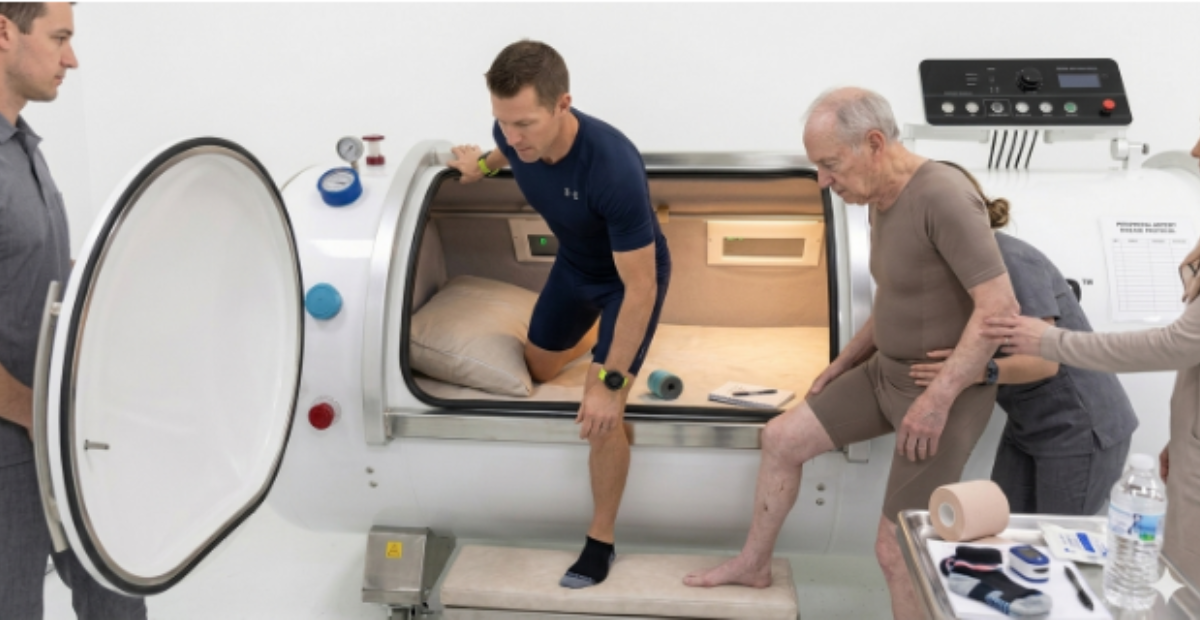
A hyperbaric chamber for peripheral artery disease may help improve oxygen delivery to tissues affected by poor circulation. While it is not a cure for PAD, hyperbaric oxygen therapy (HBOT) is often used to support wound healing, reduce complications, and enhance recovery when combined with medical treatment.
Peripheral artery disease affects millions of people worldwide and can significantly impact mobility, comfort, and overall quality of life. When narrowed arteries restrict blood flow to the legs and feet, tissues may struggle to receive the oxygen needed for proper healing. This is where hyperbaric oxygen therapy has gained attention as a complementary treatment option.
In this guide, you'll learn how HBOT works for peripheral artery disease, who may benefit from it, and what to expect when considering this therapy as part of a comprehensive treatment plan.
Understanding Peripheral Artery Disease

Peripheral artery disease (PAD) occurs when plaque builds up inside arteries, reducing blood flow to the extremities. The condition most commonly affects the legs and feet, making everyday activities more challenging.
When blood vessels become narrowed or blocked, oxygen-rich blood cannot reach tissues efficiently. Over time, this reduced circulation can lead to pain, slow-healing wounds, and an increased risk of serious complications, making treatments like hyperbaric oxygen therapy, Euless, TX, valuable for supporting recovery and improving circulation.
Common Symptoms of PAD
Many people with peripheral artery disease experience symptoms that gradually worsen over time:
✅ Leg pain while walking (claudication)
✅ Cramping in the calves, thighs, or buttocks
✅ Numbness or weakness in the legs
✅ Coldness in one foot or leg
✅ Slow-healing wounds on the feet or toes
✅ Changes in skin color or texture
✅ Reduced hair growth on the legs
Some individuals may not notice symptoms until the disease has progressed significantly. Early diagnosis and treatment are important for preventing complications.
Why Oxygen Matters in PAD
Healthy tissues rely on a continuous supply of oxygen to repair damage and maintain normal function. In PAD patients, reduced blood flow limits oxygen delivery to affected areas.
This oxygen shortage can slow wound healing, increase infection risk, and contribute to tissue damage. In severe cases, untreated PAD may lead to chronic wounds or even amputation.
Because oxygen plays such a critical role in healing, therapies that increase oxygen availability have become an area of growing interest.
Hyperbaric Collections You May Want to Shop

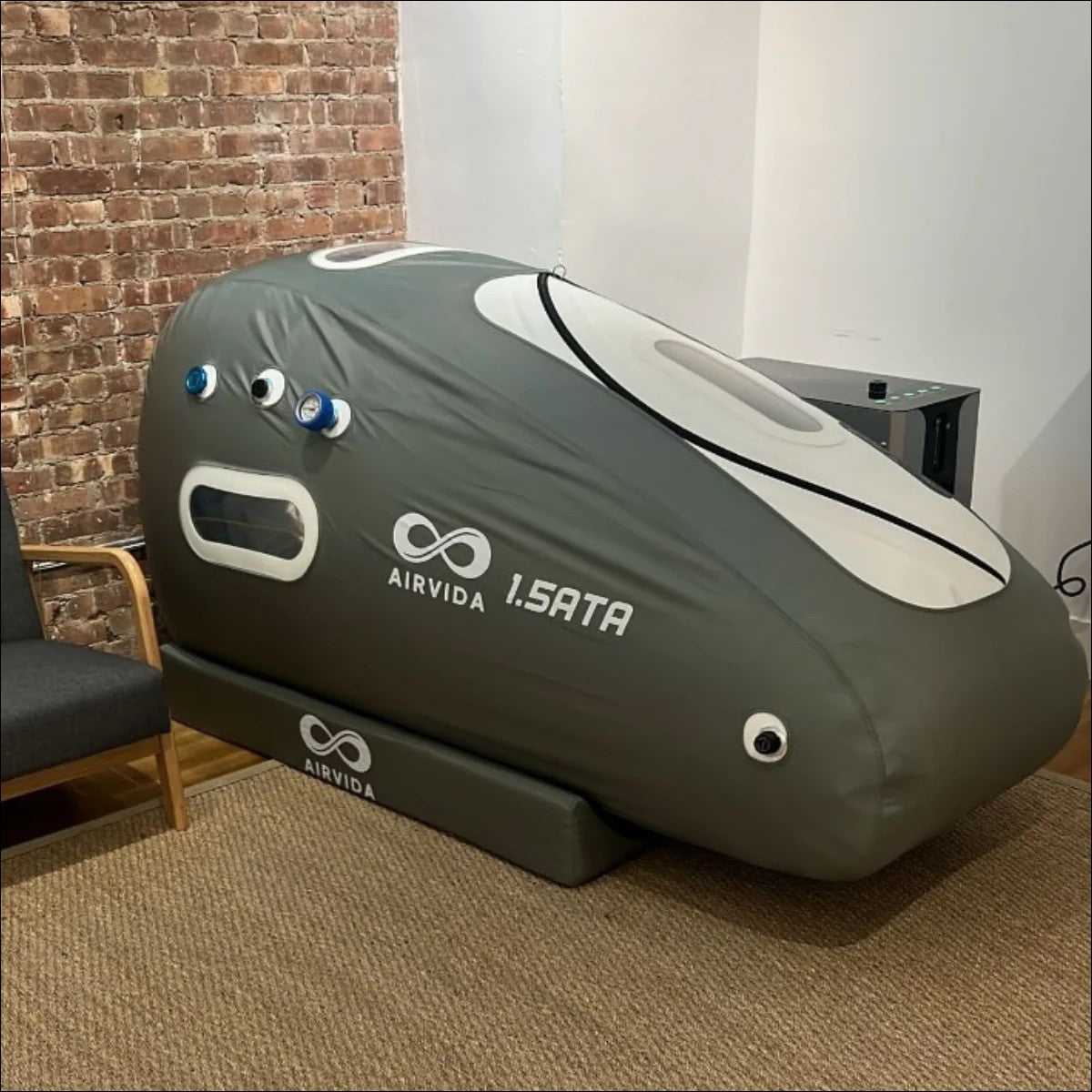
What Is Hyperbaric Oxygen Therapy?
Hyperbaric oxygen therapy involves breathing pure oxygen inside a pressurized chamber. The increased pressure allows the lungs to absorb significantly more oxygen than normal breathing conditions.
This extra oxygen dissolves into the bloodstream and reaches tissues throughout the body, including areas with compromised circulation.
During a typical HBOT session:
|
Step |
What Happens |
|
1 |
Patient enters a pressurized chamber |
|
2 |
Chamber pressure gradually increases |
|
3 |
Patient breathes 100% oxygen |
|
4 |
Oxygen levels in blood and tissues rise |
|
5 |
Session lasts approximately 60-120 minutes |
The goal is to saturate the body with oxygen, supporting natural healing processes and helping tissues function more effectively.
How a Hyperbaric Chamber for Peripheral Artery Disease Works

A hyperbaric chamber for peripheral artery disease works by increasing oxygen availability in areas where blood flow is limited. Although HBOT does not remove arterial blockages, it may help improve tissue oxygenation and support recovery.
Enhanced Oxygen Delivery
One of the biggest challenges in PAD is inadequate oxygen reaching damaged tissues. Hyperbaric oxygen therapy increases the amount of oxygen dissolved directly into plasma.
This means oxygen can reach areas that may not receive enough through normal circulation alone.
Potential benefits include:
✅ Improved tissue oxygen levels
✅ Enhanced cellular repair
✅ Better support for wound healing
✅ Reduced risk of oxygen-starved tissue damage
Support for Chronic Wound Healing
Patients with advanced peripheral artery disease often develop ulcers or wounds that heal slowly.
HBOT has been used extensively to support difficult wound healing because oxygen plays a central role in:
-
Collagen production
-
New blood vessel formation
-
Infection defense
-
Tissue regeneration
For individuals dealing with PAD-related wounds, increased oxygen delivery may provide valuable support alongside vascular treatment, with some clinics offering specialized HBOT treatment, East Northport, NY, to enhance healing outcomes and accessibility for local patients.
Potential Reduction in Inflammation
Chronic inflammation contributes to tissue damage and impaired healing in many vascular conditions.
Research suggests that hyperbaric oxygen therapy may help regulate inflammatory responses while supporting recovery processes. Although results vary among patients, reducing inflammation can create a more favorable environment for healing.
Why HBOT Is Often Used Alongside Traditional PAD Treatments
Hyperbaric oxygen therapy is generally considered a complementary therapy rather than a standalone treatment.
Most vascular specialists recommend combining HBOT with established PAD management strategies.
Standard PAD Treatment Approaches
|
Treatment |
Purpose |
|
Lifestyle Changes |
Improve cardiovascular health |
|
Smoking Cessation |
Reduce artery damage |
|
Exercise Programs |
Improve circulation |
|
Medications |
Manage cholesterol and blood pressure |
|
Angioplasty |
Open blocked arteries |
|
Bypass Surgery |
Restore blood flow |
|
HBOT |
Support oxygenation and healing |
This combination approach addresses both the underlying cause of PAD and the consequences of poor circulation.
Patients interested in advanced oxygen therapies often compare regenerative approaches. Learn more in our guide on HBOT vs Stem Cell Treatment.
Hyperbaric Chambers You May Want to Shop
Explore More


Who May Benefit From HBOT for Peripheral Artery Disease?
Not every PAD patient requires hyperbaric oxygen therapy. However, certain individuals may be stronger candidates than others.
HBOT may be considered for patients who:
✅ Have chronic non-healing wounds
✅ Experience diabetic foot ulcers alongside PAD
✅ Have severe circulation issues affecting tissue healing
✅ Are recovering after vascular procedures
✅ Need additional support for wound management
A healthcare provider specializing in vascular conditions can determine whether HBOT is appropriate based on individual circumstances.
Patients With Diabetic Complications
Many people diagnosed with peripheral artery disease also have diabetes.
When diabetes and PAD occur together, wound healing becomes significantly more challenging. Hyperbaric oxygen therapy is frequently used in diabetic wound management because oxygen is essential for tissue repair.
In these situations, HBOT may play an important role in helping preserve tissue health and reducing complications.
What Happens During an HBOT Session?

Many first-time patients are curious about the treatment experience.
Fortunately, HBOT is generally non-invasive and relatively comfortable.
Before Treatment
Patients typically undergo a medical evaluation to ensure they are suitable candidates for therapy.
The provider may review:
-
Medical history
-
Current medications
-
Vascular health
-
Wound status
-
Imaging results
During Treatment
Inside the chamber, patients relax while breathing pure oxygen.
Many people spend their session:
-
Reading
-
Listening to music
-
Watching videos
-
Resting comfortably
As pressure increases, patients may notice a sensation similar to changing altitude during air travel.
After Treatment
Most individuals resume normal activities shortly after their session.
Treatment plans often involve multiple sessions over several weeks, depending on the severity of the condition and treatment goals.
Benefits and Limitations of Hyperbaric Oxygen Therapy for PAD
Understanding both advantages and limitations helps set realistic expectations.
Potential Benefits
✔ Increased oxygen delivery to tissues
✔ Enhanced wound healing support
✔ Improved tissue recovery
✔ Potential reduction in inflammation
✔ Complementary support alongside vascular care
Limitations
✔ Does not remove plaque buildup
✔ Does not replace surgery when needed
✔ Results vary among patients
✔ Often requires multiple sessions
✔ Must be prescribed based on medical evaluation
The best outcomes typically occur when HBOT is incorporated into a comprehensive treatment strategy.
Choosing a Hyperbaric Oxygen Provider
Finding an experienced facility is an important part of the process.
When evaluating providers, consider:
✅ Medical supervision
✅ Chamber quality and safety standards
✅ Experience treating vascular conditions
✅ Personalized treatment plans
✅ Patient reviews and outcomes
Many patients also explore oxygen therapy for overall wellness and longevity. Learn more in our article about HBOT for Anti-Aging in Dallas.
Can HBOT Help Improve Long-Term Circulation?
One common question is whether hyperbaric oxygen therapy permanently improves circulation.
While HBOT primarily focuses on increasing oxygen availability, some research suggests it may support angiogenesis, the formation of new blood vessels.
This process can potentially help tissues receive oxygen more efficiently over time. However, HBOT should not be viewed as a replacement for treatments designed to directly address arterial blockages.
Instead, it may serve as an additional tool that supports overall vascular health and tissue recovery.
Final Thoughts on Hyperbaric Chamber for Peripheral Artery Disease

A hyperbaric chamber for peripheral artery disease may offer valuable support for patients dealing with poor circulation, chronic wounds, and delayed healing. By increasing oxygen delivery to affected tissues, HBOT can complement traditional PAD treatments and help create a better environment for recovery.
Although it does not cure arterial blockages, a hyperbaric chamber for peripheral artery disease may improve healing outcomes when used as part of a comprehensive treatment plan. For patients struggling with wound healing challenges, discussing HBOT with a qualified healthcare provider may be a worthwhile step toward improved vascular care.
Frequently Asked Questions
What is the best treatment for peripheral artery disease?
The best treatment for peripheral artery disease depends on the severity of the condition and the patient's overall health. Most treatment plans combine lifestyle changes, exercise therapy, medications, and risk factor management. In more advanced cases, procedures such as angioplasty or bypass surgery may be recommended. Hyperbaric oxygen therapy can also support wound healing and tissue recovery when circulation problems have led to complications. A vascular specialist can determine the most appropriate treatment strategy based on individual needs.
How do you treat peripheral artery disease naturally?
Natural treatment for peripheral artery disease focuses on improving circulation and reducing cardiovascular risk factors. Regular walking programs are among the most effective approaches because they help develop alternative blood flow pathways and improve endurance. Maintaining a healthy diet rich in fruits, vegetables, whole grains, and healthy fats may support vascular health. Quitting smoking, managing stress, controlling blood sugar levels, and maintaining a healthy weight can also play an important role in slowing disease progression and improving overall circulation.
What is the treatment for blocked arteries in the legs?
Treatment for blocked arteries in the legs typically involves improving blood flow and reducing plaque buildup. Doctors often begin with medications to control cholesterol, blood pressure, and blood clot risks. Structured exercise programs are commonly recommended to improve mobility and circulation. In more severe cases, minimally invasive procedures such as angioplasty and stent placement may be used to open narrowed arteries. Surgical bypass may also be considered for significant blockages that limit blood flow to the legs and feet.
Should you wear compression socks if you have peripheral artery disease?
Compression socks should only be used with peripheral artery disease under medical supervision. While compression therapy can help some circulation-related conditions, it may not be suitable for individuals with significant arterial blockages because additional pressure can further reduce blood flow to affected tissues. A healthcare provider can evaluate circulation levels and determine whether compression garments are appropriate. Never begin compression therapy for PAD without professional guidance, especially if symptoms are severe or wounds are present.