


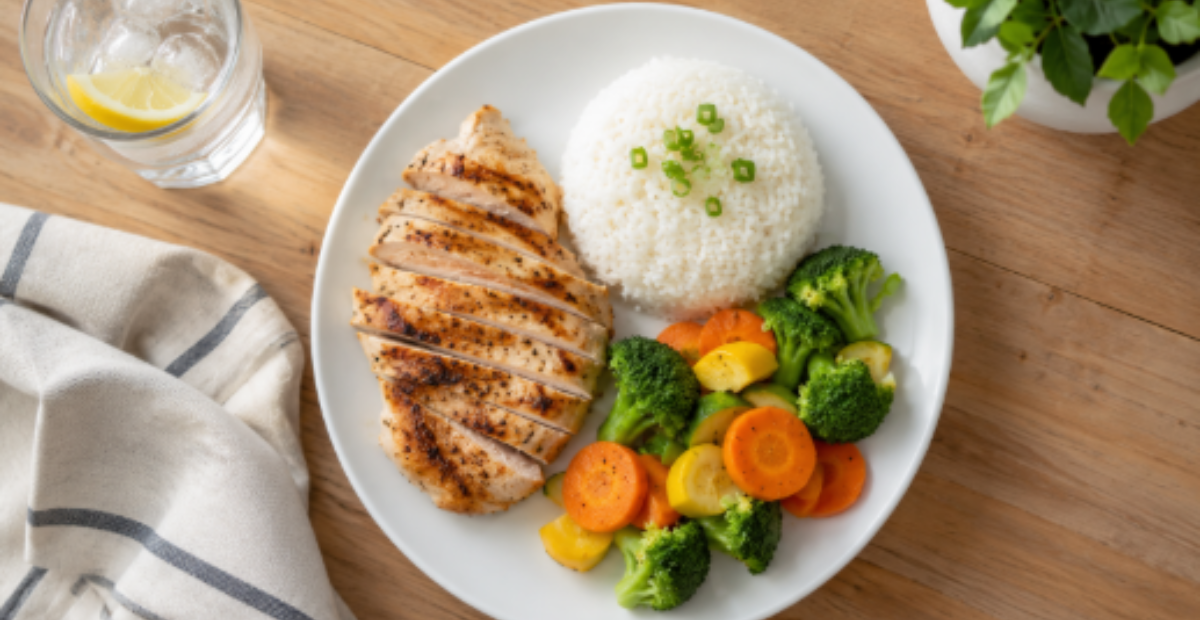
What to eat before hyperbaric oxygen therapy matters more than most people realize, and the short answer is: eat a light, easily digestible meal about two hours before your session. Avoiding heavy, gas-producing, or greasy foods will help you stay comfortable inside the pressurized chamber and allow your body to absorb oxygen more efficiently.
If you are preparing for your first session or trying to optimize an ongoing treatment plan, nutrition is one of the simplest variables you can control. The pressurized environment inside a hyperbaric chamber affects how your digestive system behaves, how your blood carries oxygen, and how alert and focused you feel during the session itself. Getting your pre-session meal right is not complicated, but it does require some deliberate choices.
Why What You Eat Before a Session Actually Affects Results
The connection between food and hyperbaric therapy performance comes down to three main factors: digestion, blood oxygen capacity, and pressure tolerance.
When you enter a hyperbaric chamber, the atmospheric pressure increases, typically between 1.5 and 3.0 atmospheres of absolute pressure (ATA) depending on the protocol. This elevated pressure causes gases in your body, including those produced during digestion, to expand and contract in ways that can cause real discomfort. If you have eaten a large meal full of fermentable foods, you may experience bloating, cramping, or nausea during your session.
Beyond comfort, your nutritional status also influences how effectively your red blood cells carry oxygen to tissues. Hyperbaric oxygen therapy works by dissolving oxygen directly into plasma, bypassing hemoglobin to some extent. However, being properly nourished with iron-rich foods, B vitamins, and adequate hydration still supports healthy circulation and cellular uptake.
Finally, blood sugar stability plays a role. If your blood glucose drops during a 60 to 90-minute session, you may experience lightheadedness or fatigue that makes the experience less effective. Eating something balanced beforehand keeps you alert and comfortable.
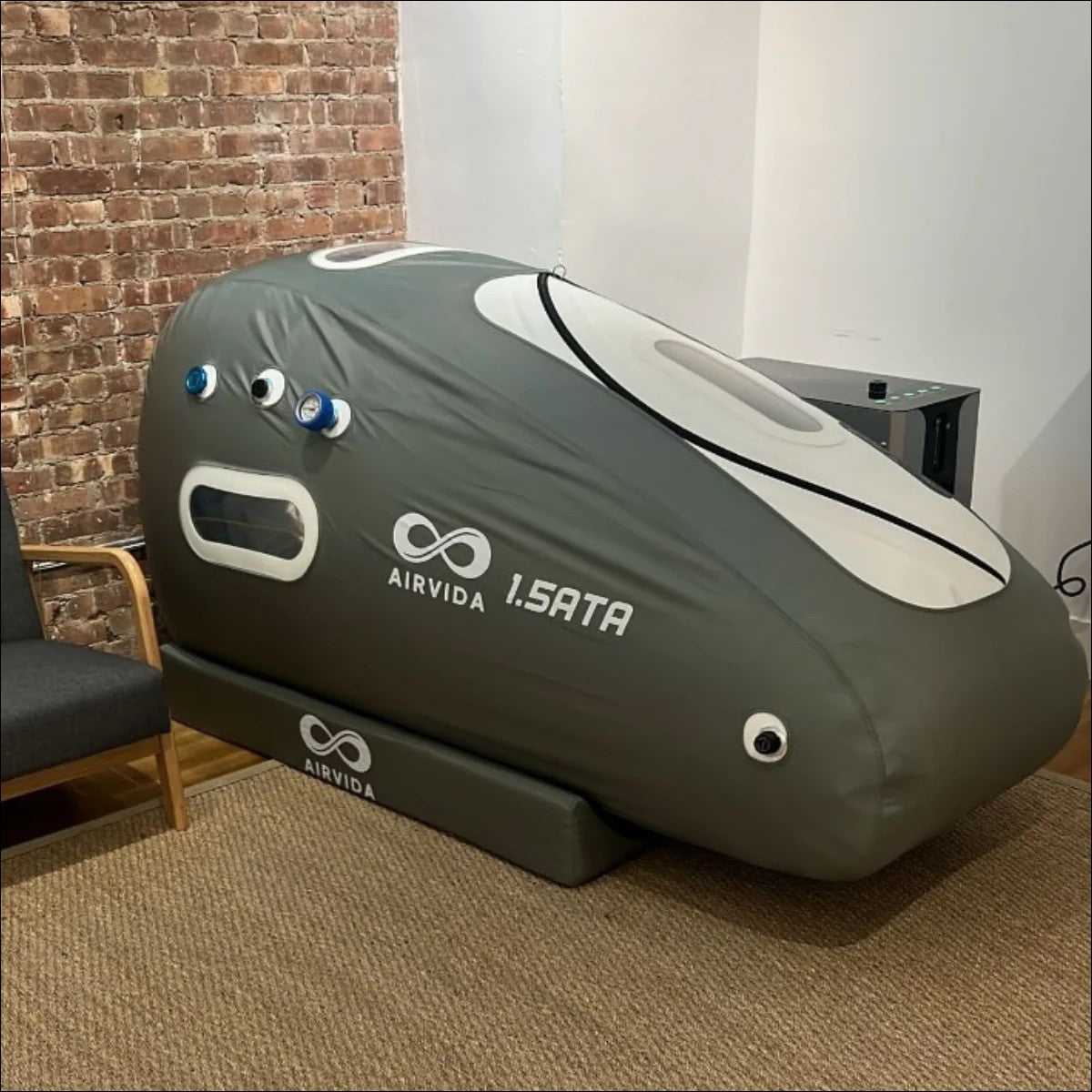
Hyperbaric Collections You May Want to Shop

The Best Foods to Eat Before Your Session
Choosing the right foods comes down to balance: enough energy to keep you stable, light enough to digest easily, and free from ingredients that trigger excessive gas production.
Ideal food choices include:
-
Lean proteins: grilled chicken, turkey, eggs, or fish. These digest at a moderate pace and provide steady amino acids without causing bloating.
-
Whole grains in small portions: brown rice, oatmeal, or whole wheat toast give you sustained energy without spiking blood sugar dramatically.
-
Cooked or steamed vegetables: carrots, zucchini, green beans, and squash are easy on the stomach and provide micronutrients.
-
Fresh fruits low in fiber: bananas, melon, or berries in reasonable portions offer quick, clean energy.
-
Healthy fats in moderation: a small amount of avocado or olive oil supports anti-inflammatory pathways that hyperbaric therapy itself targets.
A practical example of a solid pre-session meal would be: one scrambled egg on a slice of whole wheat toast with a banana and a glass of water. Simple, balanced, and easy to digest within about two hours.
For people using hyperbaric oxygen chamber for home setups, meal timing is often easier to control since you are scheduling sessions around your own routine rather than a clinic appointment.
Foods to Avoid in the Hours Before Treatment
Knowing what to skip is just as important as knowing what to eat. Certain foods significantly increase the risk of discomfort, nausea, or compromised focus during your session.
|
Food Category |
Examples |
Reason to Avoid |
|
Cruciferous vegetables |
Broccoli, cabbage, cauliflower, Brussels sprouts |
High gas-producing fibers |
|
Legumes |
Beans, lentils, chickpeas |
Fermentation causes bloating |
|
Carbonated drinks |
Soda, sparkling water, energy drinks |
Introduce gas into the digestive tract |
|
High-fat fried foods |
Fast food, fried chicken, greasy burgers |
Slow digestion, nausea risk |
|
Alcohol |
Beer, wine, liquor |
Dehydrates, impairs circulation |
|
Very high-sugar foods |
Candy, pastries, sugary cereals |
Blood sugar spike followed by crash |
|
Dairy in large amounts |
Ice cream, heavy cream sauces |
Can cause sluggishness and bloating |
Alcohol deserves special emphasis. It dehydrates your body at the cellular level, which directly counteracts one of hyperbaric therapy's core mechanisms. Plasma oxygen absorption is more efficient when you are well-hydrated. Drinking alcohol the night before, especially in excess, can blunt the benefits of your session significantly.
Carbonated beverages are another overlooked issue. The gas already trapped in a soda or sparkling water will expand under pressure changes, causing significant discomfort during pressurization and depressurization phases of the session.
Timing: When to Eat Before a Session

Timing your meal correctly is as important as the food itself. The general recommendation followed by most hyperbaric clinics and practitioners in the U.S. is to eat a light meal approximately 1.5 to 2 hours before your session begins.
Eating too close to your appointment time, say within 30 to 45 minutes, leaves food sitting in your stomach and increases the likelihood of nausea, especially during pressurization. Eating too far in advance, four or more hours before, risks a blood sugar drop during the session that can leave you feeling fatigued or distracted.
Here is a simple timing framework:
-
2 hours before: Eat your main pre-session meal (balanced protein, moderate carbs, low fat).
-
60 minutes before: A small, easily digestible snack is acceptable if you are genuinely hungry, such as a banana or a small handful of crackers.
-
30 minutes before: Stick to water only. Avoid eating anything else.
-
Immediately before: No food. Focus on hydration.
If you are reviewing things to remember before and after hyperbaric oxygen therapy, you will find that nutrition timing is consistently listed among the most important preparation factors alongside avoiding petroleum-based products and wearing appropriate clothing.
Hydration: The Nutritional Factor Most People Underestimate
Hydration is technically a nutritional variable, and it is one that dramatically affects how your body responds to hyperbaric treatment. Water supports plasma volume, which is the fluid in which dissolved oxygen travels to tissues during a hyperbaric session.
The standard recommendation is to drink at least 16 to 24 oz of water in the two hours before your appointment. Avoid overhydrating immediately before the session since a full bladder in a small pressurized chamber becomes uncomfortable quickly.
Electrolytes matter too, particularly if you exercise before your session or if you are receiving treatment for a condition that affects fluid balance. A small electrolyte drink or a pinch of salt with water can help stabilize you without adding sugary calories.
If you are planning to buy hyperbaric chamber equipment for home use, building a reliable hydration habit before each session will be one of the easiest ways to protect your investment and ensure consistent results.
Special Considerations Based on Health Conditions

For most healthy adults undergoing hyperbaric therapy for wellness, athletic recovery, or mild conditions, the standard nutrition guidelines above are sufficient. However, some health situations call for more specific adjustments.
Diabetes: Blood sugar management is critical. People with diabetes should work with their healthcare provider to time insulin or medication around the session. A small, low-glycemic snack may be appropriate even closer to session time to prevent hypoglycemia, but this should be medically supervised.
Post-surgical recovery: Patients using hyperbaric therapy to support wound healing may have restricted diets already in place. Follow your surgeon's nutritional guidelines above all else, and make sure your hyperbaric provider is aware of your dietary restrictions.
Gastrointestinal conditions: People with IBS, Crohn's disease, or other GI disorders should be especially cautious about gas-producing foods and should consider working with a registered dietitian to identify safe pre-session options.
Athletes: High-intensity training sessions directly before hyperbaric treatment can cause muscle glycogen depletion. In this case, a moderate carbohydrate snack like a banana or a small portion of rice after exercise and before the session can help maintain energy without disrupting digestive comfort.
What you wear to your session is also a preparation detail worth reviewing, and reading about what to wear for hyperbaric oxygen therapy alongside your nutrition prep creates a well-rounded readiness plan.
Things to Know
-
Eating a very large meal before your session does not give you more energy during treatment. It more likely causes discomfort and reduced focus.
-
Caffeine in moderate amounts (one small cup of coffee) appears to be generally tolerated, but some practitioners advise avoiding it as it can slightly constrict blood vessels.
-
Your body's need for post-session nutrition is just as real. Many patients feel hungry after treatment as their metabolism has been stimulated by elevated oxygen levels.
-
The gas-producing effect of legumes and cruciferous vegetables peaks several hours after eating them, so a dinner the night before that is heavy in beans can still affect a morning session.
-
Sugar alcohols found in many "diet" or "low carb" products, like sorbitol and xylitol, are known to cause bloating and should be treated as high-gas-risk foods before a session.
-
If you are feeling nauseous during a session you can often trace it back to a food or timing choice that was easy to overlook.
Hyperbaric Chambers You May Want to Shop
Explore More


After the Session: What Comes Next
Post-session nutrition and behavior matter just as much as your preparation. Your body has been in a highly oxygenated state, and what you do in the hours following treatment either reinforces or undermines the benefits.
Many patients find that a clean, anti-inflammatory meal after treatment, including foods like salmon, leafy greens, blueberries, or walnuts, helps extend the therapeutic effects. Avoiding alcohol and processed foods post-session is also commonly recommended.
If you are wondering about other post-session activities, checking information about can you drive after hyperbaric oxygen therapy is a practical next step for planning your day around treatment without unnecessary disruption.
Ready to Optimize Your Hyperbaric Treatment Plan?

Take one concrete step before your next session: write down exactly what you plan to eat, at what time, and how much water you will drink beforehand. Treat your pre-session nutrition like any other preparation step in your protocol. If you are just beginning to explore hyperbaric therapy at home and want to compare chamber options, browsing all models available from AirVida Chambers gives you a clear picture of what fits your health goals and living space.
Frequently Asked Questions
Can I drink coffee before a hyperbaric session?
Moderate caffeine intake, such as one small cup of coffee, is generally tolerated by most patients.
Some practitioners recommend avoiding caffeine entirely because it can mildly constrict blood vessels, which may slightly reduce circulation. If you are sensitive to caffeine or prone to anxiety, it is safest to skip it and opt for water instead before your session.
Is it okay to fast before hyperbaric oxygen therapy?
Fasting is not recommended before a hyperbaric session unless your doctor has specifically advised it for a medical reason.
Going into a 60 to 90-minute pressurized session with no food in your system risks hypoglycemia, lightheadedness, and reduced focus. A light meal two hours before is the standard recommendation for most patients.
What happens if I eat too much before a session?
Eating a heavy meal before hyperbaric therapy commonly causes nausea, bloating, and discomfort due to the pressure changes inside the chamber.
The digestive gases produced by a large meal expand and contract as the chamber pressurizes and depressurizes. This can make the session very uncomfortable and in some cases cause early termination of treatment.
Should I take my supplements before a hyperbaric session?
Most oral supplements are safe to take before a session, but antioxidant supplements like high-dose Vitamin C or Vitamin E should be timed carefully.
Some practitioners suggest avoiding high-dose antioxidants immediately before treatment because hyperbaric oxygen therapy works partly through a controlled oxidative process. Check with your provider about the best timing for your specific supplement regimen.
Can I eat immediately after a hyperbaric session?
Yes, eating after a hyperbaric session is completely fine and often encouraged, particularly a clean, anti-inflammatory meal.
Your metabolism may feel elevated after treatment and your body can use nutrient support to reinforce tissue repair processes. Choose whole foods over processed options to align your post-session meal with your recovery or wellness goals.
The Bottom Line on What to Eat Before Hyperbaric Oxygen Therapy
Understanding what to eat before hyperbaric oxygen therapy is about setting your body up for the best possible outcome during and after the session. Keep your pre-session meal light, timed about two hours before treatment, and built around lean proteins, easy-to-digest carbohydrates, and adequate water intake. Avoid gas-producing foods, alcohol, carbonated drinks, and heavy fatty meals.
These are small decisions that take very little effort but have a measurable effect on how comfortable and effective your sessions are. If you are building a home-based hyperbaric routine, pairing strong nutritional habits with the right equipment makes every session count. Start with your next meal and carry that same intentionality into every preparation detail around your treatment.