


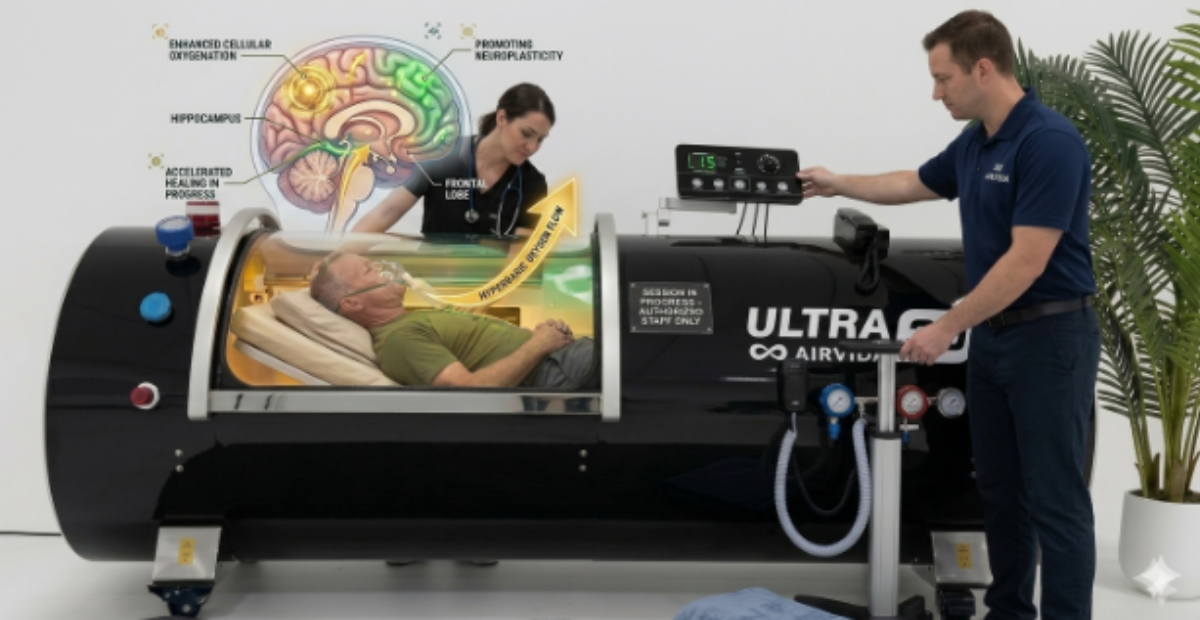
HBOT for cognitive function may help improve brain performance by increasing oxygen delivery to brain tissues. Many people use hyperbaric oxygen therapy to support memory, focus, mental clarity, and recovery from cognitive fatigue.
As research around brain health grows, more individuals are exploring how oxygen-rich environments may help support neurological recovery and long-term cognitive wellness. From brain fog to concentration issues, HBOT is becoming a popular option for those looking to optimize mental performance naturally. Read on to learn how HBOT works, why oxygen matters for the brain, and who may benefit most from this therapy.
What Is HBOT and How Does It Work?

Hyperbaric oxygen therapy, commonly called HBOT, is a treatment where a person breathes concentrated oxygen inside a pressurized chamber. The increase in atmospheric pressure allows the lungs to absorb more oxygen than normal.
This oxygen-rich blood then travels throughout the body, including areas of the brain that may have reduced circulation or inflammation. Many individuals explore this therapy through a hyperbaric chamber, San Jose, where the controlled environment supports improved oxygen delivery and healing.
Why Oxygen Is Important for Brain Function
The brain consumes around 20% of the body's oxygen supply despite making up only a small percentage of total body weight. Oxygen plays a direct role in:
-
Energy production in brain cells
-
Neurotransmitter activity
-
Memory formation
-
Focus and concentration
-
Cellular repair processes
When oxygen delivery becomes limited due to stress, injury, aging, or inflammation, cognitive symptoms may appear.
Hyperbaric Collections You May Want to Shop

How HBOT May Support Cognitive Performance
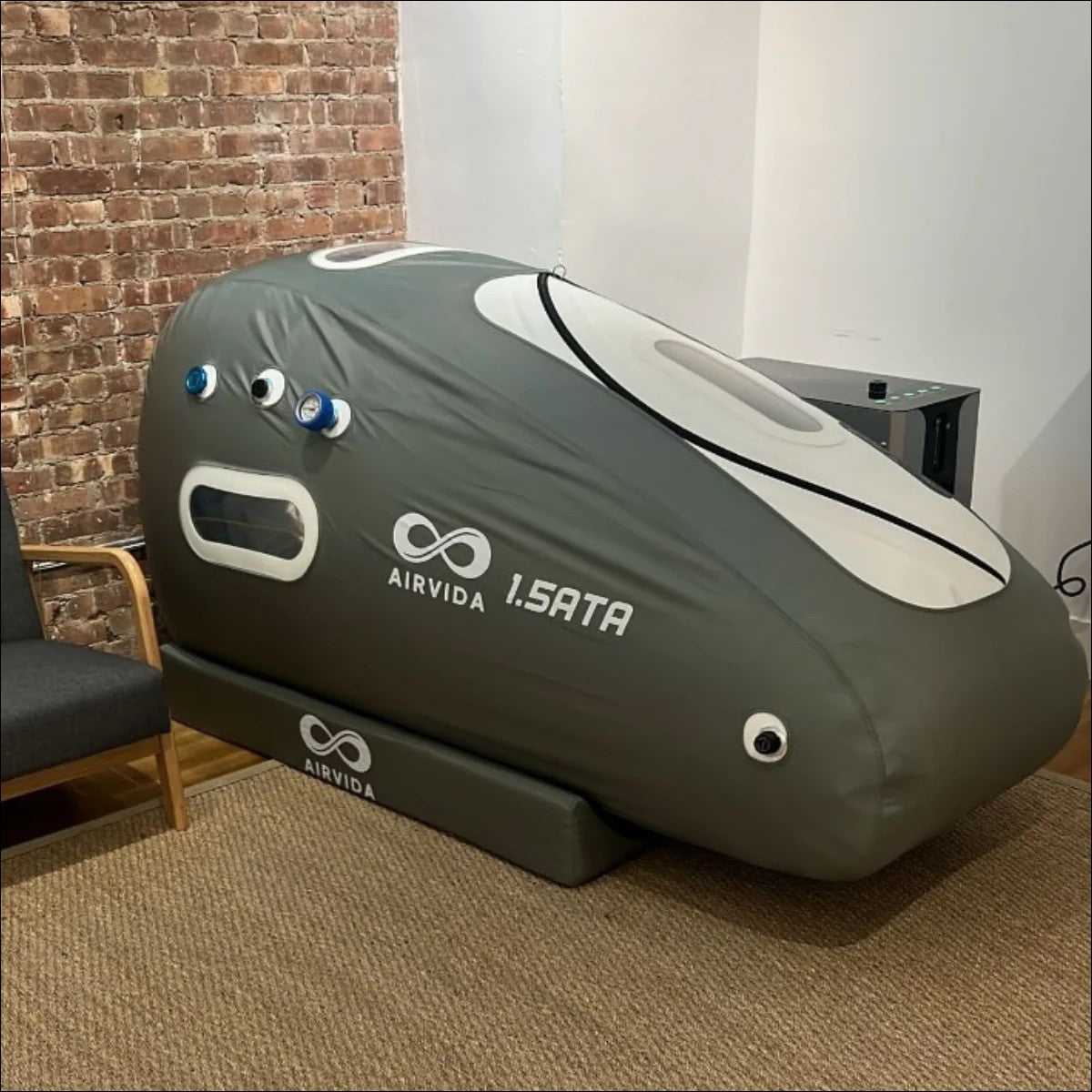
Researchers continue studying how HBOT may influence neurological recovery and cognitive support. Potential benefits may include:
|
Potential Cognitive Benefit |
How HBOT May Help |
|
Improved Focus |
Increased oxygen availability to brain tissues |
|
Better Memory |
Supports cellular repair and neural activity |
|
Mental Clarity |
May reduce inflammation linked to brain fog |
|
Faster Recovery |
Helps oxygenate damaged or stressed tissues |
|
Cognitive Energy |
Supports mitochondrial function |
While results vary from person to person, many individuals report noticeable improvements in concentration and mental sharpness after consistent sessions.
Common Cognitive Issues People Use HBOT For
People seek hbot for cognitive function for many different reasons. Some use it as part of recovery, while others use it proactively for mental performance support.
Brain Fog and Mental Fatigue
Brain fog can feel like mental sluggishness, forgetfulness, or difficulty concentrating. It may occur after stress, illness, poor sleep, or burnout.
HBOT may help support clearer thinking by improving oxygen circulation and reducing inflammatory responses in the brain.
Memory Support
Some individuals explore HBOT as part of cognitive wellness routines aimed at supporting memory retention and recall. Oxygen is critical for healthy neuronal communication, especially in aging brains.
Focus and Attention Challenges
Difficulty maintaining focus can affect productivity and quality of life. Some studies suggest oxygen-rich environments may support attention span and executive functioning.
Post-Concussion Recovery
HBOT has also gained attention for its potential role in supporting recovery after traumatic brain injuries or concussions. Increased oxygen availability may assist healing processes in affected tissues.
You may also want to read about how HBOT supports PTSD recovery and its connection to neurological wellness.
The Science Behind HBOT and Brain Health

Interest in HBOT for neurological support has expanded significantly over the last decade. Researchers continue exploring how oxygen therapy may impact neuroplasticity, inflammation, and circulation.
Increased Oxygen Delivery
Under pressure, oxygen dissolves more effectively into the bloodstream and plasma. This allows oxygen to reach tissues that may not receive enough under normal conditions.
For the brain, this may help support:
-
Cellular metabolism
-
Tissue repair
-
Improved circulation
-
Reduced swelling
Neuroplasticity and Cognitive Recovery
Neuroplasticity refers to the brain’s ability to form and reorganize neural connections. Some studies suggest HBOT may stimulate processes associated with brain adaptability and repair.
This is especially important for individuals recovering from:
-
Concussions
-
Stroke-related cognitive deficits
-
Neurological inflammation
-
Cognitive decline linked to aging
Reduced Inflammation
Inflammation is often associated with cognitive fatigue and impaired brain function. Oxygen therapy may help regulate inflammatory responses and support healthier brain environments.
|
Brain Support Mechanism |
Potential Impact |
|
Improved Oxygen Saturation |
Better tissue nourishment |
|
Reduced Inflammation |
May support clearer thinking |
|
Enhanced Circulation |
Supports nutrient delivery |
|
Cellular Repair Support |
Helps damaged tissues recover |
|
Neuroplasticity Activation |
Supports learning and adaptation |
Although research is ongoing, many healthcare professionals see promising potential in HBOT as part of broader cognitive support strategies.
Hyperbaric Chambers You May Want to Shop
Explore More


Who May Benefit From HBOT for Cognitive Function?
HBOT may be explored by individuals from many backgrounds looking to support mental performance or recovery.
Adults Experiencing Brain Fog
Stress, lack of sleep, and modern lifestyles can contribute to mental fatigue. Some individuals use HBOT to help restore mental clarity and energy.
Athletes and High Performers
Professional athletes and executives sometimes use HBOT to support recovery and maintain cognitive sharpness under pressure.
Older Adults Supporting Brain Health
Healthy oxygen delivery becomes increasingly important with age. Some older adults explore HBOT as part of a proactive wellness routine focused on memory and mental function.
Individuals Recovering From Neurological Stress
People recovering from concussions, infections, or neurological strain may use HBOT alongside professional medical guidance.
Explore available options through this location: Hyperbaric Chamber New Jersey Collection
What a Typical HBOT Session Looks Like

For first-time users, understanding the experience can help reduce uncertainty.
Inside the Chamber
During treatment, individuals sit or lie comfortably inside a hyperbaric chamber while breathing concentrated oxygen.
Sessions usually last between 60 and 90 minutes depending on the treatment protocol.
What People Commonly Feel
Many people describe the experience as relaxing. Some notice pressure changes similar to being on an airplane during ascent or descent.
Users often read, rest, or listen to music during sessions.
How Many Sessions Are Usually Recommended?
The number of sessions varies depending on goals and individual conditions.
Some people seek occasional wellness sessions, while others follow more structured protocols over several weeks.
HBOT Compared to Other Cognitive Wellness Approaches
HBOT is often used alongside healthy lifestyle practices rather than as a replacement.
Lifestyle Habits That Also Support Brain Function
-
Quality sleep
-
Regular exercise
-
Proper hydration
-
Nutrient-rich foods
-
Stress management
-
Cognitive exercises
HBOT may complement these strategies by supporting oxygen availability and recovery processes.
Why Some People Choose HBOT
Unlike supplements that rely on digestion and absorption, HBOT directly increases oxygen delivery throughout the body.
Some individuals prefer this non-invasive wellness approach because sessions require minimal downtime.
You may also enjoy reading about HBOT for orthopedic recovery and how oxygen supports healing in different parts of the body.
Is HBOT Safe?
Hyperbaric oxygen therapy is generally considered safe when performed properly under trained supervision.
Possible temporary side effects may include:
-
Ear pressure discomfort
-
Mild fatigue after sessions
-
Temporary sinus pressure
People with certain medical conditions should always consult a healthcare provider before starting treatment.
Practical Tips Before Trying HBOT
If you are considering HBOT for cognitive wellness, these tips may help improve your experience:
-
Stay hydrated before your session
-
Avoid alcohol before treatment
-
Wear comfortable clothing
-
Follow provider instructions carefully
-
Be consistent with your treatment plan
Consistency often plays a major role in perceived results.
Final Thoughts on HBOT for Cognitive Function

Interest in hbot for cognitive function continues growing as more people look for ways to support mental clarity, focus, and overall brain wellness. By increasing oxygen delivery to brain tissues, HBOT may help support recovery processes, cognitive performance, and neurological health.
While individual experiences vary, many users report improvements in concentration, energy, and mental sharpness after consistent sessions. As research evolves, hyperbaric oxygen therapy remains a promising area within cognitive wellness and recovery support.
If you are exploring ways to support your brain health naturally, learning more about HBOT and professional hyperbaric chamber options may be a valuable next step.
Frequently Asked Questions About HBOT for Cognitive Function
Does hyperbaric oxygen therapy help cognitive function?
Hyperbaric oxygen therapy may help support cognitive function by increasing oxygen delivery to the brain. Some individuals report improvements in memory, focus, processing speed, and mental clarity after consistent HBOT sessions. Researchers continue studying its potential effects on neuroplasticity, inflammation reduction, and circulation support. While outcomes vary, HBOT is increasingly explored as part of cognitive wellness and neurological recovery programs.
Can HBOT help with brain fog?
HBOT may help reduce symptoms associated with brain fog by supporting oxygen circulation and brain recovery processes. Brain fog is often linked to fatigue, inflammation, stress, or poor oxygen utilization in the body. By delivering higher oxygen levels to tissues, HBOT may assist individuals experiencing sluggish thinking, difficulty concentrating, or mental fatigue. Many users combine HBOT with healthy sleep, hydration, and nutrition habits for better results.
Why does Justin Bieber sleep in a hyperbaric chamber?
Justin Bieber reportedly uses a hyperbaric chamber as part of his wellness and recovery routine. Celebrities and athletes sometimes explore HBOT to support recovery, energy levels, skin health, and overall performance. Hyperbaric chambers increase oxygen exposure under pressure, which may help the body recover from physical and mental stress. While experiences differ, many public figures use HBOT as part of broader wellness strategies.
Are hyperbaric chambers used for ADHD?
Some individuals explore hyperbaric chambers as a supportive therapy for attention and focus challenges related to ADHD. Research in this area is still ongoing, and HBOT is not considered a universal treatment for ADHD. However, some studies have examined whether increased oxygen delivery and reduced inflammation may support attention, concentration, and neurological function. Anyone considering HBOT for ADHD-related concerns should consult qualified healthcare professionals first.