



HBOT for sickle cell disease may help increase oxygen availability in the body and support tissue recovery during certain complications associated with the condition. While it is not considered a cure, some healthcare providers use hyperbaric oxygen therapy as a complementary treatment in specific cases.
Sickle cell disease affects how red blood cells carry oxygen throughout the body. When sickled cells block blood flow, patients can experience pain crises, tissue damage, and serious complications that impact quality of life. As medical professionals continue exploring supportive therapies, hyperbaric oxygen therapy has gained attention for its potential role in improving oxygen delivery and promoting healing.
This guide explains how HBOT works, why it may benefit certain individuals with sickle cell disease, and what patients should know before considering treatment.
Understanding Sickle Cell Disease
Sickle cell disease is a genetic blood disorder that changes the shape of red blood cells. Instead of maintaining their normal round shape, the cells become rigid and crescent-shaped.
Explore our hyperbaric therapy services in Bessemer through our Hyperbaric Oxygen Bessemer, AL collection:
These abnormal cells can:
✅ Block blood vessels
✅ Reduce oxygen delivery to tissues
✅ Cause severe pain episodes
✅ Increase the risk of infection
✅ Lead to organ complications over time
Because oxygen delivery is one of the primary challenges associated with the condition, therapies that improve oxygen availability continue to attract medical interest.
How Sickle Cell Disease Affects Oxygen Transport
Healthy red blood cells move easily through blood vessels and efficiently transport oxygen throughout the body. In contrast, sickled cells can become trapped in small vessels, restricting blood flow.
This reduced circulation may result in:
|
Complication |
Impact on the Body |
|
Vaso-occlusive crisis |
Severe pain due to blocked blood flow |
|
Acute chest syndrome |
Reduced oxygen levels in the lungs |
|
Tissue ischemia |
Oxygen deprivation in affected areas |
|
Delayed healing |
Slower recovery from injuries |
|
Organ damage |
Long-term complications from poor circulation |
When tissues receive insufficient oxygen, the body struggles to heal effectively. This is where hyperbaric oxygen therapy enters the discussion.
What Is Hyperbaric Oxygen Therapy?

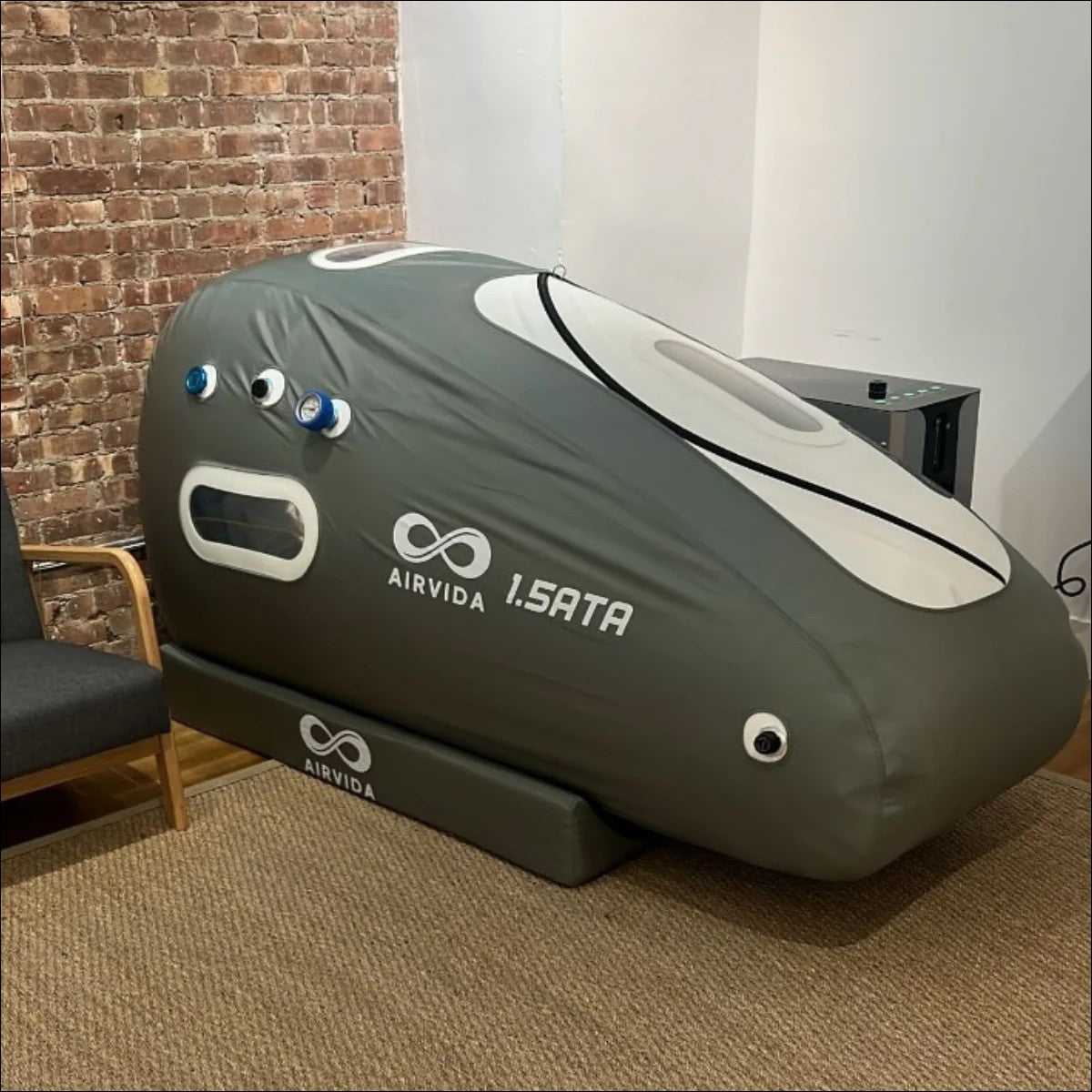
Hyperbaric oxygen therapy involves breathing concentrated oxygen inside a pressurized chamber. The increased pressure allows oxygen to dissolve more effectively into plasma and body tissues.
During a typical session:
-
The patient enters a specialized chamber.
-
Pressure gradually increases.
-
Pure oxygen is administered.
-
Oxygen absorption rises significantly.
-
Treatment continues for a prescribed period.
Unlike normal breathing, HBOT can increase oxygen levels throughout the body, including areas where circulation may be compromised.
Why Increased Oxygen Matters
Oxygen plays a critical role in:
-
Cellular repair
-
Tissue regeneration
-
Immune function
-
Blood vessel formation
-
Inflammation management
For individuals living with sickle cell disease, improving oxygen availability may help address some complications associated with reduced blood flow.
Learn more about treatment availability through our HBOT Treatment East Northport, NY collection:
Hyperbaric Collections You May Want to Shop

How HBOT May Support Patients With Sickle Cell Disease
Researchers and clinicians have explored the use of hyperbaric oxygen therapy in specific sickle cell-related situations.
The primary theory is straightforward: when oxygen levels increase significantly, tissues may continue receiving oxygen even when sickled cells partially restrict circulation.
Potential Benefits of HBOT
Some reported benefits include:
✅ Enhanced oxygen delivery
✅ Support for tissue healing
✅ Reduced tissue hypoxia
✅ Improved recovery from certain complications
✅ Potential support during acute episodes
Because oxygen can dissolve directly into plasma under pressure, tissues may receive supplemental oxygen even when red blood cell function is impaired.
Managing Tissue Hypoxia
One of the most significant concerns in sickle cell disease is hypoxia, a condition where tissues do not receive adequate oxygen.
HBOT may help by:
-
Increasing oxygen saturation
-
Supporting cellular metabolism
-
Reducing oxygen deficits
-
Enhancing nutrient delivery
Although the therapy does not alter the underlying genetic condition, it may provide supportive benefits when oxygen deprivation contributes to complications.
Situations Where HBOT May Be Considered
Hyperbaric oxygen therapy is not a routine treatment for all sickle cell patients. However, physicians may evaluate its use in specific circumstances.
These situations may include:
|
Condition |
Why HBOT May Be Considered |
|
Acute chest syndrome |
To support oxygen delivery |
|
Non-healing wounds |
To promote tissue repair |
|
Bone complications |
To assist healing processes |
|
Tissue ischemia |
To improve oxygen availability |
|
Surgical recovery |
To support healing after procedures |
Each patient's situation is unique, and treatment decisions should always involve qualified healthcare professionals.
What Research Says About Hyperbaric Oxygen Therapy

Interest in hyperbaric oxygen therapy continues to grow across many medical fields.
While HBOT is widely recognized for conditions such as:
-
Carbon monoxide poisoning
-
Certain wound-healing disorders
-
Decompression sickness
-
Radiation injury
Its role in sickle cell disease remains an area of ongoing research.
Some studies suggest increased tissue oxygenation may provide temporary support during complications involving oxygen deprivation. However, larger studies are still needed to establish standardized treatment protocols. Athletes and wellness advocates have also explored HBOT for sports performance, Westchester, highlighting its potential beyond clinical recovery.
Current Medical Perspective
Most healthcare providers view HBOT as:
-
A supportive therapy
-
An adjunct treatment
-
Not a replacement for standard sickle cell care
-
Potentially beneficial in selected cases
Patients should continue following their physician's recommended treatment plan while discussing whether HBOT may be appropriate for their specific condition.
Hyperbaric Chambers You May Want to Shop
Explore More


Standard Treatments for Sickle Cell Disease
Because sickle cell disease is complex, treatment often involves multiple approaches.
Common therapies include:
Medications
Doctors may prescribe medications designed to:
✅ Reduce pain crises
✅ Lower complication risks
✅ Improve blood cell function
Blood Transfusions
Regular transfusions may help:
-
Increase healthy red blood cells
-
Improve oxygen transport
-
Reduce stroke risk
Hydration and Pain Management
Maintaining hydration is essential because dehydration can increase sickling events.
Pain management plans often include:
-
Prescription medications
-
Intravenous fluids
-
Hospital-based interventions during severe crises
Advanced Treatment Options
Some patients may qualify for:
-
Bone marrow transplantation
-
Stem cell therapies
-
Emerging genetic treatments
HBOT may sometimes be considered alongside these established therapies rather than replacing them.
Who May Benefit Most From HBOT?

Not every patient with sickle cell disease will require or benefit from hyperbaric oxygen therapy.
Physicians typically evaluate:
-
Current symptoms
-
Severity of complications
-
Overall health status
-
Existing treatment plan
-
Medical history
Patients experiencing tissue damage, chronic wounds, or oxygen-related complications may be among those considered for evaluation.
Questions to Discuss With Your Provider
Before pursuing treatment, consider asking:
✅ Is HBOT appropriate for my condition?
✅ What outcomes should I expect?
✅ How many sessions might be recommended?
✅ Are there alternative treatment options?
✅ What risks should I understand?
An informed discussion helps patients make better healthcare decisions.
Potential Risks and Side Effects
Like any medical therapy, HBOT carries potential risks.
Most side effects are mild and temporary, but understanding them remains important.
Possible side effects include:
|
Side Effect |
Description |
|
Ear pressure |
Similar to changes during air travel |
|
Sinus discomfort |
Temporary pressure sensation |
|
Fatigue |
Mild tiredness after treatment |
|
Temporary vision changes |
Usually resolve after therapy |
|
Claustrophobia |
Anxiety in enclosed spaces |
Treatment should always occur under proper medical supervision.
Comparing HBOT With Other Supportive Therapies
Hyperbaric oxygen therapy differs from standard oxygen therapy in several ways.
|
Feature |
Standard Oxygen Therapy |
Hyperbaric Oxygen Therapy |
|
Oxygen concentration |
Increased |
Increased |
|
Pressure environment |
Normal atmospheric pressure |
Elevated pressure |
|
Tissue penetration |
Limited |
Significantly enhanced |
|
Clinical setting |
Hospital or home |
Specialized chamber |
|
Treatment goals |
Oxygen supplementation |
Enhanced oxygen delivery |
The pressurized environment is what allows HBOT to deliver oxygen more deeply into tissues.
Additional Resources for Patients Interested in HBOT

Patients exploring hyperbaric therapies often benefit from learning about broader applications of oxygen therapy.
Related reading: Hyperbaric Oxygen Therapy Effects on Diabetes
These resources provide additional insight into how oxygen therapy is used across various health conditions.
Final Thoughts on HBOT for Sickle Cell Disease
HBOT for sickle cell disease continues to generate interest because of its ability to significantly increase oxygen availability within the body. While it is not considered a cure, some physicians may recommend it as a supportive option in cases involving tissue hypoxia, wound healing challenges, or specific complications related to oxygen deprivation.
As research evolves, HBOT for sickle cell disease may continue to play a role in comprehensive care plans for selected patients. Anyone considering treatment should consult their healthcare provider to determine whether HBOT for sickle cell disease is appropriate for their individual medical situation.
Frequently Asked Questions
Is a hyperbaric oxygen chamber good for people with sickle cells?
A hyperbaric oxygen chamber may provide supportive benefits for some people with sickle cell disease, particularly when complications involve reduced oxygen delivery to tissues. The therapy works by increasing oxygen dissolved in the bloodstream, which may help support healing and tissue function. However, it is generally considered a complementary treatment rather than a primary therapy. Medical professionals evaluate each case individually to determine whether hyperbaric oxygen therapy may be beneficial alongside standard sickle cell treatments.
What are the treatments for sickle cell disease?
Treatment for sickle cell disease typically involves a combination of medications, blood transfusions, pain management strategies, hydration, and ongoing medical monitoring. Some patients may also qualify for advanced options such as stem cell transplantation or emerging gene therapies. Treatment plans vary based on age, symptoms, complication history, and overall health. The goal is to reduce pain episodes, prevent organ damage, improve quality of life, and minimize long-term complications associated with the disease.
What are the side effects of HBOT?
Most HBOT side effects are mild and temporary when treatments are performed under proper medical supervision. Patients may experience ear pressure similar to airplane travel, mild sinus discomfort, temporary fatigue, or short-term vision changes. In rare cases, more serious complications can occur, which is why treatments should always be conducted in a qualified facility with trained healthcare professionals. Proper evaluation before treatment helps minimize potential risks.
What is oxygen therapy for sickle cell crisis?
Oxygen therapy during a sickle cell crisis is used to help improve oxygen levels when patients experience breathing difficulties or oxygen deprivation. Standard oxygen therapy may be delivered through a mask or nasal cannula in hospital settings. In certain situations involving severe tissue hypoxia or complications, healthcare providers may also evaluate advanced oxygen delivery methods such as hyperbaric oxygen therapy. The objective is to support oxygen transport, reduce complications, and improve overall patient stability during the crisis.