


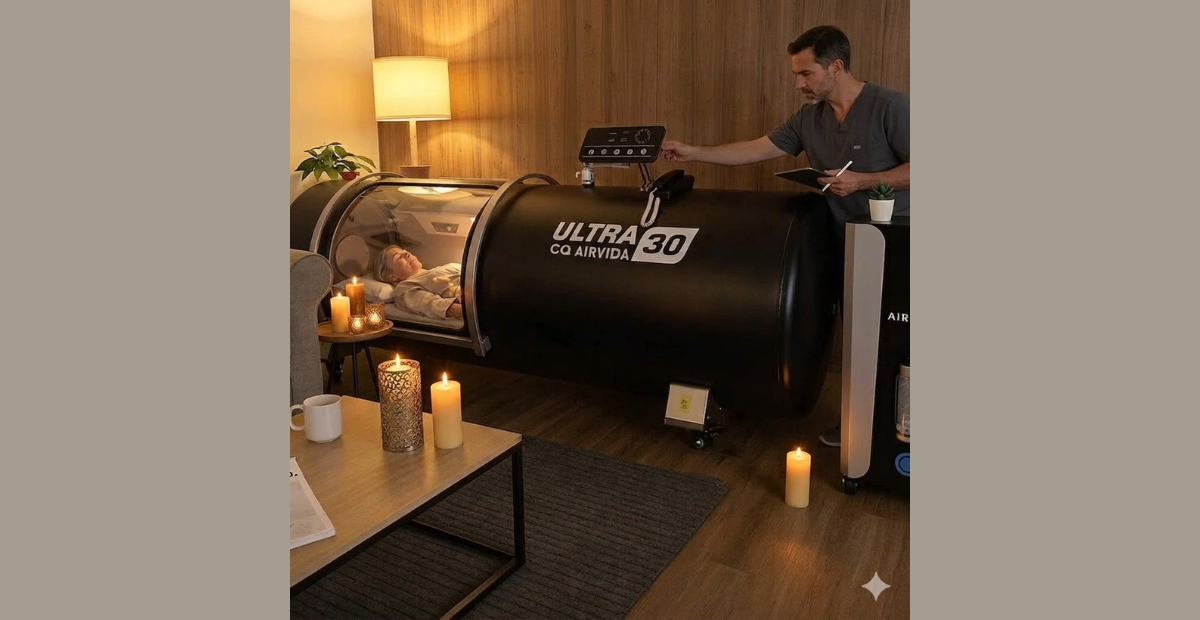
Vitiligo affects roughly 1–2% of the global population, and most people cycling through topical steroids and light therapy eventually ask the same question: Is there anything else? Hyperbaric oxygen therapy (HBOT) has entered that conversation with growing scientific interest, not as a cure, but as a mechanism that may address some of the root-level dysfunction driving melanocyte loss.
Here is what the current evidence actually shows, where HBOT fits in a broader treatment plan, and what to realistically expect.
Key Takeaways
-
Vitiligo results from the destruction of melanocytes, the pigment-producing cells in the skin, driven by autoimmune attack, oxidative stress, and impaired tissue oxygen delivery.
-
HBOT delivers 100% oxygen at increased atmospheric pressure, flooding tissues with oxygen and triggering anti-inflammatory and antioxidant cascades that may slow melanocyte destruction.
-
Early clinical studies and case reports show partial repigmentation in vitiligo patients following HBOT, especially when combined with phototherapy.
-
HBOT is not FDA-approved specifically for vitiligo but is used off-label; it is considered safe for most patients when administered properly.
-
Soft-shell home chambers and clinical hard-shell chambers differ significantly in pressure delivery; the distinction matters for results.
Hyperbaric Chambers You May Want to Shop
Explore More


What Is Hyperbaric Oxygen Therapy for Vitiligo?
Hyperbaric oxygen therapy involves breathing pure or near-pure oxygen inside a pressurized chamber, typically at 1.5 to 3.0 atmospheres absolute (ATA). At that pressure, oxygen dissolves directly into the plasma (not just the red blood cells), reaching concentrations 10 to 20 times higher than normal ambient breathing.
For vitiligo specifically, the hypothesis is mechanistic: the disease involves both an autoimmune attack on melanocytes and significant oxidative stress in the affected skin tissue. Hydrogen peroxide accumulates in depigmented patches at levels toxic to melanocytes, creating a self-reinforcing cycle of destruction. HBOT's anti-inflammatory and antioxidant signaling pathways, particularly its upregulation of superoxide dismutase and catalase, may disrupt that cycle.
It also stimulates angiogenesis, the growth of new capillaries, which improves microcirculation in skin that has often become relatively hypoxic. Poor microcirculation is consistently found in vitiligo lesions and is thought to contribute to both disease progression and the difficulty of repigmentation.
This is not fringe thinking. A 2020 study published in Dermatology and Therapy documented repigmentation in vitiligo patients receiving HBOT alongside narrowband UVB, with responses notably stronger than UVB alone in several cases.
Why This Matters Right Now
Vitiligo treatment has historically been slow-moving, but 2023–2026 has brought genuine momentum. The FDA approval of ruxolitinib cream (Opzelura), a JAK inhibitor, marked the first new vitiligo treatment class in decades, validating the autoimmune pathway and opening the door to combination strategies.
That context matters for HBOT because combination approaches are now the standard thinking. No single intervention repigments vitiligo reliably. The emerging model is layered: reduce oxidative stress, suppress the autoimmune attack, restore melanocyte precursors from the hair follicle reservoir, and use light therapy to activate those precursors. HBOT potentially contributes to the first and second layers.
Additionally, growing recognition of HBOT's role in autoimmune conditions, broadly from inflammatory bowel conditions like Crohn's disease to neurological inflammation, has pushed dermatologists to look at it more seriously for skin-based autoimmunity.
How HBOT May Help Vitiligo: The Biological Mechanisms
Reducing Oxidative Stress in Lesional Skin
The most studied mechanism involves reactive oxygen species (ROS). Vitiligo skin has measurably higher levels of hydrogen peroxide than normal skin. Some researchers consider H2O2 accumulation the central driver of melanocyte death in the early disease stage.
HBOT paradoxically reduces oxidative stress over time despite delivering high oxygen concentrations. The transient hyperoxygenation triggers compensatory upregulation of endogenous antioxidant enzymes. After repeated sessions, catalase and superoxide dismutase activity increases in treated tissues, reducing the ROS burden that kills melanocytes.
Modulating the Autoimmune Attack
Vitiligo is driven by cytotoxic CD8+ T cells that specifically recognize and destroy melanocytes. HBOT has been shown in multiple contexts to shift immune responses away from pro-inflammatory Th1/Th17 profiles toward more regulatory patterns, increasing regulatory T cell (Treg) activity.
This immune modulation is the same mechanism getting attention in HBOT research on other autoimmune conditions. If you've looked into HBOT versus sauna for wellness applications, you've seen how HBOT's biological effects differ fundamentally from heat-based therapies. The oxygen pressure component drives cellular changes that heat simply cannot replicate.
Stimulating Melanocyte Precursors
Melanocytes regenerate from precursor cells (melanoblasts) stored primarily in hair follicles. For repigmentation to occur, these precursors must migrate from follicles into the affected epidermis, a process that requires adequate tissue oxygenation and growth factor signaling.
HBOT increases vascular endothelial growth factor (VEGF) and stem cell factor (SCF), both of which support melanocyte precursor mobilization. This may explain why HBOT combined with phototherapy produces more robust perifollicular repigmentation (the classic "follicular" pattern seen early in treatment response) than phototherapy alone.
What the Clinical Evidence Shows
The evidence base for HBOT in vitiligo is still developing; no large randomized controlled trials exist yet, but the available data are directionally consistent.
Key findings to date:
-
A case series of 12 vitiligo patients treated with 40 HBOT sessions at 2.0 ATA showed measurable repigmentation in 8 patients, with the best responses on the face and neck.
-
A pilot study combining HBOT with narrowband UVB found a 30–40% greater repigmentation response compared to UVB alone in active, non-segmental vitiligo.
-
Several peer-reviewed case reports document significant facial repigmentation in patients receiving HBOT for unrelated indications (wound care, post-surgical recovery), with vitiligo improvement noted as an incidental finding.
-
HBOT's safety profile in vitiligo populations mirrors the general HBOT safety profile. Side effects are rare and predominantly limited to mild ear pressure (barotrauma risk is low with proper equalization technique).
-
Hyperbaric Collections You May Want to Shop

Soft-Shell vs. Hard-Shell Chambers: What Vitiligo Patients Need to Know
Not all hyperbaric chambers are equivalent, and this distinction directly affects whether you're likely to see therapeutic benefit.
Hard-shell chambers operate at 1.5 to 3.0 ATA and deliver 100% medical-grade oxygen. These are the systems used in clinical trials and accredited HBOT centers. The pressure levels they achieve are sufficient to dissolve meaningful amounts of oxygen into plasma.
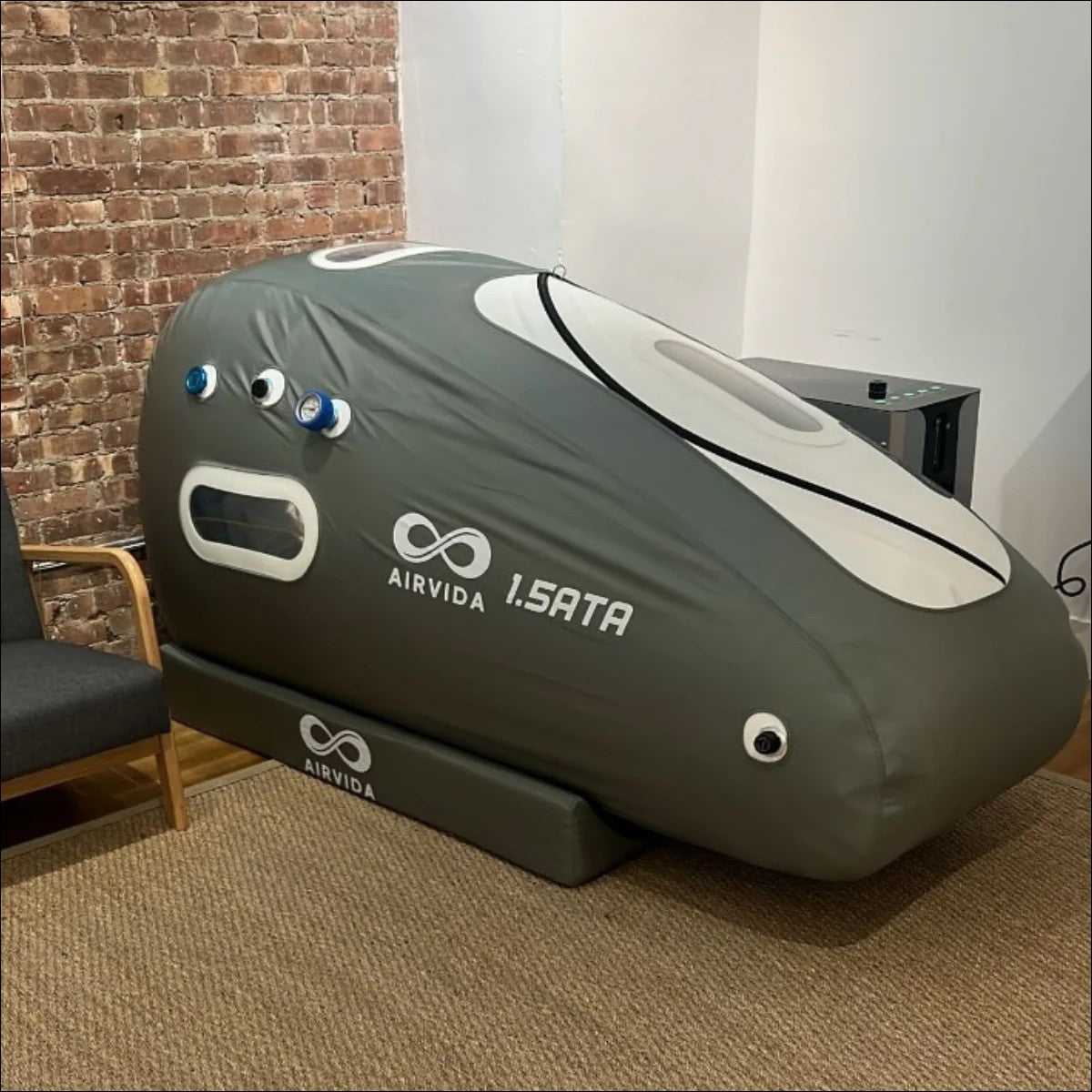
Soft (mild) hyperbaric chambers, the inflatable units available for home use typically reach only 1.3 ATA and use ambient air or low-concentration oxygen. That pressure differential is substantially smaller. The oxygen saturation increase is real but modest compared to clinical hard-shell systems.
For vitiligo, where the therapeutic hypothesis depends on meaningful antioxidant enzyme upregulation and immune modulation, clinical-grade pressure matters. If you're considering a home unit, understand you're in a different therapeutic category.
Airvida Chambers offers both options: explore soft hyperbaric chambers for home wellness use, or hard-shell hyperbaric chambers for clinical-grade oxygen delivery.
HBOT as Part of a Combination Vitiligo Protocol

HBOT is almost certainly more effective as part of a combination protocol than as a standalone treatment. Here is how practitioners are currently integrating it:
A practical combination framework:
HBOT sessions (20–40 sessions at 2.0–2.4 ATA): Establish the antioxidant and anti-inflammatory baseline. Most protocols run 5 sessions per week for 4–8 weeks.
-
Narrowband UVB phototherapy (2–3 sessions per week): Activate melanocyte precursors in the follicular reservoir that HBOT has helped prepare.
-
Topical treatment (ruxolitinib cream or tacrolimus): Suppress local autoimmune activity between sessions.
-
Nutritional support: Antioxidant supplementation (Vitamin C, E, alpha-lipoic acid) to sustain the intracellular environment between HBOT sessions.
-
Reassessment at 12 weeks: Document repigmentation response using standardized photography and VASI (Vitiligo Area Scoring Index) measurement.
This protocol logic mirrors what's been applied in HBOT for other immune-driven conditions, where the layered approach consistently outperforms any single-modality treatment.
Common Mistakes and Misconceptions

Mistake 1: Expecting rapid, complete repigmentation. HBOT does not reverse vitiligo in weeks. Repigmentation, even with optimal combination therapy, takes months and is rarely complete. HBOT's role is to improve the biological environment; the visible results depend heavily on disease duration, location, and individual immune response.
Mistake 2: Using soft-shell chambers and expecting clinical results. A 1.3 ATA inflatable chamber delivers a wellness benefit but does not deliver the therapeutic oxygen dose studied in vitiligo research. Manage expectations accordingly.
Mistake 3: Treating HBOT as a substitute for phototherapy. The evidence suggests HBOT enhances phototherapy response, not replaces it. Skipping phototherapy because you're doing HBOT removes the mechanism that actually activates melanocyte precursors.
Mistake 4: Stopping after a single course with no response. Vitiligo can be resistant for 6–12 months before showing repigmentation. Some patients require two courses before seeing a visible response. Early biochemical changes (reduced oxidative markers) may precede visible skin changes by weeks.
Mistake 5: Assuming all HBOT providers have equivalent protocols. Pressure level, session duration, oxygen concentration, and session frequency all vary between providers. Ask specifically about the ATA level, session length (typically 60–90 minutes), and total planned sessions before committing to a course.
Step-by-Step: Starting HBOT for Vitiligo

-
Get a dermatologist referral or assessment. Confirm your vitiligo type (segmental vs. non-segmental), disease activity (active vs. stable), and extent of involvement. Active, spreading vitiligo responds differently from long-stable patches.
-
Find an accredited HBOT facility. Look for centers with hard-shell chambers operating at a minimum of 2.0 ATA for vitiligo protocols. If you're in the Little Rock area, HBOT services in Little Rock are available. In Sioux Falls, hyperbaric chamber services in Sioux Falls offer accessible clinical-grade treatment.
-
Discuss the combination with your dermatologist. Coordinate HBOT timing with narrowband UVB scheduling. Many practitioners schedule HBOT in the morning and phototherapy later the same day to maximize the priming effect.
-
Commit to a minimum of 20 sessions before evaluating response. Biochemical changes begin around session 10–15; visible changes typically lag by several more sessions.
-
Document with standardized photography. Use the same lighting, distance, and body position at baseline, week 4, and week 8. The VASI scoring tool is freely available and gives you an objective measure.
-
Continue topical maintenance therapy throughout the HBOT course.
-
Plan for maintenance HBOT. Responders often benefit from monthly or quarterly booster sessions to sustain the antioxidant and immune-modulatory environment.

FAQ: Hyperbaric Chamber for Vitiligo
What kills melanocytes in vitiligo?
Melanocytes are destroyed through a multi-hit process: the immune system's cytotoxic CD8+ T cells specifically identify and attack melanocytes (treating them as foreign), while simultaneously elevated levels of hydrogen peroxide in the skin create an oxidatively toxic environment that independently kills surviving melanocytes. Genetic vulnerability, environmental triggers (physical trauma, stress, chemical exposure), and neural dysfunction contribute to initiating the cascade, but the autoimmune attack and oxidative accumulation are the primary executioners. This is why effective treatments need to address both the immune component and the oxidative environment.
Is a hyperbaric chamber good for autoimmune conditions?
HBOT has demonstrated meaningful anti-inflammatory effects in multiple autoimmune contexts. It modulates immune activity by increasing regulatory T cells, reducing pro-inflammatory cytokines (TNF-α, IL-1β, IL-6), and shifting the tissue environment away from the chronic inflammatory state that drives autoimmune tissue damage. It is not a standalone cure for any autoimmune condition, but as a complement to primary immunosuppressive or immunomodulatory treatment, it has shown benefits in conditions ranging from Crohn's disease to rheumatoid arthritis to multiple sclerosis. For vitiligo, the immune modulation hypothesis is scientifically plausible and directionally supported by early clinical data.
What is the Chinese treatment for vitiligo?
Traditional Chinese medicine approaches to vitiligo include herbal formulas, particularly those containing psoralea fruit (Psoralea corylifolia / Bakuchiol), which contains psoralen compounds that sensitize skin to UV light and have been used in Chinese dermatology for centuries. Acupuncture is also used, theorized to regulate immune function and improve local microcirculation in affected skin. More relevantly, Chinese clinical research has been active in combining these traditional approaches with modern phototherapy and, more recently, with HBOT, producing some of the more interesting combination-protocol case series in the published literature. The Chinese government-sponsored research on vitiligo has generally emphasized combination strategies over single-agent treatment.
What is the new treatment for vitiligo in 2026?
The most significant development entering broader clinical use in 2025–2026 is ruxolitinib cream (Opzelura) a topical JAK1/JAK2 inhibitor that reduces the cytokine signaling driving the autoimmune attack on melanocytes. It received FDA approval for non-segmental vitiligo in 2022 and adoption has expanded substantially since. Alongside it, oral JAK inhibitors (including baricitinib and upadacitinib) are in Phase 2–3 trials for vitiligo, showing promising repigmentation in early data. Separately, afamelanotide (Scenesse), an alpha-MSH analog already approved for erythropoietic protoporphyria, is in trials for vitiligo as a way to stimulate melanocyte activation directly. In combination contexts, HBOT is being studied as a biological primer for all of these newer agents.
Conclusion: Is Hyperbaric Oxygen Therapy Worth Pursuing for Vitiligo?
For someone who has cycled through standard treatments without adequate response, HBOT represents a scientifically grounded next step not a guaranteed solution, but a biologically rational adjunct that addresses mechanisms standard treatments do not.
The strongest case for HBOT in vitiligo is as part of a combination protocol: reducing the oxidative burden and modulating the autoimmune attack while phototherapy activates the melanocyte precursors that oxygen-rich tissue is now better positioned to support.
If you're exploring clinical-grade hyperbaric oxygen therapy for vitiligo or skin-related autoimmunity, Airvida Chambers provides access to both professional hard-shell systems and home-use soft chambers. Connect with a location near you including hyperbaric oxygen therapy in Sioux Falls and hyperbaric chamber services in Little Rock to discuss a protocol matched to your situation.