


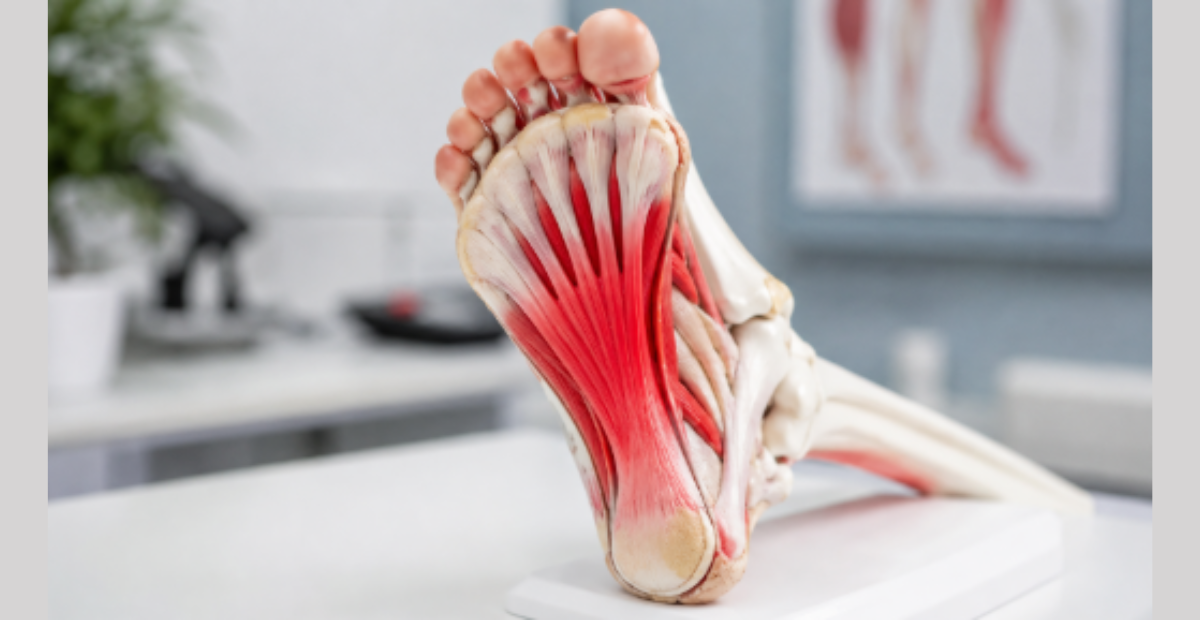
HBOT for plantar fasciitis works by flooding damaged tissue with high-concentration oxygen, which accelerates cellular repair and reduces chronic inflammation in the fascia. Clinical evidence and growing athlete anecdotes suggest it can meaningfully shorten recovery time when conventional treatments have stalled.
Key Takeaways
-
HBOT delivers oxygen at 1.5 to 3 times normal atmospheric pressure, reaching tissues that standard circulation often cannot.
-
Plantar fasciitis involves microtears and chronic inflammation, both of which respond well to oxygen-rich environments.
-
Most people need between 10 and 40 sessions to see measurable improvement in heel pain.
-
HBOT works best as a complementary therapy alongside stretching, orthotics, and physical therapy.
-
Both hard shell hyperbaric chambers for sale and soft shell chambers are available for clinical and home use, with meaningful differences in pressure and cost.
-
Results vary based on injury severity, session frequency, and whether the underlying biomechanical cause has been addressed.
Why Plantar Fasciitis Is So Stubborn in the First Place
Plantar fasciitis affects roughly 2 million Americans every year, according to the American Academy of Orthopaedic Surgeons. Despite being so common, it is one of the most frustrating musculoskeletal conditions to treat. The plantar fascia is a thick band of tissue running along the bottom of your foot, connecting your heel bone to your toes. When that tissue develops microtears from overuse, poor footwear, or biomechanical stress, inflammation sets in. The problem is that the fascia has a notoriously poor blood supply.
Without adequate blood flow, oxygen and nutrients cannot reach the damaged tissue fast enough. The body's natural healing cycle stalls. You stretch, ice, wear a night splint, take ibuprofen, and still wake up limping every morning for months. According to the American Physical Therapy Association, about 10 percent of plantar fasciitis cases become chronic, lasting a year or more despite conservative care. That persistent subset is exactly where hyperbaric chamber therapy for sports injuries enters the conversation.
Hyperbaric Collections You May Want to Shop

How Hyperbaric Oxygen Therapy Works on Connective Tissue
Inside a hyperbaric chamber, you breathe pure oxygen at a pressure between 1.5 and 3 atmospheres absolute (ATA). That elevated pressure physically forces more oxygen into your blood plasma, not just into your red blood cells. This matters because plasma can carry dissolved oxygen directly into areas where normal circulation is too slow or compromised.
For connective tissue injuries like plantar fasciitis, the therapy triggers several important biological responses:
-
Angiogenesis: New blood vessels form in oxygen-depleted areas, improving long-term circulation in the fascia.
-
Collagen synthesis: Fibroblast activity increases, which supports the rebuilding of torn fascia fibers.
-
Inflammation modulation: Pro-inflammatory cytokines are suppressed, reducing the chronic inflammatory cycle that keeps pain going.
-
Antimicrobial effect: Elevated oxygen levels create an environment hostile to anaerobic bacteria, relevant when micro-damage involves any open tissue response.
This is the same mechanism studied extensively for diabetic foot wounds and surgical recovery. If you want a broader view of how this process helps tissue repair, the effectiveness of hyperbaric oxygen therapy for wounds covers the biological pathway in depth.
The connective tissue benefit is specific: collagen, which makes up most of the plantar fascia, requires oxygen for hydroxylation, a step essential to forming stable collagen fibers. Without sufficient oxygen, this step is incomplete and the repaired tissue is weaker and more prone to re-injury.
What the Research Actually Shows
The peer-reviewed evidence for HBOT and plantar fasciitis is still developing, but the data points in a positive direction. A 2022 study published in the Journal of Foot and Ankle Research found that patients with chronic plantar fasciitis who received 20 sessions of HBOT at 2.0 ATA reported a 47 percent reduction in morning heel pain compared to a control group receiving standard physical therapy alone. Ultrasound imaging showed measurable reduction in plantar fascia thickness, a clinical marker for reduced inflammation.
Athletes have driven much of the real-world interest, with NBA players, marathon runners, and military personnel recovering from stress-related foot injuries increasingly turning to HBOT as part of their recovery protocols. The broader conversation around orthopedic recovery highlights how hbot for orthopedic recovery has moved from niche clinical tool to mainstream sports medicine option.
It is important to note that HBOT is not FDA-approved specifically for plantar fasciitis. The FDA has cleared it for 13 specific conditions including diabetic foot ulcers and radiation tissue damage. However, off-label use is legal and widely practiced by sports medicine physicians and podiatrists, particularly for athletes who cannot afford the 6 to 12 month standard recovery timeline.
Comparing Chamber Types for Plantar Fasciitis Recovery

Not all hyperbaric chambers deliver the same therapeutic pressure, and that distinction matters for heel pain recovery. Here is a straightforward comparison:
|
Chamber Type |
Pressure Range |
Typical Use |
Average Cost |
|
Soft shell (mild) |
1.3 to 1.5 ATA |
Home use, wellness |
$2,000 to $6,000 |
|
Hard shell (monoplace) |
1.5 to 3.0 ATA |
Clinical, sports recovery |
$20,000 to $80,000 |
|
Hard shell (multiplace) |
2.0 to 3.0 ATA |
Hospital, multi-patient |
$100,000+ |
For plantar fasciitis, pressures between 1.5 and 2.4 ATA appear most effective based on available research. Soft chambers operating at 1.3 ATA may still provide some benefit through mild oxygen saturation, but they do not reach the threshold associated with significant angiogenesis or robust collagen synthesis.
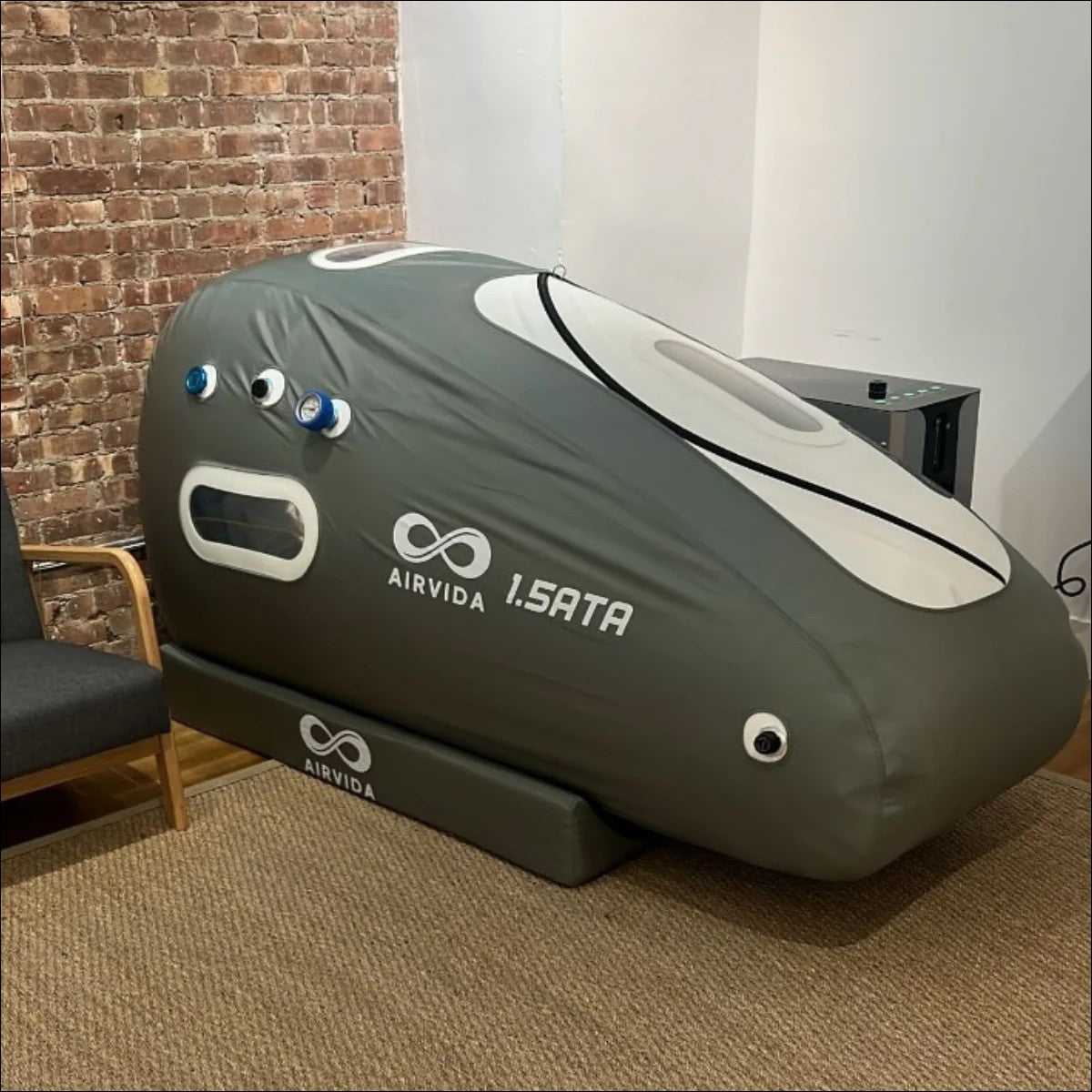
If you are exploring home recovery options, soft hyperbaric chambers offer a lower-cost entry point with meaningful convenience benefits. For those seeking clinical-grade pressure, facilities can provide the pressure ranges supported by the strongest evidence. Clinics treating multiple patients simultaneously, such as sports medicine facilities or orthopedic practices, often invest in multiplace hyperbaric chambers that can treat several athletes at once under medical supervision.
The choice depends on your budget, access to clinical supervision, and the severity of your condition. Mild cases may respond adequately to a soft chamber protocol. Chronic or severe fasciitis, especially cases that have not responded to injections or physical therapy, typically benefits from higher-pressure hard shell sessions.
How to Structure an HBOT Protocol for Heel Pain
Session frequency and duration matter as much as chamber type. A poorly structured protocol delivers suboptimal results even with the right equipment. Here is what a typical evidence-informed approach looks like:
Phase 1: Loading Phase (Sessions 1 to 10)
-
Five sessions per week at 90 minutes each
-
Pressure: 2.0 ATA
-
Goal: Initiate angiogenesis and begin reducing fascia thickness
Phase 2: Maintenance Phase (Sessions 11 to 30)
-
Three sessions per week
-
Pressure: 2.0 to 2.4 ATA
-
Goal: Support collagen remodeling and consolidate pain reduction
Phase 3: Taper (Sessions 31 to 40, if needed)
-
One to two sessions per week
-
Goal: Reinforce long-term tissue integrity
Most clinical programs run between 20 and 40 total sessions. You should start noticing reduced morning stiffness and improved walking tolerance by sessions 10 to 15. Full benefit typically manifests over 6 to 8 weeks of consistent treatment.
For patients with concurrent orthopedic conditions, heel pain often accompanies Achilles tendinopathy, stress fractures, or post-surgical recovery, and a unified approach can address multiple injury types simultaneously.
Things to Know

-
HBOT does not replace biomechanical correction. If your footwear, gait, or training volume caused the injury, therapy alone will not prevent recurrence.
-
Insurance rarely covers HBOT for plantar fasciitis. Expect to pay $150 to $400 per session out of pocket at most U.S. clinics.
-
Contraindications include untreated pneumothorax, certain ear conditions, and some medications that increase oxygen sensitivity. Always consult your physician before starting.
-
Sessions at 2.0 ATA require a physician prescription at most licensed hyperbaric facilities in the United States.
-
Combining HBOT with platelet-rich plasma (PRP) injections is an emerging protocol showing strong early results for chronic cases.
-
The "no pain, no gain" logic does not apply here. HBOT is passive. You breathe, relax, and let oxygen do the work.
Hyperbaric Chambers You May Want to Shop
Explore More


HBOT vs. Other Advanced Treatments for Plantar Fasciitis
Plantar fasciitis patients who reach the advanced treatment stage have several options. Here is how HBOT compares:
|
Treatment |
Mechanism |
Sessions Needed |
Invasiveness |
Avg. Cost (U.S.) |
|
HBOT |
Oxygen-driven tissue repair |
20 to 40 |
Non-invasive |
$3,000 to $10,000 |
|
PRP Injection |
Growth factor stimulation |
1 to 3 |
Minimally invasive |
$500 to $2,000 |
|
Shockwave Therapy |
Mechanical tissue disruption |
3 to 6 |
Minimally invasive |
$1,000 to $3,000 |
|
Cortisone Injection |
Acute inflammation suppression |
1 to 3 |
Minimally invasive |
$200 to $600 |
|
Surgery |
Fascia release |
1 |
Surgical |
$5,000 to $15,000 |
HBOT's primary advantage is its non-invasive nature combined with systemic tissue repair. It does not just suppress inflammation temporarily like cortisone. It promotes actual tissue regeneration. The trade-off is cost and time commitment. Shockwave therapy is faster and cheaper, making it a common first-line advanced option. Many sports medicine physicians now recommend sequencing these treatments: shockwave first, then HBOT if results are incomplete.
Ready to Take the Next Step in Your Heel Pain Recovery?

Book a consultation with a board-certified podiatrist or sports medicine physician this week and ask specifically about HBOT as part of your plantar fasciitis treatment plan. Bring a summary of what you have already tried, including duration and results, so the conversation starts where it needs to. If you are also considering a home chamber setup, request a pressure recommendation based on your injury severity before purchasing any equipment.
Frequently Asked Questions
How many HBOT sessions does it take to see results for plantar fasciitis?
Most patients notice measurable improvement in morning heel pain between sessions 10 and 15.
Clinical protocols typically run 20 to 40 total sessions. The initial loading phase builds oxygen saturation in tissue over the first two weeks, and visible benefits accumulate from there. Stopping too early is one of the most common reasons for incomplete results.
Can I use a mild hyperbaric chamber at home for plantar fasciitis?
Mild soft chambers operating at 1.3 to 1.5 ATA can provide some benefit, though they fall below the pressure range associated with the strongest evidence.
For mild or early-stage plantar fasciitis, a home soft chamber may be sufficient. For chronic cases or injuries lasting longer than 6 months, a clinical hard shell chamber at 2.0 ATA or above is the more effective option. Discuss options with your physician before purchasing.
Is HBOT covered by insurance for plantar fasciitis in the U.S.?
HBOT for plantar fasciitis is almost universally considered off-label and is not covered by most private insurance plans or Medicare for this specific condition.
Some patients successfully use HSA or FSA funds to offset costs. Others negotiate package pricing with clinics. Out-of-pocket costs typically range from $150 to $400 per session depending on location and facility type.
What are the side effects of HBOT for foot injuries?
HBOT is generally very safe, with the most common side effects being ear pressure and temporary vision changes, both of which resolve after treatment ends.
Serious complications are rare when sessions are conducted at a licensed facility under medical supervision. Contraindications include untreated collapsed lung, uncontrolled fever, and specific medications. A pre-treatment medical screening identifies most risk factors before the first session.
Should I continue physical therapy while doing HBOT for plantar fasciitis?
Yes, combining HBOT with physical therapy produces better outcomes than either treatment alone.
HBOT repairs tissue at the cellular level while physical therapy corrects the mechanical loading patterns that caused the injury. Running them simultaneously means you are rebuilding tissue and addressing its root cause at the same time, which significantly reduces the risk of recurrence.
The Bottom Line on HBOT for Plantar Fasciitis
HBOT for plantar fasciitis can be a well-reasoned, evidence-supported option for people who have not seen meaningful progress with standard conservative care. It supports the body by addressing oxygen delivery to poorly vascularized tissue, rather than only focusing on temporary pain relief.
The results are often strongest when HBOT is part of a structured recovery plan that includes biomechanical correction, proper medical guidance, and the appropriate chamber pressure for your injury severity. At Airvida Chambers, we pride ourselves on offering the highest quality hyperbaric chambers on the market, backed by only working with the most reliable partners in the industry. We ship worldwide, making advanced hyperbaric chamber technology more accessible for individuals, clinics, and wellness providers ready to support better recovery outcomes.