



A hyperbaric chamber for Crohn's disease may help support tissue healing, reduce inflammation, and improve recovery in certain patients. While it is not a cure, hyperbaric oxygen therapy (HBOT) is being explored as a complementary treatment for Crohn's-related complications.
Crohn's disease is a chronic inflammatory bowel condition that can affect any part of the digestive tract. Symptoms often include abdominal pain, diarrhea, fatigue, weight loss, and recurring flare-ups that impact daily life. As more patients seek supportive therapies beyond conventional medications, interest in hyperbaric oxygen therapy continues to grow.
In this guide, you'll learn how HBOT works, why some Crohn's patients are considering it, what current research suggests, and whether it may be a suitable addition to your treatment plan.
Understanding Crohn's Disease and Its Challenges

Crohn's disease occurs when the immune system triggers ongoing inflammation within the gastrointestinal tract. The severity varies from person to person, making treatment highly individualized.
Some common challenges associated with Crohn's include:
✅ Persistent inflammation
✅ Painful flare-ups
✅ Intestinal ulcers
✅ Fistulas and abscesses
✅ Nutritional deficiencies
✅ Reduced quality of life
While medications such as corticosteroids, immunomodulators, and biologics remain standard treatments, some patients continue experiencing symptoms despite medical management. This has led researchers to investigate additional supportive therapies, including HBOT.
Hyperbaric Collections You May Want to Shop

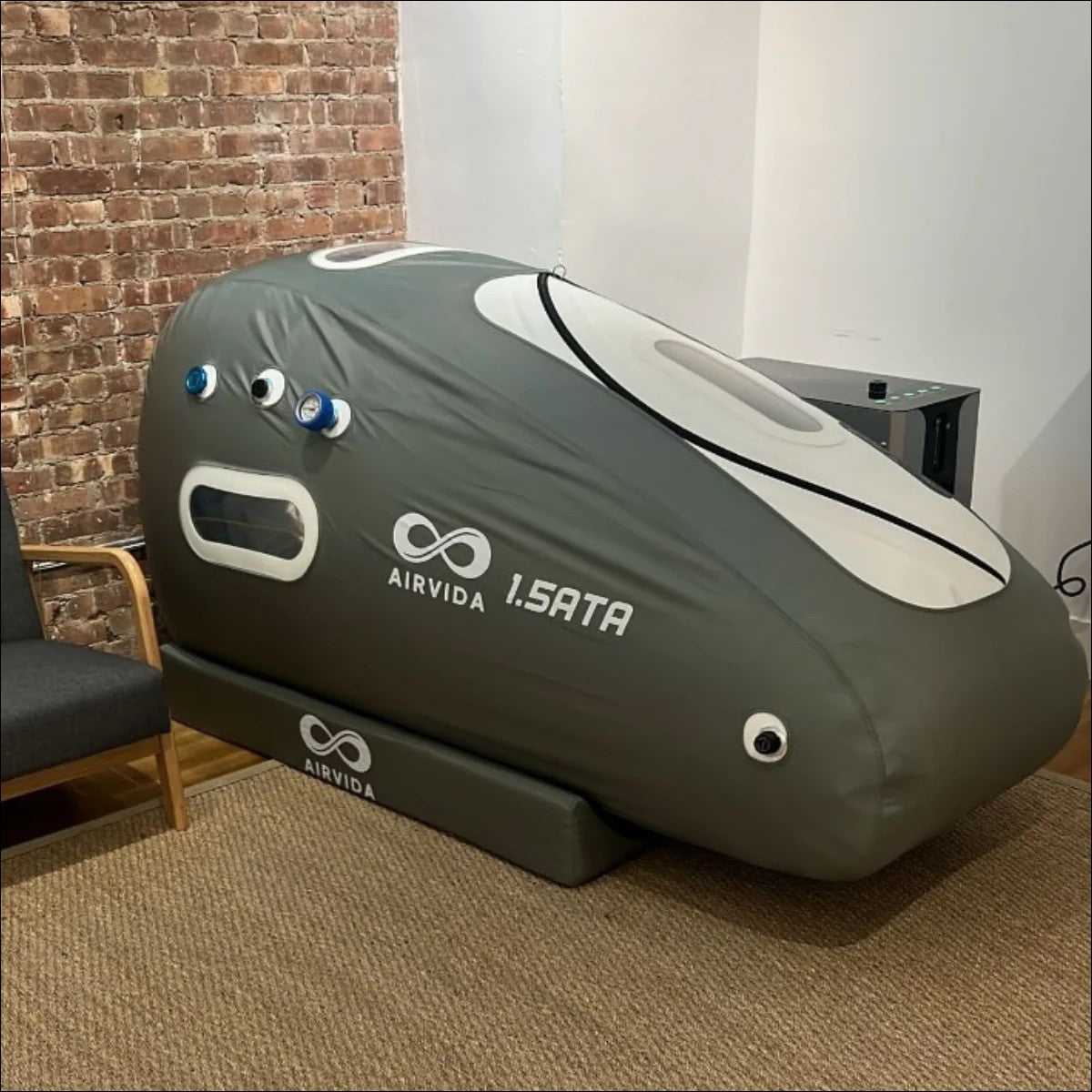
What Is Hyperbaric Oxygen Therapy?
Hyperbaric oxygen therapy involves breathing concentrated oxygen inside a pressurized chamber. The increased atmospheric pressure allows the body to absorb significantly more oxygen than normal.
This additional oxygen is transported through the bloodstream and delivered to tissues throughout the body.
The therapy has traditionally been used for:
|
Condition |
Common Purpose |
|
Wound healing |
Tissue repair |
|
Radiation injury |
Recovery support |
|
Carbon monoxide poisoning |
Emergency treatment |
|
Chronic infections |
Enhanced healing |
|
Certain inflammatory conditions |
Supportive therapy |
The primary goal is to increase oxygen availability in areas where circulation, healing, or recovery may be compromised.
Patients interested in exploring treatment options can learn more about available chambers through our Hyperbaric Oxygen Bessemer AL Collection.
How HBOT May Help Crohn's Disease
Researchers believe that hyperbaric oxygen therapy may benefit Crohn's disease through several mechanisms.
Increased Oxygen Delivery to Damaged Tissue
Inflamed intestinal tissues often experience reduced oxygen levels due to swelling and impaired blood flow.
HBOT increases oxygen saturation throughout the body, potentially helping damaged tissues receive the oxygen needed for repair and recovery.
Reduction of Inflammatory Activity
Inflammation is one of the main drivers of Crohn's symptoms.
Some studies suggest that hyperbaric oxygen exposure may influence inflammatory pathways and reduce certain inflammatory markers. While research is ongoing, this effect could potentially support symptom management.
Support for Fistula Healing
One of the most challenging Crohn's complications involves fistulas, abnormal tunnels that form between organs or tissues. Fistulas can be difficult to treat and may require surgery. Because HBOT promotes oxygen-rich environments that support wound healing, researchers have investigated its role in helping stubborn fistulas close and recover more effectively, with supportive options like HBOT in Grand Prairie offering patients additional avenues for care.
Improved Tissue Regeneration
The body's healing process depends heavily on oxygen.
HBOT may encourage:
-
New blood vessel formation
-
Enhanced collagen production
-
Improved cellular repair
-
Faster tissue regeneration
These effects may contribute to recovery in certain Crohn's-related complications.
What Current Research Says About HBOT and Crohn's Disease
Research into hyperbaric chamber for Crohn's disease applications remains promising but continues to evolve.
Several studies have reported positive outcomes among patients with severe Crohn's complications, particularly those involving:
✅ Perianal fistulas
✅ Chronic wounds
✅ Persistent inflammation
✅ Treatment-resistant symptoms
Researchers have observed improvements in some patients who had limited success with traditional therapies alone.
However, it's important to understand that HBOT is generally considered a complementary therapy rather than a replacement for conventional medical treatment.
Current Evidence Overview
|
Research Area |
Findings |
|
Perianal Crohn's disease |
Encouraging results in some patients |
|
Fistula healing |
Potential improvement observed |
|
Inflammatory response |
May reduce inflammatory activity |
|
Symptom management |
Some patients report benefits |
|
Long-term remission |
More research needed |
Because Crohn's disease varies significantly among individuals, outcomes may differ from person to person.
Who May Consider HBOT for Crohn's Disease?

Hyperbaric oxygen therapy may be discussed with healthcare providers in cases where patients experience:
-
Difficult-to-heal fistulas
-
Persistent inflammation
-
Ongoing symptoms despite medication
-
Surgical wound healing challenges
-
Complications requiring additional recovery support
The best candidates are typically identified through consultation with gastroenterologists and hyperbaric medicine specialists. A personalized evaluation helps determine whether HBOT may fit into a broader treatment strategy, with resources such as does HBOT affect diabetes or blood sugar offering patients additional insights into its broader health impact.
What Happens During a Hyperbaric Oxygen Session?
Many patients are curious about what treatment involves.
A typical session includes:
Step 1: Chamber Entry
The patient enters a hyperbaric chamber and becomes comfortably seated or reclined.
Step 2: Pressurization
The chamber gradually increases pressure to a predetermined level.
Patients may notice a sensation similar to changes experienced during airplane travel.
Step 3: Oxygen Breathing
Pure oxygen is delivered while the patient relaxes inside the chamber.
Many individuals spend the time:
-
Reading
-
Listening to music
-
Resting
-
Watching entertainment content
Step 4: Decompression
Pressure gradually returns to normal before exiting the chamber.
Sessions commonly last between 60 and 120 minutes depending on the treatment plan.
Hyperbaric Chambers You May Want to Shop
Explore More


Potential Benefits Beyond Crohn's Disease
One reason HBOT continues attracting attention is its broad range of potential wellness applications.
Researchers have explored HBOT's role in supporting:
✅ Recovery and healing
✅ Neurological health
✅ Athletic recovery
✅ Circulation support
✅ Chronic wound management
For additional insights, you may find these resources helpful: Can HBOT Treat Neurological Condition?
These discussions provide a broader understanding of how hyperbaric oxygen therapy is being investigated across multiple health conditions.
Risks and Considerations Before Trying HBOT

Although hyperbaric oxygen therapy is generally considered safe when administered by trained professionals, every medical treatment carries potential risks.
Some possible side effects include:
-
Ear pressure or discomfort
-
Sinus pressure
-
Temporary vision changes
-
Fatigue after treatment
-
Rare oxygen toxicity complications
Patients with certain medical conditions may require additional screening before treatment.
A qualified healthcare provider should always evaluate suitability based on individual health history.
Important Considerations
✔ Continue prescribed Crohn's treatments unless advised otherwise.
✔ Discuss HBOT with your gastroenterologist.
✔ Seek treatment from experienced providers.
✔ Understand that results vary among individuals.
Practical Tips for Crohn's Patients Exploring HBOT
If you're considering HBOT as part of your wellness strategy, these practical steps can help:
Work Closely With Your Medical Team
Crohn's disease management often requires coordination between specialists. Keeping all healthcare providers informed helps ensure safe and effective care.
Track Symptoms Consistently
Recording symptoms before, during, and after treatment may help identify patterns and potential improvements.
Maintain Lifestyle Foundations
HBOT works best as part of a comprehensive approach that may include:
-
Nutrition management
-
Stress reduction
-
Medication adherence
-
Exercise when appropriate
-
Adequate sleep
Set Realistic Expectations
While some patients report meaningful improvements, HBOT should not be viewed as a guaranteed solution or cure.
Instead, it may serve as one supportive component within a broader Crohn's management plan.
Final Thoughts on Hyperbaric Chamber for Crohn's Disease

A hyperbaric chamber for Crohn's disease represents an emerging area of interest for patients seeking additional support beyond conventional therapies. By increasing oxygen delivery, supporting tissue repair, and potentially reducing inflammatory activity, HBOT may offer benefits for certain Crohn's-related complications.
Although research continues to develop, current evidence suggests the therapy may be especially valuable for difficult-to-heal fistulas and treatment-resistant cases. The most effective approach remains working closely with qualified healthcare providers to determine whether a hyperbaric chamber for Crohn's disease aligns with your individual treatment goals.
As interest in integrative care continues growing, the role of a hyperbaric chamber for Crohn's disease will likely remain an important topic for both researchers and patients seeking new pathways toward improved quality of life.
Frequently Asked Questions
How to self treat Crohn's disease?
The most effective self-management approach for Crohn's disease is supporting overall digestive health while following your doctor's treatment plan. This often includes eating foods that are well tolerated, staying hydrated, managing stress levels, getting adequate rest, and avoiding known triggers such as smoking or certain foods. While lifestyle changes can help reduce symptom severity and support daily comfort, they should not replace prescribed medications or professional medical care. Regular communication with your healthcare provider remains essential for long-term disease management.
How long can you stay in a hyperbaric chamber?
Most hyperbaric oxygen therapy sessions last between 60 and 120 minutes. The exact duration depends on the condition being treated, the pressure level used, and the treatment protocol recommended by your provider. Some patients may undergo multiple sessions over several weeks. Medical supervision ensures treatments remain safe and effective while minimizing the risk of side effects associated with prolonged oxygen exposure.
Can a Crohn's flare go away without medication?
Some mild Crohn's flare-ups may improve temporarily with rest, dietary adjustments, and supportive care, but many require medical treatment. Crohn's disease involves chronic inflammation that can worsen without proper management. Even when symptoms seem to improve on their own, underlying inflammation may still be active. Consulting a healthcare professional during a flare helps prevent complications and ensures the most appropriate treatment approach is used.
What are the risks of hyperbaric chamber therapy?
Hyperbaric oxygen therapy is generally safe when performed under professional supervision, but certain risks can occur. Common side effects include temporary ear pressure, sinus discomfort, fatigue, or mild vision changes. Rare complications may include oxygen toxicity or lung pressure injuries. Before beginning treatment, healthcare providers evaluate each patient's medical history to determine whether HBOT is appropriate and to minimize potential risks.