


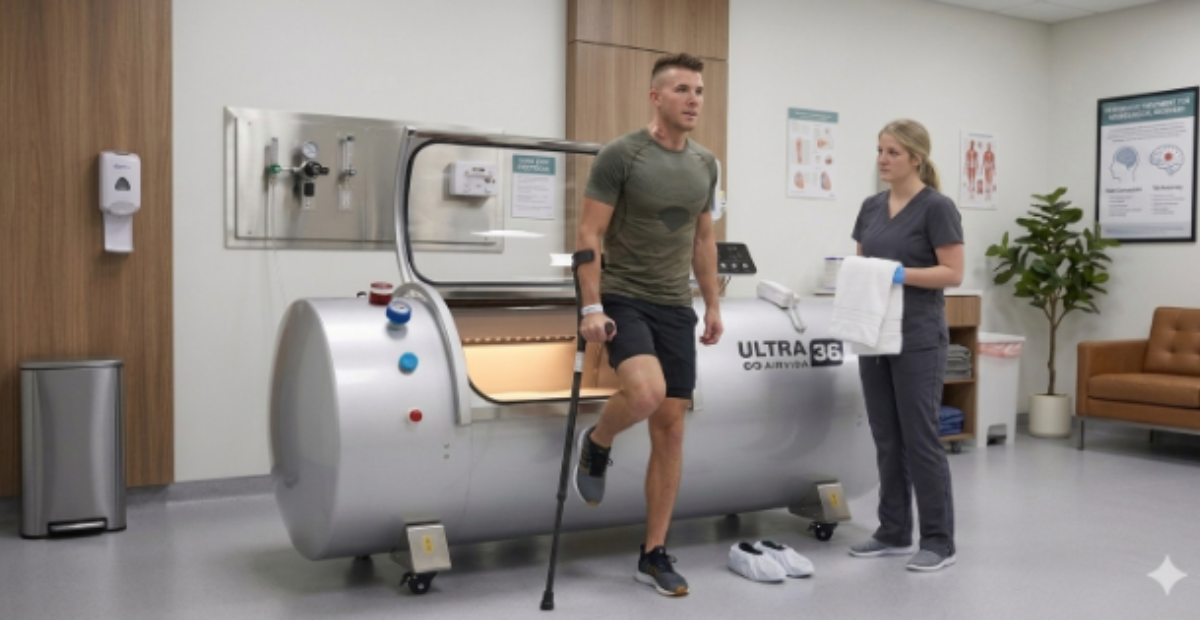
Can HBOT treat neurological condition symptoms? In many cases, hyperbaric oxygen therapy may help improve oxygen delivery to the brain and support nerve healing. While HBOT is not considered a guaranteed cure, growing research suggests it may assist with recovery, cognitive function, and inflammation management in certain neurological disorders.
People exploring alternative or supportive therapies often turn to HBOT because of its potential to improve cellular repair and circulation. From traumatic brain injuries to stroke recovery and long COVID-related neurological symptoms, HBOT continues to gain attention in modern wellness and rehabilitation settings. Read on to discover how HBOT works, which neurological conditions it may support, and what to expect before starting treatment.
What Is HBOT and How Does It Work?
Hyperbaric oxygen therapy, often called HBOT, involves breathing pure oxygen inside a pressurized chamber. The increased pressure allows your lungs to absorb significantly more oxygen than normal breathing conditions.
This oxygen-rich environment may help support tissue repair, reduce inflammation, and encourage blood vessel growth in damaged areas of the body, including the brain and nervous system.
Unlike medications that target a single symptom, HBOT focuses on improving oxygen delivery at the cellular level. This is especially important because many neurological conditions involve reduced blood flow, inflammation, or damaged nerve tissue.
How Increased Oxygen Supports the Brain
The brain requires a constant oxygen supply to function properly. When oxygen delivery becomes impaired because of injury, inflammation, or disease, neurological symptoms can appear.
HBOT may help by:
-
Increasing oxygen availability in brain tissue
-
Supporting neuroplasticity and cellular repair
-
Reducing swelling and inflammation
-
Encouraging circulation and blood vessel formation
-
Assisting recovery after neurological trauma
Researchers continue to study HBOT for a wide range of neurological applications because oxygen plays such a critical role in nervous system health.
Can HBOT Treat Neurological Condition Symptoms?

Many people ask whether HBOT can truly improve neurological disorders. The answer depends on the condition, severity, and overall treatment plan.
HBOT is not a one-size-fits-all solution, but studies and patient reports suggest it may provide supportive benefits for several neurological conditions.
Conditions Commonly Explored With HBOT
|
Neurological Condition |
Potential HBOT Benefits |
|
Traumatic Brain Injury (TBI) |
May support brain oxygenation and cognitive recovery |
|
Stroke Recovery |
Could improve circulation and tissue healing |
|
Multiple Sclerosis (MS) |
May help reduce inflammation and fatigue |
|
Long COVID Neurological Symptoms |
Could support brain fog and oxygen delivery |
|
Peripheral Neuropathy |
May assist nerve repair and circulation |
|
Cerebral Palsy |
Some studies suggest improved motor function |
One reason HBOT receives attention in neurological care is because oxygen can help activate healing responses throughout the body. While results vary from person to person, some patients report improvements in focus, energy, memory, and symptom management.
If you are exploring supportive oxygen-based therapies, you can learn more about available options through our hyperbaric chamber Iowa City collection,
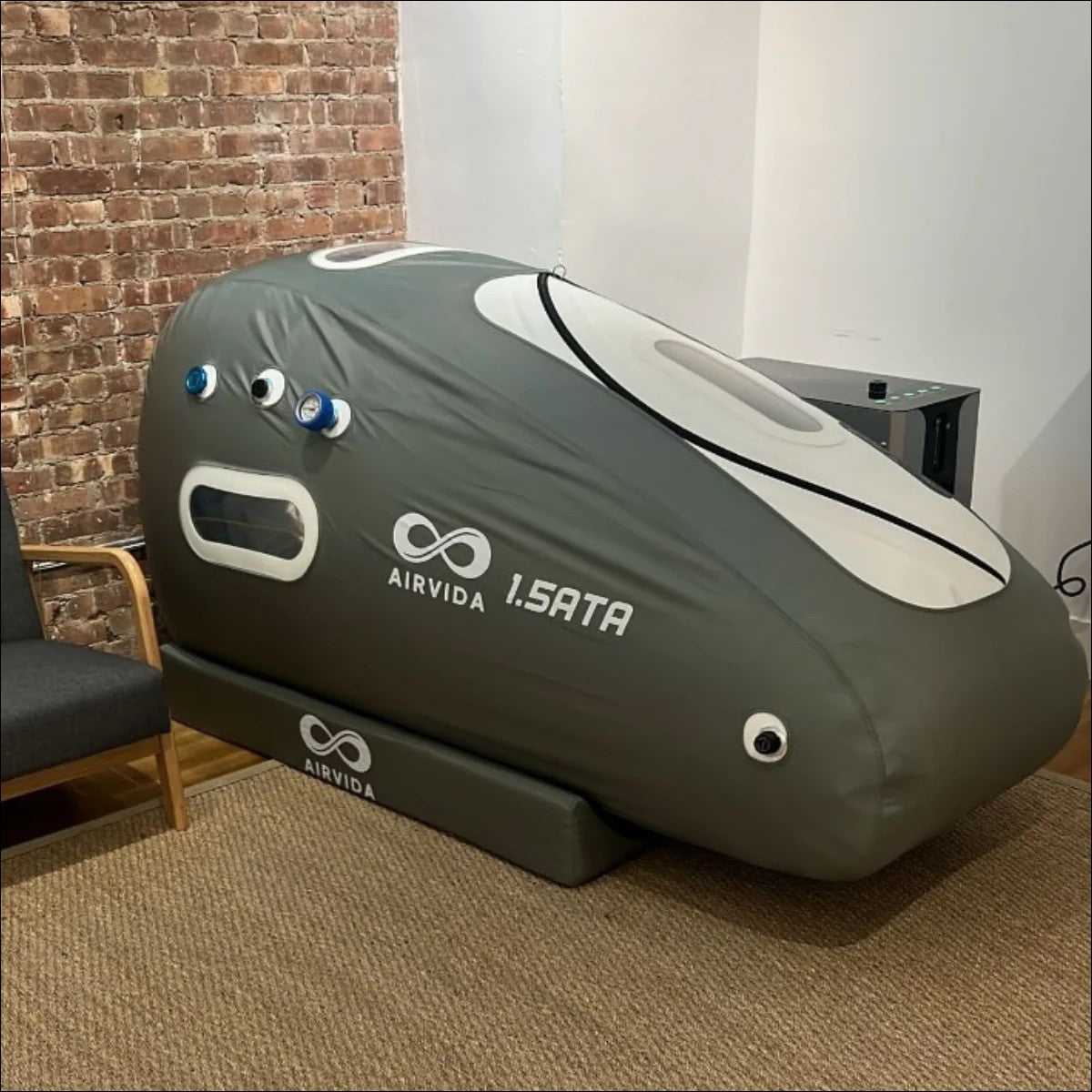
Hyperbaric Collections You May Want to Shop

Why Neurological Conditions Respond Differently to HBOT
Neurological conditions are complex because they affect the brain, spinal cord, or nerves differently depending on the diagnosis.
For example:
-
A stroke involves interrupted blood flow
-
Neuropathy involves damaged nerves
-
Brain injuries may involve inflammation and reduced oxygen use
-
Neurodegenerative diseases can involve ongoing cellular damage
Because of these differences, HBOT outcomes vary widely. Some individuals notice gradual improvements after multiple sessions, while others may experience only mild symptom relief.
Factors That Affect Results
-
Severity of the condition
-
How early treatment begins
-
Frequency of HBOT sessions
-
Overall health and circulation
-
Combination with physical or neurological therapy
HBOT is often most effective when included as part of a broader rehabilitation strategy rather than used alone.
What Research Says About HBOT and Neurological Recovery
Research surrounding HBOT and neurological health continues to grow. Several studies suggest increased oxygen exposure may support brain metabolism and reduce inflammation after injury.
Areas With Ongoing Clinical Interest
|
Research Area |
Current Findings |
|
Brain Injury Recovery |
Some evidence of improved cognitive function |
|
Stroke Rehabilitation |
Possible support for motor recovery |
|
PTSD and Cognitive Symptoms |
Emerging research on symptom improvement |
|
Long COVID Brain Fog |
Early studies exploring oxygen therapy benefits |
|
Autism and Developmental Conditions |
Mixed findings requiring more research |
Although some results appear promising, medical experts still emphasize that HBOT is considered supportive therapy in many neurological applications.
This is why working with experienced providers and understanding realistic expectations is important before beginning treatment.
HBOT and Long COVID Neurological Symptoms

One of the fastest-growing areas of HBOT interest involves long COVID neurological complications.
Many long COVID patients experience:
-
Brain fog
-
Memory issues
-
Fatigue
-
Headaches
-
Dizziness
-
Difficulty concentrating
Researchers believe oxygen disruption and inflammation may contribute to these symptoms. HBOT is being studied as a possible supportive therapy because it may improve oxygen delivery and reduce inflammatory responses.
You can also explore our related guide discussing hyperbaric chamber for long COVID.
Is HBOT Safe for Neurological Therapy?
HBOT is generally considered safe when supervised by trained professionals. However, treatment suitability depends on your medical history and overall condition.
Common Side Effects
Most side effects are mild and temporary:
-
Ear pressure or popping
-
Mild fatigue after sessions
-
Temporary vision changes
-
Sinus discomfort
Rare complications can occur if treatment protocols are not followed properly.
That is why chamber quality and safety standards matter significantly.
You can learn more about chamber manufacturing and certification through our guide on the ASME PVHO-1 hyperbaric chamber standard.
Hyperbaric Chambers You May Want to Shop
Explore More


How Many HBOT Sessions Are Usually Needed?
Neurological recovery often requires multiple HBOT sessions because nerve healing and brain recovery happen gradually.
Typical Session Ranges
|
Goal |
Estimated Sessions |
|
Mild wellness support |
10–20 sessions |
|
Brain injury recovery |
40+ sessions |
|
Stroke rehabilitation |
20–60 sessions |
|
Long COVID support |
20–40 sessions |
|
Chronic neurological symptoms |
Varies greatly |
Treatment plans are usually personalized depending on symptoms and response to therapy.
Some people notice changes within several sessions, while others may require consistent therapy over weeks or months.
Choosing the Right Hyperbaric Chamber

Not all hyperbaric chambers are designed the same way. Chamber safety, pressure capability, oxygen delivery, and comfort all affect the treatment experience.
What to Look For in a Chamber
-
Certified manufacturing standards
-
Comfortable interior size
-
Reliable oxygen delivery systems
-
Transparent safety documentation
-
Provider support and guidance
People searching for advanced oxygen therapy options may also explore our hyperbaric oxygen chamber in Morgantown WV collection.
Lifestyle Habits That May Support Neurological Recovery
HBOT may work best when paired with healthy lifestyle habits that support brain and nerve health.
Helpful Recovery Habits
-
Staying physically active
-
Prioritizing sleep quality
-
Eating anti-inflammatory foods
-
Staying hydrated
-
Participating in physical or cognitive therapy
-
Managing stress levels
Because neurological healing can take time, consistency is often one of the most important factors in recovery progress.
Final Thoughts on Can HBOT Treat Neurological Condition Symptoms

So, can HBOT treat neurological condition symptoms? For some individuals, hyperbaric oxygen therapy may provide meaningful support for brain recovery, nerve repair, and cognitive function. While it is not considered a universal cure, ongoing research continues to explore its role in neurological rehabilitation and wellness.
The most important step is understanding that results vary depending on the condition, severity, and overall treatment approach. Working with qualified professionals and using properly certified chambers can help improve both safety and treatment outcomes. As interest in oxygen-based therapies grows, HBOT continues to stand out as a promising option for people looking to support neurological healing naturally and non-invasively.
Frequently Asked Questions
How to help neurological disorders?
Supporting neurological disorders often requires a combination of medical care, rehabilitation, healthy lifestyle habits, and therapies that improve circulation and brain function. Many people benefit from physical therapy, cognitive exercises, proper nutrition, quality sleep, and stress management. Some also explore supportive treatments like HBOT because oxygen plays a major role in brain and nerve health. The best approach depends on the specific neurological condition and individual health needs.
How does HBOT affect vision?
HBOT may temporarily affect vision in some individuals, usually causing mild short-term nearsightedness during treatment cycles. These changes often improve after therapy ends. In some cases, HBOT is also being studied for eye conditions linked to oxygen deprivation or poor circulation. Patients should always discuss eye health history with their provider before beginning treatment, especially if they have pre-existing vision conditions.
Can HBOT heal nerve damage?
HBOT may help support nerve healing by increasing oxygen delivery to damaged tissues and reducing inflammation. Some studies suggest improved circulation and cellular repair may assist recovery in certain nerve-related conditions. However, the degree of healing depends on the severity of the damage, how long the injury has existed, and the overall treatment plan. HBOT is generally viewed as supportive therapy rather than a guaranteed cure for nerve damage.
How long does it take for hyperbaric oxygen therapy to work?
The timeline for HBOT results varies depending on the condition being treated and the individual’s response to therapy. Some people notice improvements within a few sessions, especially with energy levels or mental clarity. More complex neurological conditions often require 20 to 40 sessions or longer before noticeable progress occurs. Consistency and following a structured treatment plan are important for achieving the best possible results.