


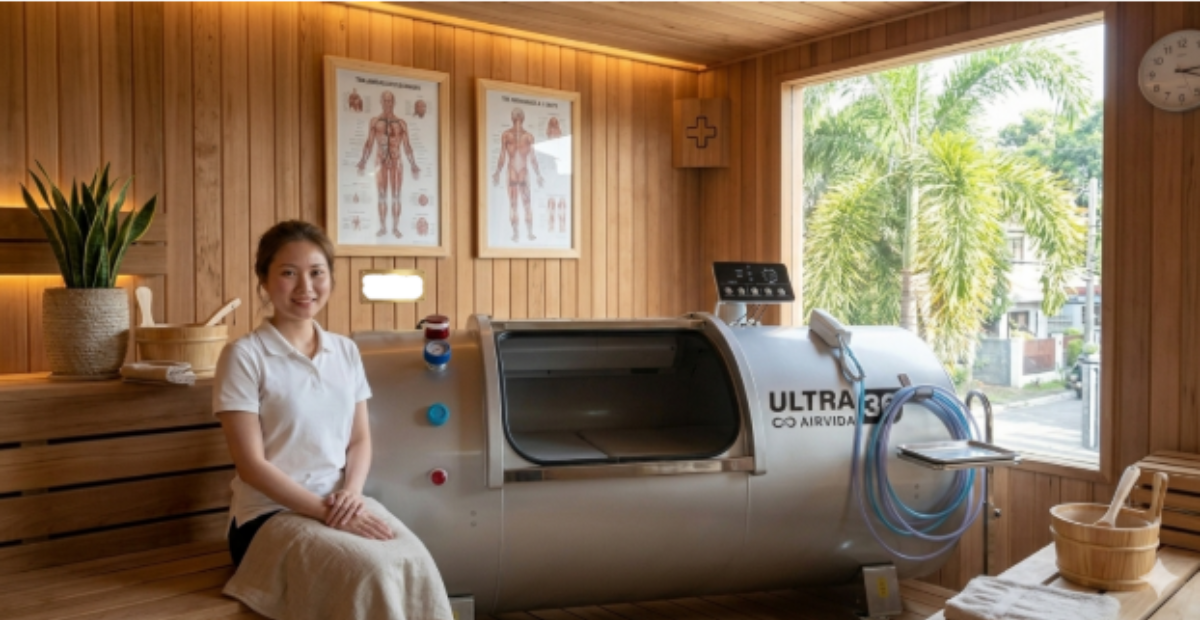
HBOT vs sauna is a common comparison among people looking to improve recovery, reduce inflammation, and support overall wellness. While both therapies can help the body recover and function better, they work in completely different ways and offer unique benefits depending on your health goals.
If you're deciding between hyperbaric oxygen therapy and sauna therapy, understanding how each works can help you choose the option that best matches your needs. Read on to discover the key differences, benefits, and situations where one may be a better fit than the other.
Understanding HBOT and Sauna Therapy

Although both therapies are associated with recovery and wellness, their mechanisms are very different. One focuses on oxygen delivery, while the other relies on heat exposure.
What Is Hyperbaric Oxygen Therapy?
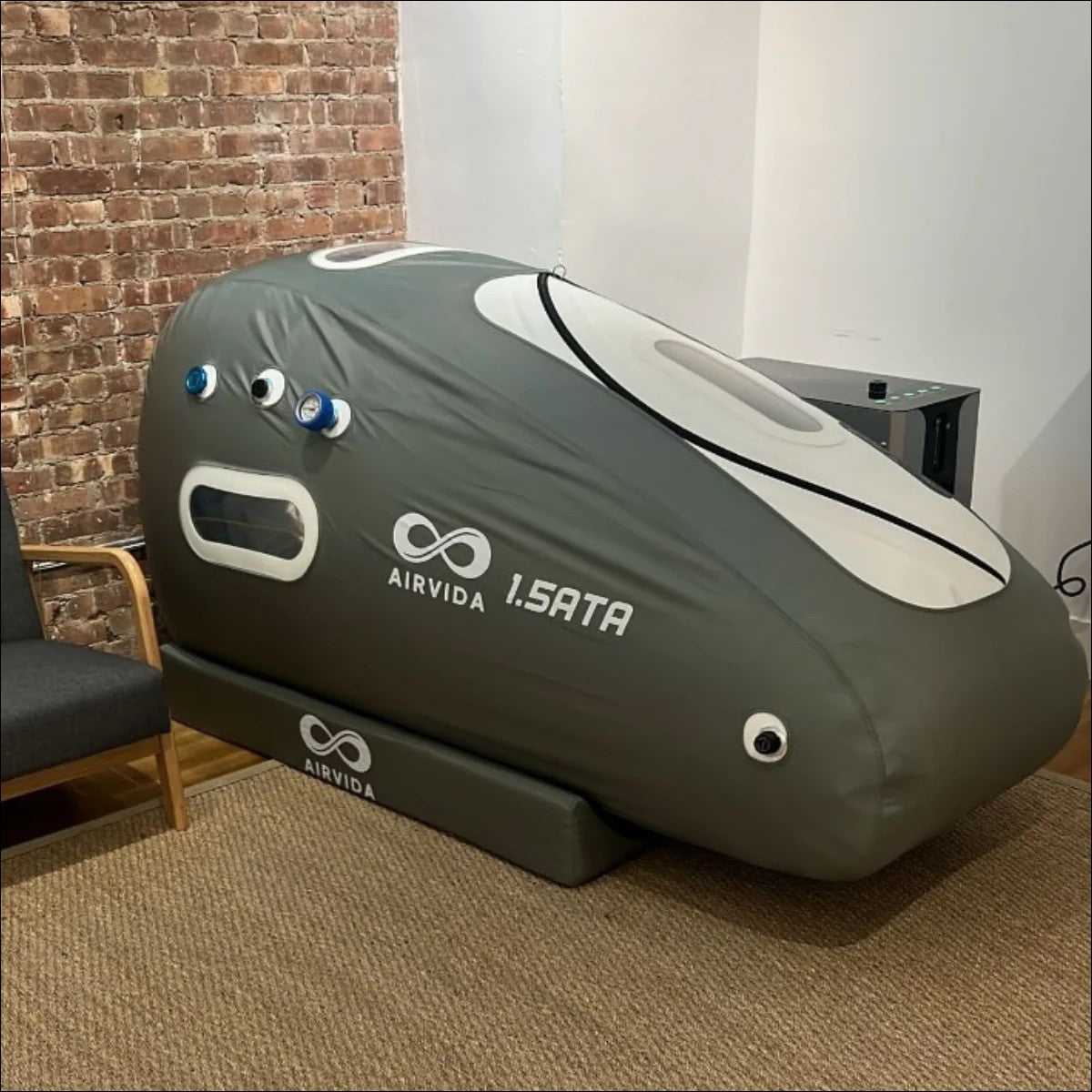
Hyperbaric oxygen therapy (HBOT) involves breathing concentrated oxygen inside a pressurized chamber. The increased atmospheric pressure allows oxygen to dissolve more efficiently into the bloodstream, tissues, and cells.
This enhanced oxygen delivery may support:
✅ Tissue repair and recovery
✅ Reduced inflammation
✅ Improved circulation
✅ Enhanced cellular energy production
✅ Support for chronic wellness concerns
HBOT has been used in both medical and wellness settings for years and continues to gain attention among athletes, biohackers, and individuals seeking natural recovery solutions.
Explore our collection of hyperbaric chambers in Bessemer, Alabama.
What Is Sauna Therapy?
Sauna therapy exposes the body to elevated temperatures, causing sweating and temporary increases in heart rate and circulation.
Common sauna types include:
|
Sauna Type |
Heat Source |
Typical Temperature |
|
Traditional Sauna |
Heated rocks |
150°F to 195°F |
|
Infrared Sauna |
Infrared light |
120°F to 150°F |
|
Steam Sauna |
Moist heat |
110°F to 120°F |
The heat stimulates the body's natural cooling response and can promote relaxation after physical activity or stressful days.
Many people use saunas to support:
✔ Relaxation
✔ Temporary muscle relief
✔ Improved circulation
✔ Stress management
✔ Sweating and detox support
Hyperbaric Collections You May Want to Shop

How HBOT and Sauna Affect the Body
The biggest distinction between the two therapies lies in how they influence physiological processes.
Oxygen Delivery vs Heat Exposure
HBOT directly increases oxygen availability throughout the body. Since oxygen plays a critical role in cellular repair, metabolism, and energy production, improved oxygen delivery may help support healing processes.
Saunas work by increasing body temperature. The resulting heat stress encourages blood vessel dilation, sweating, and cardiovascular responses that can temporarily mimic light exercise.
|
Factor |
HBOT |
Sauna |
|
Primary Mechanism |
Oxygen saturation |
Heat exposure |
|
Tissue Oxygenation |
High |
Minimal |
|
Sweating |
None |
Significant |
|
Cellular Repair Support |
Strong |
Indirect |
|
Relaxation Benefits |
Moderate |
Strong |
|
Heat Tolerance Required |
No |
Yes |
Effects on Recovery
Recovery is often one of the primary reasons people explore either therapy.
HBOT focuses on delivering oxygen to areas that may need additional support. Since oxygen is essential for repair and regeneration, many users report improved recovery after consistent sessions.
Saunas, on the other hand, promote increased circulation and relaxation. The heat may help muscles feel looser after exercise and provide temporary relief from physical tension.
For individuals focused on tissue repair, oxygen support may offer advantages that heat alone cannot provide.
Which Therapy Is Better for Inflammation?
Inflammation is linked to many wellness concerns, from exercise recovery to chronic health conditions.
HBOT and sauna therapy may both influence inflammation, but through different pathways.
How HBOT Supports Inflammatory Balance
Oxygen is required for proper cellular function and repair. When tissues receive adequate oxygen, recovery processes may operate more efficiently.
Research has explored HBOT's ability to support:
✅ Cellular repair mechanisms
✅ Circulatory function
✅ Tissue regeneration
✅ Recovery after physical stress
Many wellness practitioners view oxygen optimization as a foundational component of long-term recovery.
How Sauna Influences Inflammation
Heat exposure triggers a temporary stress response. Over time, repeated sauna use may encourage the production of heat shock proteins that help cells respond to stress.
Potential sauna-related benefits include:
✔ Improved circulation
✔ Relaxation of muscles
✔ Temporary reduction in stiffness
✔ Stress relief
However, heat exposure may not be appropriate for everyone, particularly individuals who are sensitive to high temperatures. In contrast, therapies like hyperbaric oxygen therapy effects on diabetes highlight how controlled oxygen environments can support healing without relying on heat, offering alternative pathways for patient care.
HBOT vs Sauna for Energy and Performance

Many people seek therapies that improve energy levels, mental clarity, and physical performance.
HBOT and Cellular Energy
Oxygen is a critical ingredient in ATP production, which fuels nearly every cellular process in the body.
When oxygen availability improves, cells may operate more efficiently. Users often report improvements in:
✅ Mental focus
✅ Energy levels
✅ Exercise recovery
✅ Overall vitality
This is one reason athletes frequently incorporate hyperbaric oxygen therapy into their recovery routines.
Sauna and Cardiovascular Conditioning
Sauna sessions temporarily increase heart rate and blood flow. Some people enjoy the sensation of increased circulation and relaxation following a session.
Potential performance-related benefits may include:
✔ Temporary cardiovascular stimulation
✔ Relaxation after training
✔ Reduced perceived muscle soreness
While these effects can support recovery, they do not directly increase oxygen availability to tissues.
Looking for advanced hyperbaric oxygen solutions in New Jersey? Check out Hyperbaric Oxygen Therapy in Paramus.
Safety Considerations
Both therapies are generally well tolerated when used appropriately, but each comes with specific considerations.
HBOT Safety
HBOT sessions are conducted in controlled environments using pressurized chambers.
Individuals should consult healthcare professionals before beginning therapy, particularly if they have:
-
Certain lung conditions
-
Untreated ear issues
-
Recent surgeries
-
Specific medical concerns
When administered properly, HBOT is considered a safe and established therapy.
Sauna Safety
Saunas expose the body to significant heat, which may not be suitable for everyone.
Extra caution is recommended for individuals with:
-
Heat sensitivity
-
Cardiovascular conditions
-
Dehydration concerns
-
Blood pressure issues
Hydration is particularly important before and after sauna use.
Hyperbaric Chambers You May Want to Shop
Explore More


Which Option Fits Different Wellness Goals?
Choosing between the two often comes down to your primary objective.
If Your Goal Is Relaxation
Saunas have long been associated with relaxation. The warmth can create a calming environment that many people find enjoyable.
Heat exposure may help ease physical tension and promote a sense of well-being after a stressful day.
If Your Goal Is Recovery and Oxygen Optimization
For individuals seeking enhanced oxygen delivery and support for tissue recovery, hyperbaric oxygen therapy offers a unique approach.
Because HBOT directly targets oxygen availability throughout the body, it addresses a fundamental aspect of healing and cellular performance.
If Your Goal Is Long-Term Wellness
Some individuals use both therapies as part of a broader wellness strategy.
For example:
|
Wellness Goal |
Potential Preference |
|
Relaxation |
Sauna |
|
Stress Reduction |
Sauna |
|
Oxygen Support |
HBOT |
|
Recovery Enhancement |
HBOT |
|
Tissue Repair Support |
HBOT |
|
Post-Exercise Recovery |
HBOT or Combination |
|
General Wellness |
Combination Approach |
The best choice depends on your individual needs, health status, and desired outcomes.
Can HBOT and Sauna Be Used Together?
Many wellness enthusiasts choose not to view these therapies as competitors but as complementary tools.
A balanced approach may include:
✅ Sauna sessions for relaxation and circulation support
✅ HBOT sessions for oxygen delivery and recovery
✅ Proper hydration and nutrition
✅ Consistent exercise and sleep habits
Using both therapies strategically may allow individuals to experience benefits from each without relying on only one method.
Why Many People Choose HBOT Over Sauna

When comparing HBOT vs sauna, one of the most significant differences is that HBOT addresses oxygen delivery directly.
Every organ, tissue, and cell relies on oxygen to function efficiently. While heat can encourage circulation and relaxation, oxygen remains essential for repair and energy production.
For people focused on:
✔ Recovery
✔ Cellular health
✔ Physical performance
✔ Long-term wellness support
HBOT often provides benefits that heat-based therapies alone cannot replicate.
Learn more about oxygen therapy and digestive health: Hyperbaric Oxygen Therapy for Leaky Gut.
Key Takeaways on HBOT vs Sauna

Choosing between HBOT vs sauna ultimately depends on your goals. Sauna therapy can be an excellent option for relaxation, stress reduction, and temporary circulation support. Hyperbaric oxygen therapy focuses on delivering oxygen where the body needs it most, helping support recovery, tissue repair, and overall cellular performance.
For individuals seeking a wellness solution that directly enhances oxygen availability and recovery processes, HBOT often stands out as the more comprehensive option. Understanding how each therapy works allows you to make an informed decision that aligns with your long-term health objectives.
Frequently Asked Questions
Is sauna good for high cortisol?
Sauna may help promote relaxation and temporarily reduce feelings of stress, which can indirectly support healthy cortisol regulation. Many people find that regular sauna sessions help them unwind after demanding days, improving overall stress management. However, individual responses vary. Some people may experience a temporary increase in stress hormones immediately after heat exposure before levels normalize. If cortisol concerns are significant, it is best to work with a healthcare professional while considering therapies that address recovery, sleep quality, and overall wellness.
Is HBOT 100% oxygen?
HBOT often involves breathing oxygen at concentrations close to or equal to 100% inside a pressurized chamber, depending on the treatment protocol. The key difference is that the chamber's increased pressure allows oxygen to dissolve more efficiently into the bloodstream and tissues than normal breathing. This enhanced oxygen delivery is what makes hyperbaric oxygen therapy unique. Specific oxygen concentrations and chamber settings may vary depending on the facility and intended application.
Does sauna help Hashimoto's?
Sauna use may help some individuals with Hashimoto's by promoting relaxation, circulation, and stress reduction, but it is not a treatment for the condition itself. Since Hashimoto's is an autoimmune thyroid disorder, managing it typically requires a comprehensive approach that includes medical care, nutrition, sleep, and lifestyle factors. Some individuals with thyroid conditions enjoy sauna therapy, while others may find heat uncomfortable. Personal tolerance and medical guidance should always be considered.
What is better than a sauna?
What is "better" depends on the goal, but many people choose HBOT when they want deeper recovery support, oxygen optimization, and enhanced cellular function. Sauna therapy primarily works through heat exposure and relaxation, while hyperbaric oxygen therapy focuses on increasing oxygen availability throughout the body. For individuals prioritizing tissue repair, recovery, and oxygen delivery, HBOT may provide advantages that sauna therapy cannot offer alone. Many wellness programs successfully combine both approaches for complementary benefits.