


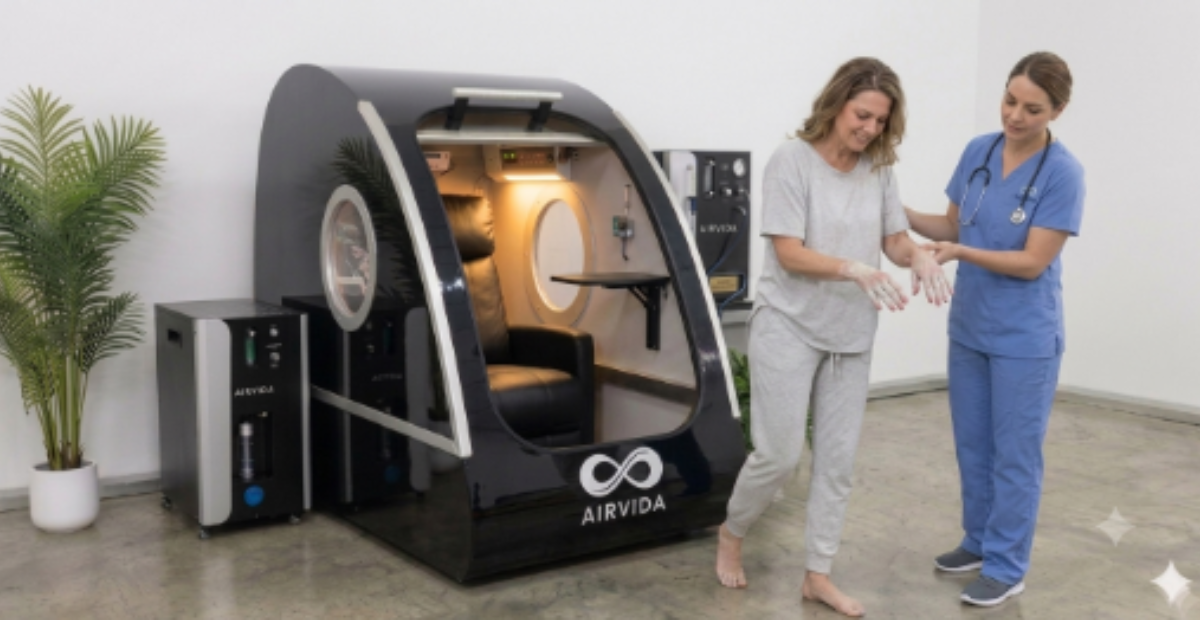
If you have Raynaud's syndrome, you already know the drill: cold air, stress, or even reaching into the freezer triggers a cascade: fingers blanch white, turn blue, then flush red as circulation stutters back. Standard treatments manage the episodes, but they rarely address the underlying vascular dysfunction. Hyperbaric oxygen therapy (HBOT) is gaining attention as an adjunct intervention that targets exactly that oxygen-deprived tissue and compromised microcirculation.
Key Takeaways
-
Raynaud's syndrome causes episodic vasospasms that restrict blood flow to the extremities, starving tissue of oxygen.
-
HBOT floods the bloodstream with dissolved oxygen, reaching tissues even when microvascular flow is limited.
-
Clinical evidence and case reports suggest HBOT reduces vasospasm frequency, promotes tissue healing, and may improve endothelial function.
-
Soft-shell home chambers (1.3 ATA) offer accessible maintenance support; hard-shell clinical chambers (2.0–2.4 ATA) deliver higher therapeutic doses.
-
HBOT works best as part of a multi-modal protocol alongside lifestyle modifications and physician-guided care.
What Is a Hyperbaric Chamber for Raynaud's Syndrome?
Raynaud's syndrome (also called Raynaud's phenomenon or Raynaud's disease) is a condition in which the small blood vessels of the fingers, toes, ears, or nose overreact to cold or emotional stress. The vessels spasm, dramatically cutting blood supply to the extremities. In severe or secondary cases, particularly those linked to autoimmune conditions like scleroderma or lupus, repeated ischemic episodes can cause digital ulcers, tissue necrosis, and chronic pain.
A hyperbaric chamber is a pressurized enclosure in which patients breathe concentrated oxygen at atmospheric pressures above sea level. At 2.0–2.4 atmospheres absolute (ATA), the amount of oxygen dissolved in plasma increases up to 20-fold compared to normal breathing. That means oxygen can reach ischemic tissue through plasma alone, bypassing the need for red blood cells to deliver it through constricted vessels.
For Raynaud's patients, this mechanism is directly relevant: when vasospasm shuts down normal delivery, dissolved oxygen in plasma can still perfuse compromised microcirculation. The therapy also promotes angiogenesis (new vessel formation), reduces oxidative inflammation, and has been shown to improve endothelial nitric oxide production, the same molecule that signals blood vessels to relax and dilate.
Why HBOT for Raynaud's Is Getting More Attention Right Now

Raynaud's affects an estimated 5–10% of the general population, and secondary Raynaud's, the more damaging form tied to connective tissue diseases, remains difficult to treat with conventional pharmaceuticals alone. Calcium channel blockers like nifedipine reduce episode frequency but carry side effects (headache, hypotension), and they do nothing to repair damaged microvascular tissue.
At the same time, hyperbaric oxygen research has accelerated significantly over the past decade. Studies on HBOT for peripheral vascular disease, diabetic wounds, and chronic ischemia have documented repeatable improvements in tissue oxygenation and microvascular function. Given that Raynaud's is fundamentally a microvascular perfusion disorder, clinicians have begun applying those findings to this population.
Interest has also grown because patients are seeking it. People living with secondary Raynaud's who may face fingertip ulcers, severe pain, and limited function are often motivated to explore every evidence-adjacent option, especially ones with a low side-effect profile.
What HBOT Does to the Vascular System: The Mechanisms That Matter
Hyperoxygenation of Ischemic Tissue
Under normobaric (normal pressure) conditions, oxygen is mostly carried by hemoglobin. When vessels spasm and blood flow drops, so does oxygen delivery. At 2.4 ATA with 100% oxygen, plasma carries enough dissolved O₂ to sustain tissue metabolism independently of red blood cell transport. Case reports in patients with critical limb ischemia and Raynaud 's-related digital ulcers document measurable tissue oxygen levels rising within sessions.
Endothelial and Nitric Oxide Effects
The vascular endothelium, the inner lining of blood vessels, is both the target and the regulator in Raynaud's. Repeated ischemia-reperfusion cycles damage endothelial cells, impairing their ability to produce nitric oxide (NO), the molecule that signals smooth muscle to relax. HBOT has been shown in multiple studies to upregulate endothelial nitric oxide synthase (eNOS), effectively restoring some of the endothelium's capacity to self-regulate vascular tone. This is one reason researchers hypothesize that a course of HBOT may produce effects that outlast the treatment itself.
Angiogenesis and Stem Cell Mobilization
A 2005 study published in the American Journal of Physiology found that 20 sessions of HBOT doubled circulating CD34+ stem cells progenitor cells involved in vascular repair compared to baseline. Subsequent research has confirmed that HBOT promotes VEGF (vascular endothelial growth factor) production, which drives the formation of new capillary networks in ischemic tissue. For Raynaud's patients with established microvascular damage, this regenerative pathway is clinically significant.
Anti-Inflammatory Action
Chronic inflammation plays a documented role in secondary Raynaud's, particularly in scleroderma-associated disease. HBOT has demonstrated dose-dependent anti-inflammatory effects through modulation of NF-κB pathways and reduction of pro-inflammatory cytokines. Reduced systemic inflammation translates, in practice, to lower baseline vessel reactivity and fewer triggered episodes in some patients.
Soft-Shell vs. Hard-Shell Chambers: Which Is Right for Raynaud's?

Not all hyperbaric chambers deliver the same therapeutic dose. Understanding the distinction matters before you invest time or money.
Hard-Shell Hyperbaric Chambers (2.0–2.4 ATA)
Clinical-grade monoplace and multiplace chambers operate at 2.0–2.4 ATA with 100% medical-grade oxygen. This pressure range is where the documented vascular and tissue-repair mechanisms operate most effectively. If you're pursuing HBOT for secondary Raynaud's with digital ulcers, active ischemia, or significant tissue compromise, a hard-shell hyperbaric chamber at a clinical facility is the appropriate starting point. These sessions are supervised, typically 60–90 minutes, and typically run in courses of 20–40 sessions.
Soft-Shell Portable Chambers (1.3 ATA)
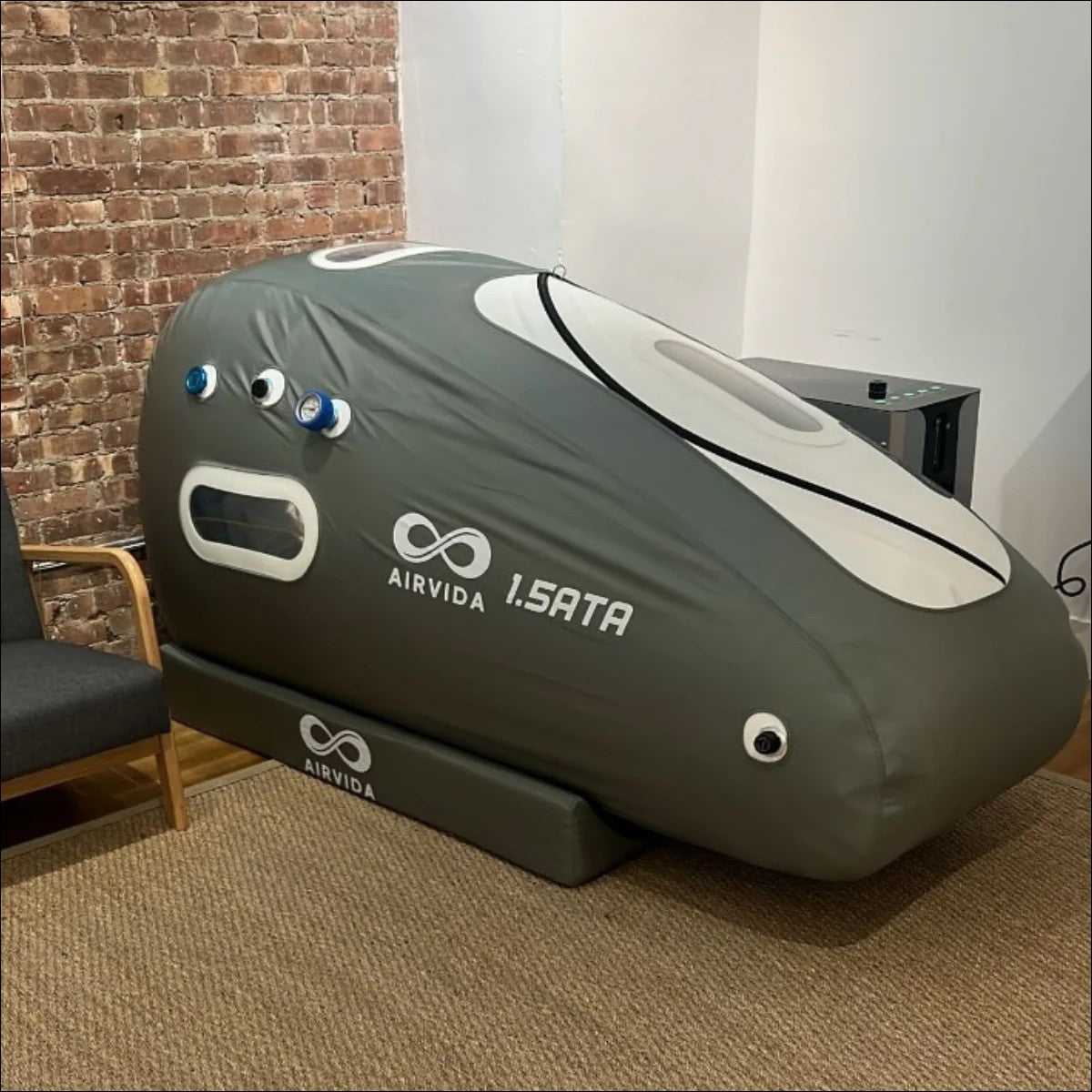
Soft hyperbaric chambers pressurize to 1.3 ATA using ambient air or supplemental oxygen. While this pressure is below the threshold for most FDA-cleared indications, many patients with Raynaud's and other circulatory conditions use them as a maintenance or adjunct tool, particularly for symptom management between clinical sessions, general wellness support, and mild anti-inflammatory benefits. The convenience of home access and significantly lower per-session cost make them an attractive complement to a clinical protocol.
The practical framework most clinicians suggest: complete an initial course in a clinical hard-shell chamber to achieve the angiogenic and endothelial effects, then maintain with home soft-shell sessions to sustain circulation benefits over time.
Hyperbaric Collections You May Want to Shop

HBOT and Related Conditions That Often Accompany Raynaud's
Raynaud's rarely arrives alone. Secondary Raynaud's, in particular, coexists with a cluster of conditions for which HBOT has its own research base.
Peripheral artery disease (PAD): Many patients with secondary Raynaud's develop broader peripheral vascular compromise. The physiological overlap with PAD is significant, and HBOT for peripheral artery disease shares much of the same mechanistic rationale promoting collateral vessel growth, reducing ischemic damage, and improving limb perfusion.
Autoimmune gastrointestinal involvement: Scleroderma-associated Raynaud's often comes with gut involvement. Research on hyperbaric oxygen therapy for Crohn's disease demonstrates HBOT's broader anti-inflammatory and mucosal healing effects across immune-mediated conditions, relevant context for patients managing systemic autoimmune disease.
Peripheral neuropathy: Nerve involvement in the hands and feet can mimic and compound Raynaud's symptoms. HBOT's documented effects on nerve conduction and oxygenation of neural tissue are directly relevant here.
Cognitive and fatigue symptoms: Systemic Raynaud's patients frequently report brain fog and fatigue, particularly in autoimmune-driven cases. The mechanisms HBOT targets, reduced inflammation, improved mitochondrial function, and enhanced cerebral oxygenation, are the same ones studied in HBOT for cognitive function.
Common Mistakes and Misconceptions About HBOT for Raynaud's

Assuming any pressurized environment will do. Portable chambers at 1.3 ATA are useful tools, but they should not be marketed or purchased expecting the same outcomes as clinical 2.4 ATA sessions. If you need vascular repair and angiogenesis, pressure matters.
Expecting results after one or two sessions. HBOT works cumulatively. The angiogenic and endothelial effects that benefit Raynaud's patients emerge after sustained protocols, typically 20–40 sessions in research settings. One session may produce temporary symptom relief, but it will not remodel the vasculature.
Treating it as a standalone cure. HBOT does not eliminate the autoimmune trigger in secondary Raynaud's, nor does it replace disease-modifying drugs in scleroderma or lupus. It is most effective as an adjunct that improves the tissue environment while underlying disease management continues.
Confusing it with sauna therapy. Both improve circulation, but through fundamentally different mechanisms. The comparison between HBOT and sauna makes clear that hyperbaric therapy delivers dissolved oxygen under pressure, something no amount of heat exposure replicates.
Ignoring contraindications. Patients with untreated pneumothorax, certain chemotherapy agents, or severe claustrophobia need physician evaluation before starting. HBOT is low-risk but not risk-free; supervision matters.
Practical Framework: How to Pursue HBOT for Raynaud's

-
Get a formal diagnosis and severity assessment. Primary vs. secondary Raynaud's have different trajectories and different stakes. A rheumatologist's evaluation is the foundation before adding any adjunct therapy.
-
Discuss HBOT with your physician. Frame it as an adjunct, not a replacement. Bring any relevant studies. Most integrative medicine physicians and some rheumatologists are familiar with HBOT's vascular research.
-
Locate a clinical hyperbaric facility. For active digital ulcers, ischemic episodes, or moderate-to-severe disease, start with a clinical center capable of 2.0–2.4 ATA. AirVida operates hyperbaric oxygen therapy in Wichita, KS, and hyperbaric chambers in Tacoma, among other locations.
-
Commit to a course. Plan for a minimum of 20 sessions before assessing response. Track episode frequency, duration, and severity using a simple daily log.
-
Consider a home soft-shell chamber for maintenance. Once your clinical course is complete, a portable chamber provides convenient, cost-effective ongoing support for circulation and inflammation.
-
Layer complementary interventions. Cold avoidance, stress management, heated gloves, and pharmaceutical management work synergistically with HBOT, not in competition with it.
-
Hyperbaric Chambers You May Want to Shop
Explore More


FAQ: Hyperbaric Chamber for Raynaud's Syndrome
What's the best treatment for Raynaud's syndrome?
The most effective approach for Raynaud's syndrome combines lifestyle modifications, cold avoidance, stress reduction, regular exercise, and pharmacological options like calcium channel blockers (nifedipine, amlodipine) for moderate-to-severe cases. For secondary Raynaud's with digital ulcers or tissue damage, prostacyclin infusions and endothelin receptor antagonists are used in specialist settings. Hyperbaric oxygen therapy is increasingly used as an adjunct in cases where vascular repair and tissue oxygenation are the primary goals, particularly when conventional treatments provide incomplete relief. No single treatment eliminates Raynaud's, but multi-modal protocols that include HBOT have shown meaningful improvements in episode frequency and tissue health in clinical reports.
Is hyperbaric oxygen good for peripheral neuropathy?
Yes, HBOT has a documented benefit profile for peripheral neuropathy, particularly in cases with an ischemic or inflammatory component. The therapy improves oxygen delivery to hypoxic nerve tissue, reduces neuroinflammation, and has been shown in diabetic neuropathy trials to improve nerve conduction velocity and reduce symptom scores. Since peripheral neuropathy and Raynaud's often coexist, particularly in autoimmune and diabetic patients, HBOT can potentially address both through overlapping mechanisms. A physician evaluation to clarify which component is driving symptoms helps determine the appropriate pressure protocol and session count.
Is Raynaud's a lack of oxygen?
Raynaud's is fundamentally a disorder of oxygen delivery rather than oxygen production. The syndrome involves episodic vasospasms that severely restrict blood flow to the extremities; during an attack, the affected tissue does indeed become hypoxic, which is what causes the white (ischemic), then blue (deoxygenated), then red (hyperemic reperfusion) color sequence. Over time, repeated ischemia-reperfusion cycles in secondary Raynaud's cause endothelial damage and, in severe cases, tissue necrosis. HBOT addresses this by dissolving oxygen directly into plasma, allowing it to reach tissue even when vascular transport is compromised, making the therapeutic rationale a direct match for the underlying pathophysiology.
Can a hyperbaric chamber help with circulation in the legs?
Yes. HBOT improves circulation in the legs through several mechanisms: it promotes angiogenesis (new capillary formation), upregulates nitric oxide production in vascular endothelium (causing vasodilation), reduces ischemia-driven inflammation, and delivers dissolved oxygen to tissue with poor perfusion. These effects have been studied extensively in peripheral artery disease, diabetic lower-extremity ulcers, and chronic limb ischemia. For Raynaud's patients who experience symptoms in the toes and feet, which is common, these same mechanisms are directly relevant. A typical clinical protocol for lower extremity circulation issues runs 30–40 sessions at 2.0–2.4 ATA, with measurable improvements in transcutaneous oxygen measurements (TcPO₂) used to track response.
Conclusion: HBOT as a Serious Option for Raynaud's Patients
Hyperbaric oxygen therapy for Raynaud's syndrome is not a fringe idea; it's a mechanistically coherent intervention targeting the exact physiological failures that make this condition so disruptive: microvascular ischemia, endothelial dysfunction, and impaired tissue oxygenation. The research base continues to grow, case reports of meaningful improvement are documented in the literature, and the therapy's safety profile makes it a reasonable consideration for patients who want more than symptom suppression.
If you're living with Raynaud's, especially secondary Raynaud's with tissue involvement, a conversation with a hyperbaric medicine specialist is a reasonable next step. Whether you pursue a clinical course, explore a home chamber for maintenance, or both, the decision deserves to be informed by what the science actually says.
Ready to explore hyperbaric oxygen therapy for circulation and vascular health? AirVida Chambers offers both clinical-grade hard-shell chambers and home-use soft-shell options. Browse our soft hyperbaric chambers or find a clinical location near you to get started.