


Key Takeaways
-
Most people who worry about claustrophobia in a hyperbaric chamber complete their sessions without issue once they understand what to expect.
-
Soft-shell chambers feel more spacious and less confining than rigid monoplace units. The chamber type matters enormously.
-
Techniques like controlled breathing, distraction (music, audiobooks), and open communication with staff resolve the majority of anxiety cases.
-
Certain individuals, those with severe untreated anxiety disorders, active seizure conditions, or untreated COPD, may not be candidates for HBOT regardless of claustrophobia.
-
Mild discomfort during pressurization (similar to flying) is normal and temporary; it is not the same as claustrophobia.
What Is Hyperbaric Chamber Claustrophobia?
Hyperbaric chamber claustrophobia refers to the anxiety, panic, or psychological discomfort some patients experience when enclosed inside a pressurized oxygen chamber during hyperbaric oxygen therapy (HBOT). It is one of the most commonly cited fears before a first session and one of the most commonly resolved ones.
The term "claustrophobia" gets applied loosely here. For some people, it is genuine clinical claustrophobia: a diagnosable phobia of enclosed spaces that can trigger panic attacks. For others, it is simply unfamiliarity with an unusual environment, a first-session nervousness that fades after the initial pressurization. The distinction matters because the management approach is different.
A hyperbaric chamber is a sealed, pressurized enclosure where patients breathe pure oxygen at pressures 1.5 to 3 times higher than normal atmospheric pressure. Monoplace chambers (single-patient, rigid acrylic tubes) tend to trigger more anxiety than multiplace chambers, which resemble a small room and can hold several people. Soft hyperbaric chambers, flexible, inflatable units operating at milder pressure levels, have become increasingly popular partly because their more open feel reduces the enclosed-space experience for anxious patients.
Why Claustrophobia Concerns Are Understandable But Often Overstated
The mental image most patients have before their first session is inaccurate. They picture something closer to an MRI tube: loud, narrow, and isolating. The reality is typically quieter, better lit, and more manageable.
That said, the concern is not irrational. You are enclosed. The door is sealed. Pressure changes happen that you can feel in your ears, and if no one has explained that those ear sensations are normal and temporary, they can feel alarming. First-time anxiety in this setting is a reasonable response to a novel experience, not a character flaw or a sign that treatment is impossible.
The clinical reality: studies and clinical reports consistently show that the vast majority of patients, including those who arrive describing themselves as claustrophobic, complete their prescribed course of HBOT. Drop-out rates specifically due to claustrophobia are low when facilities use proper patient orientation protocols.
Are Hyperbaric Chambers Claustrophobic? An Honest Look at the Experience

This is the question every first-timer asks, and it deserves a direct answer.
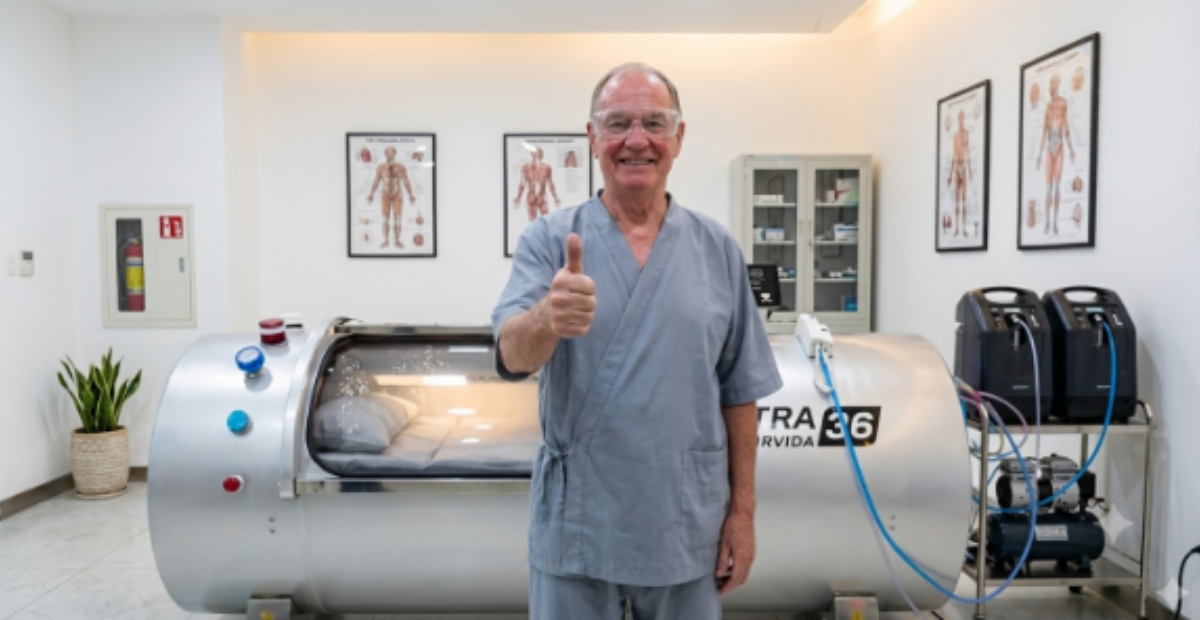
Monoplace chambers, the clear acrylic tubes used most commonly in clinical settings, are the most enclosed feeling. You lie flat, the chamber slides closed, and your physical space is limited to about the width of your body. Visibility through the acrylic is good, and staff remain visible throughout, but the physical confinement is real.
Multiplace chambers are closer to sitting in a pressurized room. Patients who wear oxygen masks or hoods can shift position and often have others nearby. Anxiety in these settings is substantially lower.
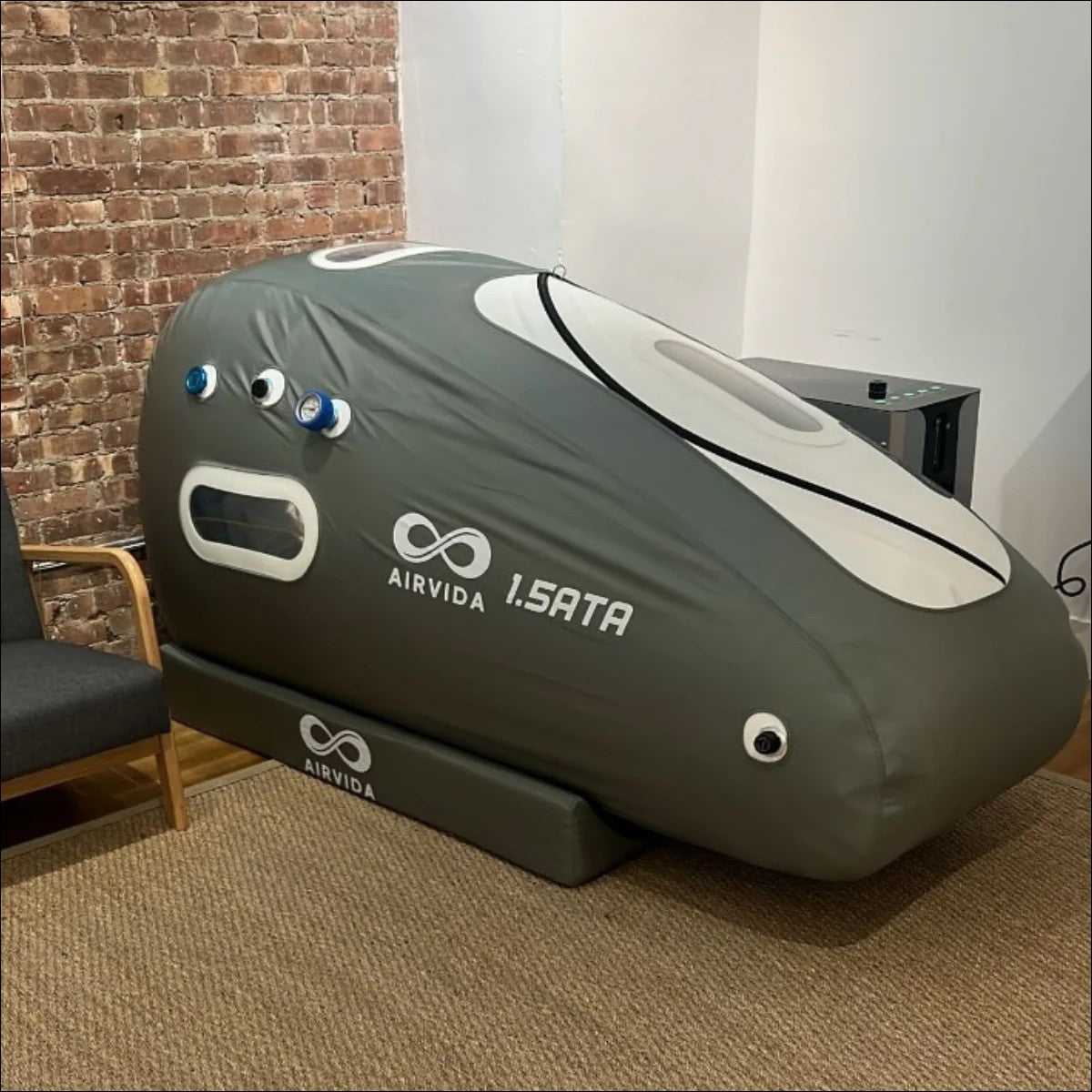
Soft-shell hyperbaric chambers used in wellness and home settings operate at lower pressures (typically 1.3 to 1.5 ATA) and use flexible fabric rather than rigid acrylic. The feel is closer to a tent than a tube, which many anxious patients find dramatically easier to tolerate. If you are exploring soft hyperbaric chambers as an option, the more open design is one of their genuine practical advantages.
What you will feel during a typical session:
-
Ear pressure changes during the first 10–15 minutes of pressurization, similar to ascending or descending on a plane. Swallowing or yawning relieves this
-
Warmth initially, followed by a slight chill as pressure stabilizes
-
Quiet, these are not MRI machines; the ambient sound is a low hum
-
In most clinical monoplace units, the acrylic is fully transparent, and staff maintain visual contact throughout
The ear pressure is the single most common source of unexpected distress. Patients who mistake normal ear equalization for something dangerous become unnecessarily anxious. A proper pre-session briefing eliminates most of this.
Hyperbaric Collections You May Want to Shop

Who Cannot Go in a Hyperbaric Chamber?
Claustrophobia alone is rarely an absolute barrier to HBOT. There are, however, genuine medical contraindications that make the therapy unsafe regardless of a patient's psychological comfort.
Absolute contraindications include:
-
Untreated pneumothorax (collapsed lung) pressure changes in the chamber are dangerous
-
Certain chemotherapy drugs (doxorubicin, bleomycin, cisplatin), HBOT may potentiate toxicity
-
Untreated upper respiratory infections that block ear equalization can cause barotrauma
Relative contraindications that require physician evaluation:
-
Severe chronic obstructive pulmonary disease (COPD)
-
A history of spontaneous pneumothorax
-
Active ear infections or perforated eardrums
-
Uncontrolled seizure disorders
-
Severe congestive heart failure
-
Pregnancy (used cautiously in specific emergencies only)
-
Severe untreated anxiety or panic disorder
This last point matters for claustrophobia: if anxiety is severe enough to make it impossible to safely complete a session, providers may recommend anxiolytic medication (short-term anti-anxiety medication taken before sessions), gradual desensitization, or, in rare cases, determine that HBOT is not appropriate for that individual at that time.
HBOT treats a wide range of conditions, from peripheral artery disease to macular degeneration, and the benefits in those contexts are significant enough that most providers will work hard to help anxious patients complete treatment rather than disqualifying them.
Proven Strategies for Managing Claustrophobia During HBOT

If anxiety is your main obstacle, these strategies work. They are not theoretical; they are what hyperbaric medicine nurses and technicians actually use with anxious patients every day.
Before Your Session
1. Tour the facility first. Ask to see the chamber before your first session. Sitting inside it while unpressurized, with the door open, gives your nervous system a chance to register that the space is not as threatening as imagined. Most clinics accommodate this without any pushback.
2. Ask about chamber options. If a monoplace tube feels too confining, ask whether multiplace options are available or whether a soft hyperbaric chamber would suit your treatment needs. The right equipment choice eliminates a lot of anxiety before it starts.
3. Discuss medication options with your prescribing physician. A low-dose benzodiazepine taken 30–60 minutes before sessions is a common, well-tolerated solution for patients with clinical anxiety. It does not impair your ability to follow safety instructions and can make the difference between completing treatment and not.
4. Avoid caffeine on treatment days. It amplifies physiological anxiety signals, increased heart rate, mild hyperventilation, and makes the enclosed environment feel more threatening.
During Your Session
5. Use the controlled breathing technique. Slow exhale through pursed lips (4 counts inhale, 6 counts exhale) activates the parasympathetic nervous system within about 90 seconds. Staff can coach you through this if needed.
6. Bring a distraction. Most chambers allow patients to listen to music, podcasts, or audiobooks through headphones. Sixty to ninety minutes pass quickly when you are absorbed in something. This is not a coping workaround; it is standard clinical practice.
7. Establish a hand signal with your technician. Knowing you can communicate "pause" or "stop" at any moment is psychologically powerful, even if you never use it. Loss of perceived control drives anxiety; restoring it defuses it.
8. Focus on the ear equalization process. Give yourself a task during pressurization: swallow every 30 seconds, or yawn deliberately. It keeps you active, manages the physical sensation, and gives your brain something to do other than monitor the walls.
Is a Hyperbaric Chamber Uncomfortable?

Mild discomfort during HBOT is normal, but it is important to separate three distinct experiences that often get conflated: claustrophobia, ear pressure discomfort, and general unfamiliarity.
Ear pressure discomfort is the most common complaint and has nothing to do with enclosed spaces. As the chamber pressurizes, you feel the same sensation as flying or driving up a mountain. It lasts 10–15 minutes at the start of each session. Swallowing, yawning, or using the Valsalva maneuver (pinching your nose and gently blowing) resolves it. If you have had ear infections recently, notify your provider this can intensify the sensation.
Temperature changes are mild, with a brief warmth during pressurization and a slight cooling at steady state. Neither is distressing, but both can startle a patient who was not warned.
The session itself once pressure is stable and you are breathing oxygen is quiet and generally comfortable. Many patients report that after the first few sessions, it becomes routine or even restful.
The honest answer to "is it uncomfortable" is: the first session often is, mostly because of unfamiliarity. By session three or four, most patients notice the anticipatory anxiety has dropped significantly. Treatment courses for conditions like gas gangrene or chronic wounds can run 20–40 sessions, and it is well-documented that tolerance and comfort improve markedly over the course of treatment.
Hyperbaric Chambers You May Want to Shop
Explore More


Is Hyperbaric Oxygen Good for Anxiety?
This question has an interesting answer: yes, there is emerging evidence that HBOT may actually help with anxiety, but it is not primarily used as an anxiety treatment.
HBOT's mechanism involves delivering high-concentration oxygen to tissues under pressure, which promotes healing, reduces inflammation, and, relevant here, appears to support neurological function. Research into HBOT for cognitive function has shown improvements in mood and psychological well-being in some patient populations, potentially related to increased oxygen availability in brain tissue and reduced neuroinflammation.
For patients managing anxiety disorders, this is a secondary finding, not the primary reason to seek HBOT. If anxiety is your chief concern, cognitive behavioral therapy and appropriate medication remain the evidence-based first line.
However, for patients who are anxious about the chamber itself, the act of successfully completing HBOT sessions despite initial anxiety has a genuine therapeutic effect of its own. Multiple patients in clinical settings describe the experience of mastering their claustrophobia as confidence-building, separate from whatever physical condition brought them there.
Common Mistakes and Misconceptions About Hyperbaric Claustrophobia

Misconception 1: "If I'm claustrophobic, I can't do HBOT."
False for the vast majority of people. Claustrophobia is a spectrum, and mild-to-moderate cases are routinely managed with orientation, distraction, and occasionally medication. True clinical contraindication is rare.
Misconception 2: "The chamber is like an MRI, loud, narrow, and isolating."
HBOT chambers are significantly quieter than MRI machines, usually well-lit, and in monoplace units made of clear acrylic so staff remain visible. The experience is distinct.
Misconception 3: "I can call off a session any time I want."
You can communicate distress at any time, but depressurization takes several minutes and cannot be instantaneous. This is a safety protocol, not a trapping mechanism. Understanding this in advance prevents panic if you need to stop.
Misconception 4: "Feeling my ears pop means something is going wrong."
Ear pressure is a normal, expected part of every session. It is physics, not a malfunction. Patients who understand this going in experience it as minor and manageable.
Misconception 5: "Soft chambers are less effective and only for anxious people."
Soft chambers operate at lower pressure and have a different clinical profile they are not just anxiety workarounds. They are legitimate therapeutic options for specific conditions and patients.
FAQ: Hyperbaric Chamber Claustrophobia
Are hyperbaric chambers claustrophobic?
They can feel that way initially, especially in monoplace (single-patient tube) units, but most patients adapt quickly. The chamber is transparent acrylic, well-lit, and the staff remains visible throughout the session. Facilities offering soft-shell chambers or multiplace rooms provide a noticeably less enclosed environment. With proper pre-session orientation and distraction techniques, the majority of patients who arrive worried about claustrophobia complete their full course of treatment.
Who cannot go in a hyperbaric chamber?
Absolute medical contraindications include untreated pneumothorax, certain active chemotherapy regimens (bleomycin, doxorubicin), and severe untreated COPD. Relative contraindications requiring physician evaluation include uncontrolled seizure disorders, recent ear surgery, active ear infections, and pregnancy. Claustrophobia alone is almost never an absolute disqualifier it is a barrier that can usually be managed. Any patient concerned about their eligibility should complete a medical intake evaluation with a hyperbaric-certified physician.
Is a hyperbaric chamber uncomfortable?
The most common discomfort is ear pressure during the pressurization phase, identical to what you feel on a descending airplane swallowing or yawning resolves it within seconds. Once pressure stabilizes, the session is generally quiet and comfortable. Most patients report that first-session discomfort (driven largely by unfamiliarity) drops significantly after a few sessions. Temperature changes are mild, and the breathing of pure oxygen at pressure does not feel unusual.
Is hyperbaric oxygen good for anxiety?
HBOT is not a primary treatment for anxiety disorders, but emerging research suggests it may support neurological function and reduce neuroinflammation in ways that benefit mood and cognitive wellbeing. For patients whose anxiety is specifically about being inside the chamber, the good news is that completion rates are high with proper support, and many patients report that successfully managing their chamber anxiety across a treatment course is itself a confidence-building experience.
Conclusion: Claustrophobia Shouldn't Be the Reason You Skip HBOT
The fear of hyperbaric chamber claustrophobia stops more people from accessing effective therapy than it should. The reality is that with the right facility, the right chamber type, and the right preparation, the overwhelming majority of anxious patients complete their treatment and many report that the experience was far less overwhelming than expected.
If you are in Reno, Nevada or the surrounding area, hyperbaric oxygen therapy in Reno, NV is available at AirVida Chambers with staff experienced in working with first-time and anxious patients. If you are in Texas, hyperbaric chamber treatments in Corpus Christi, TX offer the same professional, patient-centered approach.
Start with a consultation. Ask to see the chamber. Ask every question you have. The facilities worth going to will answer all of them.