


Key Takeaways
-
Hyperbaric chamber financing lets individuals and clinics spread the cost of HBOT equipment over time instead of paying $10,000–$200,000+ upfront.
-
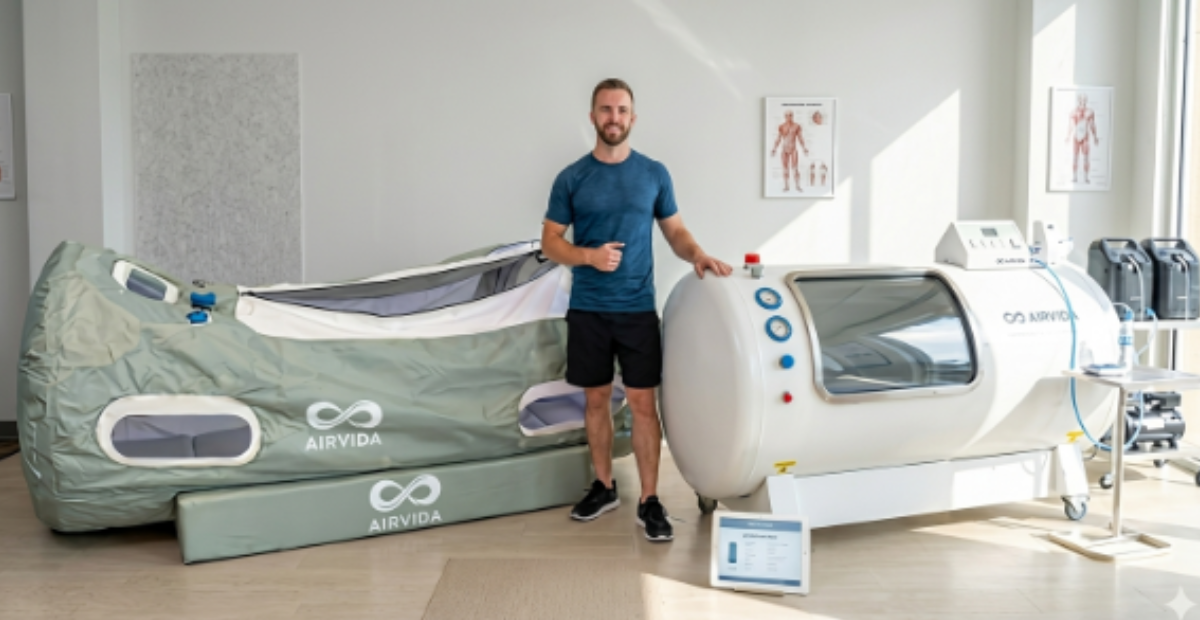
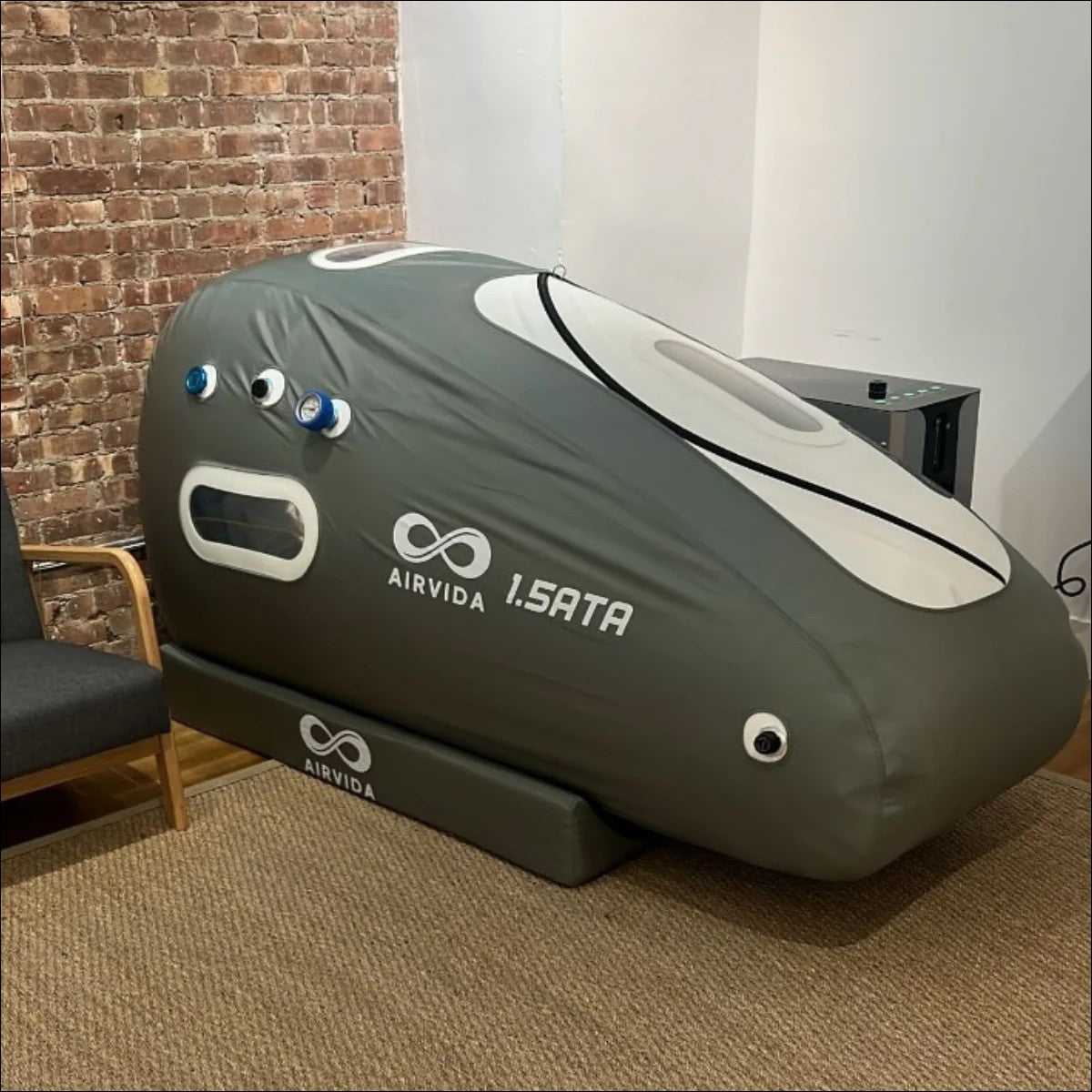
Soft-shell chambers (mild HBOT) start around $5,000–$15,000; hard-shell medical-grade chambers run $30,000–$200,000+.
-
Financing options include equipment loans, medical financing (CareCredit, Prosper), SBA loans, and manufacturer payment plans.
-
Insurance rarely covers personal chambers; most buyers pay out of pocket with financing support.
-
Leasing is a viable alternative for clinics that want to preserve cash flow and upgrade equipment regularly.
What Is Hyperbaric Chamber Financing?
Hyperbaric chamber financing refers to any loan, lease, or payment plan that lets you acquire a hyperbaric oxygen therapy (HBOT) chamber without paying the full purchase price at once. It applies to both individuals buying a unit for home use and businesses clinics, wellness centers, sports facilities investing in commercial-grade equipment.
The need for financing exists because HBOT hardware is expensive. A portable soft-shell unit runs $5,000–$15,000. A monoplace hard-shell chamber certified for clinical use ranges from $30,000 to over $100,000. Multiplace chambers used in hospital wound-care departments can exceed $200,000. These are not impulse purchases; they require planning, and for most buyers, a financing structure.
Why Financing Demand for HBOT Is Growing Right Now
The HBOT market has expanded well beyond hospital wound care. Athletes use it for recovery. Clinics offer it as a wellness service. Families with children receiving autism or brain injury protocols are exploring home units. Research linking HBOT to neurological benefit, anti-aging applications, and metabolic conditions has pushed demand into new consumer segments.
At the same time, awareness has outpaced affordability. Many people learn about HBOT, see real results documented in clinical literature, and then hit a wall when they see the price tag. Financing bridges that gap, and for clinic operators, it's often the difference between launching a service line and waiting another two years to save enough capital.
Understanding how to finance smartly means you're not overpaying in interest or locked into equipment that no longer fits your needs.
Hyperbaric Collections You May Want to Shop

Types of Hyperbaric Chamber Financing
Equipment Loans
An equipment loan is the most straightforward path. You borrow a fixed amount, use the chamber as collateral, and repay over 24–84 months. Rates vary from roughly 6% to 18%, depending on your credit profile and lender.
Banks, credit unions, and specialized equipment lenders (Balboa Capital, Crest Capital, TimePayment) all offer this product. For clinics or LLCs with established revenue, equipment loans are often available up to $500,000 with minimal documentation.
Key terms to negotiate:
-
No prepayment penalty, you want the option to pay off early.
-
Deferred first payment, some lenders offer 90 days before payments begin, giving you time to generate revenue.
-
Fixed-rate variable-rate equipment loans exist, but create unnecessary budget uncertainty.
Medical Financing (CareCredit, Prosper Healthcare Lending)
For individuals, not businesses, medical financing platforms like CareCredit and Prosper Healthcare Lending are often the fastest path to approval. These are unsecured lines of credit marketed specifically for health-related purchases.
CareCredit offers promotional 0% APR periods (typically 6–24 months) if you pay the balance in full before the period ends. Miss that window, and deferred interest kicks in retroactively, which can be costly. Prosper tends to offer longer terms (up to 60 months) at fixed rates with no deferred-interest trap.
These work best for soft-shell chambers in the $5,000–$15,000 range. For larger purchases, approval limits may be insufficient.
SBA Loans for Clinic Owners
If you're opening or expanding a hyperbaric clinic, an SBA 7(a) or SBA 504 loan can finance equipment alongside buildout costs at competitive government-backed rates. The SBA 504 specifically pairs with a Certified Development Company to fund up to 40% of the project at fixed, below-market rates.
The tradeoff is time SBA loans take 60–90 days to close, require substantial documentation, and are not the right tool for anyone who needs equipment next month. But for a clinic investing $100,000+ in a full HBOT setup, the interest savings over a 10-year term can be significant.
Manufacturer and Dealer Payment Plans
Several hyperbaric chamber manufacturers and distributors offer in-house financing or deferred-payment programs directly. These can be attractive because qualification is sometimes easier than bank financing, and terms may include deferred payments during shipping and installation.
The risk: dealer financing is not always as transparent as bank loans. Read the APR, total cost of financing, and early payoff terms carefully before signing.
Equipment Leasing
Leasing differs from a loan; you don't own the equipment at the end of the term unless you exercise a buyout option. For clinics, leasing has real advantages: lower monthly payments, potential to upgrade when the lease ends, and certain tax advantages (lease payments may be deductible as operating expenses vs. depreciation schedules for purchased equipment).
Operating leases work particularly well for commercial hard-shell units where technology evolves and the clinic benefits from periodic upgrades. For home users who want to keep their chamber long-term, a loan typically makes more financial sense.
Hyperbaric Chambers You May Want to Shop
Explore More


What Affects Your Rate and Approval
Lenders evaluate hyperbaric chamber financing applications the same way they assess any equipment or personal loan:
-
A credit score of 680+ opens most conventional options; 720+ gets the best rates. Below 620, you're likely looking at subprime equipment lenders at 20%+ APR.
-
Time in business clinics under 2 years old often face more scrutiny and may need a personal guarantee.
-
Debt-to-income ratio for personal buyers, lenders want to confirm the monthly payment is manageable against existing obligations.
-
Down payment putting 10–20% down reduces your financed amount and demonstrates commitment, which some lenders reward with better terms.
-
Equipment type lenders treat FDA-cleared hard-shell units more favorably than uncleared soft-shell models because the collateral is more liquid.
Soft-Shell vs. Hard-Shell: Financing Considerations by Chamber Type

The type of chamber you're financing changes the math significantly.
|
Chamber Type |
Price Range |
Best Financing Path |
Typical Monthly Payment* |
|
Portable soft-shell (1.3–1.5 ATA) |
$5,000–$15,000 |
Medical financing, personal loan |
$100–$300/mo |
|
Mid-grade soft-shell (1.5 ATA) |
$10,000–$25,000 |
Equipment loan, medical financing |
$200–$500/mo |
|
Hard-shell monoplace (clinical) |
$30,000–$100,000 |
Equipment loan, SBA, leasing |
$600–$2,000/mo |
|
Multiplace chamber |
$100,000–$250,000+ |
SBA 504, commercial lending |
$2,000–$5,000/mo |
*Estimates based on 60-month term at 8–12% APR with 10% down.
If you're exploring soft hyperbaric chambers for personal or clinical use, the financing calculus is typically simpler, shorter terms, smaller loan amounts, and more lender options. For hard-shell hyperbaric chambers, the investment is larger, but the equipment is generally more financeable as collateral.
Does Insurance Cover Hyperbaric Chambers?

This question comes up constantly, and the honest answer is: almost never for personal chamber purchases.
Medicare and most private insurers cover HBOT sessions at accredited clinical facilities for a narrow list of FDA-approved indications: diabetic foot ulcers, decompression sickness, carbon monoxide poisoning, osteomyelitis, and about a dozen others. They do not reimburse patients for purchasing their own chamber.
If you're buying a chamber for a condition being treated off-label, such as neurological recovery, long COVID, athletic performance, or anti-aging, expect zero insurance assistance on the purchase. This is why most individual buyers rely on personal financing or medical credit products.
Clinic owners face a different equation: if they're billing sessions to insurance for approved indications, that revenue stream can justify and service the equipment loan. If they're operating a cash-pay wellness model, they need to model occupancy and session pricing to ensure the monthly debt service is covered before opening day.
Common Mistakes When Financing a Hyperbaric Chamber

Focusing only on the monthly payment. A longer term lowers your monthly payment but dramatically increases total interest paid. Always calculate the total cost of financing principal plus all interest before comparing offers.
Skipping the business plan for clinic financing. Lenders want to see projected occupancy, session pricing, and break-even analysis. Showing up without this documentation extends approval timelines and signals inexperience.
Buying an underpowered chamber to save money upfront. A 1.3 ATA soft-shell chamber costs less, but for many therapeutic applications, it delivers minimal benefit compared to a 1.5–2.0 ATA hard-shell unit. Financing a chamber that doesn't achieve your goals wastes both time and money.
Ignoring the total cost of ownership. The chamber price is not the only cost. Factor in installation, oxygen supply, consumables (masks, head tents, inner liners), maintenance contracts, and staff training before sizing your loan.
Rushing past the FDA clearance question. Some chambers marketed online carry no FDA clearance. Financing an uncleared device creates liability exposure for clinics and may void your lender's collateral terms. Always verify FDA clearance status before purchase.
For conditions like peripheral artery disease or Crohn's disease, where HBOT is being explored as supportive therapy, the clinical evidence should inform whether you're buying a chamber for serious therapeutic use or wellness-oriented mild HBOT two very different purchases.
Step-by-Step: How to Finance a Hyperbaric Chamber

-
Define your use case. Home wellness, clinical revenue, or personal medical need each point toward different chamber types and financing paths.
-
Set your budget range. Decide the maximum monthly payment you can comfortably carry, then work backward to the loan amount and term.
-
Pull your credit report. Know your score before applying. Dispute any errors. A difference of 40 points can mean a 3–4% difference in your rate.
-
Get quotes from 3+ lenders. For equipment loans, compare Crest Capital, TimePayment, and your local credit union. For medical financing, compare CareCredit and Prosper. Never accept the first offer.
-
Ask the chamber dealer about in-house programs. Some manufacturers have preferred lender relationships with pre-negotiated rates.
-
Review the total cost of financing, not just APR. Add up every payment over the full term. That number is what you're actually paying for the equipment.
-
Confirm FDA status and get it in writing. Ask the seller for documentation of FDA clearance or registration before signing any purchase agreement.
-
Factor in installation and setup costs. Especially for hard-shell units requiring electrical work, dedicated space, or oxygen systems these may need to be rolled into the loan.
FAQ
Are hyperbaric chambers profitable?
Yes for operators who manage occupancy and pricing correctly. A single monoplace chamber running 4–6 sessions per day at $150–$300 per session generates $600–$1,800 in daily revenue. At that volume, even a $60,000 chamber financed over 60 months has a monthly debt service of roughly $1,200 covered by fewer than ten sessions. Profitability depends on marketing, local demand, and whether you're operating cash-pay wellness or billing insurance for approved indications. Chambers sitting idle are expensive; chambers with full schedules pay for themselves quickly.
How much does it cost to rent an oxygen chamber?
Single-session HBOT rentals typically run $150–$400 per session at commercial clinics, depending on pressure level (mild vs. medical-grade), session length, and location. Some facilities offer package rates 10 sessions for $1,200–$2,500 which reduces the per-session cost. Renting time at a clinic is the right path for people who want to try HBOT before committing to purchasing or financing their own unit. It also serves ongoing users for whom clinic visits are more convenient than home chamber ownership.
Can you purchase your own hyperbaric chamber?
Yes. Both soft-shell mild HBOT chambers and hard-shell clinical units are available for individual purchase. Soft-shell units (1.3–1.5 ATA) are legal to purchase without a physician's prescription in most U.S. states, though using them for medical treatment typically requires physician oversight. Hard-shell monoplace chambers require medical supervision for clinical use. Home buyers should verify that any chamber purchased has appropriate FDA registration or clearance, understand that homeowner's insurance may not cover chamber-related incidents, and consult their physician before use. Financing is available for individual purchases through medical financing platforms and personal equipment loans.
Is hyperbaric oxygen therapy FDA-approved?
HBOT is FDA-cleared for 14 specific medical indications, including decompression sickness, arterial gas embolism, diabetic lower-extremity wounds, carbon monoxide poisoning, necrotizing soft tissue infections, and osteomyelitis, among others. For these indications, treatment at an accredited facility may be covered by Medicare or private insurance. Many other applications, including neurological conditions, athletic recovery, long COVID, and anti-aging, are considered off-label use, meaning they're not FDA-approved indications even though physicians may legally prescribe and patients may legally receive HBOT for them. The chamber hardware itself has a separate FDA classification from the therapy indication.
Conclusion: Make Financing Work for Your HBOT Goals
Hyperbaric chamber financing is not a workaround; it's the standard path for most buyers. The equipment is expensive for good reason: it's medical-grade hardware with real clinical applications, and the results across a growing body of research are driving genuine demand.
Whether you're a clinic operator building out a revenue-generating treatment room, a family investing in at-home mild HBOT for a specific health protocol, or a wellness entrepreneur launching your first hyperbaric service, the right financing structure makes the investment achievable without sacrificing cash flow or taking on terms you can't sustain.
Compare lenders, understand your total cost of financing, verify FDA clearance on any equipment you buy, and model your break-even before committing. Those four steps separate the buyers who are thriving six months after purchase from the ones who regret the decision.
If you're ready to explore equipment options, AirVida's soft hyperbaric chambers and hard-shell units are a strong starting point, and their team can walk you through financing options available at point of purchase.
For those in specific markets, local HBOT availability and session pricing can also inform whether ownership or ongoing clinic visits make more financial sense. Explore HBOT services in Des Moines and Sioux Falls to compare local session costs against ownership financing.
And if you're researching HBOT for specific conditions as part of your financing decision, the ear pressure effects of hyperbaric chambers and HBOT for Crohn's disease resources are worth reviewing to ensure the format you're financing actually fits your therapeutic goals.