



Starting a hyperbaric oxygen therapy business requires three things before anything else: a chamber that matches your state's regulatory tier, a location zoned for medical or wellness use, and roughly $75,000 to $400,000 in startup capital, depending on whether you go the soft-shell wellness route or a hard-shell clinical model. Everyone who has actually opened one of these businesses will tell you the equipment is the easy part. The licensing, staffing, and patient-acquisition strategy are where most new operators stumble.
I've spent the last several years helping clinics and independent operators launch hyperbaric oxygen therapy (HBOT) businesses, from single-chamber wellness studios to multi-bay clinical centers. This guide walks through exactly what that process looks like, with the numbers and pitfalls I've seen firsthand.
Key Takeaways
-
Startup costs range from $75K (single soft chamber, wellness model) to $400K+ (multi-bay hard-shell clinic), including equipment, buildout, and first-year operating capital.
-
Chamber type determines your regulatory path: soft-shell chambers (mild hyperbaric, under 1.5 ATA) face lighter oversight than hard-shell chambers, which typically require physician oversight and, in many states, a certificate of need or medical license affiliation.
-
Staffing needs a certified hyperbaric technician at minimum, and clinical models need a supervising physician, even if they're not on-site full time.
-
Revenue depends on cash-pay positioning, since most insurance covers HBOT for a narrow list of FDA-cleared indications. Most successful new operators build a self-pay wellness and recovery client base first.
-
Location and space planning matter more than people expect: chambers need clearance, ventilation, and often a dedicated electrical circuit.
What Is a Hyperbaric Oxygen Therapy Business?
A hyperbaric oxygen therapy business operates chambers that deliver pressurized, oxygen-rich air to clients or patients, used for everything from wound healing and post-surgical recovery to athletic performance and general wellness. The business model splits into two broad categories: medical/clinical HBOT centers, which treat FDA-cleared conditions under physician supervision and often bill insurance, and wellness-focused HBOT studios, which offer mild hyperbaric sessions on a cash-pay basis for recovery, energy, and general health goals.
Which model you build determines almost everything downstream: your chamber type, your licensing burden, your staffing, and your customer base.
Why This Business Is Getting More Attention Right Now
Interest in HBOT has climbed steadily as more people learn about its applications beyond the classic wound-care use case. Athletes, biohackers, and longevity-focused clients are driving demand at wellness studios, while clinics continue to see steady referral volume for diabetic wound care, post-surgical recovery, and other established indications.
At the same time, soft-shell chamber manufacturing has matured, which has lowered the entry price point considerably compared to five years ago. That's opened the door to operators who couldn't have justified the capital outlay for a hard-shell clinical setup. It's also made this a more competitive space, which means a new entrant needs a real differentiation strategy, not just a chamber in a strip mall.
Hyperbaric Collections You May Want to Shop

Choosing Your Business Model: Wellness Studio vs. Clinical Center
This is the decision that shapes every other choice you'll make, so get it right before you sign a lease.
The Wellness Studio Model
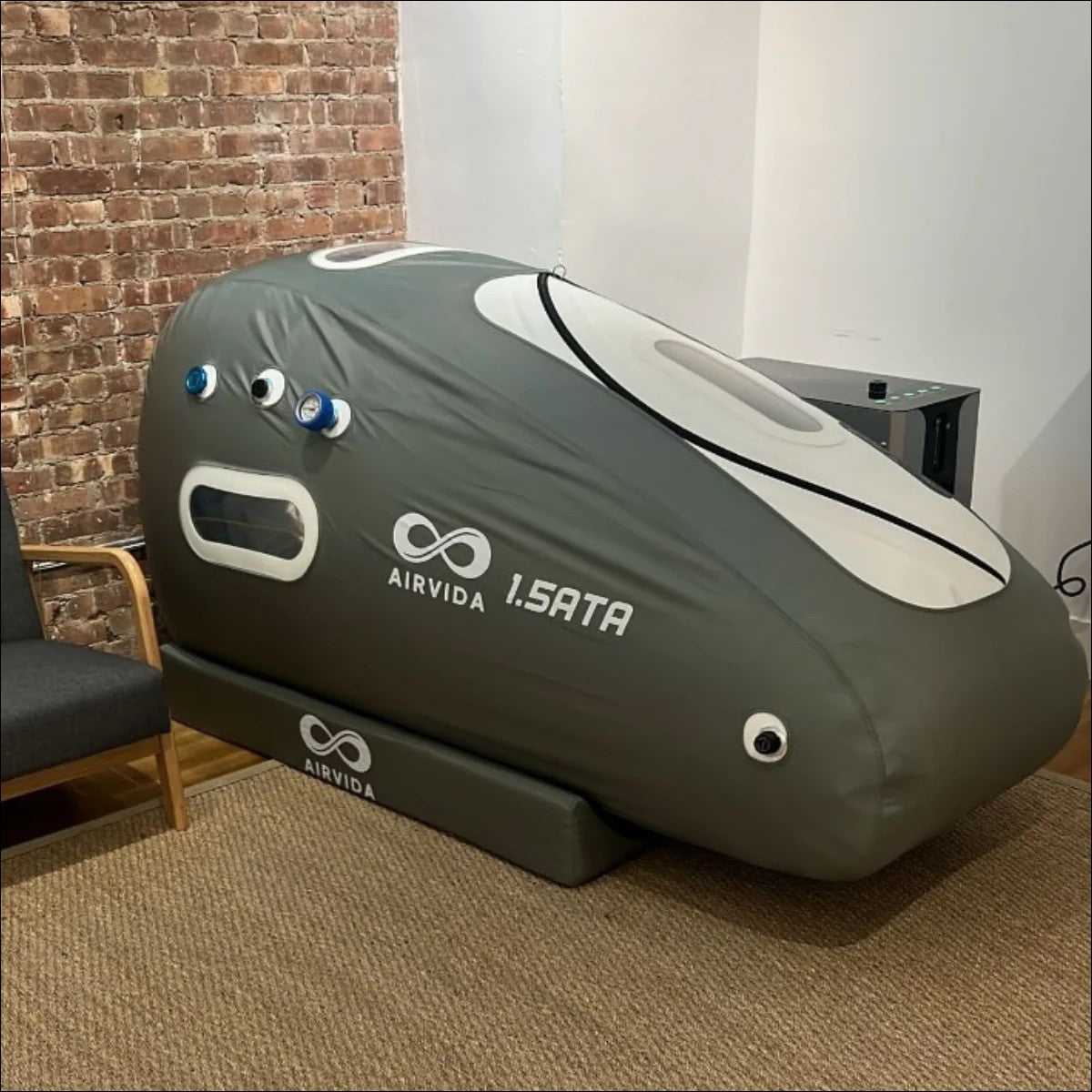
A wellness studio typically runs soft-shell chambers rated for mild hyperbaric use, positioned around recovery, sleep, energy, and general wellness rather than treating a diagnosed medical condition. This model is popular because:
-
Lower equipment cost (soft chambers often run $10,000–$25,000 versus $75,000+ for hard-shell units)
-
Lighter regulatory burden in most states
-
Faster path to opening, often without a physician on staff
-
Cash-pay revenue, so no insurance billing complexity
The Clinical Model
A clinical HBOT center uses hard-shell chambers, treats FDA-cleared conditions, and operates under physician oversight. This model requires:
-
A supervising or ordering physician (arrangement varies by state)
-
Certified hyperbaric technicians on-site during treatment
-
Insurance credentialing if you plan to bill payers
-
Significantly more capital and a longer runway to profitability
If you're weighing which chamber type fits your business plan, comparing options like the chambers available through hyperbaric chamber providers serving the Tacoma area or hyperbaric chamber suppliers in Little Rock is a useful way to see real pricing and specs across both wellness and clinical-grade units before you commit to a model.
Licensing, Regulation, and Compliance: What Actually Trips People Up

I want to be direct about this section because it's where I've seen the most new operators lose months of runway. Requirements vary significantly by state, so nothing here replaces a consultation with a healthcare attorney licensed in your state, but here's the general landscape.
State-Level Variation Is the Rule, Not the Exception
Some states regulate hard-shell hyperbaric chambers as medical devices requiring a licensed facility and physician oversight. Others have far lighter frameworks for mild hyperbaric (soft-shell) use, treating it closer to a wellness service. Before you sign any lease or place an equipment order, confirm:
-
Whether your state requires a physician medical director for your chamber type
-
Whether your municipality zones your location for the intended use
-
What certifications does your operating staff need (certified hyperbaric technician credentials are widely recommended even where not strictly mandated)
-
Whether your fire marshal and building inspector have chamber-specific requirements around oxygen storage and ventilation
FDA Clearance and Off-Label Marketing
The FDA has cleared hyperbaric oxygen therapy for a specific, limited list of conditions, including things like decompression sickness, certain wound types, and carbon monoxide poisoning. Marketing your business around unapproved claims is a real legal exposure, not a gray area, so work with a healthcare marketing professional who understands what you can and can't say in ads, on your website, and on intake forms.
Insurance and Liability
Even a wellness-model studio needs general liability and professional liability coverage. Clinical centers need more comprehensive malpractice coverage tied to their supervising physician's credentials. Get quotes early in your planning process because premiums factor into your break-even math.
Equipment, Space, and Buildout Costs

Here's where the real numbers matter, and where I see the widest range in what new operators budget versus what they actually spend.
|
Cost Category |
Wellness Studio (Soft-Shell) |
Clinical Center (Hard-Shell) |
|
Chamber(s) |
$10,000 - $30,000 per unit |
$75,000 - $200,000+ per unit |
|
Buildout/leasehold improvements |
$15,000 - $50,000 |
$50,000 - $150,000 |
|
Electrical/ventilation upgrades |
$2,000 - $8,000 |
$10,000 - $30,000 |
|
Licensing/legal setup |
$3,000 - $10,000 |
$15,000 - $40,000 |
|
Initial staffing (first 3 months) |
$15,000 - $40,000 |
$60,000 - $150,000 |
|
Marketing launch budget |
$5,000 - $15,000 |
$15,000 - $40,000 |
Space planning matters more than most first-time operators expect. Chambers need clearance on all sides for staff access and emergency egress, plus ventilation and, for hard-shell units, oxygen supply infrastructure that a general contractor without medical-facility experience will underestimate. Walk your space with your chamber vendor before signing a lease, not after.
Staffing Your HBOT Business
Whatever model you choose, you need trained people running sessions, not just someone who reads the manual.
-
Certified Hyperbaric Technician (CHT): Runs day-to-day sessions, monitors clients during treatment, and handles chamber operation and safety protocols.
-
Supervising or Medical Director (clinical model): A physician who oversees treatment plans and is available per your state's requirements.
-
Front desk/patient coordinator: Books sessions, handles intake paperwork, and, critically for wellness studios, sells packages and memberships.
Budget for ongoing continuing education. Hyperbaric safety protocols and best practices get updated, and a technician who trained three years ago and never revisited the material is a liability risk you don't want.
Building Your Client Base and Revenue Model

This is the part that determines whether you're profitable in year one or year three.
Cash-Pay Wellness Clients
Most wellness studios build their base around recovery-focused clients: athletes, people managing chronic fatigue, post-surgical recovery outside the FDA-cleared insurance pathway, and general longevity-minded clients. Package pricing (5, 10, or 20-session bundles) tends to outperform single-session pricing for retention.
Insurance-Covered Clinical Patients
If you're running a clinical model, referral relationships with wound care centers, podiatrists, and vascular specialists are your primary patient pipeline. Credentialing with major payers takes months, so factor that lag into your first-year cash flow projections; don't assume revenue starts the day you open your doors.
Educational Content as a Growth Channel
Operators who publish clear, accurate educational content tend to out-market competitors who rely on generic ads. Topics people actually search for include how HBOT compares to other recovery modalities, like the differences covered in this HBOT vs. sauna comparison, or condition-specific explainers such as how hyperbaric chambers are used for necrotizing fasciitis and how HBOT is being explored for sickle cell disease. Building a resource library like this, tied to your own site, does double duty as patient education and organic search traffic.
Common Mistakes New HBOT Business Owners Make

-
Underestimating regulatory lead time. Operators who assume they can open in 60 days routinely find themselves waiting 4-6 months on licensing, zoning approval, or medical director agreements.
-
Buying chamber capacity they don't need yet. A single well-run chamber with strong utilization beats three underutilized chambers every time in year one.
-
Marketing with unapproved medical claims. This isn't just a compliance risk; it also erodes trust with the exact patient population (chronic illness, post-surgical) that does the most research before booking.
-
Skipping a real revenue model before signing a lease. "People will come" is not a client acquisition strategy. Map your first 90 days of bookings before you commit to rent.
-
Treating staff certification as a checkbox. Under-trained technicians create safety incidents, and one bad incident can end a young HBOT business.
Hyperbaric Chambers You May Want to Shop
Explore More


Step-by-Step: Launching Your HBOT Business
-
Decide on your model wellness studio or clinical center based on your capital, your local market, and your own clinical background or partnerships.
-
Consult a healthcare attorney in your state to map licensing, zoning, and physician-oversight requirements specific to your chamber type.
-
Secure financing, whether that's SBA loans, equipment financing through your chamber vendor, or private investment, based on the cost ranges above.
-
Select your chamber and vendor, comparing specs, warranty terms, and vendor support, not just sticker price.
-
Find and build out your space, involving your chamber vendor early in the walkthrough to avoid costly electrical or ventilation surprises.
-
Hire and certify your staff, including your medical director if operating a clinical model.
-
Finalize insurance and compliance documentation before your soft-open date.
-
Build your first 90 days of marketing and referral outreach before you open, not after.
-
Soft-launch with a limited client base to work out scheduling and operational kinks before a full public launch.
FAQs About Starting a Hyperbaric Oxygen Therapy Business
What qualifications do you need to operate a hyperbaric chamber?
At minimum, most states expect operators to hold a certified hyperbaric technician (CHT) credential, even for mild hyperbaric wellness chambers where it isn't always legally mandatory. Clinical, hard-shell operations typically require a supervising or medical director physician in addition to certified technicians running day-to-day sessions. Requirements vary by state, so confirm specifics with your state health department before hiring.
Can anyone use a hyperbaric chamber?
Most healthy adults can use a mild hyperbaric chamber, but certain conditions, including untreated pneumothorax, certain ear or sinus issues, and some respiratory conditions, are contraindications that require screening before a session. A responsible operator should have an intake and screening process in place, and clinical centers should have a physician involved in that screening for higher-pressure hard-shell treatment.
How to start an HBOT business?
Starting a hyperbaric oxygen therapy business means choosing between a wellness or clinical model, confirming your state's licensing and physician-oversight requirements, securing financing for equipment and buildout, hiring certified staff, and building a client acquisition plan before you open. Most new operators underestimate the licensing timeline, so start that process months before you expect to open your doors.
How much is a commercial hyperbaric oxygen chamber?
Commercial soft-shell chambers typically run $10,000 to $30,000 per unit, while hard-shell clinical chambers range from $75,000 to $200,000 or more, depending on size, pressure rating, and features. Total startup cost, including buildout, licensing, and initial staffing, usually lands between $75,000 for a single-chamber wellness studio and $400,000+ for a multi-bay clinical center.
Conclusion
Starting a hyperbaric oxygen therapy business is a real, viable path, but it rewards operators who treat the regulatory and staffing details seriously from day one. Get your model right, budget honestly for the true startup range, and build your client pipeline before you sign a lease, and you'll avoid the mistakes that stall most first-year operators. If you're evaluating chamber options as part of your planning, browsing real specs and pricing through providers like those serving Tacoma and Little Rock is a solid next step toward building your equipment budget.