


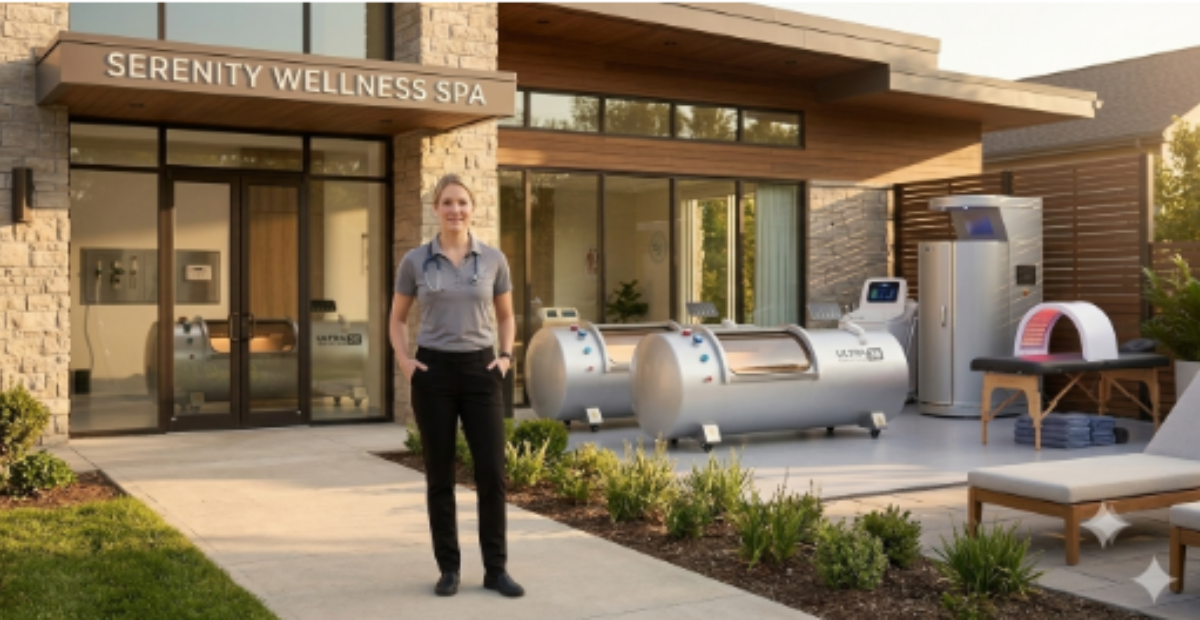
The best hyperbaric chamber for med spa use is almost always a mild hyperbaric chamber, not a hard-shell clinical unit, because med spas operate under a wellness scope rather than a medical treatment scope in most states. A quality soft-sided chamber running at 1.3 to 1.5 ATA costs between $15,000 and $30,000, fits through a standard doorway, and requires no dedicated compressor room. Hard-shell chambers rated above 2.0 ATA belong in medical facilities with physician oversight, not day spas, and buying one without that infrastructure creates regulatory and liability problems your business doesn't need.
Key Takeaways
-
Soft-sided (mild) hyperbaric chambers at 1.3–1.5 ATA are the right fit for most med spas; hard-shell units above 2.0 ATA require medical licensing and oversight.
-
Budget $15,000–$30,000 for a quality soft chamber versus $60,000–$150,000+ for a hard-shell clinical chamber.
-
Session pricing typically runs $75–$200 per hour, and a single chamber can generate $3,000–$8,000 in monthly revenue at moderate utilization.
-
Check your state medical board rules before marketing HBOT as treatment; most spas legally offer it as "wellness oxygen therapy," not medical care.
-
Room requirements, staff training, and liability insurance matter more than the chamber brand you pick.
Hyperbaric Collections You May Want to Shop

What Is a Hyperbaric Chamber for a Med Spa?
A hyperbaric chamber for a med spa is oxygen therapy equipment that increases ambient air pressure inside a sealed chamber so clients breathe air at higher-than-normal atmospheric pressure. In a med spa context, this almost always means a mild hyperbaric chamber, a soft-sided, portable unit pressurized with compressed air rather than pure medical oxygen. Clients lie inside for 60 to 90 minutes while wearing an oxygen concentrator mask, and the session is marketed as a wellness or recovery service rather than a clinical treatment.
This is a meaningfully different product category from the hard-shell chambers used in hospitals to treat wounds, carbon monoxide poisoning, or decompression sickness. Those units pressurize to 2.0–3.0 ATA with 100% medical-grade oxygen and require a licensed hyperbaric technician and physician supervision. A med spa buying the wrong category of chamber is the single most common and most expensive mistake in this space.
Why This Decision Matters Right Now

Demand for oxygen-based recovery and anti-aging services has climbed sharply, and med spas are adding hyperbaric sessions alongside IV therapy, cryotherapy, and red light services. That growth has also drawn a wave of overseas soft-chamber manufacturers selling underbuilt equipment with thin safety margins and no US-based service support. At the same time, several state medical boards have issued guidance in the last two years clarifying what non-medical facilities can and cannot claim about HBOT benefits, which means the compliance side of this purchase now matters as much as the hardware.
Buying the right chamber category from a manufacturer that provides documentation and support protects both your investment and your license. Getting it wrong means refunding clients, facing board complaints, or replacing a chamber within eighteen months.
Soft-Sided vs. Hard-Shell Chambers: What Med Spas Actually Need
This is the decision that determines everything else about your purchase, so it deserves its own section before you look at a single brand.
Mild Hyperbaric (Soft) Chambers
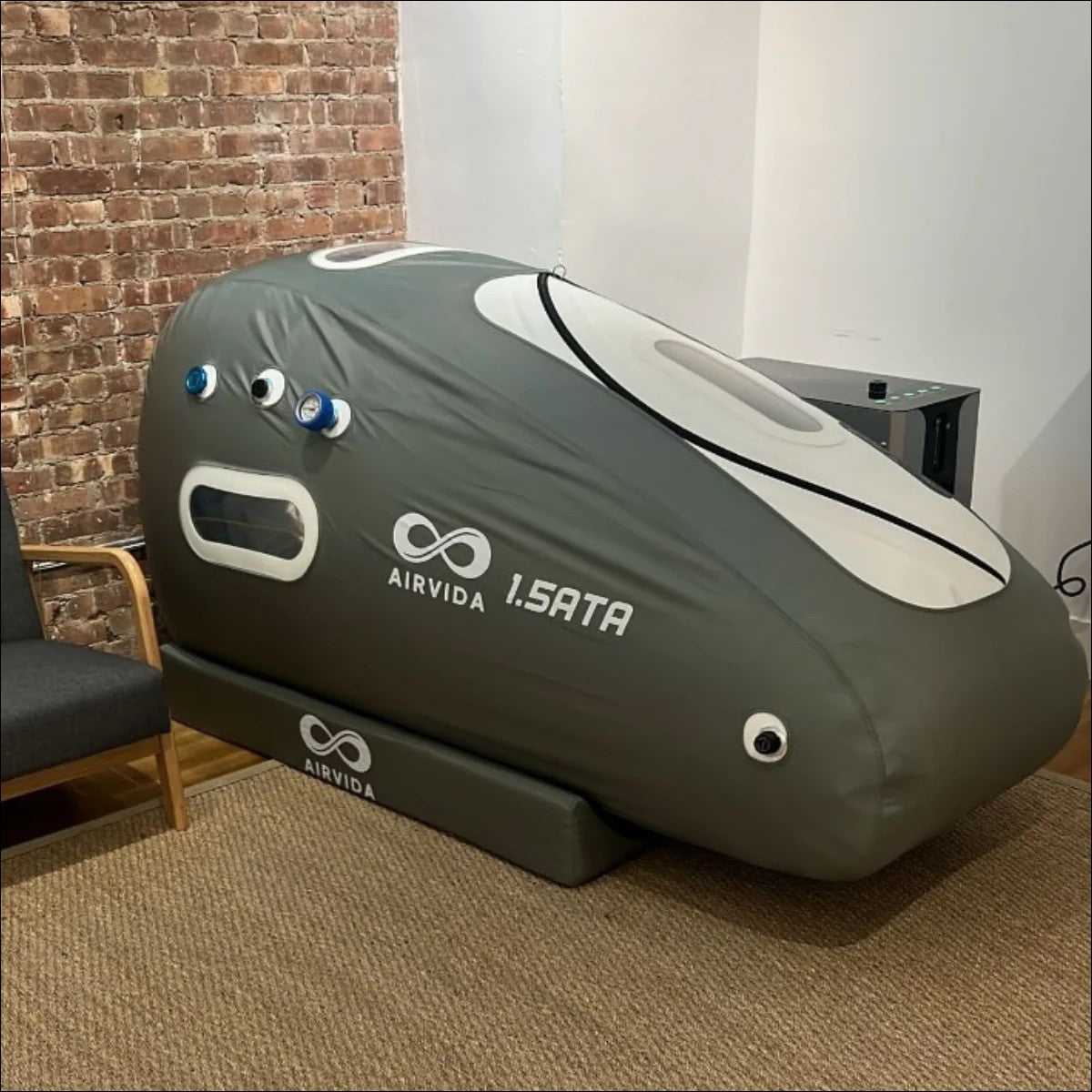
These operate at 1.3–1.5 ATA using compressed ambient air, boosted with an oxygen concentrator delivering 90–95% oxygen through a mask. They're built from reinforced fabric or vinyl, fold down for storage or transport, and don't require a dedicated compressor room in most cases. This is the category almost every legitimate med spa should be shopping in.
-
Cost: $15,000–$30,000 depending on size and brand
-
Footprint: 3×7 feet for a single-occupancy unit
-
Regulatory profile: Generally sold as wellness equipment, not a Class II medical device requiring a prescription in most states
-
Session length: 60–90 minutes
Hard-Shell (Clinical) Chambers
These pressurize to 2.0 ATA or higher using pure medical oxygen and are classified as Class II medical devices by the FDA. They require a prescription, physician oversight, a certified hyperbaric technician, dedicated ventilation, and fire-suppression infrastructure.
-
Cost: $60,000–$150,000+, plus facility buildout
-
Footprint: Often requires a reinforced room with its own HVAC zone
-
Regulatory profile: Medical device; requires a physician order and clinical licensure to operate legally
-
Session length: 60–120 minutes, medically supervised
Unless your med spa has a medical director on staff who is actively prescribing HBOT for a documented condition, a hard-shell chamber is the wrong tool and the wrong liability exposure. If your clients also deal with chronic pressure or ear discomfort during sessions, our guide on managing hyperbaric chamber ear pressure is worth sharing with new clients before their first visit.
What Actually Drives the Price of a Med Spa Chamber

Two chambers can look identical in a brochure and differ by $10,000 once you compare the details that matter.
Fabric and seam construction. Multi-layer reinforced vinyl with double-stitched, taped seams holds pressure reliably for years; single-layer fabric on discount units degrades and develops slow leaks within a season. Ask for the fabric's pressure rating and warranty terms in writing.
Oxygen concentrator quality. A medical-grade concentrator delivering a stable 90–95% oxygen output costs more upfront but avoids the maintenance headaches of budget units that drift below 85% within a year. This part fails more often than the chamber shell itself.
Zipper and door mechanism. The airtight zipper system is the most common failure point industry-wide, and replacing it mid-lease-term is expensive downtime. Premium brands use marine-grade or aerospace-rated zippers rated for thousands of pressurization cycles.
Compliance documentation. Manufacturers that provide FDA registration numbers, material safety data sheets, and installation documentation make your insurance application and board inquiries dramatically easier. A $5,000 discount on a chamber that lacks paperwork isn't a discount if it costs you your liability coverage.
Service and training. In-person or virtual staff training, a documented maintenance schedule, and US-based technical support separate a real vendor from a drop-shipped import. Confirm parts availability before you sign anything.
Common Mistakes Med Spas Make Buying a Chamber

Most problems trace back to five recurring errors.
-
Buying a hard-shell chamber without medical infrastructure. This is the costliest mistake, sometimes triggering board action or forced resale at a loss.
-
Skipping the state compliance check. Rules on marketing "hyperbaric oxygen therapy" versus "mild hyperbaric wellness sessions" vary by state, and getting the language wrong invites complaints.
-
Underestimating room requirements. Even soft chambers need adequate ceiling height, ventilation, and clearance for client entry and exit, especially for clients with mobility limitations.
-
Ignoring staff training. An untrained attendant who rushes pressurization or decompression can cause client discomfort or, rarely, injury; every session needs a trained person present the entire time.
-
Choosing price over documentation. The cheapest chamber on a marketplace listing is frequently the one without FDA registration, a real warranty, or a phone number that gets answered.
Hyperbaric Chambers You May Want to Shop
Explore More


Step-by-Step: How to Choose and Launch Your Chamber Program
-
Confirm your state's regulatory stance. Call your state medical board or consult a healthcare attorney about what non-physician-supervised facilities can offer and claim.
-
Measure your space. Confirm ceiling height, door width for delivery, floor load rating, and electrical capacity for the concentrator.
-
Shortlist three vendors and request FDA registration documents, warranty terms, and three verifiable business references.
-
Compare total cost of ownership, including the chamber, concentrator, filters, disposable liners, and annual maintenance, not just the sticker price.
-
Secure liability insurance specifically covering hyperbaric services before your first client session; general spa policies often exclude this.
-
Train every staff member who will run a session, including emergency decompression procedures and contraindication screening.
-
Build your intake screening form, flagging conditions like uncontrolled seizure disorders, certain lung conditions, and pregnancy, which are standard contraindications for hyperbaric sessions.
-
Price your sessions against local competitors, typically $75–$200 per hour, and consider package pricing to improve client retention and predictable revenue.
-
Track utilization for 90 days and compare against your breakeven point to confirm the investment is paying off.
If sleep-focused wellness clients are part of your target market, pairing chamber sessions with education on how HBOT affects sleep quality can strengthen your service menu and give clients a reason to book recurring packages.
What ROI Actually Looks Like

A single soft chamber priced at $22,000 with sessions sold at $120 per hour breaks even around 185 sessions, roughly four to five months at a modest ten sessions per week. Med spas that bundle chamber time into membership packages typically see utilization climb faster than à la carte pricing alone, since clients pre-commit to a recurring visit. Facilities running two chambers report the second unit reaching profitability faster than the first, since staff training, marketing, and intake systems are already built.
If you're evaluating equipment sourced through regional suppliers, browsing regional inventory, such as the hyperbaric chamber options available near Little Rock or the hyperbaric chamber selection near Tacoma, can give you a real sense of current pricing and available configurations before you commit to a national brand.
FAQs About Hyperbaric Chambers for Med Spas
Does HBOT help with bipolar disorder?
There is currently no strong clinical evidence supporting hyperbaric oxygen therapy as a treatment for bipolar disorder, and no major psychiatric body recommends it for this purpose. Some early, small-scale research has explored oxygen therapy's effects on mood and brain function generally, but med spas should avoid making any claim that HBOT treats or manages bipolar disorder specifically. Clients asking about this should be encouraged to speak with a psychiatrist about evidence-based treatment options.
What are the two types of hyperbaric chambers?
The two main types are monoplace chambers, which hold a single person and are used in most clinical and wellness settings, and multiplace chambers, which accommodate several people at once and are typically found in hospital settings with a medical attendant present inside. Within these categories, chambers are also split by construction into soft-sided mild hyperbaric units and hard-shell chambers, which is the distinction that matters most for med spa buyers.
Is hyperbaric FDA approved?
The FDA has cleared hyperbaric oxygen therapy equipment for a specific, limited list of conditions, including decompression sickness, carbon monoxide poisoning, and certain non-healing wounds, when used as directed with a prescription. The FDA has explicitly warned against marketing HBOT as a cure for conditions outside the cleared list, including autism, cancer, and Alzheimer's disease. Med spas offering mild hyperbaric sessions should market them as general wellness services rather than treatment for any specific unapproved condition.
Can HBOT help with long COVID?
Some smaller clinical studies and case reports have suggested hyperbaric oxygen therapy may help reduce certain long COVID symptoms, particularly fatigue and cognitive complaints, but the research base is still preliminary and not yet considered conclusive by major medical organizations. Med spas can mention this emerging research area factually without claiming HBOT treats or cures long COVID. Clients dealing with persistent post-COVID symptoms should be directed to their physician for a full evaluation alongside any wellness services they pursue.
Choosing the Right Chamber for Your Spa
The right hyperbaric chamber for your med spa comes down to matching the equipment category to your actual scope of practice, then buying from a manufacturer who backs the unit with real documentation, training, and support. A soft-sided mild hyperbaric chamber, purchased with clear compliance groundwork and a trained team, is the investment that pays for itself in months rather than years. Skip the shortcuts on paperwork and staff training, and the equipment itself becomes the easy part of this decision.
Ready to compare real inventory and pricing? Browse current hyperbaric chamber listings for your region and talk to a specialist about which model fits your space, budget, and compliance needs before you buy.