


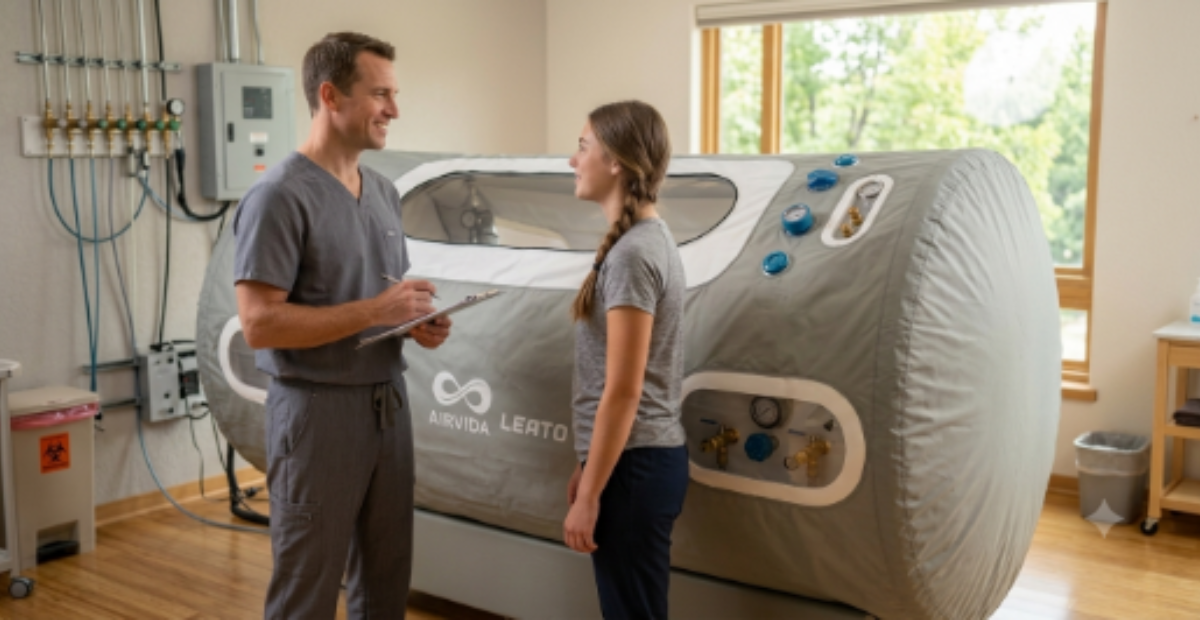
The best hyperbaric chamber for a physical therapy clinic is almost always a hard-shell monoplace chamber rated for 1.5 to 3.0 ATA with 100% supplemental oxygen delivery, paired with a soft-shell mild hyperbaric unit for lower-acuity or high-volume overflow use. Clinics that install both formats can serve post-surgical, sports-injury, and chronic-pain patients under one roof without turning away the cases that need deeper pressure. Which one you actually need depends on your patient mix, square footage, staffing, and how fast you need to recover the equipment cost.
I've spent the last nine years helping outpatient PT clinics and sports medicine practices spec, install, and staff hyperbaric programs. This guide walks through exactly what I tell clinic owners before they sign a purchase order.
Key Takeaways
-
Hard-shell chambers (1.5–3.0 ATA, 100% oxygen) are the clinical standard for tissue healing, post-op recovery, and diabetic wound cases; soft-shell mild hyperbaric chambers (1.3–1.5 ATA, ambient air) fit lower-acuity, wellness-adjacent patients at a lower entry cost.
-
Budget realistically: hard-shell clinical units run $50,000–$150,000+, while soft chambers run $10,000–$25,000.
-
Throughput matters more than glamour. A single hard-shell chamber can typically run 3–5 sessions per day, so multi-chamber setups pay off faster in busy sports and ortho clinics.
-
Compliance isn't optional: fire codes, oxygen concentration limits, and technician certification requirements vary by state and must be confirmed before installation.
-
Reimbursement is narrow; most insurers only cover HBOT for a short list of approved diagnoses, so most PT-clinic revenue comes from cash-pay wellness and recovery packages, not insurance billing.
What Does "Best" Actually Mean for a PT Clinic?
There's no single best hyperbaric chamber on the market; there's a best chamber for your specific patient volume, case mix, and space. A clinic treating post-surgical orthopedic patients has different pressure and safety requirements than a sports performance studio selling recovery memberships to weekend athletes. Hyperbaric oxygen therapy (HBOT) works by saturating blood plasma with oxygen under pressure, which is why the chamber's maximum ATA (atmospheres absolute) rating is the single most important spec to compare across vendors.
For clinical-grade tissue repair, wound healing, post-surgical recovery, and radiation injury, you need a chamber capable of reaching at least 2.0 ATA with 100% oxygen delivery. For general wellness, inflammation reduction, and athletic recovery, a mild hyperbaric chamber at 1.3–1.5 ATA using ambient air is often sufficient and considerably cheaper to acquire and operate.
Why This Decision Matters Right Now
Outpatient physical therapy clinics are adding hyperbaric programs faster than almost any other ancillary service line in the last three years, driven by patient demand for faster recovery and by clinics looking to diversify revenue beyond insurance-capped PT visits. That growth has also attracted a flood of lower-quality soft-chamber manufacturers marketing "hyperbaric" equipment that never exceeds 1.3 ATA, barely above sea-level pressure, while charging clinical-grade prices.
Getting the chamber type wrong costs clinics twice: once in the purchase price, and again in the credibility hit when patients don't see the results they were promised. Understanding the real technical differences before you buy protects both your capital and your clinic's reputation.
Hyperbaric Collections You May Want to Shop

Hard-Shell vs. Soft-Shell Chambers: The Core Decision
Hard-Shell (Monoplace) Chambers
These are rigid, acrylic-and-steel chambers that reach 1.5–3.0 ATA and typically run on 100% medical-grade oxygen. They're the format used in hospital wound-care centers and are considered the clinical gold standard.
-
Pros: Higher pressure capability, faster physiological effect, credibility with referring physicians, better outcomes data for wound and post-surgical cases.
-
Cons: Higher upfront cost, requires a dedicated oxygen supply and fire-safety infrastructure, needs a trained hyperbaric technician on-site during sessions.
-
Best for: Clinics treating diabetic wounds, post-surgical orthopedic patients, radiation injury, or any case where a physician has specifically recommended HBOT.
Soft-Shell (Mild Hyperbaric) Chambers
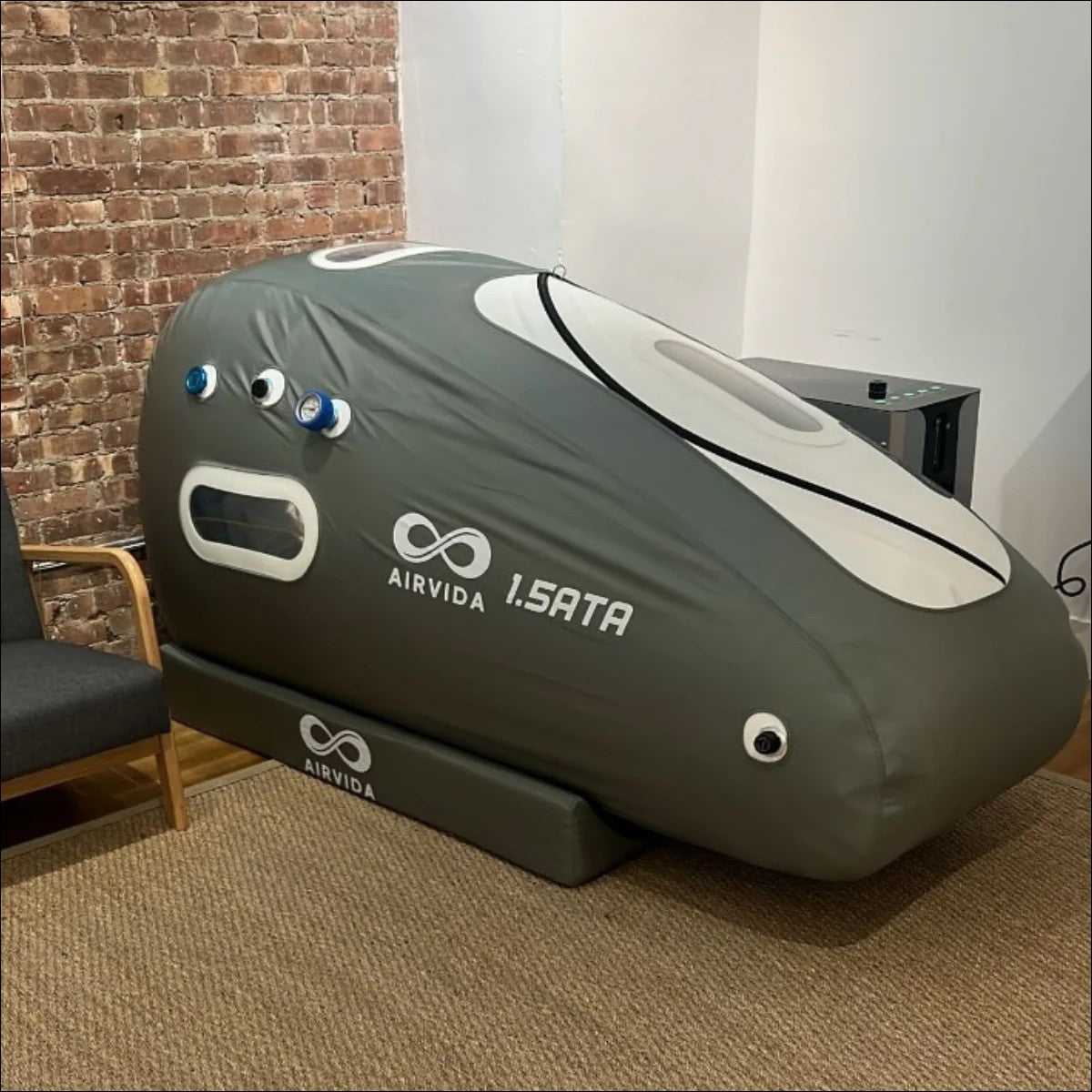
These are portable, fabric-and-zipper chambers that reach 1.3–1.5 ATA using ambient air compressed by an external pump, sometimes with an oxygen concentrator supplementing air quality.
-
Pros: Lower cost, no medical oxygen infrastructure required, easier to staff, patients find them less intimidating.
-
Cons: Lower pressure means slower and more modest physiological effects; not appropriate for serious wounds or post-surgical cases.
-
Best for: Sports recovery, general inflammation and fatigue, wellness-membership models, clinics easing into HBOT before committing capital to a hard-shell unit.
If your clinic is deciding between HBOT and other recovery modalities for the same patient population, it's worth comparing pressure-based oxygen therapy against heat-based recovery tools like infrared saunas. The physiological mechanisms are genuinely different, and we break that comparison down in HBOT vs. Sauna: Which Recovery Method Actually Works.
What Actually Drives the Cost

Clinic owners consistently underestimate the total cost of ownership, not just the sticker price of the chamber itself.
-
Chamber unit: $10,000–$25,000 for soft-shell; $50,000–$150,000+ for hard-shell monoplace units depending on ATA rating and manufacturer.
-
Oxygen supply infrastructure: Hard-shell chambers need either bulk medical oxygen tanks or an oxygen concentrator system, plus certified plumbing; budget $5,000–$15,000 for a proper install.
-
Fire suppression and room modifications: Many fire codes require dedicated ventilation and suppression systems for oxygen-enriched environments; this is a line item clinics frequently miss in early budgeting.
-
Staff certification: Hard-shell chambers generally require a certified hyperbaric technician present during every dive; training and certification run $1,500–$3,000 per staff member.
-
Ongoing consumables: Oxygen refills, chamber maintenance contracts, and acrylic panel replacement over the equipment's lifespan.
A realistic three-year total cost of ownership for a single hard-shell chamber, including installation and staffing, typically lands between $90,000 and $180,000. Clinics that skip the infrastructure line items in their initial quote are the ones that run over budget mid-installation.
Hyperbaric Chambers You May Want to Shop
Explore More


Conditions Physical Therapy Patients Actually Use HBOT For
Not every condition responds the same way to hyperbaric pressure, and it matters for setting patient expectations correctly.
-
Post-surgical soft tissue and orthopedic recovery, reduced swelling, and faster return-to-function timelines are the most commonly reported benefits in PT-clinic settings.
-
Sports-related soft tissue injuries, sprains, strains, and overuse injuries respond well to oxygen-driven tissue repair at mild-to-moderate pressures.
-
Chronic wound and diabetic ulcer care: this requires clinical-grade hard-shell chambers and typically involves coordination with a physician, since it falls under approved insurance indications in many cases.
-
Neurological and circulatory conditions are a growing area of clinical interest; we go deeper on the physiological mechanism in Can HBOT Treat Neurological Conditions? and HBOT for Sickle Cell Disease.
-
Radiation injury recovery: Patients recovering from radiation therapy occasionally seek HBOT for tissue repair; the specifics are covered in HBOT for Radiation Necrosis.
Compliance, Staffing, and Safety Requirements

This is the section clinics skip until an inspector or insurance auditor forces the issue.
-
State licensing varies significantly. Some states classify hyperbaric chambers as Class II medical devices requiring a physician's standing order; others allow wellness-only mild chambers to operate with minimal oversight. Confirm your state's specific rules before purchase, not after.
-
Fire marshal review is standard for hard-shell installs. Oxygen-enriched environments carry real fire risk, and most municipalities require a dedicated inspection before a hard-shell chamber can go into clinical use.
-
A trained attendant must be present during hard-shell sessions. This isn't optional in most jurisdictions; someone qualified to manage pressure changes and recognize oxygen toxicity symptoms needs to be in the room or immediately adjacent.
-
Liability insurance needs a specific rider. Standard clinic malpractice policies frequently exclude hyperbaric services unless you add a specific endorsement. Check this before your first patient session, not after an incident.
If you're weighing whether the compliance burden of a hard-shell chamber fits your clinic's current staffing model, it's worth reviewing how established chamber providers structure their service-area programs, such as the setups at Portland, Maine hyperbaric chambers or Corpus Christi, TX hyperbaric chambers, both of which pair hard-shell clinical units with trained on-site staffing models.
Common Mistakes Clinics Make When Buying a Chamber
-
Buying a soft chamber and marketing it as clinical-grade HBOT. Patients researching HBOT online quickly learn the ATA difference, and overselling a 1.3 ATA soft chamber as equivalent to hospital-grade therapy damages trust fast.
-
Skipping the oxygen infrastructure quote until after the chamber arrives. This is the single most common budget-blowing mistake I see: plumbing and ventilation retrofits cost far more once the chamber is already sitting in the room.
-
Underestimating ear pressure complaints from patients. Pressure changes during a session can cause real discomfort if patients aren't coached on equalization technique; our clinic-facing breakdown on this is in Hyperbaric Chamber Ear Pressure: What Patients Need to Know.
-
Assuming insurance will cover most sessions. Reimbursement is narrow and diagnosis-specific in almost every payer contract; build your revenue model around cash-pay packages first.
-
Not training front-desk staff on realistic outcome language. Overpromising results to patients, especially around chronic conditions, creates both compliance risk and refund disputes.
Step-by-Step: How to Choose and Launch a Hyperbaric Program

-
Audit your patient mix. Pull the last 12 months of case types and estimate how many would genuinely benefit from HBOT versus how many are speculative interest.
-
Decide hard-shell, soft-shell, or both. Match the chamber's ATA capability to your dominant case type, not your aspirational one.
-
Get a full infrastructure quote, not just an equipment quote. Request itemized costs for oxygen supply, ventilation, and fire-code compliance from your installer.
-
Confirm your state's licensing and technician certification requirements. Do this before signing a purchase order, since some states require certification to be in place before equipment delivery.
-
Add or confirm a hyperbaric-specific liability rider. Call your malpractice carrier directly and get it in writing.
-
Build a cash-pay pricing model first. Price single sessions and package bundles assuming minimal insurance reimbursement, then treat any covered claims as upside.
-
Train staff on realistic patient communication. Set expectations around session count and outcome timelines before the first patient books.
-
Start with a soft launch. Run a limited-hours pilot for 4–6 weeks before opening full booking capacity, so you can catch scheduling and staffing gaps early.
FAQ
How much is hyperbaric oxygen therapy in the Philippines?
Hyperbaric oxygen therapy sessions in the Philippines typically range from roughly ₱1,500 to ₱5,000 (about $27–$90 USD) per session at private clinics, with pricing depending on the facility's chamber type, session length, and whether it's a hospital-based or standalone wellness center. Multi-session packages usually bring the per-session cost down.
Does HBOT help with bipolar disorder?
There is currently no strong clinical evidence supporting HBOT as a treatment for bipolar disorder, and it is not an approved or standard-of-care intervention for the condition. Patients interested in this application should discuss it directly with a treating psychiatrist rather than pursuing it as a substitute for established bipolar treatment.
Can HBOT help with high blood pressure?
Some early research suggests hyperbaric oxygen exposure may have short-term effects on blood vessel function and circulation, but HBOT is not an established or approved treatment for managing high blood pressure. Anyone with hypertension considering HBOT for other reasons should clear it with their physician first, since pressure changes can interact with cardiovascular conditions.
Are there different types of hyperbaric chambers?
Yes, the two main categories are hard-shell monoplace chambers, which reach higher pressures (1.5–3.0 ATA) using 100% medical oxygen and are used for clinical tissue-repair applications, and soft-shell mild hyperbaric chambers, which reach lower pressures (1.3–1.5 ATA) using ambient air and are used for general wellness and recovery. Multiplace chambers, which fit several patients at once under supervision, exist mainly in hospital settings rather than outpatient PT clinics.
What conditions get the most consistent results from HBOT in a PT setting?
Post-surgical soft tissue recovery and sports-related injuries tend to show the most consistent, patient-reported improvement in outpatient PT settings, largely due to reduced swelling and improved circulation to healing tissue. Chronic wound cases show strong clinical evidence too, but those require hard-shell chambers and closer physician coordination than a typical sports-recovery case.
Bottom Line
The best hyperbaric chamber for a physical therapy clinic isn't the one with the flashiest marketing; it's the one whose ATA rating, infrastructure requirements, and cost actually match the patients you're already treating. Start with an honest audit of your case mix, budget for the full infrastructure cost rather than just the chamber price, and confirm your state's compliance requirements before you commit capital.
If you're evaluating hard-shell or soft-shell chamber options for your clinic, take a look at how established hyperbaric providers structure their equipment and service models in markets like Portland, Maine, and Corpus Christi, TX. Both offer a useful benchmark for what a properly equipped clinical HBOT setup looks like before you finalize your own purchase.