


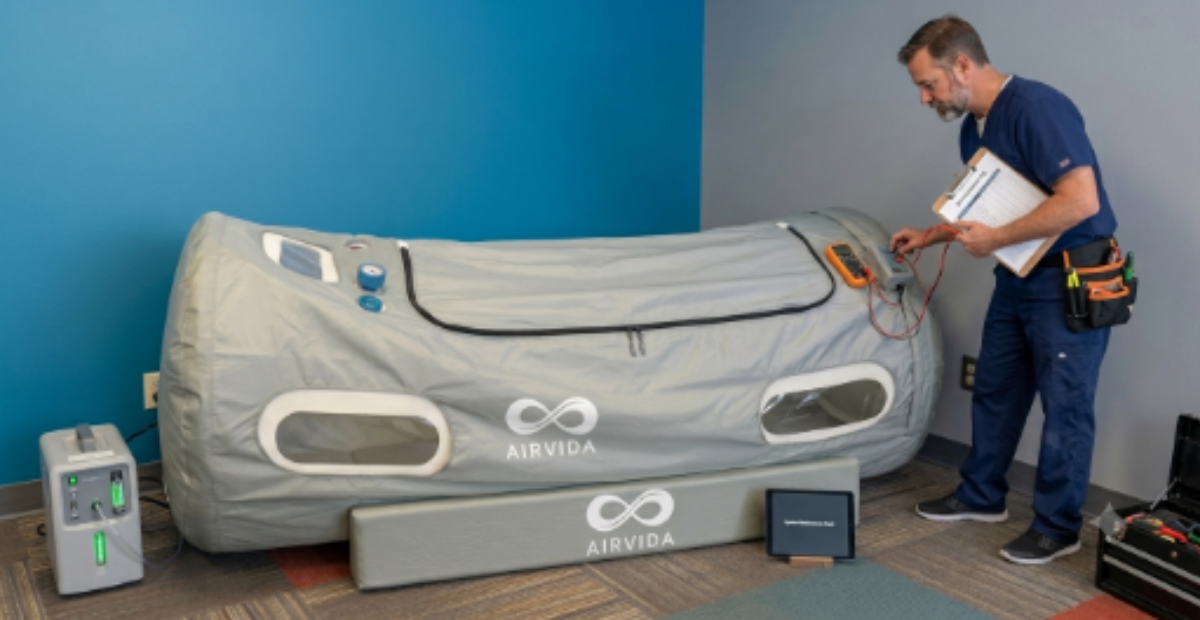
A soft-shell hyperbaric chamber typically costs 300 to 800 dollars a year to maintain, while a hard-shell chamber runs 1,500 to 6,000 dollars a year, depending on usage hours, compressor type, and whether you handle service calls yourself or contract them out. Electricity adds another 15 to 60 dollars a month for home units and considerably more for clinical-grade chambers running eight hours a day. Those numbers surprise a lot of first-time buyers who budget for the purchase price and stop there.
I've spent the better part of a decade around hyperbaric equipment, first as a respiratory therapist running hospital-based chambers, then consulting for wellness clinics setting up their first units. The question I get asked more than almost any other, right after "does insurance cover this," is some version of "what's this actually going to cost me every year to keep running?" This guide answers that with real numbers, not vendor marketing.
Key Takeaways
-
Soft-shell chambers cost 300–800 dollars/year to maintain; hard-shell chambers cost 1,500–6,000 dollars/year.
-
The compressor is the single most expensive maintenance line item, often 40–60% of total upkeep spend.
-
Annual inspections and certifications (required for hard-shell chambers) run 200–1,000 dollars depending on your state and chamber class.}
-
Electricity costs scale directly with session hours; a clinic running 8 hours/day pays far more than a home unit used a few times a week.
-
Skipping seal, filter, or oxygen sensor replacement doesn't save money; it shortens chamber lifespan and risks costly emergency repairs.
-
Hyperbaric Collections You May Want to Shop

What Drives Hyperbaric Chamber Maintenance Cost
Maintenance cost is the sum of every recurring expense required to keep a chamber safe, compliant, and functioning after the initial purchase. That includes parts replacement, professional inspections, electricity, and staff certification renewals for clinical operators. It does not include the upfront purchase price, which is a separate (and usually much larger) budget line.
The reason costs vary so widely between owners isn't mysterious once you break it down. A home soft-shell chamber used three times a week by one person wears differently than a clinic hard-shell chamber running back-to-back sessions eight hours a day. Usage hours, chamber pressure class, and compressor type explain almost all of the spread you'll see between the low and high end of any cost range.
Why This Matters Right Now
Hyperbaric oxygen therapy (HBOT) demand has climbed steadily as more people use it for wound healing, recovery, and general wellness support alongside its established medical applications. That demand has pulled a lot of buyers, clinics, and individuals alike into purchasing decisions without a clear picture of ongoing costs. I've seen more than one wellness studio underprice HBOT sessions because they forgot to amortize maintenance into their per-session rate, and it caught up with them within a year.
Getting this number right matters whether you're buying a chamber for a clinic, a home health setup, or comparing it against a membership at a facility like the ones offering hyperbaric oxygen therapy in Greenwich, CT, or Norwalk, CT. Knowing the real maintenance math lets you compare ownership against membership honestly, instead of guessing.
Breaking Down the Cost: Soft-Shell vs. Hard-Shell Chambers

Soft-Shell Chamber Maintenance
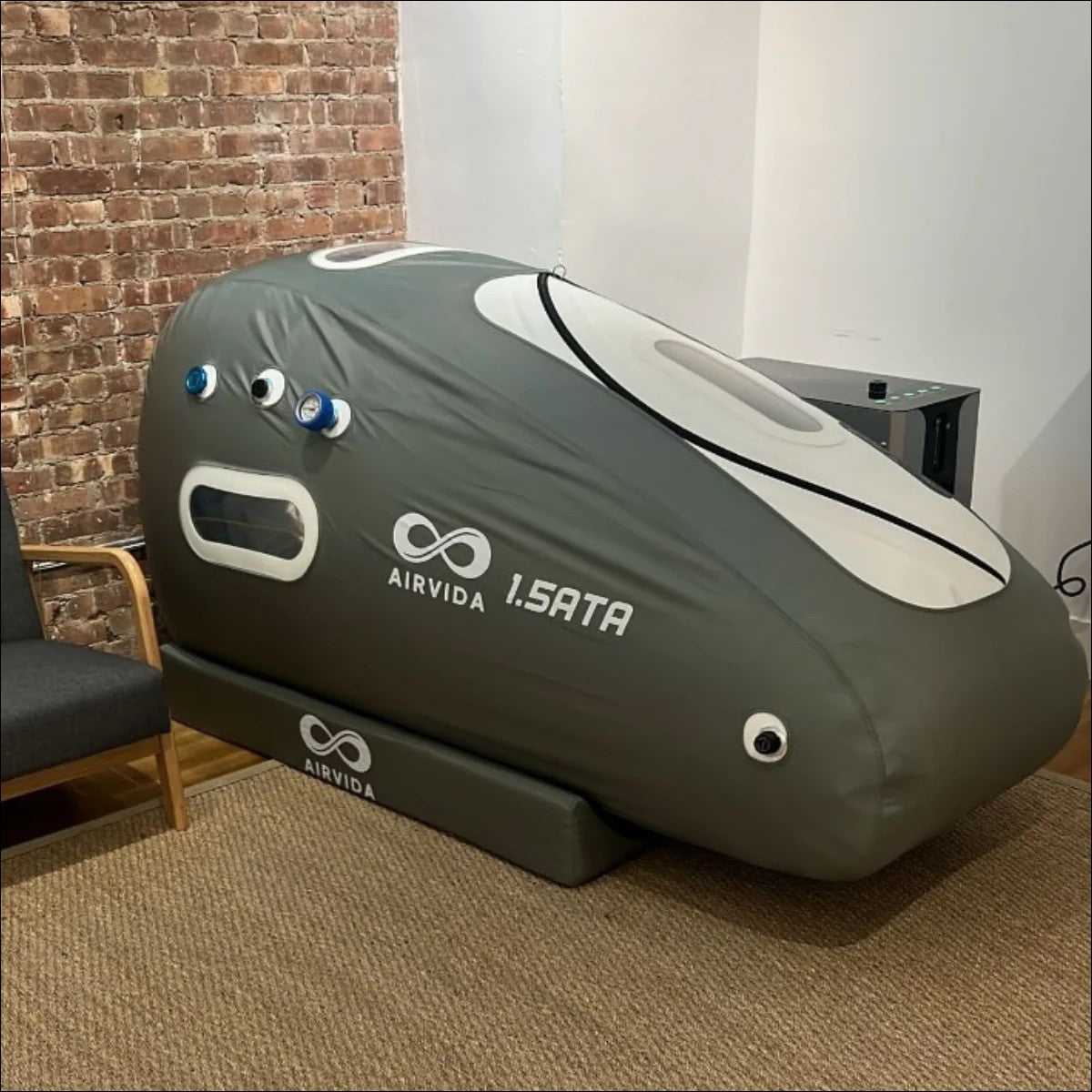
Soft-shell chambers operate at lower pressures (typically 1.3–1.5 ATA) and use simpler compressor systems, which keeps annual maintenance in the 300 to 800 dollar range for most home and light-clinical users. The main recurring costs are:
-
Air filters are replaced every 3–6 months, roughly 20–50 dollars each
-
Zipper and seal lubrication/replacement: 50–150 dollars annually
-
Compressor servicing 100–300 dollars a year for units run regularly
-
Oxygen concentrator maintenance (if paired with one) 100–200 dollars annually for filters and sensors
Hard-Shell Chamber Maintenance
Hard-shell chambers run at higher pressures (up to 3.0 ATA or more in clinical monoplace units) and carry heavier regulatory requirements, pushing annual costs to 1,500 to 6,000 dollars. Line items include:
-
Compressor overhaul or replacement parts: 500–2,500 dollars annually, depending on runtime hours
-
Acrylic viewport and door seal inspection: 200–600 dollars
-
Oxygen sensor calibration/replacement: 150–400 dollars per sensor, replaced every 1–2 years
-
State-mandated pressure vessel inspection: 200–1,000 dollars annually, required in most jurisdictions for clinical operation
-
Fire suppression system checks (required in many hard-shell monoplace units) 100–300 dollars annually
A clinic running a hard-shell chamber eight hours a day, five days a week, sits at the top of that range or above it. A home hard-shell unit used a few times a week lands closer to the middle.
Electricity and Utility Costs
Electricity is the maintenance cost people most consistently forget to budget for. A home soft-shell chamber with an oxygen concentrator typically draws enough power to add 15 to 60 dollars a month to a utility bill, depending on local electricity rates and session frequency.
Clinical hard-shell chambers draw significantly more, since their compressors run continuously to maintain pressure across longer, more frequent sessions. A busy clinic can see 150 to 400 dollars a month in added electricity costs from chamber operation alone. If you're modeling a clinic budget, this number belongs next to your HVAC and lighting line items, not buried in "miscellaneous."
Inspection, Certification, and Compliance Costs

Hard-shell chambers used in a professional or clinical setting are typically classified as pressure vessels, which means they're subject to inspection requirements similar to other pressurized medical equipment. Most states require an annual or biennial inspection by a certified technician, costing 200 to 1,000 dollars depending on chamber class and state.
Clinics also need to budget for:
-
Operator certification renewal: 100–500 dollars per staff member every 1–3 years
-
Liability insurance riders specific to hyperbaric equipment: 300–1,200 dollars annually
-
Log and documentation systems to track pressure cycles and maintenance history are often bundled into practice management software, adding 20–100 dollars a month.
Skipping these isn't a cost-saving move; it's a liability one. An uninspected chamber that fails during a session is a very different financial problem than a 500-dollar inspection fee.
Common Mistakes and Misconceptions
"The purchase price is the real cost." It isn't. Over a 10-year ownership window, maintenance and utility costs on a hard-shell chamber often equal or exceed the original purchase price. Budget for the full lifecycle, not just the invoice.
"Soft-shell chambers don't need professional service." They need less service than hard-shell units, but zippers, seals, and compressors still wear out. I've seen homeowners run a soft-shell chamber for three years without a single filter change, then wonder why oxygen concentration readings dropped.
"Buying a used chamber saves money long-term." Sometimes, but used compressors and seals are closer to end-of-life, so maintenance costs front-load immediately after purchase rather than spreading out evenly.
"Maintenance is optional if the chamber still works." A chamber that "still works" and a chamber that's safely calibrated and pressure-tested are not the same thing. Degraded seals and drifting oxygen sensors don't always announce themselves before they fail.
Hyperbaric Chambers You May Want to Shop
Explore More


Step-by-Step: Building Your Annual Maintenance Budget
-
Identify your chamber class. Soft-shell and hard-shell chambers have entirely different cost profiles; start here before estimating anything else.
-
Log your realistic usage hours. A chamber used 3 hours/week costs differently to maintain than one used 40 hours/week. Be honest about projected usage, not aspirational usage.
-
Get a service contract quote. Most manufacturers or third-party HBOT service companies offer annual contracts covering filters, seals, and inspections. Get an actual quote rather than estimating from a range.
-
Add electricity separately. Pull your current utility rate per kWh and multiply by your compressor's rated draw and expected runtime hours.
-
Set aside a compressor replacement fund. Compressors are the most expensive single part to replace. Budgeting 10–15% of the purchase price annually toward eventual compressor replacement avoids a surprise expense.
-
Review annually. Usage patterns, local electricity rates, and inspection requirements shift; revisit the budget every 12 months rather than setting it once.
How Maintenance Cost Compares to Membership or Clinic Sessions

For people considering HBOT for specific goals, better sleep quality or supporting Hashimoto's-related fatigue and inflammation, ownership only makes financial sense past a certain session frequency. If you're using a chamber fewer than 2–3 times a week, a clinic membership or per-session package often costs less annually than ownership once maintenance, electricity, and inspection costs are factored in.
Clinics offering hyperbaric oxygen therapy, including facilities serving Greenwich, CT, and Norwalk, CT, absorb all of this maintenance overhead into their session pricing, which is worth factoring into any buy-versus-visit comparison.

FAQ: Hyperbaric Chamber Maintenance and Cost
How much does it cost to run a hyperbaric chamber?
Running a hyperbaric chamber costs roughly 300 to 800 dollars a year in maintenance for a soft-shell unit, or 1,500 to 6,000 dollars a year for a hard-shell unit, plus 15 to 400 dollars a month in electricity depending on chamber type and usage hours.
How long does a hyperbaric chamber last?
A well-maintained soft-shell chamber typically lasts 5–10 years, while hard-shell chambers, with regular compressor servicing and seal replacement, can last 15–20 years or more. Lifespan drops significantly if maintenance is deferred, particularly for compressors and pressure seals.
Can a hyperbaric chamber help ADHD?
Some early research and anecdotal reports explore HBOT's potential effects on cognitive symptoms sometimes associated with attention difficulties, but hyperbaric oxygen therapy is not an FDA-approved or established treatment for ADHD, and evidence remains limited. Anyone considering HBOT for ADHD-related symptoms should talk to a physician about the current evidence and their specific situation before pursuing it.
How much is one hour in the hyperbaric chamber?
A single hyperbaric session typically costs 100 to 300 dollars at a clinic, depending on chamber type, session length, and location, though package pricing and memberships often bring the effective per-session cost down for regular users.
Bottom Line
Hyperbaric chamber maintenance cost isn't a single number; it's a range shaped by chamber class, usage hours, and how seriously you take inspection and compressor upkeep. Budget realistically before you buy, and the chamber pays for itself in reliability instead of surprise repair bills.
If you're weighing ownership against a membership, talk to a clinic near you about session pricing and package rates before committing to a purchase; it's often the clearest way to see which option actually fits your budget and your goals.