


Hyperbaric oxygen therapy (HBOT) delivers high-concentration oxygen under increased atmospheric pressure, which may help improve oxygen delivery to scarred lung tissue in pulmonary fibrosis patients. While HBOT is not a cure for pulmonary fibrosis, early evidence suggests it can ease breathlessness, support tissue oxygenation, and improve quality of life when used alongside conventional care.
Key Takeaways
-
HBOT works by saturating blood plasma with oxygen, helping compensate for the reduced gas exchange caused by fibrotic lung tissue.
-
Clinical evidence is still emerging, but several studies show measurable improvements in oxygen saturation and exercise tolerance in fibrosis patients.
-
HBOT is typically used as a complementary therapy, not a replacement for prescribed medications like nintedanib or pirfenidone.
-
Mild hyperbaric chambers offer a lower-pressure, more accessible option for home or clinic use, though they differ from medical-grade systems.
-
Cost, session frequency, and underlying health conditions all affect whether HBOT is a practical choice for your specific situation.
-
Always consult a pulmonologist before starting HBOT, especially if you are already managing supplemental oxygen or pulmonary hypertension.
Why Pulmonary Fibrosis Creates an Oxygen Crisis in Your Lungs
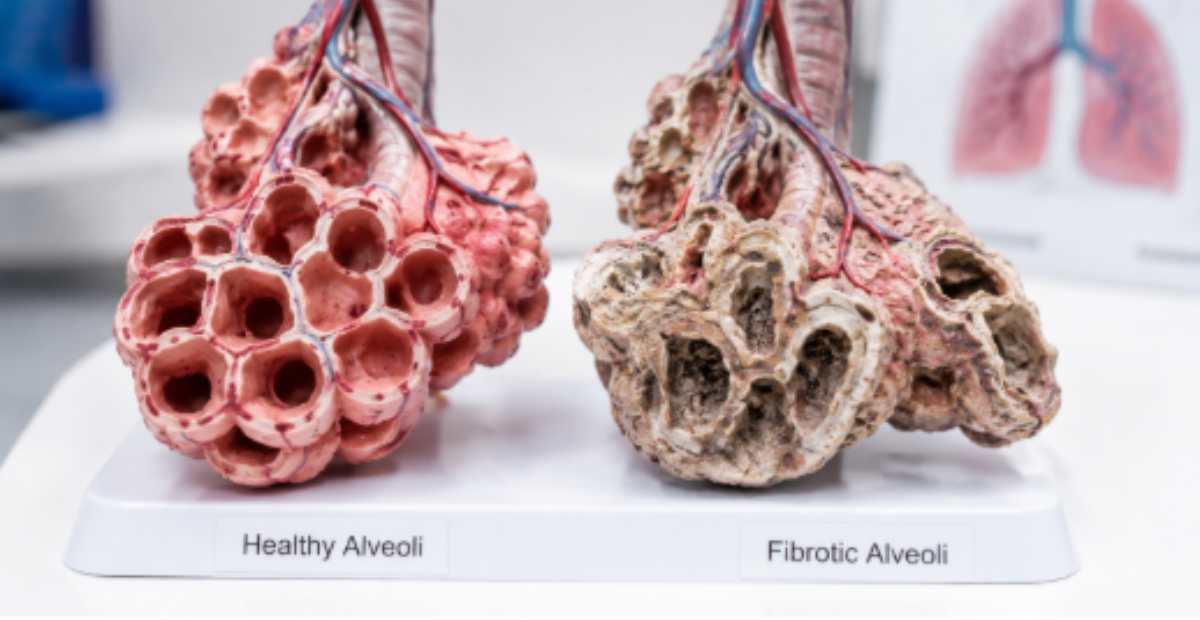
Pulmonary fibrosis is a progressive lung disease in which healthy lung tissue is gradually replaced by scar tissue. That scarring stiffens the lungs and thickens the walls of the alveoli, the tiny air sacs responsible for transferring oxygen into your bloodstream. Over time, even routine activities like walking to the mailbox or climbing a single flight of stairs can leave you gasping.
The core problem is impaired gas exchange. Oxygen cannot cross thickened, fibrotic tissue efficiently, so blood oxygen levels drop. The body compensates initially through faster breathing, but as the disease advances, even supplemental oxygen through a nasal cannula may not fully address the deficit during exertion. This is the oxygen gap that researchers believe HBOT may help bridge.
Under standard atmospheric conditions, roughly 98 percent of the oxygen your blood carries is bound to hemoglobin. Hyperbaric therapy dissolves additional oxygen directly into blood plasma, bypassing hemoglobin entirely. This dissolved oxygen can reach tissues even when red blood cells are struggling to deliver adequate amounts. For fibrosis patients, this mechanism is particularly relevant because it provides oxygen through a channel that does not depend on normal alveolar function.
Understanding how oxygen delivery changes during treatment is important. If you want a deeper look at the mechanics, does hbot make your blood oxygen levels rise significantly, and that explanation breaks down exactly how plasma saturation occurs and why it matters for compromised lungs.
What the Current Research Shows About HBOT for Pulmonary Fibrosis
The research base on HBOT for pulmonary fibrosis is still growing, but several findings are worth examining carefully. Most studies are small, and large-scale randomized controlled trials remain limited. That said, the existing data offers a reasonable signal that HBOT may provide meaningful symptomatic relief for select patients.
A 2020 study published in a respiratory medicine journal examined patients with idiopathic pulmonary fibrosis (IPF), the most common and aggressive form of the disease, who underwent multiple sessions of hyperbaric oxygen therapy. Researchers observed improvements in the six-minute walk test, a standard measure of functional exercise capacity, as well as modest increases in resting oxygen saturation. Patients also reported reduced perception of breathlessness, which has a significant impact on daily functioning.
Animal model research has added another layer of interest. Several preclinical studies suggest that high-concentration oxygen delivered under pressure may reduce fibroblast activity and slow the production of collagen, the protein that forms the scar tissue characteristic of fibrosis. While translating animal findings to human outcomes requires caution, these mechanisms provide a biological rationale for why HBOT might do more than just temporarily boost oxygen levels.
It is also worth comparing pulmonary fibrosis to related lung conditions where HBOT has been studied more extensively. For example, research on whether can hyperbaric chamber help copd patients benefit shares some methodological overlap with fibrosis research and helps frame what realistic expectations look like for obstructive versus restrictive lung diseases.
HBOT Session Protocols Typically Used in Studies
Most research protocols for pulmonary patients use the following general framework:
-
Pressure levels: 1.5 to 2.0 atmospheres absolute (ATA)
-
Session duration: 60 to 90 minutes per session
-
Frequency: 5 days per week, often for 4 to 6 weeks
-
Total sessions: 20 to 30 sessions in a full course of therapy
These numbers are not universal. Some patients with more advanced fibrosis or complicating conditions may require adjusted protocols. Medical supervision is essential for determining the right pressure level and session length for your stage of disease.
Comparing HBOT Options: Medical-Grade vs. Mild Hyperbaric Chambers
One of the most practical decisions patients face is which type of hyperbaric system is appropriate for their condition. The table below summarizes the key differences:
|
Feature |
Medical-Grade HBOT |
Mild Hyperbaric Chamber |
|
Pressure Range |
2.0 to 3.0 ATA |
1.3 to 1.5 ATA |
|
Oxygen Concentration |
100% pure oxygen |
Filtered ambient air or added O2 |
|
Setting |
Hospital or clinic |
Home or wellness clinic |
|
FDA Clearance |
Yes, for approved indications |
Cleared as medical device (Class II) |
|
Average Cost per Session |
$200 to $450 |
Lower ongoing cost after purchase |
|
Supervision Required |
Yes |
Generally self-administered |
|
Best For |
Moderate to severe conditions |
Mild symptoms, maintenance, accessibility |
For pulmonary fibrosis patients with significant oxygen compromise, medical-grade chambers operated under physician supervision are generally preferred for the initial treatment course. However, when considering whether a treatment option is right for your home environment, a practical solution involves exploring options like a hyperbaric oxygen chamber for home, which can serve as a useful option for maintenance therapy, supporting oxygenation between clinic visits or for patients whose conditions have stabilized.
Who Is a Good Candidate and Who Should Proceed with Caution

Not every pulmonary fibrosis patient will benefit equally from HBOT, and some may face risks that outweigh the potential benefits. Candidacy depends on several factors your pulmonologist will evaluate.
Patients who may benefit most:
-
Those with early to moderate stage IPF who retain some exercise capacity
-
Patients experiencing frequent exertional desaturation despite supplemental oxygen
-
Individuals with good cardiac function who can tolerate pressurization
-
Those seeking adjunct support between standard pharmacological treatments
Patients who should proceed with caution or may not be candidates:
-
Anyone with untreated pneumothorax, as pressurization can worsen a collapsed lung
-
Patients with severe pulmonary hypertension, since elevated pulmonary arterial pressure can complicate oxygen therapy decisions. If you are managing this condition, reviewing appropriate pulmonary hypertension oxygen therapy approaches with your cardiologist is an important step before pursuing HBOT.
-
Individuals with active respiratory infections or severe bullous emphysema
-
Those with claustrophobia who cannot tolerate the chamber environment without significant distress
Ear and sinus pressure equalization is another practical consideration. Fibrosis patients often have some degree of reduced lung compliance, which can make pressure changes feel more pronounced. Qualified HBOT technicians can walk you through equalization techniques before your first session to minimize discomfort.
Practical Considerations: Cost, Access, and Home Options

Access to HBOT in the United States is uneven. Major metropolitan areas typically have hospital-based hyperbaric programs and freestanding hyperbaric clinics, while rural patients may need to travel significant distances to access medical-grade treatment.
Insurance coverage for HBOT is strictly tied to FDA-approved indications. Pulmonary fibrosis is not currently on that list, which means most insurance plans, including Medicare and Medicaid, will not cover HBOT sessions for this condition. Patients typically pay out of pocket, with costs ranging from $150 to $450 per session depending on location, provider type, and equipment used. A full 20-session course can run between $3,000 and $9,000.
This is one reason many patients explore home-based options. Considering the long-term costs and convenience of treatment options available means examining solutions like those you will find when researching options on platforms offering hyperbaric oxygen chamber for home setups, which provide a way to access consistent pressurization therapy without the cost per session that clinic visits require. The upfront investment for a quality home unit generally falls between $4,000 and $15,000, which for patients planning long-term maintenance therapy can represent real value compared to indefinite clinic costs.
Home use requires careful setup, a clear understanding of the equipment, and ongoing communication with your physician about how sessions are going and whether any adjustments are needed. It is not a substitute for initial clinical assessment or physician-supervised treatment when your condition is actively changing.
Things to Know
-
Pulmonary fibrosis is not an FDA-approved indication for HBOT, so insurance coverage is rarely available regardless of your provider or plan.
-
HBOT does not reverse existing scar tissue, but it may slow disease progression at the cellular level, according to early preclinical evidence.
-
Some patients experience oxygen toxicity with improper protocols, which can cause chest tightness or seizures; always follow prescribed pressure and duration limits.
-
The six-minute walk test is the most commonly used outcome measure in HBOT-fibrosis research, and it is a useful benchmark for tracking your own progress.
-
Altitude matters: patients living above 5,000 feet (such as those in Denver or Santa Fe) may experience different baseline oxygenation challenges that affect HBOT protocols.
-
Not all hyperbaric clinics have staff trained in pulmonary conditions; ask specifically about experience with restrictive lung disease before committing to a provider.
Ready to Explore HBOT as Part of Your Pulmonary Care Plan?

Schedule a consultation with a board-certified pulmonologist who has experience with adjunctive oxygen therapies. Before your appointment, compile your most recent pulmonary function test results, your current oxygen saturation readings during rest and exertion, and a list of all current medications. Bring specific questions about whether HBOT is contraindicated given your current disease stage and any comorbidities you are managing. That preparation turns a general conversation into a specific, actionable plan.
Frequently Asked Questions
Can HBOT slow the progression of pulmonary fibrosis?
Preclinical studies suggest HBOT may reduce fibroblast activity and collagen production, which are the biological drivers of scarring.
While this is promising, human trials have not yet confirmed that HBOT definitively slows IPF progression in clinical settings. Most evidence points to symptom management and improved oxygenation rather than structural disease modification at this stage.
How many HBOT sessions does a pulmonary fibrosis patient typically need?
Most clinical protocols involve 20 to 30 sessions over four to six weeks as an initial treatment course.
After that, your physician may recommend periodic maintenance sessions depending on how your symptoms and oxygen saturation respond. There is no universal protocol, and individual response varies considerably.
Is HBOT safe to use if I am already on supplemental oxygen?
In most cases, yes, but the oxygen concentrations and pressures used in HBOT are significantly higher than standard supplemental oxygen, so medical clearance is essential.
Your pulmonologist will evaluate your current baseline oxygenation, lung function, and medication regimen before approving HBOT. Certain drug interactions, particularly with bleomycin, can increase oxygen toxicity risk.
What is the difference between 1.3 ATA in a home chamber and 2.0 ATA in a clinic?
The pressure difference is significant: 2.0 ATA dissolves roughly twice as much oxygen into blood plasma as 1.3 ATA, producing a stronger physiological effect.
For moderate to severe fibrosis with active symptoms, the higher clinical pressure is generally more therapeutically relevant. Home chambers at 1.3 ATA may be more appropriate for maintenance and mild symptom support.
Will my health insurance cover HBOT for pulmonary fibrosis?
No major U.S. insurer, including Medicare or Medicaid, currently covers HBOT for pulmonary fibrosis because it is not an FDA-approved indication for this condition.
Patients pay out of pocket in almost all cases. Some flexible spending accounts (FSAs) and health savings accounts (HSAs) may allow HBOT expenses to qualify as medical costs, so check with your plan administrator for specifics.
The Bottom Line on HBOT for Pulmonary Fibrosis
HBOT for pulmonary fibrosis occupies an important space between experimental hope and practical symptom management. The evidence is not yet strong enough to make it a first-line recommendation, but it is credible enough that growing numbers of pulmonologists are open to discussing it as a complementary tool for patients who are not achieving adequate oxygenation through standard care alone. The key is working with a physician who understands both your disease stage and the specific physiological mechanisms that hyperbaric therapy targets.
If you are living with pulmonary fibrosis and feel like your current treatment plan is not fully controlling your breathlessness or functional decline, HBOT is a conversation worth having. Start by gathering your current pulmonary function data, research qualified HBOT providers in your area, and bring a list of specific questions to your next specialist appointment. The more informed you are going in, the better positioned you will be to make a decision that aligns with your health goals and daily quality of life.
At Airvida Chambers, we pride ourselves on offering the highest quality of hyperbaric chambers on the market, backed by only working with the most reliable partners in the industry. We ship worldwide, making trusted hyperbaric chamber solutions more accessible for patients, clinics, and wellness providers looking for dependable equipment.