


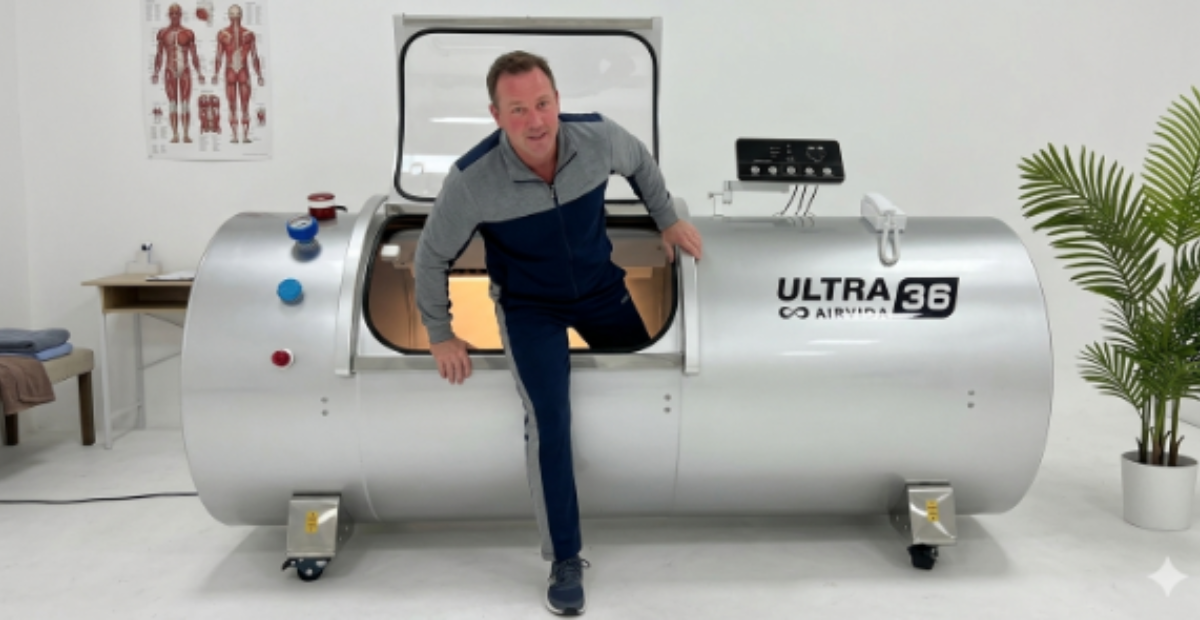
Can you drive after hyperbaric oxygen therapy? In most cases, yes. Most patients can safely drive after HBOT because the treatment does not typically affect coordination or alertness. However, some people may feel mild fatigue or ear pressure after a session. Understanding how your body reacts helps you decide whether it is best to drive immediately or wait a short time.
Understanding Hyperbaric Oxygen Therapy and Its Immediate Effects
Hyperbaric oxygen therapy (HBOT) is a treatment where you breathe pure oxygen inside a pressurized chamber. The increased pressure allows oxygen to dissolve more easily into your blood and tissues.
Doctors often recommend this therapy for wound healing, inflammation reduction, and certain neurological conditions. Many wellness centers also use it for recovery, cognitive health, and improved circulation. Because the therapy changes pressure levels and oxygen intake, patients sometimes wonder if normal activities like driving are safe immediately afterward.
How HBOT Affects the Body Right After a Session

During a session, oxygen saturation in your body increases significantly. This helps tissues repair faster and supports cellular energy production. Most people leave a session feeling relaxed or refreshed. Some even describe it as similar to the feeling after a nap or a deep breathing session.
However, a few temporary sensations can occur after treatment:
-
Mild tiredness
-
Ear pressure similar to airplane travel
-
Lightheadedness in rare cases
These effects are usually mild and disappear quickly. For most people, they do not interfere with daily activities like driving. However, individuals who want to learn more about oxygen therapy’s potential neurological benefits may explore best hyperbaric oxygen therapy for cognitive impairment to better understand how the treatment may support brain health and recovery.
Can You Drive After Hyperbaric Oxygen Therapy?
The short answer is yes, most people can drive after a session. Hyperbaric oxygen therapy does not involve sedatives or medications that affect reaction time. Many clinics allow patients to leave and drive themselves home immediately after treatment.
Still, individual responses can vary. It is helpful to understand when driving is completely fine and when it may be better to wait a little while.
Typical Post-Treatment Experience
Most patients finish their session feeling normal or slightly energized. Oxygen therapy often improves mental clarity rather than reducing it. This means driving is usually safe right after the appointment.
However, first-time patients may want to see how their body reacts before getting behind the wheel.
When It May Be Better to Wait
Occasionally, a person may experience temporary effects after treatment.
These include:
-
Mild fatigue
-
Pressure changes in the ears
-
Lightheadedness
If you feel any of these symptoms, resting for 10 to 15 minutes before driving is a smart choice. Clinics often have waiting areas where patients can relax before leaving. Some treatment centers, including those highlighted on the hyperbaric chamber Staten Island page, encourage a short recovery period to help patients feel fully comfortable and alert before heading home.
Hyperbaric Collections You May Want to Shop

Why Some People Feel Tired After Hyperbaric Oxygen Therapy
Feeling slightly tired after HBOT is normal for some patients. This reaction is usually temporary and related to how the body processes the increased oxygen levels.
Your body uses the oxygen boost to repair tissues and improve cellular activity. That process can leave you feeling relaxed or sleepy.
For many people, the tiredness disappears quickly.
Reasons You Might Feel Fatigue
Several factors can influence how you feel after treatment.
|
Factor |
Why It Happens |
|
Increased oxygen delivery |
Cells begin repair processes that use energy |
|
Pressure changes |
Similar sensation to airplane travel |
|
Relaxation response |
The body shifts into recovery mode |
These effects are usually mild and temporary.
If you feel tired, simply resting for a few minutes before driving can help.
How Long Should You Wait Before Driving?
Most patients can drive immediately after a session. Still, some people prefer to wait briefly, especially after their first appointment.
The table below shows general guidance.
|
Situation |
Suggested Action |
|
First HBOT session |
Wait 10–15 minutes to see how you feel |
|
Feeling normal |
Driving is usually safe |
|
Experiencing fatigue |
Rest until symptoms pass |
|
Ear pressure |
Wait until pressure equalizes |
In most cases, symptoms resolve quickly.
If anything feels unusual, it is always safest to wait until you feel fully comfortable before driving.
Hyperbaric Chambers You May Want to Shop
Explore More


Safety Tips Before Driving After HBOT
Even though driving after treatment is typically safe, a few simple precautions can help.
-
Drink water after your session
-
Sit for a few minutes before leaving
-
Pay attention to how your body feels
-
Ask clinic staff if you feel unusual symptoms
These steps help ensure a comfortable transition back to normal activities.
Who Should Be More Careful After Treatment?
Most people tolerate hyperbaric oxygen therapy very well. However, certain groups may want to be more cautious before driving.
First-Time Patients
Your body may react differently during your first session. Waiting a few minutes helps you understand how you feel before driving.
People With Ear Sensitivity
Pressure changes inside the chamber can affect the ears. If you still feel pressure or mild discomfort, waiting until it resolves is recommended.
Patients Undergoing Frequent Sessions
Some therapy plans involve multiple sessions per week. If you feel fatigued after repeated treatments, it may be helpful to schedule a short rest after each appointment.
Why People Use Hyperbaric Oxygen Therapy

HBOT has gained popularity for a wide range of medical and wellness uses.
Some people use it for recovery after injuries. Others seek it for neurological or cognitive support.
Recent research also explores how oxygen therapy may help with conditions affecting hair growth or brain function.
If you are interested in specific applications, you can learn more about them in this article:
Best Hyperbaric Oxygen Therapy for Alopecia. This article explores how oxygen therapy may support different wellness goals.
Choosing the Right Hyperbaric Chamber
The experience of HBOT also depends on the type of chamber used.
Modern chambers are designed to be comfortable and safe. Many allow users to relax, read, or watch something during treatment.
AirVida offers high-quality options designed for both clinics and personal wellness setups.
You can explore available models here: hyperbaric chamber Worcester collection. This collection highlights advanced chambers designed to provide consistent oxygen therapy sessions.
What Happens During a Hyperbaric Oxygen Session

Understanding the therapy itself can also help explain why driving afterward is usually safe.
Step-by-Step Overview
-
You enter the chamber and lie down comfortably
-
Pressure slowly increases to the prescribed level
-
You breathe concentrated oxygen
-
The session typically lasts 60 to 90 minutes
-
Pressure gradually returns to normal
The gradual pressure change prevents sudden physical effects.
Because the process is gentle and controlled, most people finish the session feeling normal.
Benefits That Keep People Returning to HBOT
Many people continue using hyperbaric oxygen therapy because of the potential benefits it offers.
Common reasons include:
-
Supporting wound healing
-
Reducing inflammation
-
Improving oxygen circulation
-
Assisting recovery after physical activity
-
Supporting cognitive health
While research continues, the therapy has already been used in hospitals and clinics worldwide for decades. Its applications continue to expand, including recovery support after procedures. For example, this Hyperbaric Chamber Hair Transplant: Recovery Guide & Benefits article explains how oxygen therapy may assist healing and improve post-transplant recovery outcomes.
Final Thoughts: Can You Drive After Hyperbaric Oxygen Therapy?

So, can you drive after hyperbaric oxygen therapy? For most people, the answer is yes. HBOT does not impair coordination or alertness, which means driving after treatment is usually safe.
However, everyone reacts slightly differently. If you feel mild fatigue or ear pressure, taking a short rest before driving is the best approach. By paying attention to how your body responds, you can safely return to your normal routine after each session.
Frequently Asked Questions
Can you drive after HBOT?
Yes, you can usually drive after HBOT because the therapy does not involve sedatives or medications that impair reaction time. Most patients leave the clinic and continue their daily routine without restrictions.
However, a small number of people may experience mild fatigue or pressure changes in the ears. If that happens, resting for a few minutes before driving can help you feel more comfortable. Clinics often recommend paying attention to your body after your first session to see how you respond.
Is it normal to be tired after hyperbaric oxygen therapy?
Yes, feeling slightly tired after hyperbaric oxygen therapy can be normal for some patients. The body uses the increased oxygen supply to support healing, cellular repair, and metabolic activity.
This process can create a temporary relaxation effect, similar to how you might feel after a massage or deep breathing session. The fatigue usually disappears quickly and is not considered harmful. Staying hydrated and resting briefly after the session can help your energy return to normal.
How many times a week is hyperbaric oxygen therapy?
Hyperbaric oxygen therapy is commonly performed two to five times per week depending on the treatment plan. Medical conditions often require a structured schedule prescribed by a healthcare professional.
Some wellness programs use fewer sessions for general recovery or performance support. The total number of sessions can range from 10 to 40 or more, depending on the condition being treated. Your provider will determine the best frequency based on your goals and health needs.
Can you bring your phone into a hyperbaric chamber?
Most hyperbaric chambers do not allow phones inside because electronic devices can pose safety risks in high-oxygen environments. Oxygen-rich conditions increase the risk of fire if electronic equipment malfunctions.
Some specialized chambers allow approved devices designed specifically for HBOT environments. However, standard smartphones are usually not permitted. Clinics typically provide entertainment options or allow patients to relax, nap, or listen to approved audio systems during treatment.