


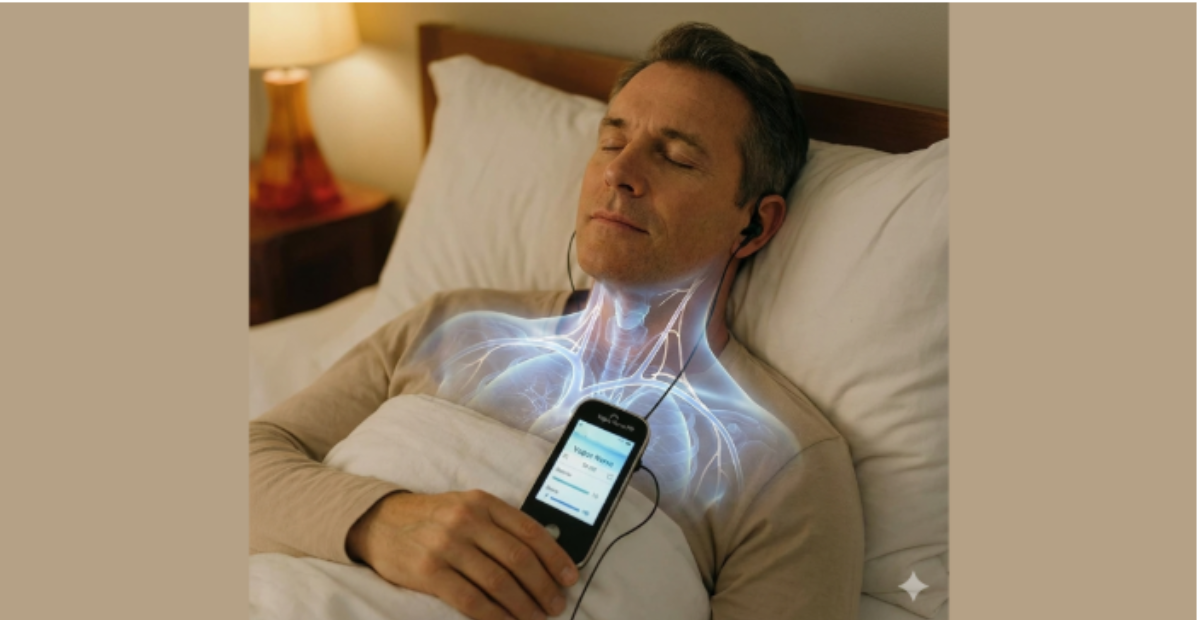
Vagus cranial nerve function refers to how the body’s longest cranial nerve controls communication between the brain and vital organs. It regulates heart rate, digestion, inflammation, and the body’s relaxation response.
Understanding vagus cranial nerve function helps explain how calm, recovery, and internal balance are restored after stress or injury.
Understanding the Vagus Cranial Nerve
The vagus nerve is often called the body’s main communication highway between the brain and internal organs. It is responsible for maintaining balance in the nervous system and ensuring that organs work together efficiently rather than independently.
This nerve plays a central role in regulating involuntary processes that keep you alive and stable without conscious effort. It helps coordinate heart rate, digestion, breathing patterns, and stress responses, acting as a communication highway between the brain and body. Some researchers also explore supportive therapies, such as Oxygen Therapy for Seizures, for neurological balance.
Vagus Nerve Device You May Want to Shop
Explore More
What Is the Vagus Cranial Nerve?
The vagus nerve is the tenth cranial nerve, commonly referred to as Cranial Nerve X. It originates in the brainstem and travels downward through the neck into the chest and abdomen, branching into multiple organs along the way.
Unlike most nerves that serve a single region, the vagus nerve connects the brain to the heart, lungs, stomach, intestines, liver, and spleen. This wide reach explains why it influences so many bodily systems at once.
It carries signals in both directions, sending instructions from the brain to organs and relaying sensory feedback back to the brain. This two-way communication is essential for maintaining internal stability.
Why the Vagus Nerve Is Unique Among Cranial Nerves
Most cranial nerves handle either sensory or motor functions in a limited area, such as vision or facial movement. The vagus nerve is different because it combines sensory input, motor control, and autonomic regulation across the entire torso.
Approximately 80 percent of its fibers carry sensory information from the organs back to the brain. This allows the brain to monitor organ health in real time and adjust responses accordingly.
Because of this extensive feedback system, the vagus nerve acts as a regulator rather than a simple switch. It fine-tunes bodily functions instead of turning them on or off.
Vagus Cranial Nerve Function Explained

To understand why this nerve matters so much, it helps to break down what it actually does in daily life. Its influence is constant, even when you are asleep or unaware of it.
Core Functions of the Vagus Cranial Nerve
The vagus nerve primarily governs the parasympathetic nervous system, often described as the rest and digest system. This system counterbalances the fight or flight response driven by stress hormones.
Key roles include:
-
Slowing heart rate after stress
-
Supporting digestion and nutrient absorption
-
Regulating breathing patterns
-
Controlling inflammation through immune signaling
When the vagus nerve is functioning properly, the body transitions smoothly between activity and rest. When it is impaired, stress responses may linger longer than they should.
How It Regulates the Autonomic Nervous System
The autonomic nervous system has two main branches: sympathetic and parasympathetic. The vagus nerve is the primary driver of parasympathetic activity.
It signals the heart to beat more slowly, tells the lungs to relax breathing rhythms, and stimulates digestive enzymes and gut movement. This creates a state where healing, repair, and energy conservation can occur.
A strong vagal response helps the body recover quickly after physical or emotional stress. This adaptability is often referred to as vagal tone, and higher vagal tone is associated with better resilience, emotional regulation, and cardiovascular health. Many people explore wellness strategies like the Hyperbaric Chamber Bed Benefits to support overall physiological balance and recovery.
Table: Sympathetic vs Parasympathetic Influence
|
Function Area |
Sympathetic Response |
Parasympathetic Response |
|
Heart Rate |
Increases |
Slows |
|
Digestion |
Suppressed |
Stimulated |
|
Breathing |
Rapid |
Calm |
|
Inflammation |
Elevated |
Reduced |
How the Vagus Cranial Nerve Function Affects Major Organs
The reach of the vagus nerve explains why supporting it may have whole-body benefits rather than isolated effects.
Heart and Cardiovascular Regulation
The vagus nerve directly influences the sinoatrial node, the heart’s natural pacemaker. When activated, it releases acetylcholine, which slows the heart rate and stabilizes rhythm.
Healthy vagal activity is associated with better heart rate variability, a marker often linked to resilience and cardiovascular health. Lower variability may indicate chronic stress or nervous system imbalance.
This connection explains why breathing exercises and relaxation techniques often improve heart function indirectly through vagal stimulation.
Digestive System and Gut Communication
The vagus nerve controls muscle contractions that move food through the digestive tract. It also signals the release of stomach acid, bile, and digestive enzymes.
When vagus cranial nerve function is impaired, digestion may slow down, leading to bloating, discomfort, or irregular bowel movements. The brain-gut connection relies heavily on vagal signaling.
This pathway also allows gut inflammation or imbalance to affect mood and cognitive clarity, which some people explore addressing through therapies like an Air Embolism Hyperbaric Chamber for overall neurological support.
Immune System and Inflammation Control
One of the most important discoveries about the vagus nerve is its role in the inflammatory reflex. This mechanism allows the nervous system to regulate immune responses.
When inflammation rises, sensory fibers signal the brain, which then sends calming signals back through the vagus nerve to reduce excessive immune activity. This prevents chronic inflammation from damaging tissues.
Because of this, vagal health is often discussed in relation to autoimmune conditions and recovery support.
Vagus Cranial Nerve Function and Brain Health

The vagus nerve does not just serve the body. It also plays a major role in how the brain processes stress, emotion, and recovery.
Stress Regulation and Emotional Balance
The vagus nerve helps deactivate the stress response once a threat has passed. When it functions well, cortisol levels fall faster, and the nervous system returns to baseline.
Low vagal tone is often associated with anxiety, irritability, and difficulty calming down. High vagal tone supports emotional regulation and resilience.
This is why practices that promote relaxation often feel calming at both a physical and emotional level.
Role in Sleep and Recovery
Parasympathetic activity increases during sleep, and the vagus nerve supports this transition. It helps slow breathing, lower heart rate, and shift the body into repair mode.
Poor vagal signaling may interfere with deep sleep cycles and recovery quality. Over time, this can compound fatigue and stress.
Restorative sleep is one of the clearest signs that the parasympathetic system is working efficiently.
Supporting Vagus Cranial Nerve Function Naturally
Supporting this nerve often involves creating conditions where the parasympathetic system can activate regularly and fully, helping address issues linked to Vagus Nerve Dysfunction Symptoms.
Breathing and Body-Based Techniques
Slow diaphragmatic breathing stimulates vagal afferent pathways. This type of breathing increases pressure changes in the chest that activate vagal receptors.
Gentle movement, stretching, and posture alignment may also reduce tension around the neck where the nerve passes.
These approaches are often used as daily habits rather than one-time solutions.
Oxygen, Pressure, and Nervous System Support
Oxygen availability and circulation influence nerve health. Emerging interest has focused on therapies that support oxygen delivery to tissues and neurological structures.
Some individuals explore modalities such as oxygen-based therapies as part of a broader wellness strategy. Research into neurological recovery often highlights oxygen’s role in cellular repair and nerve signaling.
For those seeking advanced recovery environments, exploring Hyperbaric Stroke Therapy solutions may be relevant in contexts involving neurological stress or healing support.
Vagus Cranial Nerve Function and Recovery Environments

Recovery is not only about rest. It is also about creating conditions where the nervous system feels safe enough to shift into repair mode.
Physical Positioning and Nervous System Calm
Body positioning affects vagal signaling. Reclined, supported positions often promote parasympathetic dominance by reducing muscular tension and strain.
This is one reason recovery-focused environments emphasize comfort, stability, and reduced sensory overload.
Some individuals consider recovery setups, such as the Hyperbaric Chamber Beds system, to support relaxation and neurological balance during therapy sessions.
Nervous System Balance in Long-Term Wellness

Long-term stress can weaken vagal responsiveness. Over time, the body may remain stuck in sympathetic dominance.
Regular parasympathetic activation helps restore adaptability. This balance allows the body to respond to challenges without remaining in a constant state of alert.
Understanding vagus cranial nerve function offers insight into why recovery strategies must address the nervous system, not just symptoms.
Practical Signs of Healthy vs Impaired Vagal Function
Observing how the body responds to stress and recovery can offer clues about vagal health.
Signs of Strong Vagal Function
-
Calm breathing at rest
-
Good digestion without frequent discomfort
-
Ability to relax after stress
-
Stable mood and emotional regulation
Signs of Reduced Vagal Function
-
Persistent tension or anxiety
-
Digestive irregularities
-
Difficulty sleeping or unwinding
-
Heightened inflammatory responses
These patterns do not diagnose conditions but highlight why nervous system balance matters.
Table: Daily Habits That Support Vagal Activity
|
Habit |
Impact on the Vagus Nerve |
|
Slow breathing |
Activates parasympathetic response |
|
Gentle movement |
Reduces nerve tension |
|
Adequate oxygen |
Supports nerve signaling |
|
Quality sleep |
Enhances recovery cycles |
Why Vagus Cranial Nerve Function Matters Long Term
This nerve plays a foundational role in how the body maintains balance over a lifetime.
Prevention Through Regulation
Rather than reacting to symptoms, supporting vagal function focuses on regulation. A well-regulated nervous system reduces the likelihood of chronic stress-related conditions.
The vagus nerve acts as a buffer between external stressors and internal responses.
Whole Body Integration
Because it connects so many systems, improving vagal activity often produces wide-ranging benefits. This interconnected role explains why it is increasingly discussed in wellness and recovery conversations.
Understanding vagus cranial nerve function helps frame health as a system rather than isolated organs.
Key Takeaway on Vagus Cranial Nerve Function
Vagus cranial nerve function is central to how the body regulates stress, digestion, immunity, and recovery. By supporting this nerve, the body can return to balance more efficiently after physical or emotional challenges.
A calm nervous system is not passive. It is actively repairing, regulating, and maintaining internal stability.
Frequently Asked Questions About Vagus Cranial Nerve Function
Why is the vagus nerve so special?
The vagus nerve is special because it connects the brain to nearly every major organ and regulates the parasympathetic nervous system. Unlike most nerves that serve one area, it coordinates heart rate, digestion, breathing, and inflammation at the same time. This wide influence allows the body to recover after stress and maintain internal balance. Its ability to carry sensory feedback from organs to the brain also makes it essential for real-time regulation and long-term health.
What happens if the vagus nerve is activated?
When the vagus nerve is activated, the body shifts into a rest and recovery state. Heart rate slows, breathing becomes deeper, digestion improves, and stress hormones decrease. This activation tells the body that it is safe to conserve energy and repair tissues. Over time, regular vagal activation supports emotional regulation, immune balance, and overall nervous system resilience.
Is the vagus cranial nerve sensory or motor?
The vagus cranial nerve is both sensory and motor, but it is primarily sensory. About 80 percent of its fibers carry information from organs back to the brain, allowing the brain to monitor internal conditions. The remaining fibers send motor signals that control muscle movement in the throat, heart rate regulation, and digestive activity. This dual role makes it a powerful regulatory nerve.
What is the superpower of the vagus nerve?
The superpower of the vagus nerve is its ability to calm the body and promote healing. It reduces stress responses, controls inflammation, and supports recovery across multiple systems at once. Activating parasympathetic pathways, it helps the body adapt instead of staying stuck in fight or flight mode. This adaptability is essential for long-term resilience and balance.