


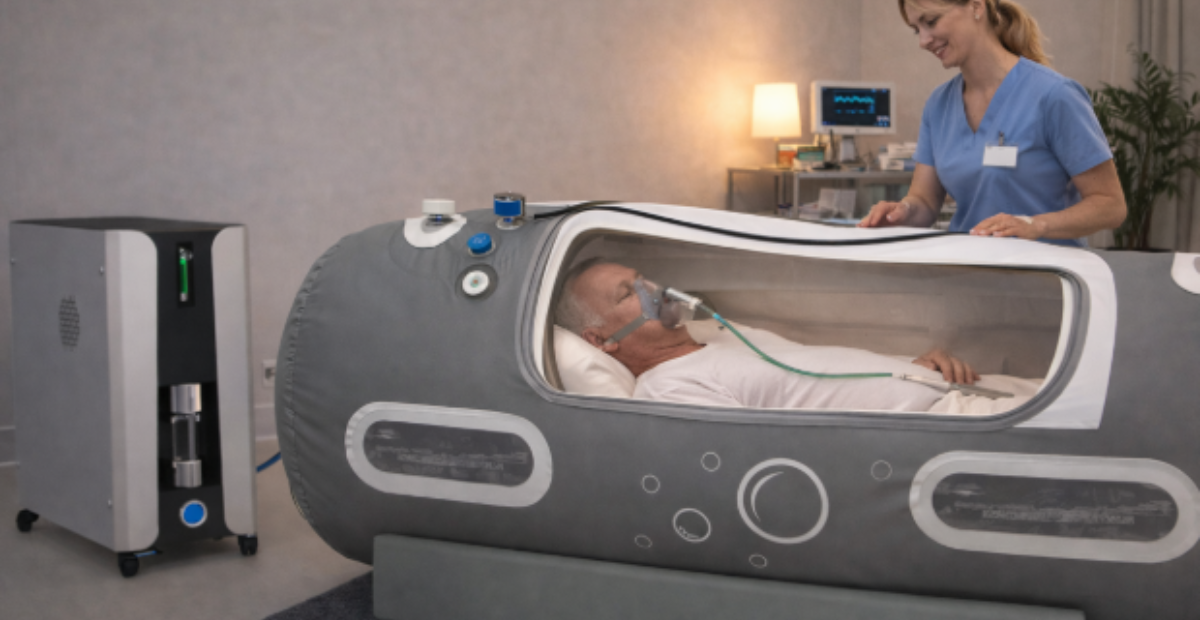
Hyperbaric oxygen therapy for radiation cystitis is a proven treatment that delivers pure oxygen under increased atmospheric pressure to help damaged bladder tissue heal. This therapy works by flooding oxygen-starved tissues with the nutrients needed for repair, reducing bleeding episodes by 75-90% in most patients.
If you're dealing with the painful aftermath of pelvic radiation treatment, you know how frustrating and uncomfortable radiation cystitis can be. Between the bleeding, urgency, and pain, it can seriously impact your quality of life.
This guide explains how hyperbaric oxygen therapy works for radiation cystitis, what to expect during treatment, and why it's become a go-to option for patients who haven't found relief through other methods.
Experience advanced healing in comfort. Explore our soft hyperbaric chambers for home use designed for convenient therapy.
Understanding Radiation Cystitis and Why It Happens

Radiation cystitis develops when radiation therapy used to treat pelvic cancers damages the bladder lining and blood vessels. This condition can appear during treatment or months to years afterward, creating long-term complications that standard treatments often struggle to address.
What Causes Radiation Damage to the Bladder
When radiation targets cancers in the pelvis, like prostate, cervical, or bladder cancer, the bladder tissue inevitably receives some exposure. The radiation damages small blood vessels in the bladder wall, reducing blood flow and oxygen delivery to these tissues.
This oxygen deprivation, called hypoxia, prevents normal healing. The bladder lining becomes fragile, inflamed, and prone to bleeding. New blood vessel formation slows down, and the damaged vessels that remain are weak and easily irritated.
Over time, scar tissue builds up in the bladder wall. This scarring makes the bladder less elastic and more sensitive. The combination of poor blood flow, damaged vessels, and scarring creates a cycle where the bladder struggles to repair itself.
Radiation doses above 60 Gray significantly increase the risk of developing cystitis. Patients who receive combined radiation and chemotherapy face even higher risks. The bladder's proximity to treatment areas means it's nearly impossible to shield it completely during pelvic radiation.
Common Symptoms That Affect Daily Life
Radiation cystitis creates a range of uncomfortable symptoms that can interfere with work, sleep, and daily activities. The severity varies from person to person, but most patients experience multiple symptoms at once.
Primary symptoms include:
-
Blood in urine, ranging from slight discoloration to heavy bleeding with clots
-
Urgent need to urinate that feels impossible to ignore
-
Frequent trips to the bathroom, sometimes 20-30 times per day
-
Burning or pain during urination
-
Pelvic discomfort or pressure
-
Reduced bladder capacity, making it hard to hold normal amounts of urine
-
Nighttime urination is disrupting sleep patterns
The bleeding episodes can be particularly distressing. Some patients experience constant light bleeding, while others have sudden, heavy episodes that require emergency care. Blood clots can block urine flow, creating painful pressure and requiring catheterization.
These symptoms often worsen over time without treatment. The psychological impact shouldn't be underestimated, constant bathroom trips, fear of bleeding episodes, and chronic pain can lead to anxiety and social isolation.
Hyperbaric Collections You May Want to Shop

How Hyperbaric Oxygen Therapy Works for Radiation Cystitis
Hyperbaric oxygen therapy addresses the root cause of radiation cystitis by reversing the oxygen shortage in damaged bladder tissue. Inside a pressurized chamber, patients breathe pure oxygen that dissolves into blood plasma at levels up to 15 times higher than normal.
The Science Behind Oxygen Healing
During hyperbaric oxygen therapy for radiation cystitis, you sit or lie in a specialized chamber while breathing 100% oxygen. The chamber pressure increases to 2.0-2.4 times normal atmospheric pressure, similar to the pressure felt at 33-50 feet underwater.
This combination of pressure and pure oxygen forces oxygen molecules to dissolve directly into your blood plasma, cerebrospinal fluid, and lymph. Unlike normal breathing where oxygen only travels on red blood cells, this dissolved oxygen reaches areas with poor blood circulation.
The extra oxygen triggers several healing mechanisms:
-
Stimulates growth of new blood vessels (angiogenesis) in damaged tissue
-
Reduces swelling and inflammation in the bladder wall
-
Activates stem cells that help rebuild damaged tissue
-
Fights infection by boosting white blood cell function
-
Removes toxins and dead tissue from the treatment area
Studies show that 20-40 HBOT sessions create lasting improvements in bladder tissue health. The new blood vessels that form during treatment remain functional long after therapy ends, providing ongoing benefits.
Treatment Protocol and Session Structure

A standard hyperbaric oxygen therapy for radiation cystitis protocol involves 30-60 sessions spread over 6-12 weeks. Most patients complete one or two sessions per day, five days per week.
Each session follows this pattern:
Session breakdown:
|
Phase |
Duration |
What Happens |
|
Compression |
10-15 minutes |
Pressure gradually increases to treatment level |
|
Treatment |
60-90 minutes |
You breathe pure oxygen at full pressure |
|
Decompression |
5-10 minutes |
Pressure slowly returns to normal |
Total session time runs 75-115 minutes. You can read, listen to music, watch movies, or sleep during treatment. Some patients experience ear pressure during compression and decompression, similar to airplane takeoff and landing. Swallowing or yawning helps equalize the pressure.
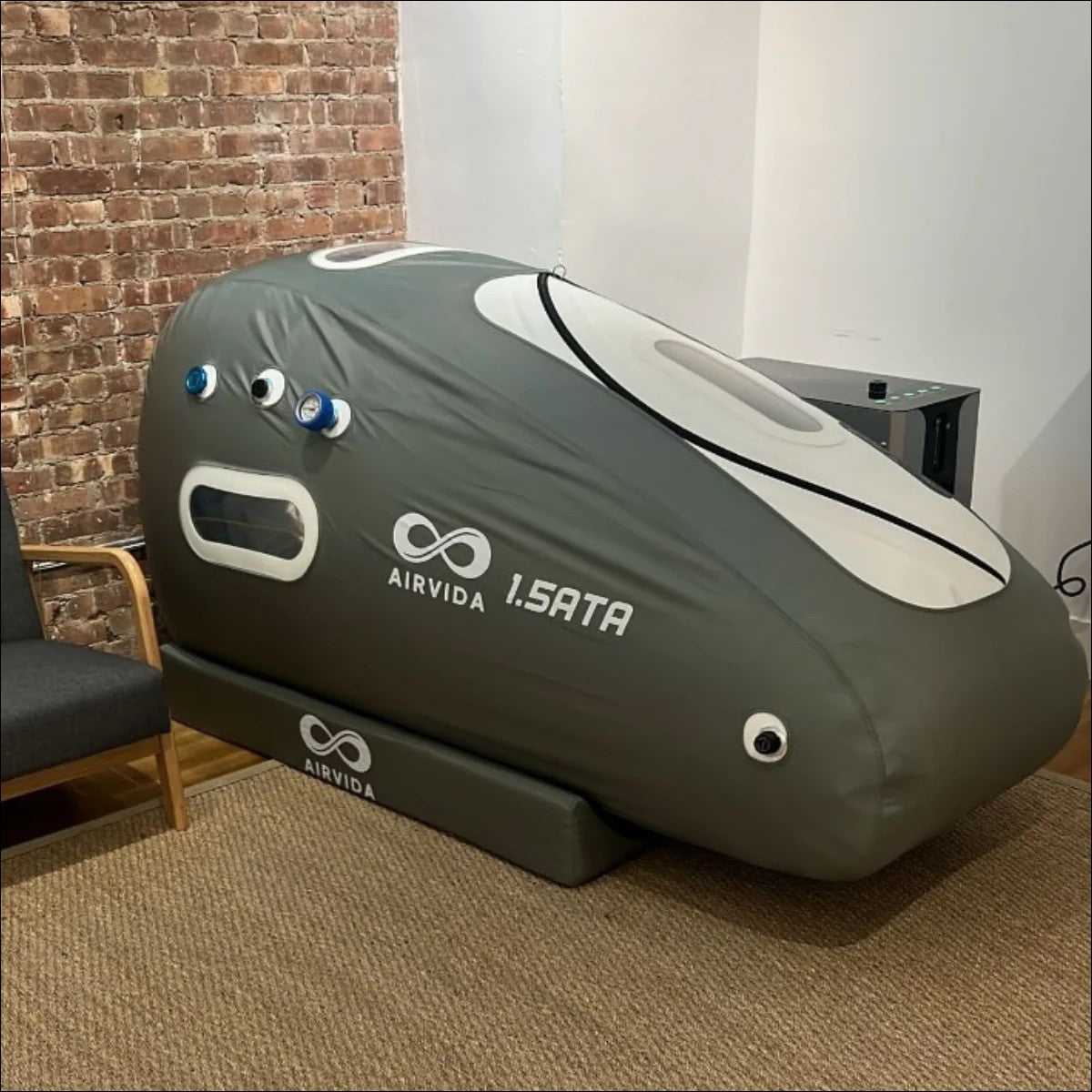
Airvida Chambers offers treatment options ranging from medical-grade hard shell hyperbaric chambers for sale to more accessible home units, making consistent treatment schedules easier to maintain.
Clinical Results and Success Rates

Research consistently shows that hyperbaric oxygen therapy produces significant improvements for patients with radiation cystitis. Multiple studies across different medical centers report similar positive outcomes.
What the Research Shows
Clinical trials demonstrate that 75-90% of radiation cystitis patients experience substantial symptom relief after completing HBOT. A 2016 study in the International Journal of Radiation Oncology found that 84% of patients saw complete resolution or significant improvement in bleeding episodes.
|
Outcome Measured |
Improvement Rate |
Study Details |
|
Bleeding reduction |
75-92% |
Across 12 clinical trials with 400+ patients |
|
Urinary frequency decrease |
60-70% |
Follow-up at 6 months post-treatment |
|
Pain relief |
55-65% |
Patient-reported outcomes at 1 year |
|
Quality of life improvement |
70-80% |
Validated assessment tools used |
The benefits typically appear gradually during treatment. Most patients notice reduced bleeding episodes after 15-20 sessions, with continued improvement throughout the full protocol. Follow-up studies show that improvements last 2-3 years or longer in the majority of patients.
Patients who start HBOT earlier in their cystitis progression tend to see better results. Those with severe, long-standing disease may need extended protocols with 50-60 sessions. Some patients require occasional maintenance sessions to sustain their improvements.
Comparing HBOT to Other Treatment Options
Traditional treatments for radiation cystitis focus on managing symptoms rather than healing damaged tissue. These include medications, bladder instillations, cauterization, and in severe cases, surgery to remove the bladder.
Standard treatments have limitations:
-
Oral medications provide temporary relief but don't address underlying tissue damage
-
Bladder instillations require repeated procedures and offer inconsistent results
-
Cauterization only treats visible bleeding sites, not the widespread vessel damage
-
Surgery carries significant risks and permanently impacts quality of life
Hyperbaric oxygen therapy stands out because it actually reverses the tissue damage causing symptoms. While medications might control bleeding temporarily, HBOT rebuilds the blood vessel network and restores normal bladder function.
The non-invasive nature of HBOT appeals to many patients. There are no surgical risks, no recovery period, and most people continue their normal activities between sessions. For patients exploring hyperbaric chamber treatment options, the safety profile and effectiveness make it an attractive first-line therapy.
What to Expect During HBOT Treatment
Starting hyperbaric oxygen therapy for radiation cystitis involves several steps, from initial evaluation through the completion of your treatment protocol. Understanding the process helps you prepare and know what's coming.
Getting Started with Treatment
Your journey begins with a consultation where a hyperbaric medicine specialist reviews your medical history, current symptoms, and radiation treatment records. They'll check for any conditions that might complicate HBOT, though these are rare.
Before starting, you'll typically undergo:
-
Physical examination focusing on bladder symptoms
-
Urine tests to check for infection and bleeding severity
-
Review of medications that might need adjustment
-
Ear examination to ensure you can equalize pressure safely
-
Baseline symptom questionnaire to track progress
Most patients can start treatment within 1-2 weeks of their consultation. Insurance authorization may take additional time, but many providers work directly with insurance companies to streamline approval.
You'll receive instructions about what to wear (100% cotton clothing), what to bring, and how to prepare. Metal objects, electronics, and petroleum-based products aren't allowed in the chamber due to fire risk in the oxygen-rich environment.
During Your Sessions
Each treatment session follows a comfortable routine. You enter the chamber, either walking into a multiplace hyperbaric chamber for clinics and wellness centers with other patients, or lying in a single-person chamber.
As pressure increases, your ears may feel full, like diving in a pool. Staff teach you techniques to equalize the pressure, making the experience comfortable. Once at treatment pressure, you simply relax and breathe normally.
Many patients use this time to catch up on reading, watch entertainment, or take a nap. The chamber has clear viewing panels and two-way communication systems, so you never feel isolated. Staff monitor you throughout the session.
Some people notice temporary effects during treatment:
-
Slight lightheadedness when first starting (usually resolves after a few sessions)
-
Temporary vision changes that reverse after completing treatment
-
Increased energy or improved sleep patterns
-
Gradual reduction in urinary symptoms
Side effects are generally mild. The most common is temporary nearsightedness that corrects itself within 6-8 weeks after finishing treatment. This happens in about 20% of patients and doesn't cause permanent changes.
Hyperbaric Chambers You May Want to Shop
Explore More


Choosing the Right Hyperbaric Chamber Setup
The type of hyperbaric chamber you use affects your treatment experience, convenience, and results. Medical facilities use different chamber systems depending on their patient volume and treatment protocols.
Chamber Types for Radiation Cystitis Treatment
Hospital-based programs typically use large multiplace chambers where 4-10 patients receive treatment simultaneously with a medical attendant inside. These chambers offer the highest treatment pressures and allow for emergency intervention if needed.
Monoplace chambers treat one patient at a time in a clear acrylic tube. The entire chamber fills with oxygen, eliminating the need for a mask or hood. Many patients prefer the visibility and personal space of these units.
For ongoing maintenance or follow-up treatments, some patients consider home-based options. While lower-pressure portable units can't replace the initial treatment protocol, they may help maintain improvements. Airvida Chambers provides advanced hard hyperbaric chamber systems suitable for both clinical and home settings.
Cost considerations vary widely. Learning about hyperbaric chamber therapy cost helps you plan financially and understand what insurance typically covers for radiation cystitis treatment.
Maximizing Your Treatment Results
While hyperbaric oxygen therapy does the heavy lifting in healing radiation-damaged tissue, several factors influence how well and how quickly you respond to treatment.
Lifestyle Factors That Support Healing
Smoking significantly reduces HBOT effectiveness. Nicotine constricts blood vessels, working directly against the therapy's goal of improving circulation. Patients who smoke may see 30-40% less benefit compared to non-smokers.
If you smoke, quitting before starting HBOT makes a substantial difference. Even reducing smoking during treatment helps, though complete cessation provides the best outcomes. Your treatment team can connect you with smoking cessation resources.
Hydration supports the healing process. Drinking adequate water helps flush damaged tissue debris and keeps the bladder lining healthy. Aim for 8-10 glasses of water daily unless your doctor advises otherwise.
Additional supportive measures:
-
Maintain stable blood sugar levels if you have diabetes
-
Continue prescribed medications unless instructed to adjust them
-
Eat a balanced diet rich in protein to support tissue repair
-
Avoid alcohol, which can irritate the bladder lining
-
Get adequate sleep to support your body's healing mechanisms
-
Manage stress through relaxation techniques or counseling
Some patients find that certain foods or drinks trigger bladder irritation. Common irritants include caffeine, acidic foods, artificial sweeteners, and spicy dishes. Keeping a symptom diary helps identify your personal triggers.
Long-Term Outlook After Treatment
Most patients experience sustained improvements lasting several years after completing hyperbaric oxygen therapy for radiation cystitis. The new blood vessels formed during treatment continue functioning, providing ongoing benefits.
However, radiation damage is permanent at the cellular level. Some patients may need occasional maintenance sessions if symptoms gradually return. This typically involves 5-10 sessions rather than a full protocol.
Regular follow-up with your urologist remains important. They'll monitor your bladder health and catch any issues early. Annual cystoscopy examinations help track the condition of your bladder lining.
Understanding the full scope of hyperbaric chamber benefits helps set realistic expectations about what HBOT can and cannot do for radiation-related complications.
Key Takeaways on HBOT for Radiation Cystitis
Hyperbaric oxygen therapy offers real hope for patients struggling with radiation cystitis when other treatments have fallen short. The therapy's ability to actually heal damaged tissue, rather than just mask symptoms, makes it a valuable tool in managing this challenging condition.
Success rates consistently show that 75-90% of patients experience meaningful improvement. The treatment is non-invasive, well-tolerated, and backed by solid clinical evidence. While the time commitment is significant, requiring 30-60 sessions over several weeks, most patients feel the results are worth the investment.
The key is starting treatment before damage becomes too severe and working with experienced providers who understand the specific protocols for radiation injuries. Whether you're just beginning to experience symptoms or have been dealing with radiation cystitis for years, HBOT deserves consideration in your treatment plan.
Airvida Chambers supports patients and medical professionals with comprehensive hyperbaric solutions, from large-capacity multiplace HBOT chamber systems for high-volume clinical settings to portable options for continued care. The right equipment and proper treatment protocols can make a significant difference in your recovery journey.
Frequently Asked Questions
How does HBOT help radiation cystitis?
HBOT helps radiation cystitis by delivering high concentrations of oxygen to damaged bladder tissue under increased atmospheric pressure. This oxygen saturates the blood plasma and reaches areas with poor circulation, stimulating new blood vessel growth, reducing inflammation, and promoting tissue repair. The therapy reverses the oxygen deprivation that prevents normal healing in radiation-damaged bladder walls.
What is the best treatment for radiation cystitis?
The best treatment for radiation cystitis depends on severity, but hyperbaric oxygen therapy is considered the most effective option for moderate to severe cases. For mild cases, conservative management with medications and bladder instillations may suffice. Severe cases often require HBOT as the primary treatment, with success rates of 75-90% for significant symptom improvement. Surgery is reserved for cases that don't respond to other treatments.
Can a hyperbaric chamber help with radiation exposure?
Yes, hyperbaric chambers specifically help with delayed radiation injuries like cystitis, proctitis, and tissue necrosis. The therapy addresses the long-term damage radiation causes to blood vessels and tissue rather than treating acute radiation exposure. HBOT works by reversing the chronic oxygen deprivation and poor blood flow that result from radiation damage, promoting healing in tissues that have struggled to recover naturally.
Does radiation cystitis ever go away?
Radiation cystitis rarely resolves completely on its own without treatment. The condition typically persists or worsens over time because the underlying tissue damage prevents natural healing. However, with proper treatment, particularly hyperbaric oxygen therapy, 70-90% of patients experience significant improvement or complete resolution of symptoms. The healing achieved through HBOT is generally long-lasting, with benefits persisting for years after treatment completion.
What triggers radiation cystitis?
Radiation cystitis is triggered by radiation therapy used to treat pelvic cancers, including prostate, cervical, bladder, and rectal cancers. The radiation damages small blood vessels in the bladder wall, creating poor circulation and oxygen deprivation. Symptoms can appear during treatment (acute cystitis) or develop months to years later (late or chronic cystitis). Higher radiation doses and combined radiation-chemotherapy treatments increase the risk of developing this condition.
How long does it take to see results from HBOT for radiation cystitis?
Most patients begin noticing reduced bleeding episodes after 15-20 hyperbaric oxygen therapy sessions, with continued improvement throughout the full 30-60 session protocol. Some patients experience relief earlier, while others see gradual changes over several weeks. Maximum benefit typically occurs 2-3 months after completing treatment as new blood vessels mature and tissue healing continues. Individual response varies based on severity of damage and overall health status.
Disclaimer
Airvida and partners advice does not constitute medical advice and is intended for informative and educational purposes only with no medical or non medical claims being made. While research & studies show the potential Hyperbaric Oxygen Therapy (HBOT) and Hyperbaric Air Therapy (HBAT) may have implied benefits, individual results may vary. It is required by Airvida & Partners to consult with doctors before being approved for Hyperbaric Therapy (HBOT & HBAT). Read More HERE