



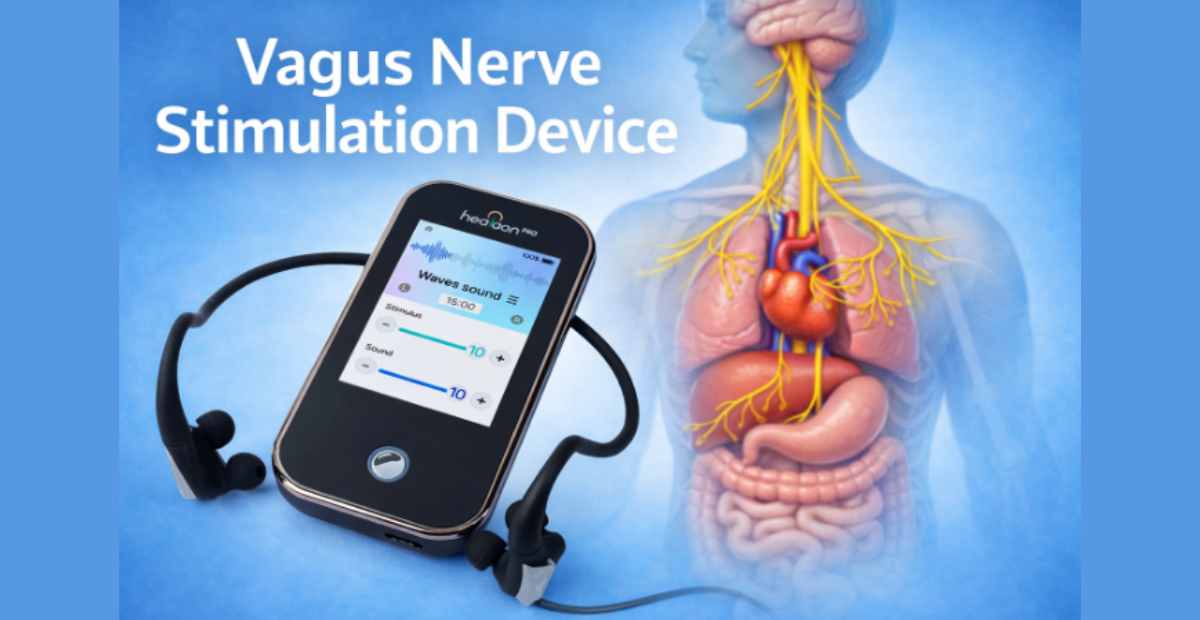
Vagus nerve dysfunction happens when the longest cranial nerve in your body stops working correctly, disrupting communication between your brain and vital organs. This condition can trigger a wide range of symptoms affecting digestion, heart rate, breathing, and emotional regulation.
Understanding vagus nerve dysfunction is essential because this nerve controls so many automatic body functions you usually don't think about. When it malfunctions, you might experience dizziness, digestive problems, anxiety, or difficulty swallowing, symptoms that often puzzle doctors because they seem unrelated.
In this guide, you'll discover what causes vagus nerve problems, how to recognize the warning signs, and which treatment approaches work best for restoring proper nerve function.
Restore balance and support your nervous system naturally. Explore our Airvida Chambers wellness and oxygen therapy solutions for comprehensive vagus nerve support.
Vagus Nerve Device You May Want to Shop
Explore More
What Is Vagus Nerve Dysfunction
The vagus nerve is the tenth cranial nerve and the longest nerve in your autonomic nervous system. It starts at your brainstem and travels down through your neck and chest, branching out to major organs including your heart, lungs, stomach, and intestines.
When this nerve functions normally, it regulates critical processes like heart rate, digestion, breathing, and inflammation response. It also plays a major role in your parasympathetic nervous system, which helps your body rest and recover after stress.
Vagus nerve dysfunction refers to any condition where this nerve fails to send or receive signals properly. This breakdown in communication can be partial or complete, temporary or chronic, affecting one or multiple organs that depend on vagal input.
How the Vagus Nerve Controls Body Functions
Your vagus nerve acts like a superhighway of information between your brain and body. It carries signals in both directions, from your brain to your organs and back again.
This two-way communication controls several automatic functions:
-
Heart Rate: Slows your heartbeat during rest and recovery
-
Digestion: Stimulates stomach acid production and intestinal movement
-
Breathing: Influences respiratory rate and lung function
-
Inflammation: Regulates immune response throughout your body
-
Mood: Affects neurotransmitter production related to anxiety and depression
The vagus nerve also monitors conditions inside your body. It sends information about blood pressure, blood sugar, oxygen levels, and digestive status back to your brain for processing.
When functioning correctly, you never notice this constant background activity. Problems arise when signals get blocked, delayed, or misinterpreted.
What Causes Vagus Nerve Damage
Several factors can interfere with proper vagus nerve signaling:
Physical Injury: Surgery in the neck, chest, or abdomen can accidentally damage vagal fibers. Car accidents, falls, or trauma to the head and neck region may also affect nerve pathways.
Diabetes: High blood sugar levels over time can damage nerve fibers throughout your body, including the vagus nerve. This condition, called diabetic neuropathy, gradually reduces nerve function.
Infections: Viral or bacterial infections can inflame the vagus nerve or surrounding tissue. Lyme disease, herpes simplex, and even severe cases of flu have been linked to vagal problems.
Autoimmune Conditions: Diseases where your immune system attacks your own tissue can target nerve fibers. Conditions like Guillain-Barré syndrome or lupus may affect vagal function.
Chronic Stress: Persistent stress keeps your sympathetic nervous system overactive, which can suppress vagus nerve activity over time.
Tumors: Growths near the nerve pathway, especially in the neck, chest, or brainstem, can compress or damage vagal fibers.
Understanding these causes helps you and your healthcare provider identify risk factors and potential treatment approaches. For more background information, read our guide on understanding how the vagus nerve works.
Common Symptoms of Vagus Nerve Dysfunction
Symptoms vary widely depending on which branch of the vagus nerve is affected and how severely. Because this nerve connects to so many organs, dysfunction can create confusing patterns that seem unrelated at first.
Digestive System Symptoms

Many people with vagal problems experience significant digestive issues:
-
Gastroparesis: Delayed stomach emptying causing nausea, bloating, and feeling full quickly
-
Acid Reflux: Improper valve control leading to heartburn and regurgitation
-
Constipation: Slow intestinal movement causing infrequent bowel movements
-
Loss of Appetite: Difficulty sensing hunger or feeling satisfied after eating
-
Abdominal Pain: Cramping or discomfort without clear cause
The vagus nerve directly controls stomach acid production and intestinal contractions. When these signals fail, food moves too slowly through your system or not at all.
Cardiovascular Symptoms
Heart-related symptoms often prompt emergency room visits:
-
Bradycardia: Abnormally slow heart rate, especially at rest
-
Blood Pressure Drops: Sudden dizziness when standing up (orthostatic hypotension)
-
Heart Palpitations: Irregular heartbeat or racing pulse
-
Fainting: Loss of consciousness due to inadequate blood flow to the brain
Some people experience vasovagal syncope, a specific type of fainting triggered by vagus nerve overactivity. This happens when the nerve suddenly drops both heart rate and blood pressure simultaneously.
Respiratory and Throat Symptoms
Problems in the upper vagal branches affect breathing and swallowing:
-
Difficulty Swallowing: Sensation of food getting stuck (dysphagia)
-
Hoarse Voice: Changes in vocal quality or voice loss
-
Chronic Cough: Persistent coughing without infection
-
Shortness of Breath: Feeling unable to get enough air
These symptoms occur because the vagus nerve controls muscles in your throat, voice box, and airways. Damage to these branches can make basic functions like talking or eating surprisingly difficult.
Mental and Emotional Symptoms
The brain-gut connection means vagal dysfunction often affects mood:
-
Anxiety: Persistent worry or panic attacks
-
Depression: Low mood, loss of interest in activities
-
Brain Fog: Difficulty concentrating or remembering
-
Mood Swings: Rapid emotional changes
The vagus nerve influences neurotransmitter production and stress hormone regulation. When these signals malfunction, mental health often suffers alongside physical symptoms.
|
Body System |
Why It Happens |
Common Symptoms |
|
Digestive |
Reduced stomach acid and intestinal movement |
Nausea, bloating, constipation, acid reflux |
|
Cardiovascular |
Poor heart rate and blood pressure regulation |
Slow heart rate, dizziness, fainting, palpitations |
|
Respiratory |
Impaired throat and airway muscle control |
Hoarse voice, difficulty swallowing, chronic cough |
|
Mental/Emotional |
Disrupted neurotransmitter and stress response |
Anxiety, depression, brain fog, mood changes |
How Vagus Nerve Dysfunction Is Diagnosed
Getting an accurate diagnosis requires ruling out other conditions that cause similar symptoms. Your doctor will typically use several approaches to identify vagal problems.
Medical History and Physical Examination
Your healthcare provider starts by asking detailed questions about your symptoms, when they started, and what makes them better or worse. They'll review your medical history for diabetes, autoimmune diseases, recent infections, or surgeries.
During the physical exam, doctors check:
-
Gag reflex strength
-
Vocal cord movement
-
Heart rate variability
-
Blood pressure in different positions
-
Abdominal tenderness
These basic tests reveal obvious signs of vagal dysfunction, though subtle problems may need more advanced testing.
Specialized Diagnostic Tests

Several tests measure vagus nerve function directly:
Heart Rate Variability (HRV): This test analyzes the variation in time between heartbeats. High variability indicates good vagal tone, while low variability suggests dysfunction.
Tilt Table Test: You lie on a table that tilts upright while doctors monitor heart rate and blood pressure. Abnormal responses indicate autonomic nervous system problems.
Gastric Emptying Study: You eat food containing a small amount of radioactive material, then imaging shows how quickly your stomach empties. Slow emptying suggests vagal gastroparesis.
Endoscopy: A camera examines your throat and stomach to rule out structural problems and assess muscle function controlled by the vagus nerve.
Electromyography (EMG): This test measures electrical activity in muscles controlled by vagal branches, revealing nerve damage or weakness.
Treatment Options for Vagus Nerve Dysfunction
Treatment approaches depend on the underlying cause and severity of symptoms. Most people benefit from combining multiple strategies rather than relying on a single intervention.
Lifestyle Modifications

Simple changes can significantly improve vagal function:
Dietary Adjustments: Eat smaller, more frequent meals to reduce digestive burden. Avoid foods that worsen symptoms like fatty or spicy items. Stay hydrated throughout the day.
Stress Management: Practice deep breathing exercises, meditation, or yoga to activate the parasympathetic nervous system. Chronic stress suppresses vagal activity, so relaxation techniques are essential.
Regular Exercise: Moderate physical activity improves vagal tone and overall autonomic function. Start gently if you experience dizziness or fatigue.
Sleep Quality: Maintain consistent sleep schedules and create a restful environment. Poor sleep disrupts nervous system balance.
These lifestyle changes work best alongside other treatments and provide a foundation for recovery. Learn practical techniques in our guide about at-home vagus nerve stimulation methods.
Medical Treatments
When lifestyle changes aren't enough, medical interventions may help:
Medications: Drugs that improve gastric motility treat digestive symptoms. Anti-nausea medications reduce discomfort. In some cases, medications that affect heart rate or blood pressure become necessary.
Physical Therapy: Specialized exercises strengthen muscles affected by vagal dysfunction. Therapists may focus on swallowing techniques or breathing patterns.
Surgery: Severe cases may require surgical intervention, especially if tumors compress the nerve or structural problems block signals. Gastric pacemakers can help with gastroparesis.
Vagus Nerve Stimulation Therapy
Electrical stimulation directly targets nerve function and has shown promising results for various conditions related to vagus nerve dysfunction:
Implanted Devices: Surgically placed stimulators deliver regular electrical impulses to the vagus nerve. Originally developed for epilepsy, these devices now treat depression and other conditions.
Non-Invasive Devices: External stimulators apply gentle electrical currents through the skin, typically at the neck or ear. These offer a less invasive option with fewer risks than surgery.
For targeted relief, especially for those experiencing headaches alongside vagal symptoms, consider vagus nerve stimulators designed for cluster headache support.
The Neurive Healaon Pro vagus nerve stimulator device provides convenient at-home therapy with adjustable intensity levels suited for various symptom severities.
|
Treatment Type |
Best For |
How It Works |
Considerations |
|
Lifestyle Changes |
Mild symptoms, prevention |
Reduces stress, improves diet, enhances sleep |
Takes time, requires consistency |
|
Medications |
Specific symptoms (nausea, heart rate) |
Targets individual symptoms directly |
May have side effects, not curative |
|
Physical Therapy |
Swallowing, breathing issues |
Strengthens affected muscles |
Needs professional guidance |
|
Vagus Nerve Stimulation |
Chronic symptoms, multiple systems |
Electrically activates nerve pathways |
Ranges from invasive to non-invasive options |
Natural Ways to Support Vagus Nerve Health
Beyond medical treatments, several evidence-based natural approaches can improve vagal tone and reduce dysfunction symptoms.
Breathing Techniques

Deep, slow breathing directly stimulates the vagus nerve. Try this simple exercise:
-
Breathe in slowly through your nose for 4 counts
-
Hold your breath for 7 counts
-
Exhale completely through your mouth for 8 counts
-
Repeat 5-10 times
This 4-7-8 breathing pattern activates the parasympathetic nervous system and improves vagal tone with regular practice.
Cold Exposure
Brief cold exposure triggers the "dive reflex," which activates the vagus nerve:
-
Splash cold water on your face
-
Take cold showers (start with 30 seconds)
-
Hold a cold pack against your neck
The shock of cold water sends signals through vagal pathways, potentially improving function over time.
Singing and Humming
Vibrations from your vocal cords stimulate the vagus nerve in your throat:
-
Hum your favorite tune for several minutes
-
Sing along to music
-
Chant or practice vocal exercises
These activities engage vagal fibers controlling your voice box while creating therapeutic vibrations.
Massage and Physical Touch
Gentle massage in specific areas can stimulate vagal pathways:
-
Neck massage (especially along the sides)
-
Foot massage (reflexology points)
-
Abdominal massage (gentle, clockwise circles)
Professional massage therapy may provide additional benefits, especially for chronic tension patterns. For more natural approaches, explore our article on ways to stimulate the vagus nerve naturally.
Social Connection
Positive social interactions naturally activate the vagus nerve. Laughter, meaningful conversations, and physical touch from trusted people all improve vagal tone. Make time for:
-
Face-to-face conversations with friends
-
Family gatherings and shared meals
-
Activities that bring genuine joy and laughter
The nervous system evolved to respond positively to safe social environments, and these interactions support vagal health.
When to See a Doctor
While mild vagal symptoms may improve with home care, certain warning signs require immediate medical attention.
Emergency Symptoms
Seek emergency care if you experience:
-
Fainting or loss of consciousness
-
Severe chest pain or pressure
-
Difficulty breathing that worsens
-
Inability to swallow liquids
-
Severe abdominal pain with vomiting
These symptoms may indicate serious complications requiring urgent evaluation.
Symptoms Requiring Medical Evaluation
Schedule an appointment with your doctor if you notice:
-
Persistent digestive problems lasting more than two weeks
-
Unexplained weight loss
-
Heart palpitations or irregular heartbeat
-
Chronic hoarseness or voice changes
-
Worsening anxiety or depression
-
Symptoms that interfere with daily activities
Early evaluation helps identify treatable causes and prevents complications. Your primary care doctor can refer you to specialists like neurologists or gastroenterologists if needed.
Living With Vagus Nerve Dysfunction
Managing chronic vagal problems requires patience and a comprehensive approach. Most people see gradual improvement with consistent treatment, though recovery timelines vary.
Building a Support System
Connect with others facing similar challenges. Online communities and local support groups provide practical tips and emotional support. Share your experience with family and friends so they understand what you're dealing with.
Tracking Your Progress
Keep a symptom journal noting:
-
Daily symptoms and their severity
-
Triggers that worsen or improve symptoms
-
Treatments tried and their effectiveness
-
Questions for your healthcare provider
This information helps you and your doctor make informed treatment decisions.
Adjusting Expectations
Recovery rarely follows a straight line. Some days will feel better than others. Celebrate small improvements and maintain realistic expectations about timing. Many people find their quality of life significantly improves even if symptoms don't completely disappear.
Final Thoughts on Managing Vagus Nerve Dysfunction
Managing vagus nerve dysfunction can feel complex, but the right support makes a real difference. When your nervous system is supported consistently, your body is better equipped to regulate stress, digestion, mood, and recovery. Alongside healthy habits and professional guidance, oxygen-based wellness solutions can play a powerful role.
At Airvida Chambers, we offer thoughtfully designed hyperbaric chambers that support whole-body oxygen delivery, helping create an environment where your nervous system can reset and heal. Progress takes time, but with consistent care and the right tools, meaningful improvement is possible.
Explore Airvida Chambers and take a confident step toward calmer, balanced well-being.
You Might Also Like to Read
What Does the Vagus Nerve Do? Functions & Health Benefits
How to Calm Vagus Nerve: A Complete Guide to Relaxation and Recovery
How to Heal the Vagus Nerve Naturally and Safely
Frequently Asked Questions: Vagus Nerve Dysfunction
Understanding common questions about vagus nerve problems helps you recognize symptoms and know when to seek help.
What are the symptoms of vagus nerve dysfunction?
Common symptoms include digestive issues (nausea, bloating, constipation), heart problems (slow heart rate, dizziness, fainting), difficulty swallowing, hoarse voice, chronic cough, and mental health changes like anxiety or depression. The specific symptoms depend on which branches of the vagus nerve are affected.
How to fix an imbalanced vagus nerve?
Treatment combines lifestyle changes, stress management, proper nutrition, breathing exercises, and sometimes medical interventions. Vagus nerve stimulation devices provide direct nerve activation. Deep breathing, cold exposure, singing, and massage can also help restore balance. Work with your doctor to identify the underlying cause and create a comprehensive treatment plan.
How to release the vagus nerve in the neck?
Gentle neck stretches and massage along the sides of your neck can reduce tension affecting the vagus nerve. Try slow neck rotations, side-to-side tilts, and gentle self-massage using circular motions. Professional physical therapy or chiropractic care may help with persistent neck tension.
What is the vagus nerve response?
The vagus nerve response refers to how this nerve activates the parasympathetic nervous system, triggering your body's "rest and digest" mode. This includes slowing heart rate, promoting digestion, reducing inflammation, and creating a sense of calm. A healthy vagal response helps you recover from stress.
What triggers a vasovagal response?
Common triggers include prolonged standing, sudden emotional stress, pain, dehydration, seeing blood, and hot environments. The vasovagal response causes sudden drops in heart rate and blood pressure, often leading to dizziness or fainting. Some people are more prone to this response than others.
What organs are controlled by the vagus nerve?
The vagus nerve controls or influences your heart, lungs, stomach, intestines, liver, pancreas, gallbladder, kidneys, and spleen. It also affects your throat, voice box, and inner ear. This extensive reach explains why vagal dysfunction can create such diverse symptoms throughout your body.
Disclaimer
Airvida and partners advice does not constitute medical advice and is intended for informative and educational purposes only with no medical or non medical claims being made. While research & studies show the potential Hyperbaric Oxygen Therapy (HBOT) and Hyperbaric Air Therapy (HBAT) may have implied benefits, individual results may vary. It is required by Airvida & Partners to consult with doctors before being approved for Hyperbaric Therapy (HBOT & HBAT). Read More HERE