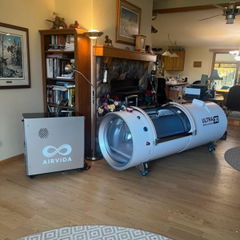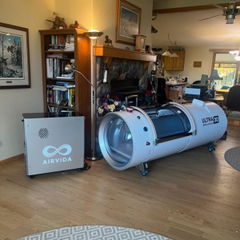
Air Embolism Hyperbaric Chambers
23 products
Showing 1 - 23 of 23 products
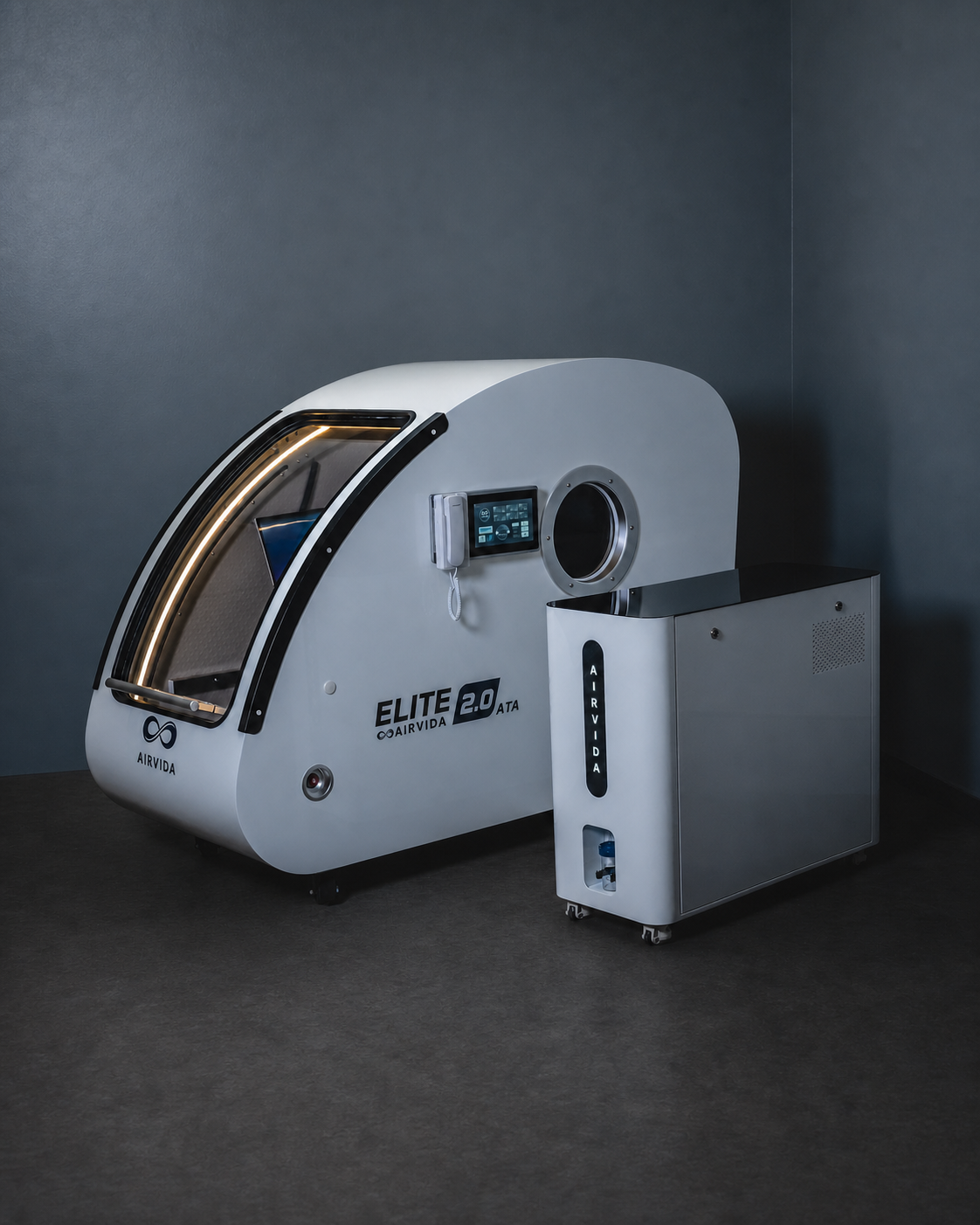
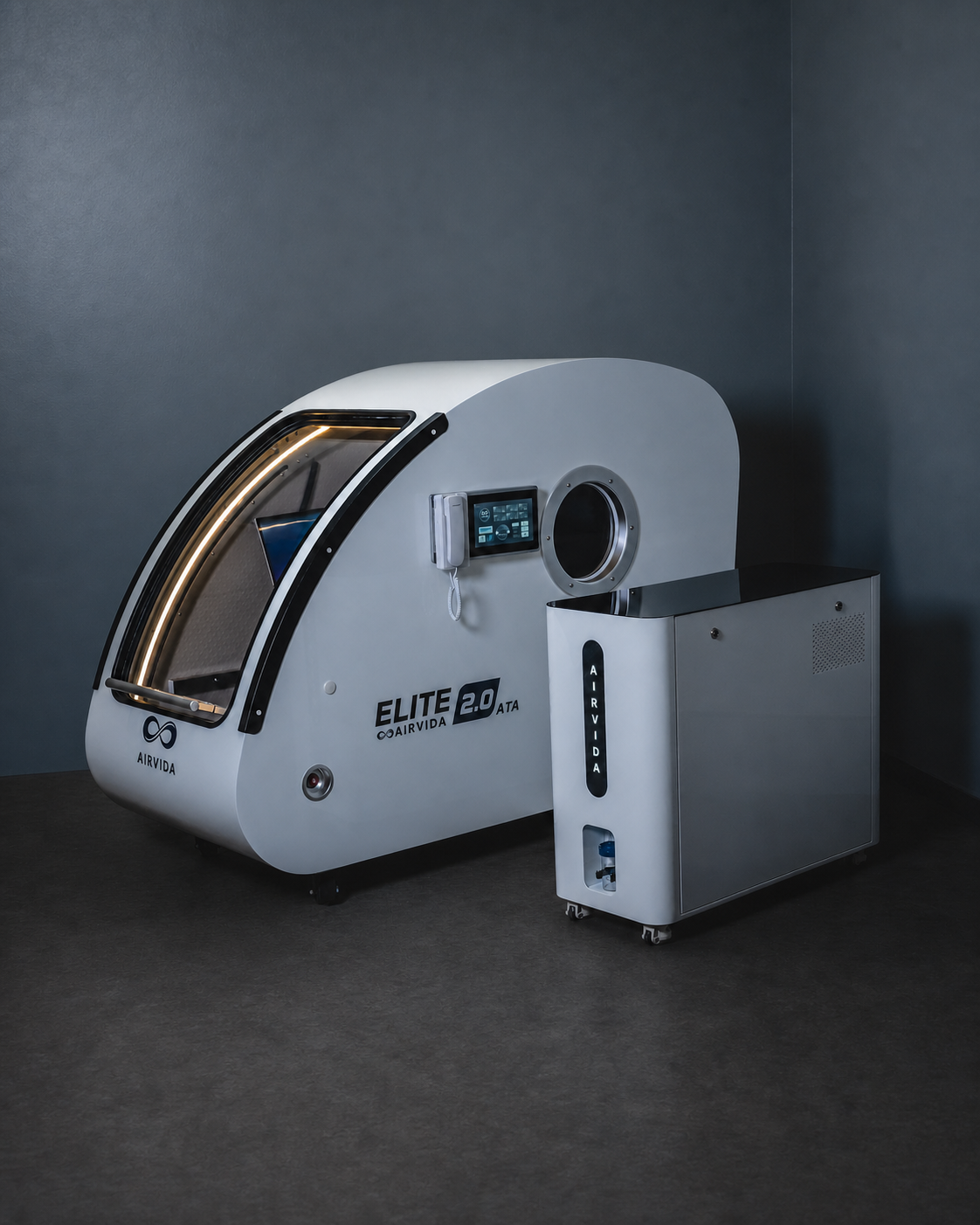
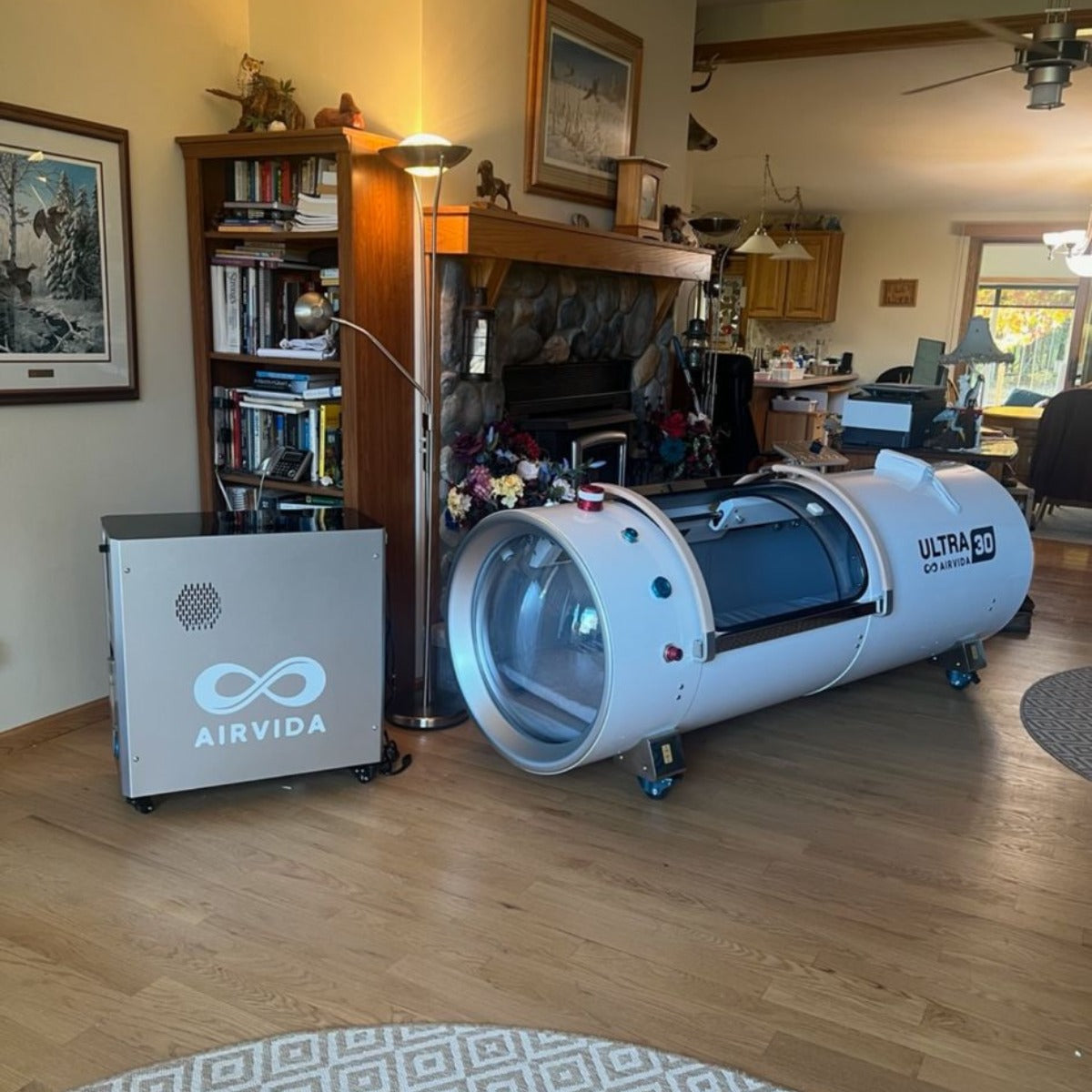
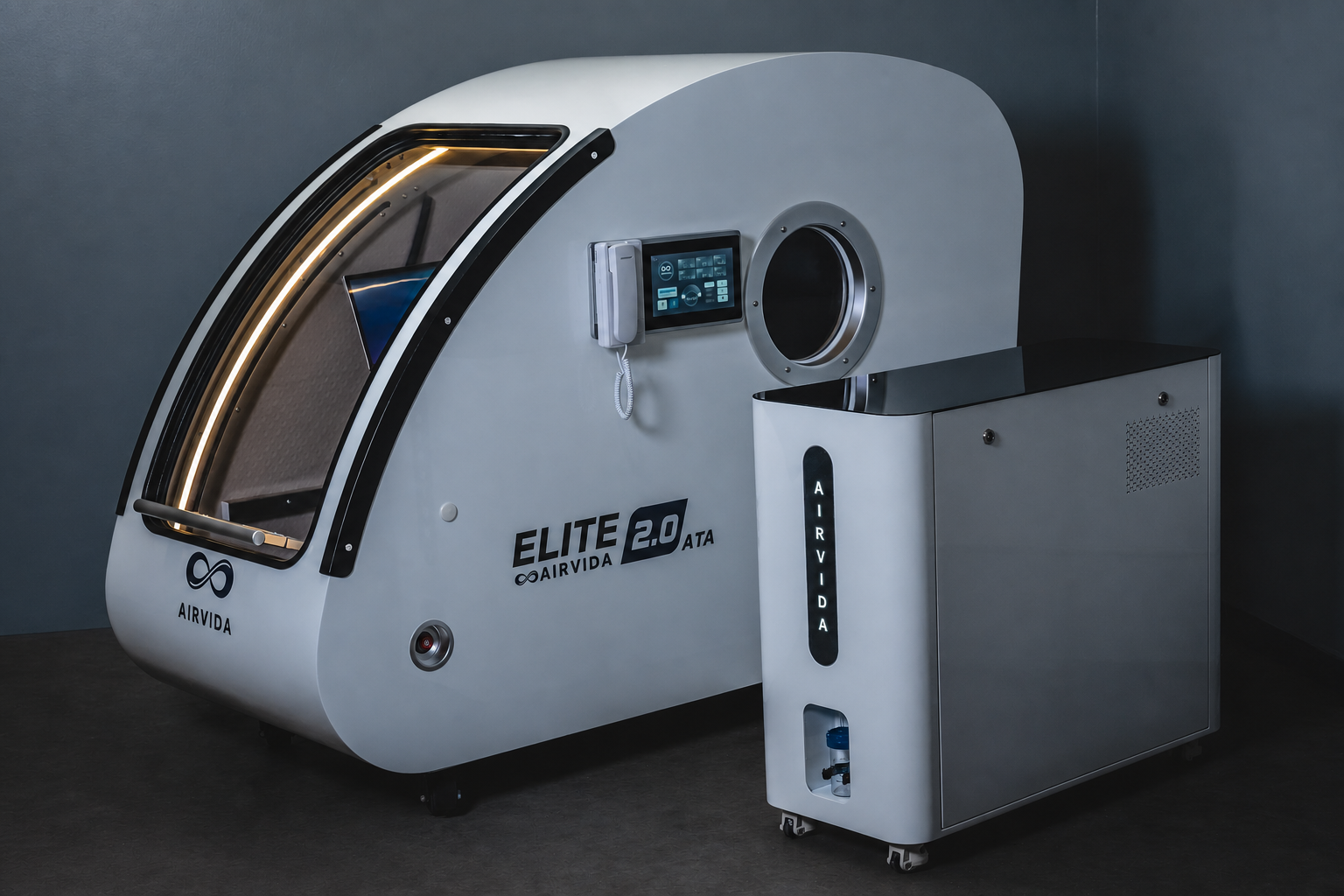
An air embolism hyperbaric chamber delivers high-pressure oxygen fast, making it essential for hospitals preparing for emergencies. If your facility needs an HBOT system ready for immediate deployment, this collection helps you compare models, understand clinical benefits, and select the chamber that gives your team real-time capability and operational confidence.
Our multiplace systems support treatment depth, medical access, and BIBS-based oxygen delivery, allowing staff to treat patients inside the chamber during pressurization. These chambers are designed for hospitals, surgical centers, military units, and critical response programs.
Invest in the Right Air Embolism Hyperbaric Chamber
Air embolism requires rapid oxygen saturation and stable pressurization. Multiplace hyperbaric systems offer the safest and most reliable option for facilities that need treatment-ready infrastructure.
Explore and purchase from our chamber collection:
Note: Use for air embolism should always be under appropriate medical supervision and facility-certified protocols; hyperbaric devices are serious medical equipment.
1. Multiplace Chambers
Description:
-
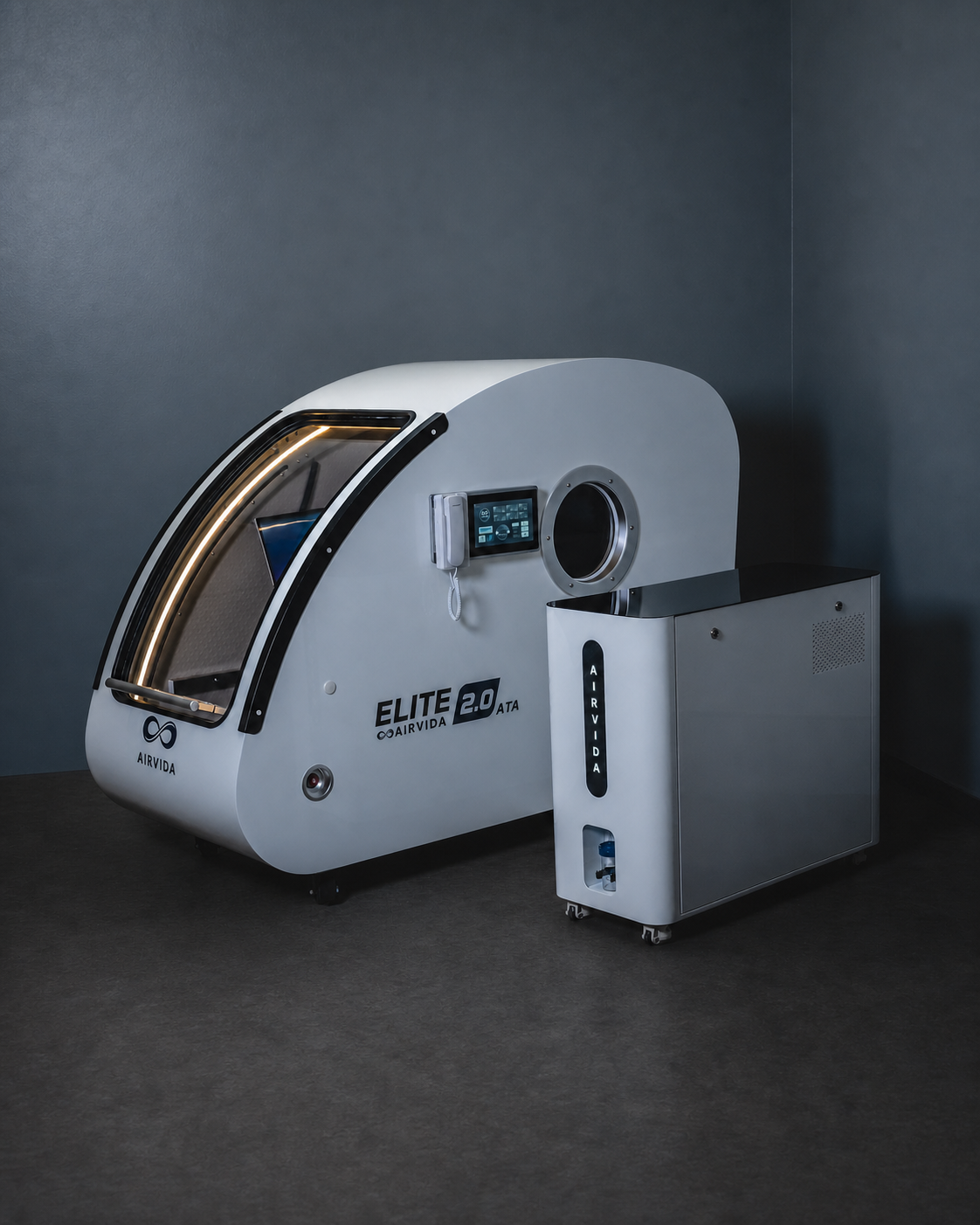
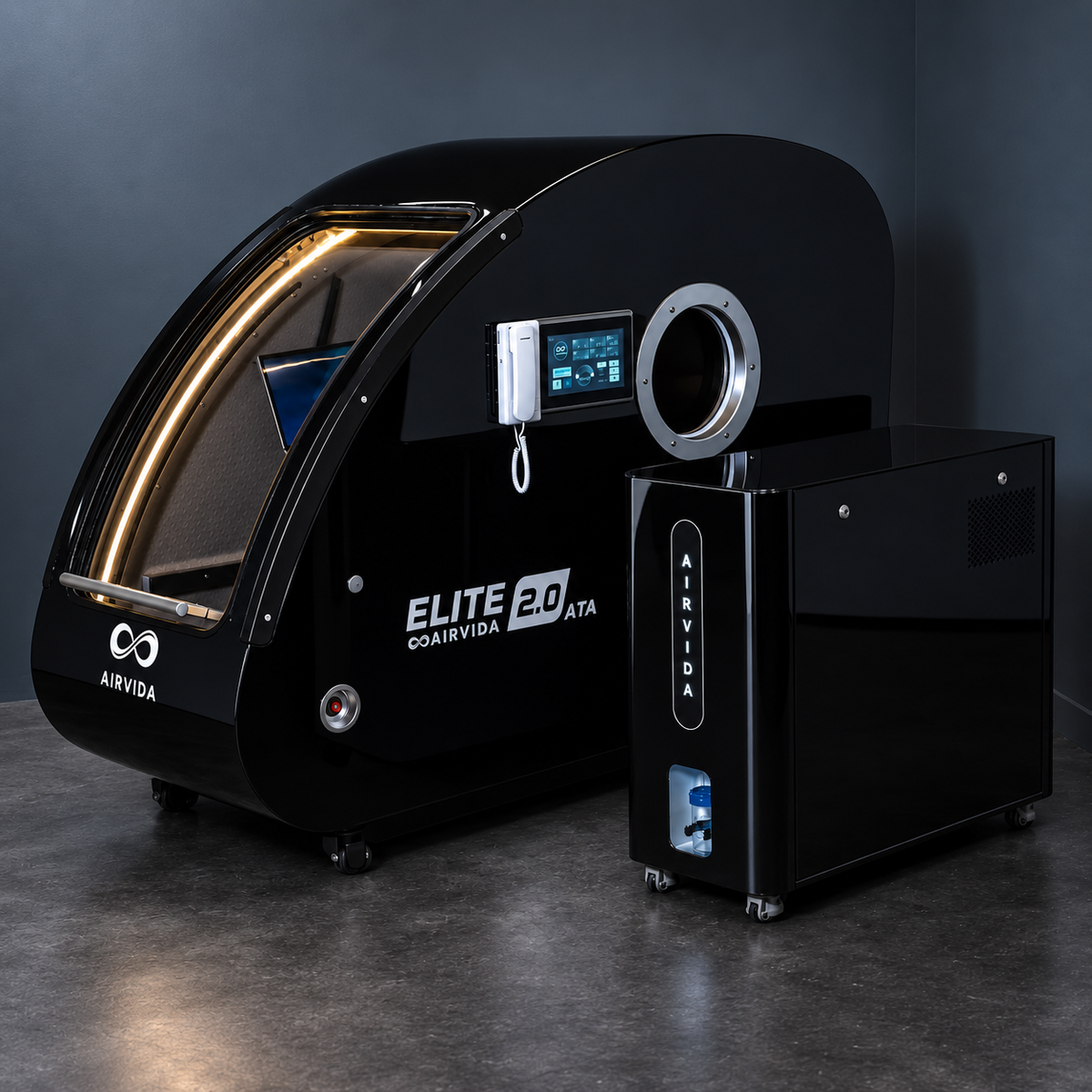
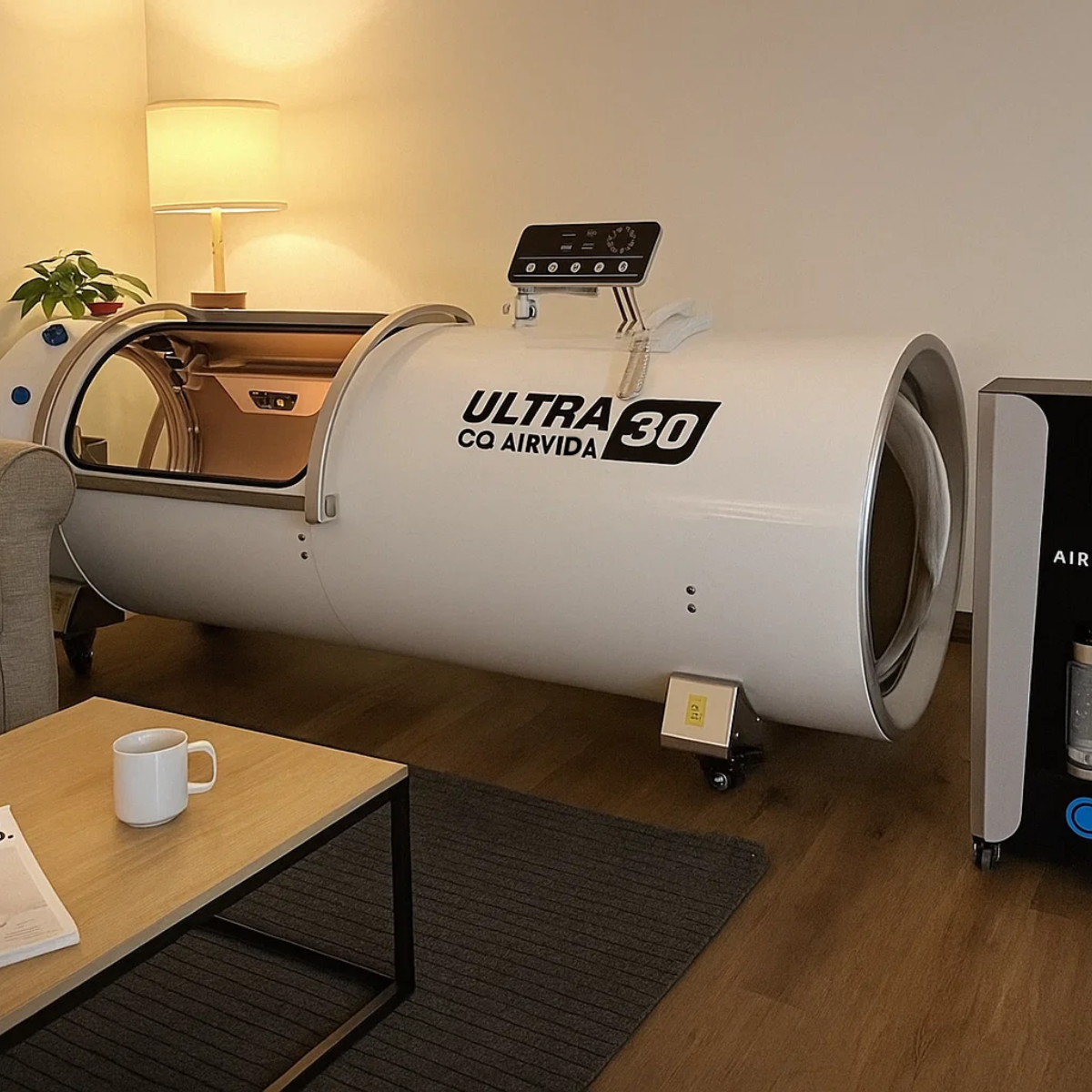
This term appears to cover the larger hard-shell hyperbaric chambers designed for multiple users (patients + attendant) simultaneously (i.e., “multiplace” rather than “monoplace”). For example, the site references a “Multiplace Hyperbaric Chambers” category.
-
They offer features such as built-in breathing systems (BIBS) for controlled oxygen delivery, digital control panels both inside and outside, and enhanced safety systems including automatic decompression valves.
-
They appear to permit higher pressures (up to ~2.0 ATA) and are designed for clinical or wellness-centre use. For instance, one description says “Operating Pressure: Up to 2.0 ATA”.
Why suitable for air embolism treatment?
-
Air or gas embolism (arterial or venous) is a recognized indication for recompression therapy: increasing ambient pressure reduces the volume of gas bubbles (Boyle’s law) and allows oxygen to help flush/resorb the emboli.
-
A multiplace chamber allows multiple persons (including medical staff) to enter, which is useful for supervised treatment of serious conditions like air embolism.
-
The presence of BIBS means that pure (or high-percentage) oxygen can be delivered safely while the chamber uses pressurized air (allowing staff to breathe ambient air while patient gets oxygen). This is a standard approach in recompression therapy.
-
The higher pressure range (up to ~2 ATA) means better capacity for recompression compared with low-pressure wellness chambers (which often operate at ~1.3-1.5 ATA).
-
The digital control and advanced safety features (emergency depressurization, monitoring of O₂/CO₂, etc) enhance procedural safety when treating critical patients.
Things to check:
-
For acute air embolism, medical-grade hyperbaric chambers certified for therapeutic recompression (often up to 2.8‐3.0 ATA or higher depending on protocol) are standard. If the model maxes at 2.0 ATA, it may be below what some protocols require for decompression illness or severe emboli. You must determine the exact max pressure and protocols.
-
Ensure the chamber meets the regulatory/medical certification for treatment of gas embolism (hospital grade, regulated by relevant health authorities) and has physician supervision.
-
Treatment of air embolism often requires immediate availability of 100% oxygen at pressure, monitoring of vital signs, possibly sedation/intubation, etc. The chamber should have appropriate access and emergency systems.
-
Proper training for staff, maintenance, and emergency decompression plans are essential.
2. Airvida Multiplace Chamber with BIBS
Description:
-
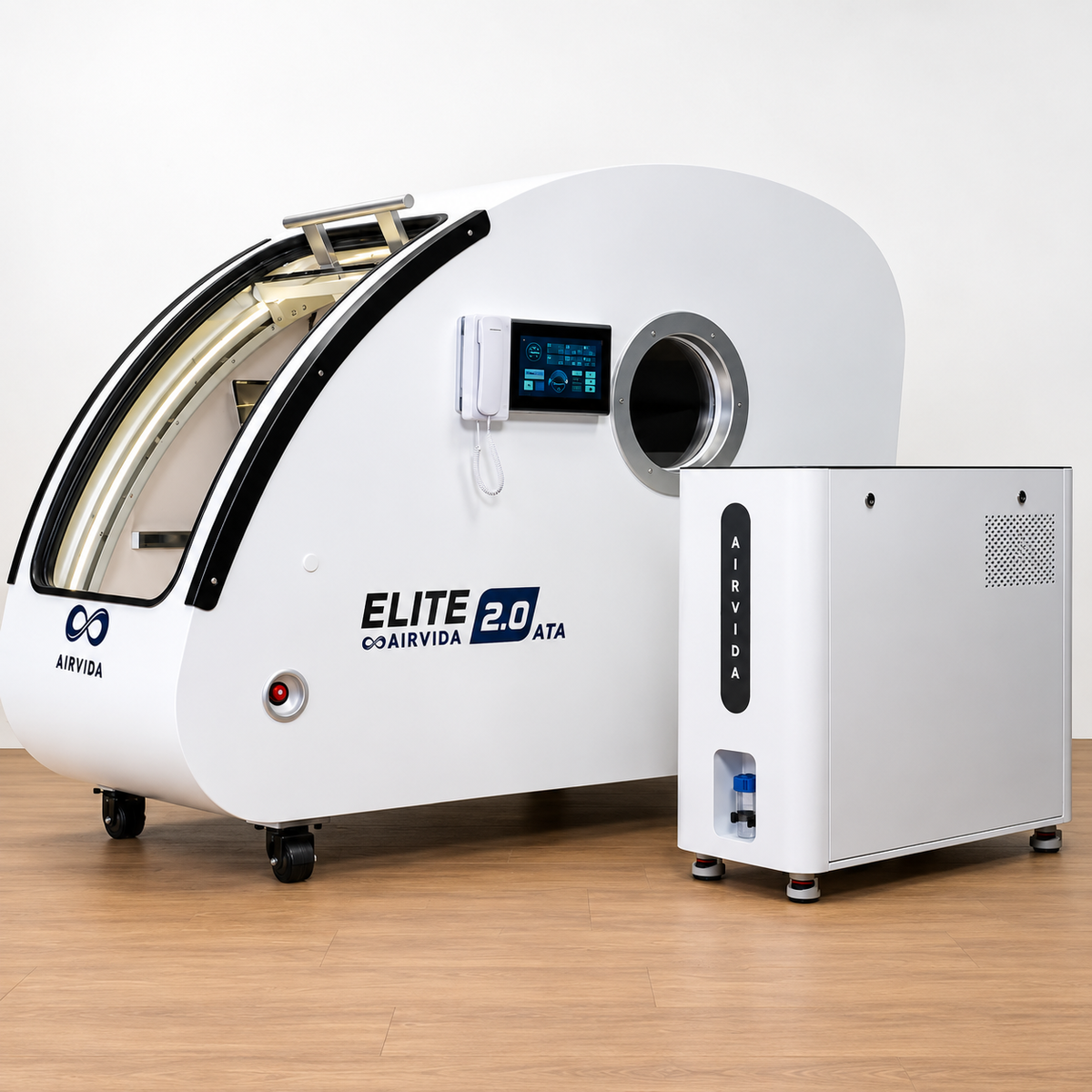
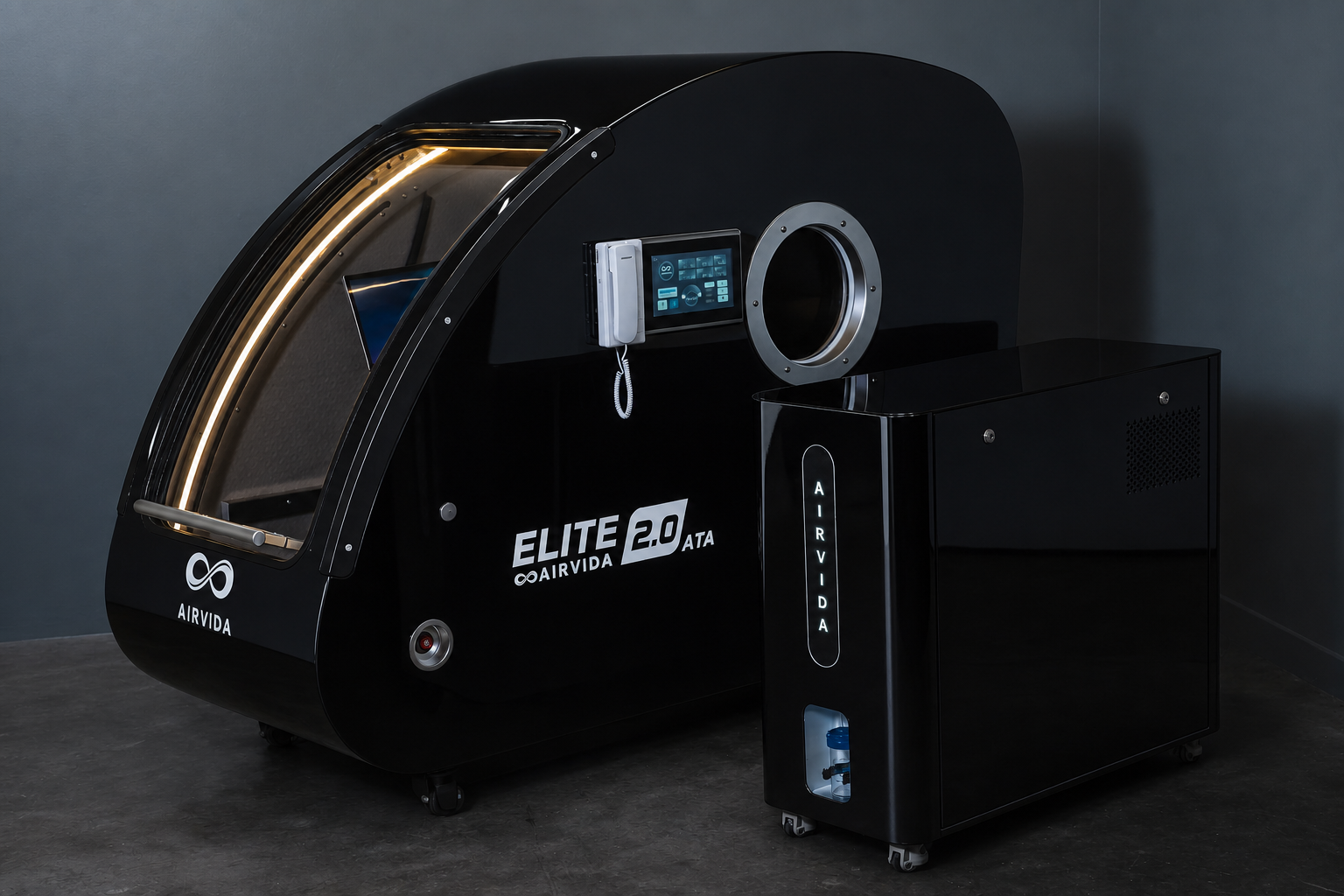
This appears to be a specific model variant (within the multiplace category) that emphasises the Built-In Breathing System (BIBS). For example: “Airvida Multiplace Hyperbaric Oxygen Chamber With BIBS System”.
-
Key features: direct oxygen delivery via BIBS; reserved air & oxygen tanks for uninterrupted flow even during power outage; digital internal/external controls; safety monitoring (O₂/CO₂ sensors); typically up to ~2.0 ATA pressure.
-
The description notes: “23.5% Max internal oxygen while using a BIBS system. Auto Oxygen shutoff to air if the internal reaches over 23.5%”, this suggests ambient oxygen inside the chamber remains controlled, and oxygen is delivered via mask/hood.
Why suitable for air embolism treatment?
-
The BIBS allows delivery of high-fraction oxygen (through masks/hoods) while controlling internal atmospheric oxygen to safe levels (important for fire/oxidation risk).
-
For embolism treatment, high oxygen partial pressures (PaO₂) help reduce bubble size and promote nitrogen wash-out; BIBS supports that.
-
The safety features (reserve tanks, monitoring) add reliability crucial in emergency/therapeutic uses.
-
A multiplace BIBS model allows medical staff to accompany the patient, monitor, and intervene, appropriate for an embolism scenario.
Things to consider:
-
Verify the maximum pressure and oxygen fraction achievable (e.g., is 100% O₂ via BIBS at the target pressure allowed/achievable?). Some embolism protocols require >2.0 ATA and high FiO₂.
-
While the description emphasises wellness/oxygen therapy, it may not be specifically certified for “emergency recompression/decompression sickness / arterial air embolism” treated in diving/commercial hyperbaric settings; certification review is required.
-
Ensure appropriate training, emergency protocols, and physician oversight.
3. ASME-PVHO-1 2–6 Person Chamber
Description:
-
This is a model certified to the standard ASME PVHO‑1 (“Pressure Vessels for Human Occupancy – Multiplace Hyperbaric Chamber Systems”).
-
The specification listed: capacity “2 persons, expandable to 4 or 6 persons”; pressure up to 2.0 ATA; oxygen purity: 93% ±3% from concentrator; modular ring sections; dual air compressors/oxygen concentrators.
-
The blog article highlights five key features of ASME/PVHO-1 approved chambers: multiplace capacity, BIBS, chromotherapy LEDs, smart automation, entertainment system.
Why suitable for air embolism treatment?
-
Certification to ASME PVHO-1 indicates an engineered vessel designed for human occupancy at elevated pressure with appropriate safety margins. That lends credibility for therapeutic/clinical applications.
-
The higher capacity (2-6 persons) means a facility can treat more than one person or have staff in the chamber with the patient. In an embolism scenario, patient monitoring is crucial.
-
The presence of high-quality oxygen concentrators and system design supports therapeutic oxygen delivery under pressure.
-
A modular/expandable design may be advantageous for clinics treating multiple patients or for flexibility in patient flow.
Additional considerations:
-
Although certified to ASME PVHO-1, the maximum pressure is ~2.0 ATA, which may or may not meet the ideal recompression protocol for severe air embolism (often higher pressures are used). You’d need to check the specific protocol and that this chamber can meet it.
-
Certification is necessary but not sufficient: treatment of air embolism demands physician oversight, patient monitoring (ECO, vital signs), emergency decompression capacity, etc.
-
The marketing emphasis (LEDs for chromotherapy, entertainment) suggests a wellness-market positioning; you must verify if the unit is approved for clinical/medical interventions like air embolism, rather than just wellness enhancement.
Summary Comparison at a glance
|
Model |
Capacity |
Oxygen delivery system |
Pressure range* |
Certification notes |
Best fit for air embolism? |
|
Multiplace Chambers (general) |
Multiple persons |
Usually ambient air + option for oxygen |
Up to ~2.0 ATA |
Wellness/clinical hybrid |
Good for supervised therapy if specs match clinical protocol |
|
Multiplace w/ BIBS |
Multiple persons + masks/hoods |
Direct oxygen via BIBS |
Up to ~2.0 ATA |
Better safety/oxygen control |
Stronger fit (oxygen delivery via BIBS helps emboli) |
|
ASME/PVHO-1 2-6 Person |
2-6 persons (expandable) |
High-grade oxygen delivery system + BIBS |
Up to ~2.0 ATA |
Certified pressure vessel standard |
Best variant listed here — but confirm pressure meets embolism protocol |
*Note: The Exact upper limit of pressure must be checked for each model.
If you are considering one of these units specifically for the treatment of air embolism, we strongly recommend you confirm the following:
-
The maximum treatment pressure (ATA) achievable and how it aligns with the protocol for air/gas embolism.
-
The oxygen fraction (FiO₂) and how it is delivered (e.g., BIBS masks/hoods) and whether 100% O₂ is achievable at the target pressure.
-
The regulatory/clinical certification of the chamber for emergency hyperbaric therapy (not just wellness).
-
The presence of trained medical supervision, monitoring equipment (vitals, oxygen saturation, ECG etc), emergency decompression capabilities, and compliance with local health-care facility requirements.
-
The installation environment (power supply, chamber safety, staff training, maintenance schedules), these are critical for emergency/emergency-like treatment.
Why Facilities Order Multiplace Systems
-
Higher treatment pressures are suitable for emergency protocols
-
On-site staff can treat and monitor patients inside
-
BIBS oxygen maintains safety and reduces oxygen load
-
Designed for multiple patients per cycle
-
Full ASME-PVHO-1 engineering for compliance and insurance readiness
Chamber Features That Matter Before You Purchase
Hospitals typically compare these components before ordering:
-
Pressure Control System: Determines treatment accuracy and patient safety.
-
Interior Space: Influences response time, workflow, and comfort during emergencies.
-
Oxygen Infrastructure: BIBS masks reduce oxygen consumption and improve safety.
-
Certification: ASME-PVHO-1 approval is required for medical-grade implementation.
Choosing Your Chamber Based on Capacity & Response Needs
Each facility has different patient volumes, staffing considerations, and emergency readiness goals. Below
Purchase Factors for Air Embolism Response
|
Requirement |
Buyer Reasoning |
Best Chamber Option |
|
Multi-patient capability |
Higher throughput during emergencies |
Airvida Multiplace |
|
Internal medical access |
Allows real-time treatment |
2–6 Person Multiplace |
|
BIBS oxygen delivery |
Safety & oxygen efficiency |
Airvida Multiplace |
|
Compliance & inspection |
Required for hospital accreditation |
ASME-PVHO-1 models |
Facilities that need rapid deployment should select a chamber that is pre-configured with safety certifications and BIBS integration. This ensures readiness from day one and simplifies insurer approvals for HBOT billing.
An air embolism hyperbaric chamber must support both clinical accuracy and operational reliability, which is why most healthcare buyers choose multiplace HBOT systems.
Take the Next Step Toward Purchasing an Air Embolism Hyperbaric Chamber
If your facility is preparing for emergency readiness, now is the time to secure the right air embolism hyperbaric chamber. Multiplace chambers deliver higher pressure, real-time medical access, and full compliance for hospital use. Browse our models, request a quote, or contact our team to match a chamber to your clinical needs.
Frequently Asked Questions
How does hyperbaric help air embolism?
Hyperbaric therapy reduces bubble size quickly by increasing pressure while delivering high oxygen concentrations. This restores blood flow and stabilizes neurological and cardiovascular function. When you invest in a multiplace system, you enable staff to manage treatment inside the chamber, which significantly improves emergency response times and patient outcomes.
Who should not go in a hyperbaric chamber?
Patients with untreated pneumothorax, certain lung diseases, or specific chemotherapy regimens may be excluded from HBOT. Buyers should ensure their chamber includes proper screening protocols and training for staff to handle contraindications. Always require physician evaluation before treatment.
What kind of HBOT can be used for air embolism hyperbaric chamber?
Only hard-shell, multiplace hyperbaric chambers with hospital-grade pressure ratings are suitable. These chambers support BIBS delivery, allow internal staffing, and meet safety standards needed for emergency air embolism intervention. Soft chambers are not appropriate for this indication.
What exactly does hyperbaric oxygen therapy do?
HBOT increases oxygen saturation far beyond normal levels by combining pressure with controlled oxygen delivery. This promotes rapid healing, reduces swelling, improves circulation, and enhances metabolic recovery. It is one of the most effective tools for restoring tissue after sudden vascular disruption.
What exactly does hyperbaric oxygen therapy do?
Therapy inside a buying-ready multiplace chamber boosts oxygen delivery, shrinks gas bubbles, and accelerates repair in compromised tissue. This makes HBOT a critical component in treating air embolism and other acute conditions where time-sensitive intervention is required.
Disclaimer
Airvida and partners advice does not constitute medical advice and is intended for informative and educational purposes only with no medical or non medical claims being made. While research & studies show the potential Hyperbaric Oxygen Therapy (HBOT) and Hyperbaric Air Therapy (HBAT) may have implied benefits, individual results may vary. It is required by Airvida & Partners to consult with doctors before being approved for Hyperbaric Therapy (HBOT & HBAT). Read More HERE