


Oxygen therapy for seizures helps support brain oxygen levels during and after seizure activity, especially when oxygen deprivation is a concern. It is not a cure, but it can play a supportive role alongside standard seizure treatments in specific situations.
Understanding how oxygen impacts the brain during seizures can help patients and caregivers make informed decisions about safety, recovery, and complementary therapies.
Oxygen Therapy for Seizures: What You Need to Know
Seizures happen when there is abnormal electrical activity in the brain. During certain types of seizures, especially prolonged or severe episodes, oxygen levels in the brain can temporarily drop. This is where oxygen therapy for seizures is often discussed as a supportive measure rather than a standalone solution.
Oxygen therapy involves delivering higher concentrations of oxygen to the body to help tissues, including the brain, receive adequate oxygen. In medical settings, this can range from simple supplemental oxygen to more advanced approaches such as hyperbaric oxygen therapy, depending on the condition being treated.
The key point is understanding why oxygen matters during seizure events, how it may help recovery, and when it is appropriate to use it.
Why Oxygen Levels Matter During Seizures

The brain is highly sensitive to oxygen changes. Even short periods of reduced oxygen supply can affect brain cells and overall neurological function.
The Relationship Between Seizures and Oxygen Deprivation
During a seizure, especially tonic-clonic or status epilepticus, breathing patterns can become irregular. This may lead to temporary hypoxia, meaning reduced oxygen reaching brain tissue. When oxygen levels drop, brain cells may struggle to restore normal electrical activity after the seizure ends.
Low oxygen levels do not usually cause seizures directly, but they can worsen recovery, increase confusion afterward, and in rare cases contribute to additional complications.
How Oxygen Supports Post-Seizure Recovery
After a seizure, the brain works to stabilize electrical signals and restore balance. Adequate oxygen supports this process by fueling cellular repair and reducing metabolic stress.
In hospital settings, oxygen is often given during or after seizures if oxygen saturation levels fall below normal. This helps reduce strain on the brain and other organs while the body recovers.
What Is Oxygen Therapy and How Does It Work?
Oxygen therapy refers to the controlled delivery of oxygen at higher-than-normal concentrations to improve oxygen saturation in the blood.
Types of Oxygen Therapy Used in Seizure Care
There are several forms of oxygen delivery that may be used depending on the situation:
-
Supplemental oxygen via nasal cannula or mask in emergency or hospital settings
-
Long-term oxygen therapy for patients with underlying respiratory conditions
-
Advanced options such as hyperbaric oxygen therapy, where oxygen is delivered in a pressurized environment
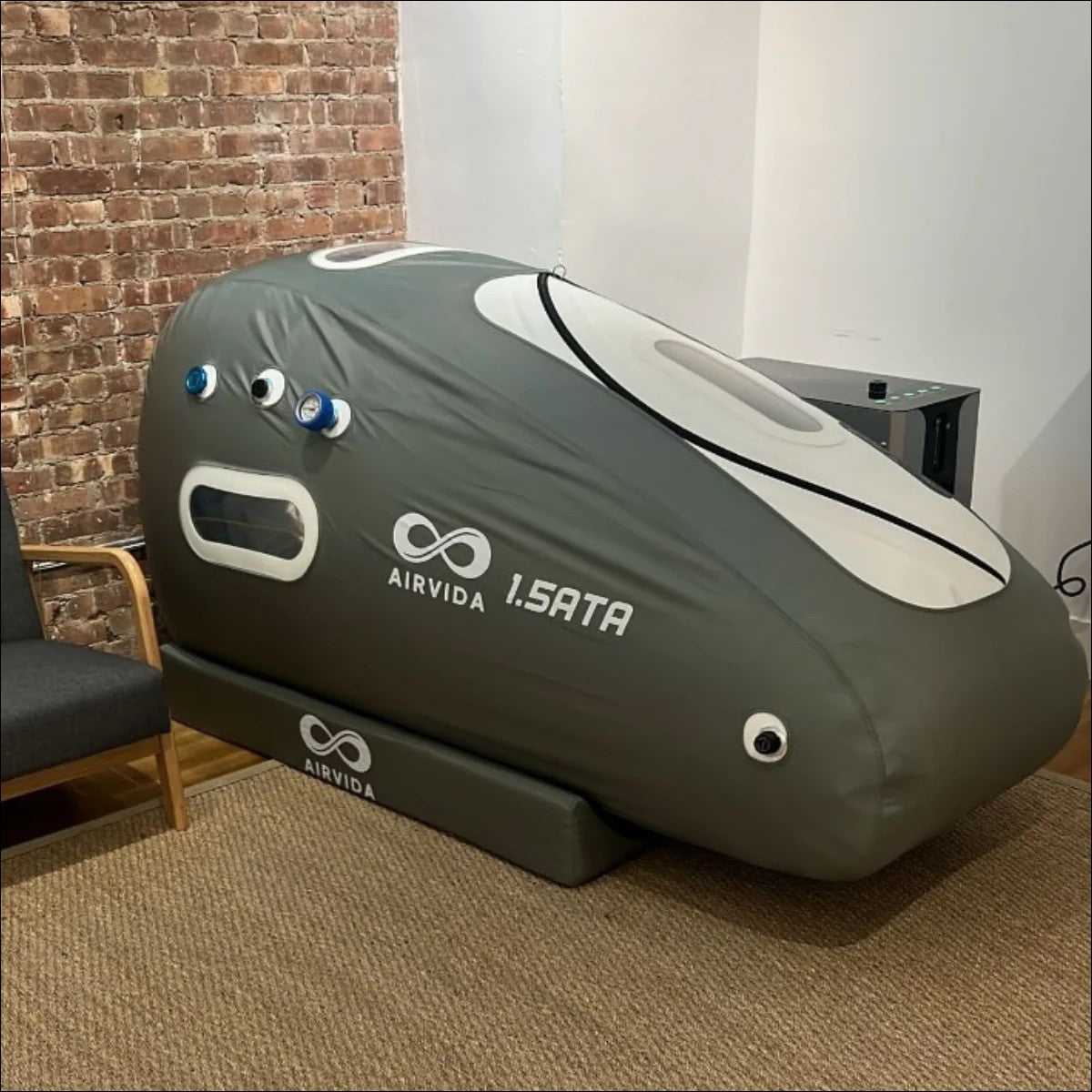
Hyperbaric approaches are being explored for various neurological conditions because they increase oxygen delivery at the cellular level. Some families researching supportive options look into solutions such as hyperbaric stroke therapy chambers for broader neurological support, particularly when seizures are linked to brain injury or stroke-related damage. You can explore options within this specialized Hyperbaric Stroke Therapy collection.
How Oxygen Reaches the Brain
Once oxygen enters the lungs, it binds to hemoglobin in the blood and is transported throughout the body. Higher oxygen availability can improve delivery to areas of the brain that may be stressed after seizure activity.
This process does not stop seizures from happening, but it can support overall brain health and recovery when oxygen levels are compromised.
Is Oxygen Therapy Effective for Seizures?
The effectiveness of oxygen therapy for seizures depends on context, cause, and medical supervision.
What Research and Clinical Practice Suggest
In emergency care, oxygen is commonly used when oxygen saturation drops during seizures. This practice is widely accepted to prevent secondary complications related to hypoxia.
However, oxygen therapy alone is not considered a primary seizure treatment. Anti-seizure medications remain the cornerstone of seizure management. Oxygen plays a supportive role, especially in prolonged seizures or in individuals with breathing difficulties.
Situations Where Oxygen Therapy May Be Helpful
Oxygen therapy may be considered when:
-
A seizure lasts several minutes and breathing is impaired
-
Oxygen saturation levels are low
-
Seizures occur alongside respiratory or cardiovascular conditions
-
Recovery time is prolonged and neurological stress is high
In these cases, oxygen can help stabilize the body while medical teams address the underlying cause.
Oxygen Therapy vs Standard Seizure Treatments
Understanding where oxygen therapy fits compared to traditional treatments helps set realistic expectations.
Primary Treatments for Seizures
The main treatments for seizures include:
-
Anti-epileptic medications
-
Emergency medications for prolonged seizures
-
Lifestyle management and trigger avoidance
-
In some cases, surgery or implanted devices
These approaches directly target abnormal electrical activity in the brain.
Hyperbaric Collections You May Want to Shop

Where Oxygen Therapy Fits In
Oxygen therapy does not replace these treatments. Instead, it supports physiological stability during and after seizures.
The table below shows a simplified comparison:
|
Aspect |
Standard Seizure Treatment |
Oxygen Therapy |
|
Primary goal |
Control electrical activity |
Support oxygen levels |
|
Stops seizures |
Yes |
No |
|
Used during emergencies |
Yes |
Yes |
|
Long-term management |
Yes |
Supportive only |
This distinction is important when considering options for seizure care.
Hyperbaric Oxygen Therapy and Neurological Support
Hyperbaric oxygen therapy, often abbreviated as HBOT, delivers oxygen at higher pressure levels than normal atmospheric conditions. This allows more oxygen to dissolve directly into the bloodstream.
Why HBOT Is Being Explored for Brain Health
HBOT has been studied for conditions involving brain injury, inflammation, and reduced oxygen delivery. By increasing oxygen availability, it may support cellular repair and reduce oxidative stress in certain neurological conditions.
Some individuals exploring broader neurological support options, including those managing complex seizure-related conditions, consider solutions like hyperbaric chamber beds designed for comfort and controlled oxygen delivery. These systems are often researched for home-based wellness support rather than acute seizure treatment. More details can be found in the Hyperbaric Chamber Bed collection.
Important Safety Considerations
HBOT should only be used under medical guidance. It is not appropriate for all seizure patients and may not be recommended for individuals with uncontrolled epilepsy.
Medical evaluation is essential before considering any form of pressurized oxygen therapy.
When Oxygen Therapy Is Not Recommended

While oxygen can be helpful in certain cases, it is not always necessary.
Risks of Unnecessary Oxygen Use
Using oxygen when levels are already normal may offer no benefit and can sometimes cause discomfort, dryness, or other minor side effects. In rare cases, excessive oxygen exposure can increase oxidative stress.
This is why oxygen therapy should be based on measured oxygen saturation levels and clinical judgment rather than routine use.
Why Medical Guidance Matters
Seizures vary widely in cause and severity. What helps one person may not help another. Oxygen therapy decisions should always involve healthcare professionals who understand the patient’s full medical history.
Hyperbaric Chambers You May Want to Shop
Explore More


Practical Tips for Caregivers During a Seizure
Caregivers often wonder what to do in the moment when a seizure happens.
Immediate Safety Steps
-
Keep the person safe from injury
-
Turn them on their side if possible
-
Do not put anything in their mouth
-
Time the seizure
If prescribed and available, emergency medications should be used according to medical instructions.
When Oxygen May Be Used
Oxygen is typically administered by medical professionals if breathing is compromised or oxygen saturation drops. Home use should only occur if specifically recommended by a healthcare provider.
Understanding Supportive Therapies Beyond Medication
Many families explore complementary approaches to support brain health alongside prescribed treatments.
Supportive Approaches That Focus on Brain Oxygenation
Beyond oxygen therapy, supportive strategies may include:
-
Proper sleep and stress management
-
Nutrition that supports brain metabolism
-
Monitoring oxygen levels in high-risk individuals
Some people researching inflammatory or autoimmune-related conditions also explore hyperbaric oxygen therapy in other contexts, such as gut-related inflammation. Related educational content can be found in this article on Hyperbaric Oxygen Therapy for Ulcerative Colitis.
These resources help contextualize how oxygen-focused therapies are being studied across different health areas.
Which Option Makes Sense and Why

Choosing the right approach depends on seizure type, frequency, and underlying health conditions.
Why Oxygen Therapy Is Supportive, Not Curative
The reason oxygen therapy is considered supportive is simple: seizures originate from electrical activity in the brain, not from oxygen deficiency alone. Oxygen helps the brain cope with stress but does not correct the electrical imbalance.
How to Decide If It Is Appropriate
Oxygen therapy may make sense if:
-
Seizures cause breathing issues
-
Oxygen levels drop during episodes
-
A doctor recommends it based on monitoring
It is not typically recommended as a preventive or daily seizure treatment.
Always consult a pulmonologist before beginning any sessions. Some individuals also explore additional wellness advantages, as detailed in this Overview of Hyperbaric Chamber Bed Benefits.
Quick Comparison Table: Oxygen Therapy Options
|
Therapy Type |
Pressure Level |
Typical Use Case |
Medical Supervision |
|
Supplemental oxygen |
Normal |
Emergency support |
Yes |
|
Long-term oxygen |
Normal |
Chronic lung conditions |
Yes |
|
Hyperbaric oxygen |
High |
Specialized neurological support |
Required |
This table highlights how different oxygen therapies vary in intensity and purpose.
Final Thoughts on Oxygen Therapy for Seizures
Oxygen therapy for seizures plays a supportive role in maintaining brain oxygen levels during and after seizure activity. It is most useful in situations where breathing or oxygen saturation is affected, and it should always be guided by medical professionals.
Understanding when and how oxygen is used helps caregivers and patients focus on what truly matters: safety, recovery, and comprehensive seizure management.
Frequently Asked Questions About Oxygen Therapy for Seizures

Should you give oxygen during a seizure?
Oxygen is given during a seizure only if oxygen levels drop or breathing becomes compromised. In medical settings, healthcare professionals monitor oxygen saturation and provide supplemental oxygen when needed to prevent hypoxia. For most short seizures where breathing remains adequate, oxygen is not required. Giving oxygen without monitoring is not recommended at home unless specifically prescribed. The focus during a seizure should always be safety, airway positioning, and timing the event rather than automatically administering oxygen.
Which is the best treatment for seizures?
The best treatment for seizures is anti-seizure medication prescribed by a healthcare provider. These medications target abnormal electrical activity in the brain and are tailored to seizure type and individual response. In some cases, additional treatments such as surgery, implanted devices, or dietary therapy may be considered. Oxygen therapy does not replace these treatments and is used only as supportive care when oxygen levels are affected during seizures.
What does oxygen therapy do for the brain?
Oxygen therapy helps ensure the brain receives enough oxygen to support normal cellular function. During or after a seizure, this can reduce metabolic stress and support recovery when oxygen levels are low. Oxygen does not stop seizures, but it helps protect brain tissue from additional strain caused by hypoxia. This supportive effect is why oxygen is commonly used in emergency and hospital settings during severe or prolonged seizures.
What is the rule of 3 for seizures?
The rule of 3 refers to seeking emergency help if a seizure lasts longer than 3 minutes, if 3 seizures occur without recovery, or if breathing does not return to normal within 3 minutes. This guideline helps caregivers recognize when a seizure becomes a medical emergency. In these situations, oxygen and emergency medications may be administered by professionals to stabilize the person and prevent complications.