



Key Takeaways
-
A new hyperbaric chamber costs more upfront ($6,000–$20,000+ for soft-shell, $30,000–$150,000+ for hard-shell) but comes with a full manufacturer warranty, current safety certification, and zero unknown wear on seals or compressors.
-
A used hyperbaric chamber can save 30–60% but carries real risk: unknown cycle count, expired or missing certification, and seals that degrade even in storage.
-
Hard-shell chambers depend on certified pressure vessel inspection history; never buy used without maintenance records.
-
Soft-shell chambers wear out zippers and bladders faster than most buyers expect, so "lightly used" still means real depreciation.
-
If you're treating a specific condition rather than general wellness, the chamber type and pressure rating matter more than new-versus-used status.
What Does "New vs Used Hyperbaric Chamber" Actually Mean?
Hyperbaric oxygen therapy (HBOT) chambers fall into two broad categories: soft-shell (mild hyperbaric) chambers that reach roughly 1.3–1.5 ATA, and hard-shell chambers that can reach 2.0–3.0 ATA or higher for clinical protocols. "New vs used" isn't just about price; it's about whether you're buying a chamber with a known service history and current certification, or one where you're inheriting someone else's wear, maintenance gaps, and sometimes outdated safety compliance.
A new chamber ships with a warranty, current UL or CE certification, and a compressor rated for its full expected lifespan. A used chamber's condition depends entirely on how the previous owner treated it, how many pressurization cycles it's seen, whether seals were replaced on schedule, and whether it was stored correctly between uses.
Why This Decision Matters Right Now

Hyperbaric chamber demand has climbed sharply as more people use HBOT for recovery, wound healing, and conditions covered in guides like our piece on hyperbaric chamber for peripheral artery disease. That demand has also created a growing secondary market of chambers resold from closed clinics, gyms, or private owners upgrading equipment.
The problem: pressure vessels degrade in ways that aren't visible on the surface. A compressor that sounds fine can be six months from failure. A hard-shell chamber that looks pristine can have an expired hydrostatic test certificate that makes it illegal or unsafe to operate in your state. Buyers who skip due diligence on a used unit often end up spending more on repairs and recertification than they saved on the purchase price.
Hyperbaric Collections You May Want to Shop

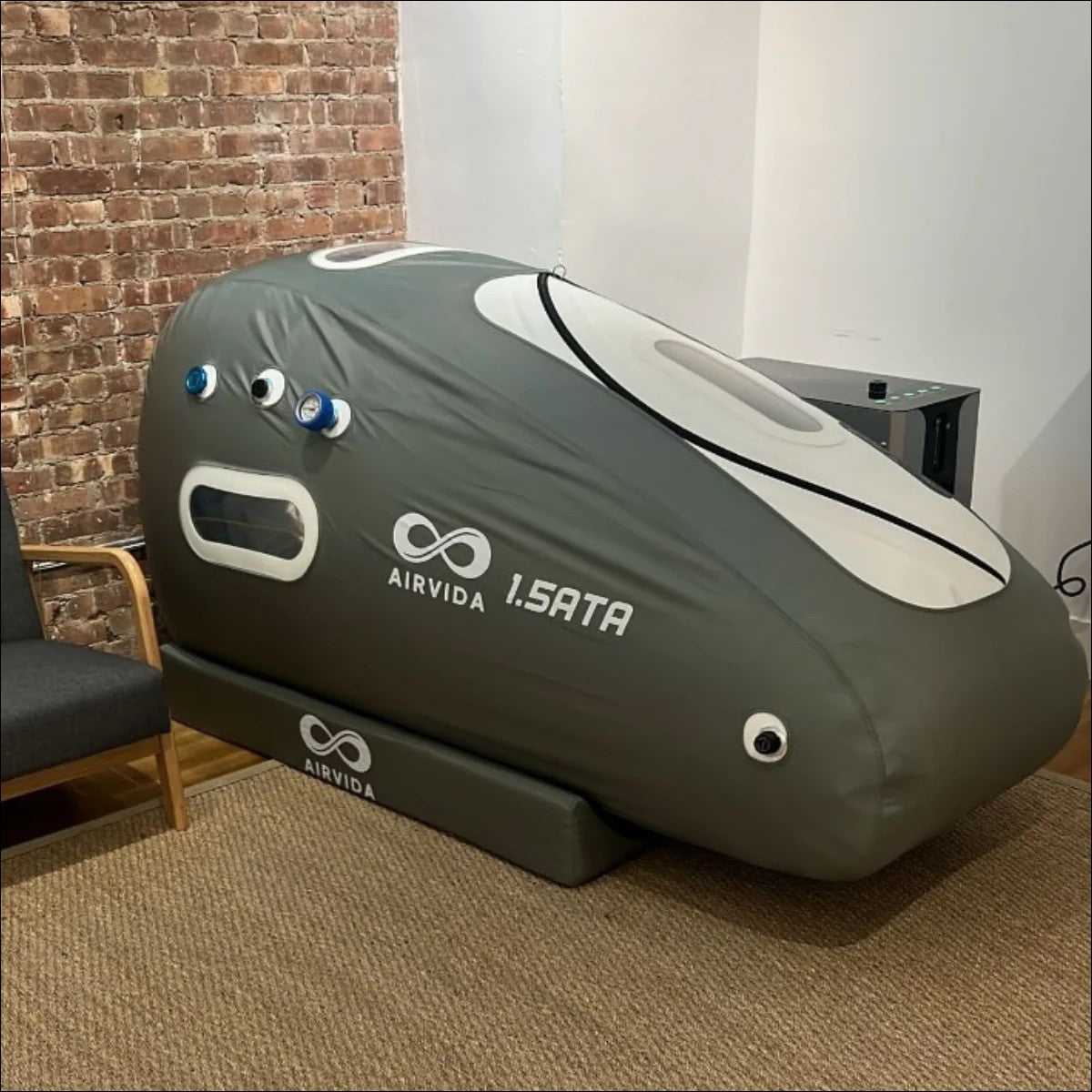
New Hyperbaric Chambers: What You're Actually Paying For
Cost Range and What's Included
New soft-shell chambers typically run $6,000 to $20,000, while new hard-shell chambers range from $30,000 to well over $150,000 depending on pressure rating, size, and whether it's single- or multi-person. That price includes:
-
A full manufacturer warranty (usually 1–5 years on the shell, sometimes less on the compressor)
-
Current safety certification and documentation
-
A compressor and seals with zero cycle history
-
Manufacturer-direct technical support and training
Who New Makes Sense For
New chambers make the most sense for clinics building a treatment program around conditions like the ones covered in our guide to HBOT and nervous system recovery, where consistent, high-cycle daily use means downtime from equipment failure directly costs revenue and patient trust. For a clinic running multiple sessions a day, the warranty alone often pays for the price premium within the first year.
Used Hyperbaric Chambers: Where the Savings and Risks Both Live

Realistic Savings
Used chambers typically sell for 30–60% below new pricing, and that gap widens for older hard-shell units where a full recertification hasn't been done. A used soft-shell chamber might run $2,500–$8,000; a used hard-shell unit can range from $15,000 to $60,000 depending on age and condition.
The Three Things That Actually Determine Value
-
Cycle count: Every pressurization and depressurization cycle stresses seals, zippers, and the shell material itself. A chamber with 3,000 cycles is a very different purchase than one with 300.
-
Certification status: hard-shell pressure vessels require periodic hydrostatic testing in most jurisdictions. If that certificate has lapsed, you're on the hook for recertification costs before you can legally operate it.
-
Storage history: a chamber stored folded, in humidity, or in temperature swings degrades faster than one stored properly, regardless of actual use hours.
Red Flags When Buying Used
-
No maintenance log or service records
-
The seller can't produce the original certification paperwork
-
Visible discoloration or brittleness on soft-shell zippers and seams
-
Compressor runs louder or hotter than spec (ask for a live demo, not a video)
-
Price seems too close to new sellers sometimes bank on buyers not knowing the market
Soft-Shell vs Hard-Shell: Why the "New vs Used" Math Differs by Type

Soft-shell chambers depreciate faster in absolute terms because the fabric, zippers, and inflatable bladder wear with every use. This is the same mechanical stress that can affect comfort in the chamber, which ties into issues we cover in managing ear pressure in a hyperbaric chamber. A used soft-shell unit with a worn zipper or seal isn't just a comfort issue; it's a pressure-loss issue that undermines the therapy itself.
Hard-shell chambers hold value longer because the acrylic and steel components don't degrade the same way, but the certification requirement means the paperwork matters more than the shell's appearance. A hard-shell chamber can look brand new and still be non-compliant if the pressure vessel certificate lapsed two years ago.
If you're deciding between shell types at all not just new versus used, our full breakdown in the FAQ section below covers which type suits which use case.
Hyperbaric Chambers You May Want to Shop
Explore More


Common Mistakes Buyers Make
-
Buying used based on photos alone. Cycle wear and seal degradation aren't visible in a listing photo. Always request a live video demonstration of a full pressurization cycle.
-
Assuming "barely used" means low risk. A chamber stored improperly for two years in a garage can have more seal degradation than one used daily and maintained properly.
-
Skipping the certification check on hard-shell units. This is the single most expensive mistake; recertification can run into the thousands and take weeks.
-
Ignoring the total cost of ownership. A cheaper used chamber with an aging compressor often needs a $1,500–$3,000 compressor replacement within the first year.
-
Not matching the pressure rating to the actual need. Buyers sometimes overspend on a high-ATA hard-shell chamber for wellness use when a soft-shell unit would have served the same purpose at a fraction of the cost.
Step-by-Step: How to Decide Between New and Used

-
Define your use case first. Personal wellness and mild recovery generally point toward soft-shell chambers; clinical protocols for wound care or specific medical conditions typically require hard-shell units at higher ATA ratings.
-
Set your real budget, including hidden costs. Add $500–$2,000 for potential seal, zipper, or compressor replacement if you're considering used.
-
If considering used, request full documentation. Maintenance logs, original certification, and cycle count are non-negotiable; walk away if a seller can't produce them.
-
Get a live demo, not a photo listing. Watch a full pressurization and depressurization cycle before paying anything.
-
Check local certification requirements. Some states and municipalities require current hydrostatic testing for hard-shell chambers before installation. Confirm this before you buy, not after.
-
Compare warranty-backed new pricing before committing to used. Sellers of new units, including regional options like hyperbaric chambers available in Alabama or hyperbaric chambers in the Des Moines area, sometimes offer financing that narrows the gap with used pricing more than buyers expect.
-
Budget for training regardless of new or used. Improper pressurization habits shorten the life of any chamber, new or old.
FAQ
Are some hyperbaric chambers better than others?
Yes. Quality varies significantly by manufacturer build standards, seal materials, compressor reliability, and certification compliance. A chamber from a manufacturer with a strong service network and documented safety testing will outperform a generic, uncertified unit even if the specs look similar on paper.
Which is better, a hard shell or a soft shell hyperbaric chamber?
Neither is universally "better": hard-shell chambers reach higher pressures (up to 3.0 ATA) and suit clinical protocols for wound healing and specific medical conditions, while soft-shell chambers (1.3–1.5 ATA) are simpler, less expensive, and suited to general wellness and mild recovery use. The right choice depends entirely on what condition or goal you're addressing.
What are the two types of hyperbaric chambers?
The two primary types are soft-shell (mild hyperbaric) chambers, which use an inflatable fabric shell and reach lower pressures, and hard-shell (clinical) chambers, built from rigid acrylic and steel to reach higher pressures under stricter certification requirements.
How often should HBOT be used?
Protocols vary by condition, but many wellness users do 3–5 sessions per week, while clinical wound-care protocols can call for daily sessions over several weeks. Anyone with an anxiety response to enclosed spaces should also review guidance like our article on managing claustrophobia in a hyperbaric chamber before committing to a frequent schedule, since comfort directly affects whether a protocol gets completed.
The Bottom Line
New chambers cost more but remove the guesswork; you know exactly what you're getting, and you're covered if something fails early. Used chambers can be a smart move if you verify cycle count, certification, and storage history before you buy, but skipping that verification turns a "good deal" into an expensive repair project fast.
If you're weighing options, start by matching the chamber type to your actual health goal, then compare warranty-backed new pricing in your region before assuming used is automatically the cheaper path. Browse current new chamber options for your area to see where the real numbers land.