


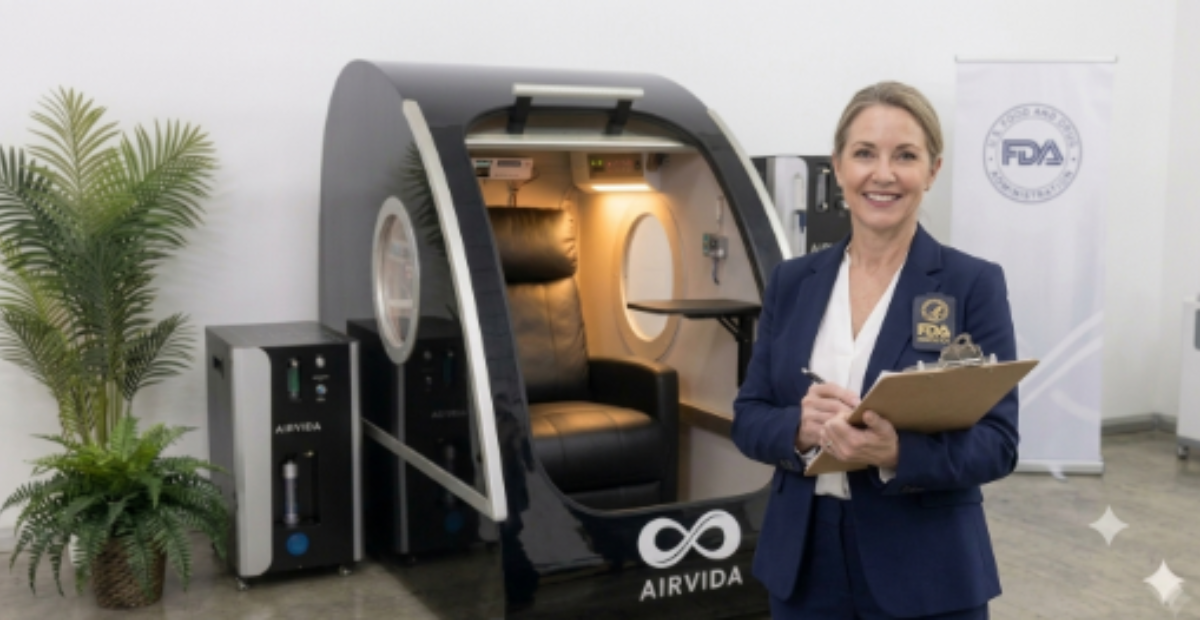
Key Takeaways
-
"FDA registered" is not the same as FDA cleared or FDA approved; registration only means the manufacturer told the FDA they exist and listed their product; it is not a safety review.
-
Most legitimate hyperbaric chambers are FDA cleared through the 510(k) process as Class II medical devices under product code CBF, not "approved."
-
You can verify your chamber yourself in minutes using the FDA's public Establishment Registration, Device Listing, and 510(k) databases.
-
Hard-shell chambers for the recognized medical indications are almost always cleared; many soft/mild wellness chambers are registered and listed but not cleared for the uses they're marketed for.
-
If a seller leans on "FDA registered" as proof of medical legitimacy, treat it as a marketing red flag and ask for the 510(k) number.
Hyperbaric Chambers You May Want to Shop
Explore More


Is My Hyperbaric Chamber FDA Registered? The Direct Answer
If you're asking Is my hyperbaric chamber FDA registered, the honest answer is: it probably is, and that likely tells you less than you think. FDA establishment registration simply means the company that made or imports your chamber has filed paperwork with the FDA and paid an annual fee. It is a bookkeeping requirement, not a stamp of safety, effectiveness, or quality.
The status that actually matters for a medical device is FDA clearance (or, rarely, approval). Those involve the FDA reviewing the device. Registration does not. In fact, the FDA explicitly states that registration and listing "do not denote approval or clearance" and that companies may not use them to imply endorsement.
So the better question isn't only whether your chamber is registered; it's whether it's cleared, and for what.
What "FDA Registered" Actually Means (Three Tiers, Not One)

The confusion around hyperbaric chambers comes from three regulatory terms that get used interchangeably in marketing but mean very different things.
1. FDA Establishment Registration & Device Listing
Every domestic and foreign facility that manufactures or distributes a medical device for the U.S. market must complete establishment registration and device listing each year. It's mandatory and routine.
What it proves: the company is on the FDA's radar and has told the FDA what products it makes. What it does not prove: that anyone at the FDA looked at the device, tested it, or judged it safe. A chamber can be fully "registered and listed" and still have never been evaluated.
2. FDA Clearance (510(k))
510(k) clearance is the review most hyperbaric chambers go through. The manufacturer submits a premarket notification showing the device is "substantially equivalent" to a legally marketed predicate. The FDA reviews it and issues a K-number (for example, formatted like K123456).
Hyperbaric chambers are classified as Class II medical devices, listed under FDA product code CBF and regulated under 21 CFR 868.5470. A cleared chamber has a traceable K-number you can look up; this is the document that carries real weight.
3. FDA Approval (PMA)
FDA approval through Premarket Approval (PMA) is reserved for higher-risk Class III devices and involves clinical evidence of safety and effectiveness. Standard hyperbaric chambers generally do not go through PMA, which is why "FDA approved hyperbaric chamber" is usually a misnomer. The accurate phrase for the hardware is "FDA cleared."
Why This Matters Right Now

The mild hyperbaric market has exploded, and so has the marketing spin. Low-pressure inflatable chambers are now sold direct-to-consumer for recovery, cognition, and anti-aging uses far beyond the conditions the FDA recognizes.
Because "FDA registered" sounds authoritative, some sellers use it to imply a level of vetting that never happened. The FDA has issued consumer safety communications specifically warning that HBOT is being promoted for conditions it hasn't cleared, and that patients may be misled by regulatory-sounding language.
For you as a buyer or owner, the practical stakes are real: venue and clinic requirements, insurance conversations, resale value, and most importantly, knowing whether the device you're breathing pressurized oxygen inside was actually reviewed for safety.
Hyperbaric Collections You May Want to Shop

How to Verify Your Hyperbaric Chamber's FDA Status (Step-by-Step)
You don't need to take a seller's word for it. Here's the exact process I walk clients through.
-
Find the manufacturer and model. Check the chamber's label plate, manual, or original invoice. You need the legal manufacturer name, not just the retail brand.
-
Search the FDA Establishment Registration & Device Listing database. Enter the manufacturer name to confirm they're registered and that a hyperbaric chamber is listed. This confirms registration only.
-
Search the 510(k) Premarket Notification database. This is the key step. Search by applicant name or by product code CBF. A legitimate cleared chamber returns a K-number, a clearance date, and a summary.
-
Read the "indications for use." The 510(k) summary states what the device was cleared for. A chamber cleared for a narrow indication is not automatically cleared for general wellness use.
-
Ask the vendor for documentation in writing. A reputable seller will hand you the K-number and registration details without hesitation. Hesitation, deflection, or "we're FDA registered" as the only answer is your signal to dig deeper.
If step 3 comes back empty for a chamber sold as a medical device, that gap is worth a direct conversation before you buy or continue using it.
Soft vs. Hard-Shell Chambers: Where FDA Status Diverges

The registration-versus-clearance gap shows up most clearly when you compare chamber types.
-
Hard-shell chambers operating at higher pressures for the recognized medical indications are typically 510(k) cleared and used in clinical settings. Their regulatory paper trail is usually clean and easy to verify.
-
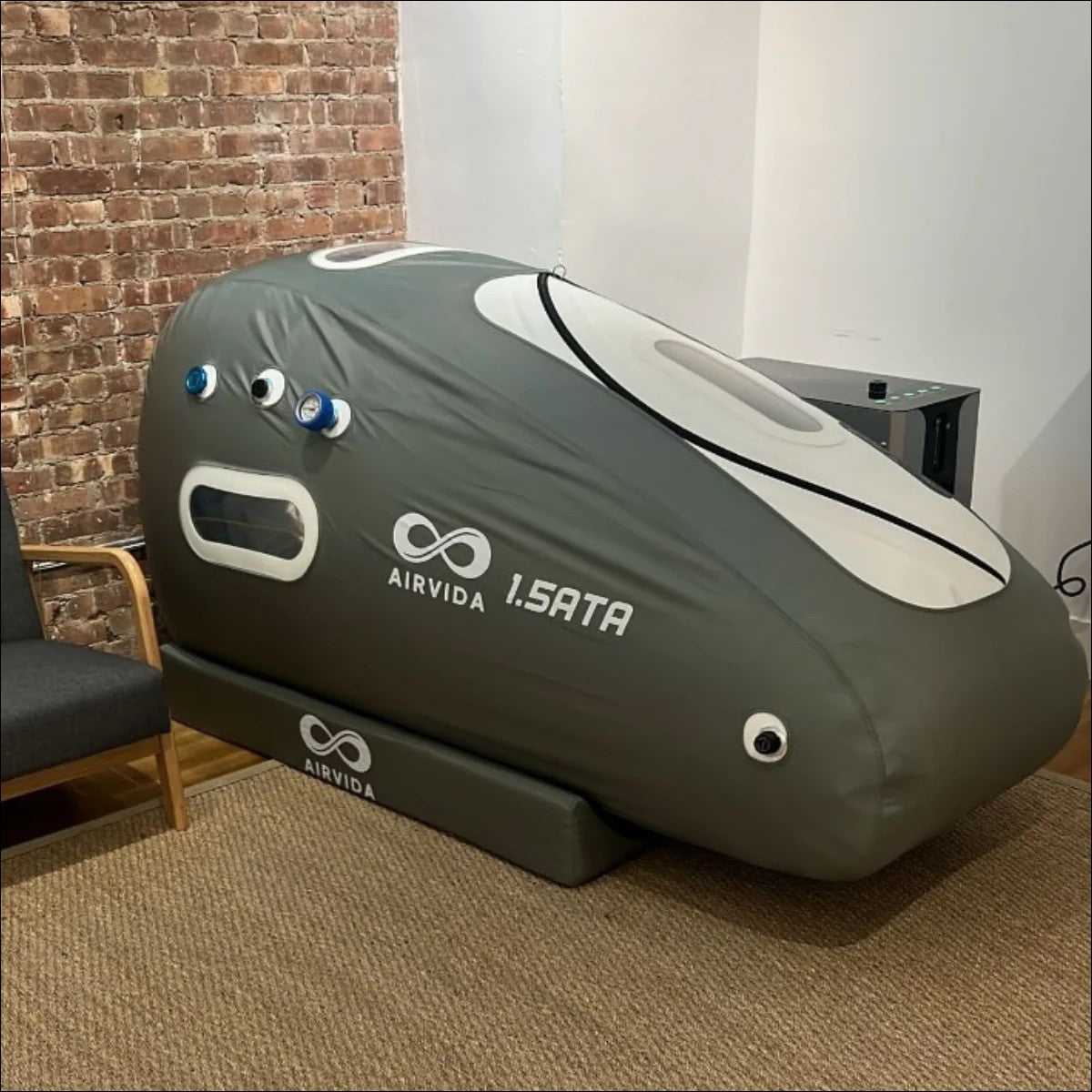
Soft/mild chambers (inflatable, low-pressure mild hyperbaric oxygen therapy, often up to ~1.3 ATA) are a mixed bag. Some low-pressure chambers have FDA clearance for specific limited uses, but many home-wellness units are registered and listed while being marketed for uses that were never cleared.
Neither category is inherently "bad." A well-built soft chamber can be a legitimate, safe wellness tool; the issue is honesty about what its paperwork does and doesn't cover. When you're weighing a purchase, practical factors matter alongside regulatory status: how loud the unit runs (this breakdown of hyperbaric chamber noise level is worth reading before you commit), portability, and pressure rating. If you move around a lot, the guide to the best hyperbaric chamber for travelers covers what to prioritize.
Common Mistakes and Misconceptions

-
Treating "FDA registered" as "FDA approved." It's the single most common error, and it's exactly the confusion some marketing counts on.
-
Assuming clearance covers every use. A chamber cleared for one indication is not cleared for everything a seller advertises.
-
Confusing the chamber with the therapy. The FDA recognizes HBOT for a specific set of conditions (air embolism, carbon monoxide poisoning, certain non-healing wounds, decompression sickness, and others). Owning a cleared chamber doesn't make every advertised claim FDA-endorsed.
-
Ignoring the manufacturer vs. reseller distinction. The registration you find may belong to an importer, not the actual maker; verify both.
-
Skipping the K-number. If you only confirm registration and stop there, you've verified almost nothing about the device's review.
FAQs
Is the hyperbaric oxygen chamber FDA approved?
Most hyperbaric chambers are FDA cleared through the 510(k) pathway, not "approved" through PMA, so "FDA approved" is usually inaccurate for the hardware itself. The FDA has recognized hyperbaric oxygen therapy for a defined list of medical conditions, and chambers cleared for those uses carry a K-number you can verify. If a product is marketed as "FDA approved" for general wellness, ask for documentation, because that claim rarely holds up.
How do I get HBOT covered by insurance?
Insurance coverage generally applies only to HBOT for FDA-recognized indications delivered in a supervised clinical setting, with a physician's diagnosis and documentation supporting medical necessity. Home or wellness use for non-covered conditions is typically out of pocket. Your most reliable path is to have your prescribing physician submit the diagnosis, treatment plan, and prior-authorization request to your insurer, and to confirm the facility is set up for medical billing. Coverage rules vary by plan, so verify specifics with your insurer directly.
Are home hyperbaric chambers safe?
A quality home chamber used as directed can be safe, but safety depends on the device and the user, not on the phrase "FDA registered." The core risks relate to fire (elevated oxygen), pressure, and using the chamber for unproven claims in place of real medical care. Choose a chamber with verifiable regulatory documentation, follow the manufacturer's pressure and operating limits exactly, and keep ignition sources away. Anyone with ear, sinus, lung, or cardiovascular conditions should consult a physician before use.
What makes a hyperbaric chamber medical grade?
"Medical grade" isn't a formal FDA category, but in practice it means a chamber that is 510(k) cleared as a Class II device, built to recognized construction and safety standards, and intended for clinical indications. Look for a documented K-number, a listed product code (CBF), rated pressure and materials, and manufacturer safety certifications. A unit that only claims "FDA registered" without a clearance record is not automatically medical grade.
The Bottom Line
So, is my hyperbaric chamber FDA registered? Almost certainly, but registration is the floor, not the ceiling. What you actually want to confirm is a real 510(k) clearance with a K-number, honest "indications for use," and a manufacturer willing to show its paperwork. Verify it yourself in the FDA databases, and don't let regulatory-sounding language substitute for the document that matters.
If you're shopping and want a straight answer instead of marketing spin, work with a vendor who provides clearance and registration documentation on request. Airvida Chambers offers both soft and hard-shell options with documentation available, and if you're local, you can explore units through our hyperbaric chamber in Cupertino, CA, and hyperbaric chamber in Berkeley, CA collections. Ask for the K-number before you buy; a legitimate seller will have it ready.