


If you're doing HBOT twice a week or more, owning a hyperbaric chamber almost always beats paying for a gym HBOT membership; most owners break even inside two to three years. If you only want to try it, need clinical-grade high pressure, or dislike the idea of storing and maintaining equipment, a membership is the smarter play. The whole hyperbaric chamber vs gym HBOT membership decision comes down to one number: how many sessions you'll realistically do per month.
I've helped hundreds of households run this exact math, and the mistake I see most is people comparing the sticker price of a chamber against a single studio session instead of against a year of memberships. Let's fix that.
Key Takeaways
-
A gym/studio membership wins if you want to test HBOT, only need occasional sessions, or want access to high-pressure hard chambers without the capital outlay.
-
Owning a chamber wins once you're doing roughly two or more sessions per week; the breakeven point typically lands around 2–3 years.
-
Ballpark costs: soft-shell home chambers run ~$4,000–$20,000; studio sessions run ~$75–$250 each; memberships average ~$200–$500/month.
-
Convenience is the real deciding factor: home = unlimited sessions on your own schedule; membership = zero maintenance, storage, or upkeep.
-
Match the choice to your life: frequency, budget, household size, and whether you need clinical hard-shell pressure all tip the scales.
What Is the "Hyperbaric Chamber vs Gym HBOT Membership" Choice?
Hyperbaric oxygen therapy (HBOT) delivers oxygen to your body inside a pressurized environment, which increases how much oxygen your blood and tissues can absorb. You can access it two ways, and that's the entire debate.
The first path is a gym HBOT membership: you pay a wellness studio, recovery lounge, or gym a monthly fee (or per-session rate) to use their chamber on-site. The second is buying a home hyperbaric chamber and running sessions yourself whenever you like.
Both deliver the same underlying therapy. The difference is ownership, cost structure, and convenience, not the science. One is a recurring service; the other is a capital purchase that turns "cost per session" into "cost per year of unlimited use."
Why This Decision Matters Right Now

HBOT used to live almost exclusively inside hospitals. Over the last few years, it's spread into gyms, longevity clinics, and recovery studios, which means the "pay monthly" option barely existed a decade ago and is now on nearly every wellness menu.
At the same time, home chamber prices have dropped sharply. Soft-shell units that once ran $20,000+ now start in the mid-four-figures, which flips the math for regular users who used to have no realistic buy option.
The catch: many popular wellness uses of HBOT recovery, cognition, general "biohacking" are still being studied and aren't FDA-cleared indications the way conditions like decompression sickness or certain non-healing wounds are. So the financial question is real, but treat the health claims you see in gym marketing with healthy skepticism, and talk to a physician before committing to a routine either way.
Hyperbaric Collections You May Want to Shop

The Real Cost Comparison
Here's the breakdown I walk clients through. Numbers vary by region and chamber type, so treat these as planning ranges, not quotes.
|
Factor |
Gym HBOT Membership |
Owning a Hyperbaric Chamber |
|
Upfront cost |
$0 (or small sign-up fee) |
$4,000–$20,000 (soft-shell); $15,000–$100,000+ (hard-shell) |
|
Per-session cost |
$75–$250 drop-in; ~$200–$500/mo membership |
Effectively $0 after purchase |
|
Sessions included |
Capped (often 4–12/month) |
Unlimited |
|
Maintenance |
None; the studio handles it |
Yours: filters, zippers, occasional service |
|
Storage/space |
None needed |
Needs a dedicated 7–9 ft footprint |
|
Scheduling |
Book around studio hours |
Anytime, no travel |
|
Equipment tier |
Often includes hard-shell/high pressure |
Usually soft-shell (mild) at home |
The breakeven math is simpler than it looks. A typical $300/month membership is $3,600 per year. A $9,000 soft-shell chamber pays for itself in about two and a half years of that spend, and every session after is free. If you're doing three or four sessions a week, the crossover comes even faster because most memberships cap your visits.
The flip side: if you'll only use HBOT ten or fifteen times total, a membership or drop-in package is far cheaper than owning a chamber you'll rarely fire up.
For high-frequency users the crowd chasing recovery and performance gains ownership is usually the obvious answer. If that's you, this guide to the best hyperbaric chambers for biohackers breaks down which home units hold up to daily use.
Hyperbaric Chambers You May Want to Shop
Explore More


What You Actually Get: Ownership vs Membership
Cost is only half the story. The daily experience differs in ways that matter more than most people expect.
Convenience and frequency
The single biggest advantage of owning is frequency without friction. No booking, no drive, no waiting for a chamber to open up. Protocols that call for daily or near-daily sessions are realistic at home and exhausting to sustain as a membership.
Membership convenience is the opposite kind: someone else does all the work. No setup, no maintenance, no unit taking up a spare room. For occasional users, that trade is worth every dollar.
Equipment tier
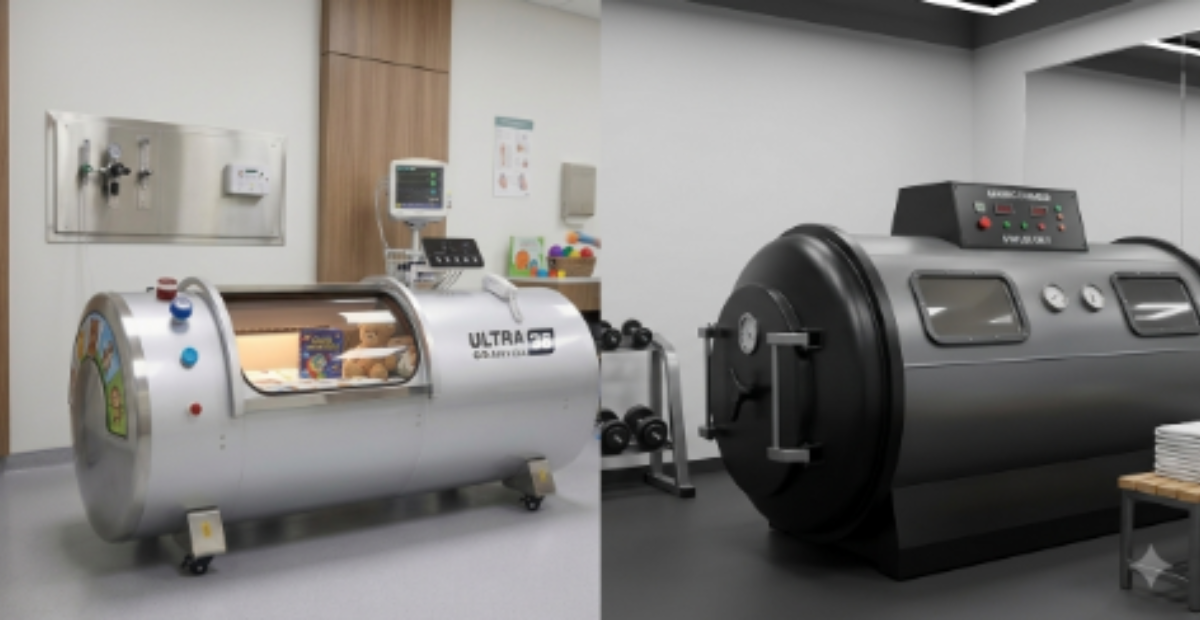
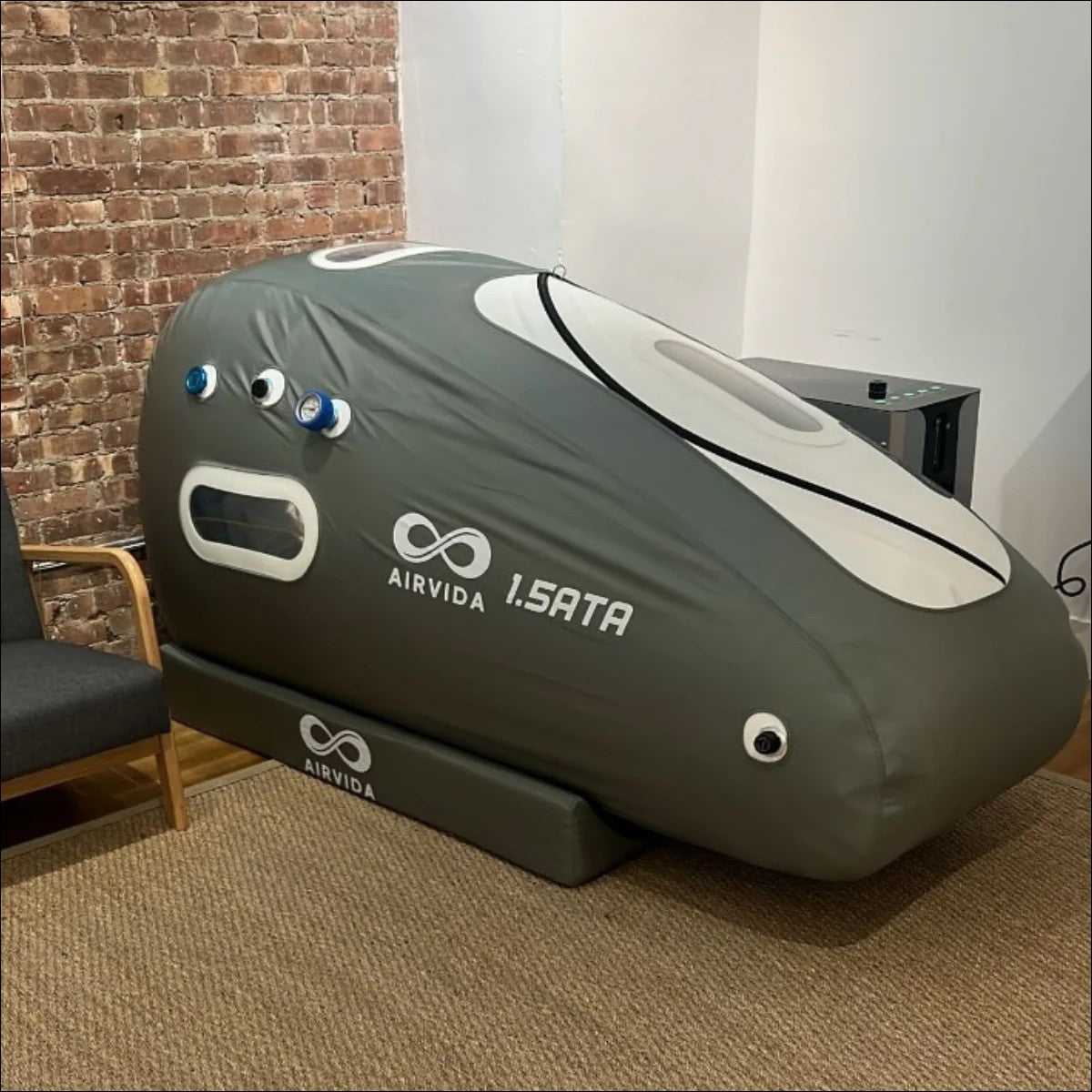
Most home chambers are soft-shell "mild" units operating around 1.3 ATA (atmospheres). Many studios and clinics run hard-shell chambers capable of higher pressures (often 2.0 ATA or more), which is the tier used for certain medical indications. If your protocol specifically requires higher clinical pressure, a membership at a properly equipped facility may be your only realistic option.
Household use
This is where ownership quietly pulls ahead. A membership is priced per person; a chamber you own can be shared. Couples, athletes, and multi-generational homes spread the cost across everyone who uses it, which crushes the per-session math. Families running the numbers should look at units built for shared, higher-volume use; hyperbaric chambers for families are sized and rated for exactly that scenario.
Common Mistakes and Misconceptions

A few errors show up over and over when people run this comparison.
-
Comparing a chamber's price to a single session. The honest comparison is chamber cost versus one to three years of membership fees. Framed that way, ownership looks very different.
-
Assuming all HBOT is the same pressure. Soft-shell mild HBOT and clinical hard-shell HBOT are not interchangeable for every use. Know which one your goal actually calls for before you spend.
-
Ignoring cancellation and cap fees. Many memberships auto-renew, roll over unused sessions poorly, or charge overage fees once you exceed your monthly cap. Read the contract.
-
Overestimating how often you'll go. People buy annual memberships and use them five times. Track your real cadence for a month before committing to either path.
-
Treating wellness marketing as settled medicine. Many advertised benefits are still under study. Don't let a bold gym flyer talk you into a purchase your body and your doctor haven't signed off on.
-
Forgetting the space cost of ownership. A chamber needs a permanent 7–9 foot footprint and a nearby outlet. If you don't have the room, that's a real constraint, not a detail.
Step-by-Step: How to Decide

Run these five steps in order, and the answer usually reveals itself.
-
Count your realistic monthly sessions. Be honest; use your actual past behavior, not your aspirations. Under ~4/month leans membership; 8+ leans ownership.
-
Get two local quotes. Price a monthly membership and a 10-session drop-in package at a nearby studio so you have real numbers, not averages.
-
Multiply the membership out. Take the monthly cost times 24 and times 36. That's your two- and three-year spend the number a chamber has to beat.
-
Match the pressure tier to your goal. If you need clinical hard-shell pressure, factor that in; most home units are mild HBOT. When in doubt, ask a physician.
-
Account for who else will use it. Add every household member who'd realistically use a chamber. Shared use is what makes ownership win decisively.
If steps 3 and 5 point to ownership, browse units by locale and support availability; for example, buyers in the Bay Area often start with the local lineup at hyperbaric chambers in Walnut Creek to get setup guidance close to home.
A Note on Specific Use Cases

Ownership tends to win hardest for people on a fixed, recurring protocol, because that's exactly the scenario memberships punish with session caps. Postpartum recovery is a good example; the cadence often calls for frequent short-window sessions during a period when leaving the house is genuinely hard. If that's your situation, this overview of the best hyperbaric chamber for postpartum covers what to prioritize in a home unit and, importantly, what to clear with your provider first.
Occasional and experimental users, by contrast, should almost always start with a membership. There's no reason to buy a chamber to answer the question "is this even for me?"
FAQ
Is HBOT the same as a hyperbaric chamber?
Not quite. HBOT (hyperbaric oxygen therapy) is the treatment; a hyperbaric chamber is the equipment that delivers it. The chamber creates the pressurized environment, and HBOT is what happens inside it when you breathe oxygen under that pressure. So every HBOT session uses a chamber, but "chamber" refers to the hardware while "HBOT" refers to the therapy itself.
Should you do HBOT before or after a workout?
Most people schedule HBOT after training, when the goal is recovery, the idea being to support the body's repair processes once the session's stress is done. Some athletes experiment with pre-workout sessions for perceived readiness, but the recovery-focused, post-exercise timing is far more common in practice. Effects vary by individual and goal, so if you have specific performance targets, check the plan with a qualified professional rather than guessing.
Does LeBron James use a hyperbaric chamber?
LeBron James is well known for investing heavily in recovery technology, and he has been reported over the years to use tools including hyperbaric therapy alongside cryotherapy and other modalities. That said, athletes' exact routines change and aren't always publicly confirmed, so treat any specific claim as reporting rather than verified fact. What's clear is that hyperbaric chambers have become a recognizable part of the elite-athlete recovery toolkit.
Is one session of HBOT worth it?
For a genuine sense of whether HBOT suits you, one session is usually not enough; most protocols are built around repeated sessions over time, and a single visit is more of a comfort-and-tolerance test than a results test. That's exactly why a drop-in or short membership is the right way to sample it before buying anything. If one session leaves you wanting a consistent routine, that's your signal to run the ownership math.
The Bottom Line
The hyperbaric chamber vs gym HBOT membership decision isn't about which is "better"; it's about your frequency. Occasional or curious users should pay per session and skip the commitment. Regular users, households sharing a chamber, and anyone on a recurring protocol will almost always come out ahead owning, often saving thousands over a membership within a few years.
Run the breakeven numbers with your own real usage, match the pressure tier to your goal, and count everyone who'll use it. If the math points to ownership, explore chamber options sized for your household and get setup support before you buy. That's the difference between a chamber that earns its keep and one that gathers dust.
Ready to compare real units and pricing? Browse the full hyperbaric chamber lineup at Airvida Chambers, run your breakeven number, and talk to a specialist about which model fits your space, your budget, and your goals.