


Key Takeaways
-
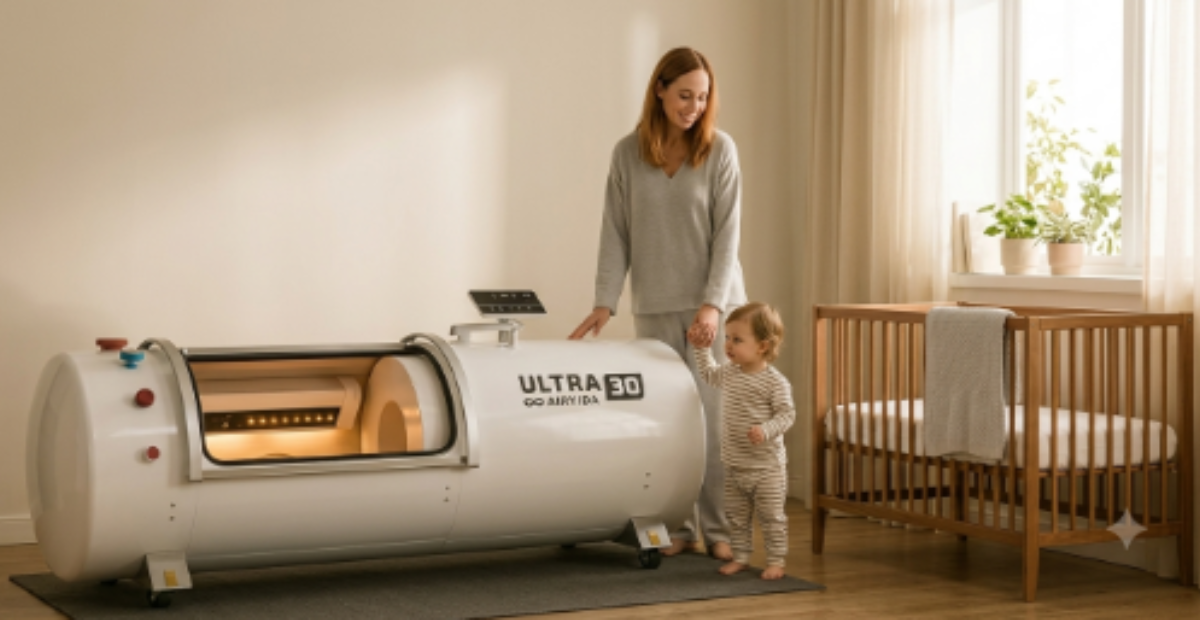
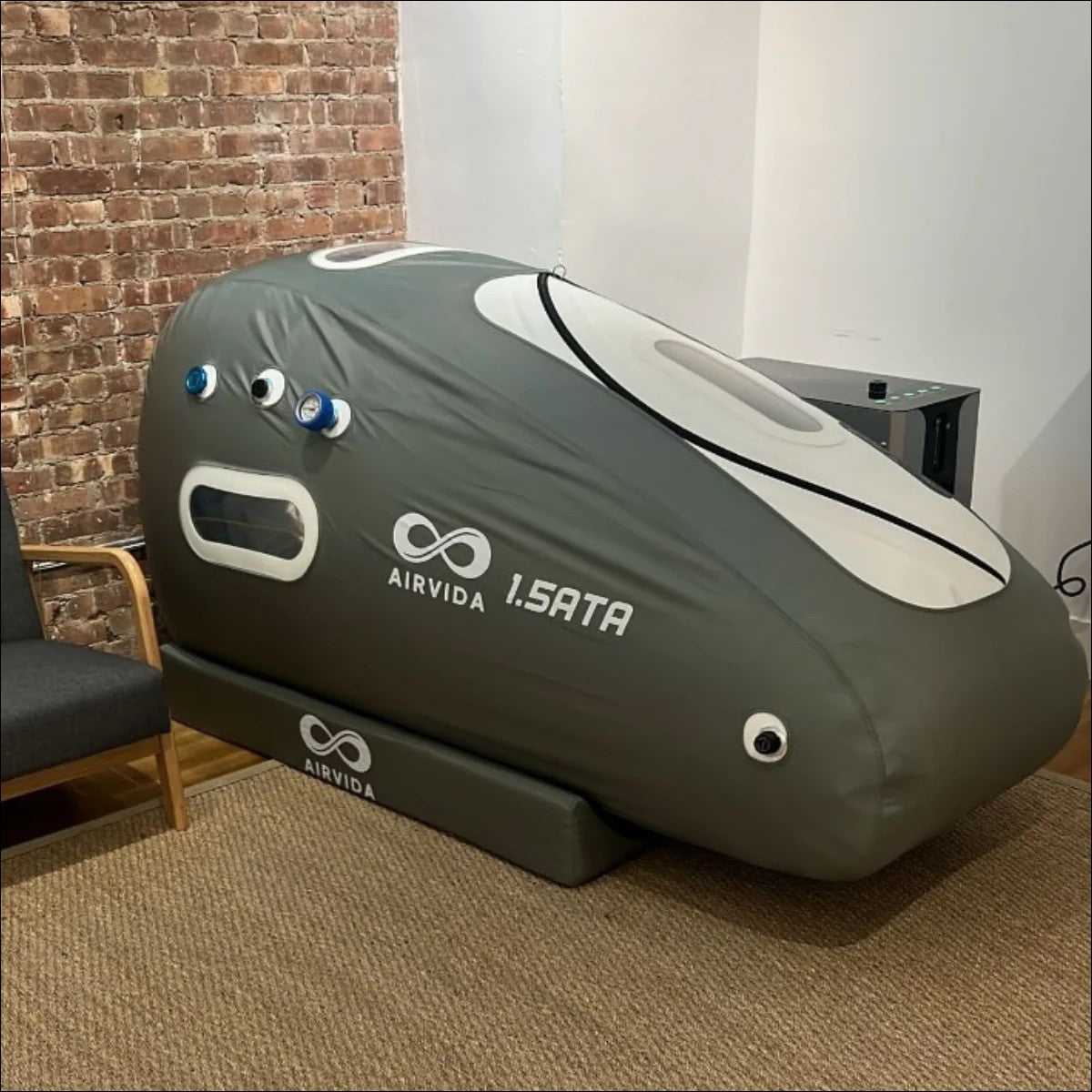
The best hyperbaric chamber for postpartum recovery is a mild, soft-shell unit (1.3–1.5 ATA) designed for at-home daily use, not a hard-shell clinical chamber meant for wound care.
-
HBOT is generally considered after bleeding has stopped, incisions have started closing, and a provider has cleared you, usually 2 to 6 weeks postpartum, depending on delivery type.
-
C-section recovery, tearing, and fatigue are the three postpartum concerns most people are chasing when they search for hyperbaric therapy.
-
Sessions typically run 60–90 minutes, 3–5 times a week, and most soft chambers cost $8,000–$16,000 to buy or $50–$150 per session to rent.
-
Always get OB clearance first. HBOT is not automatically safe simply because it's "natural" or oxygen-based.
A hyperbaric chamber for postpartum use is a pressurized enclosure, usually a soft-shell chamber rated for mild hyperbaric oxygen therapy (mHBOT) that lets a new mother breathe higher concentrations of oxygen at increased atmospheric pressure. The pressure change helps oxygen dissolve more efficiently into blood plasma, reaching tissues that are swollen, inflamed, or slow to heal after delivery. For postpartum use specifically, that means faster incision healing after a C-section, reduced perineal swelling after tearing or an episiotomy, and support for the fatigue that comes with blood loss and disrupted sleep.
This is different from the hard-shell chambers used in hospitals for severe wounds, carbon monoxide poisoning, or decompression sickness. Those run at 2.0–3.0 ATA and require a licensed technician. Postpartum mothers are almost always better served by mild chambers, which run gently enough for home use while still delivering measurable oxygen benefits
Why Postpartum Recovery Timing Matters Right Now

Postpartum recovery windows are short and physiologically demanding; the body is closing an incision or a tear, rebuilding blood volume, and managing hormonal swings, all within about six weeks. Getting oxygen therapy started at the right time, rather than too early or too late, changes how much benefit you actually get from it. Start too soon, and you risk irritating fresh tissue or interfering with normal clotting; wait too long,g and you miss the window where inflammation reduction has the biggest impact on scar quality and energy recovery.
This is also a moment where new parents are researching heavily, comparing at-home wellness tools against in-clinic options, and trying to separate real physiological benefit from marketing claims. Getting this decision right matters because postpartum bodies don't get a second first six weeks.
There's also a practical, logistical reason timing matters: newborn care doesn't pause for recovery. A mother deciding when and how to use a hyperbaric chamber is doing so around feeding schedules, sleep deprivation, and visits from family, not in a controlled clinical calendar. That's part of why soft-shell, home-use chambers have become the more realistic choice for most postpartum households compared to scheduling clinic visits around a newborn's unpredictable routine.
Hyperbaric Collections You May Want to Shop

How HBOT Supports the Postpartum Body
C-Section Incision Healing
A cesarean incision cuts through skin, fascia, and uterine muscle, multiple tissue layers that all need oxygen-rich blood to rebuild collagen. Mild hyperbaric sessions increase plasma-dissolved oxygen delivery to that incision site, which several small clinical studies link to reduced healing time and lower infection rates in post-surgical wounds generally. Mothers using mHBOT after a C-section commonly report less visible bruising and swelling around the incision by the second week.
Perineal Tearing and Episiotomy Recovery
Vaginal tearing, even minor first- or second-degree tears, involves swelling in tissue with a naturally slower blood supply. Increased oxygen availability supports faster tissue regeneration and can reduce the throbbing discomfort many mothers describe in the first ten days. This is one of the more common reasons postpartum patients ask about hyperbaric chambers in the first place.
Fatigue, Inflammation, and Hormonal Recovery
Childbirth causes significant blood loss and a rapid hormonal drop, both of which contribute to the exhaustion that defines the "fourth trimester." Oxygen therapy won't fix sleep deprivation, but improved cellular oxygenation is associated with reduced systemic inflammation, which some mothers find takes the edge off the fatigue-inflammation cycle. If you're also managing a chronic condition alongside recovery, it's worth reading how HBOT interacts with diabetes and blood sugar before adding sessions to a complex health picture.
What to Look for When Choosing a Postpartum Hyperbaric Chamber

Not every chamber marketed for "recovery" is appropriate for a postpartum body. Here's what actually matters:
-
Pressure rating. Look for 1.3–1.5 ATA soft chambers. Anything higher belongs in a clinical setting, not a nursery.
-
Zipper and seal quality. Postpartum mothers often use the chamber one-handed while managing a newborn nearby; a reliable, easy-to-operate zipper matters more than it sounds.
-
Size for comfort, not just fit. C-section mothers need room to shift position without pressing on the incision; cramped chambers discourage consistent use.
-
Noise level. Compressor noise near a sleeping baby is a real consideration; quieter pumps are worth the premium.
-
Portability. Many families choose a chamber that works for the whole household long-term. If you're weighing options that serve multiple generations under one roof, our guide to hyperbaric chambers for families breaks down which sizes and configurations make sense for shared home use.
-
Warranty and support. Postpartum is not the time to troubleshoot equipment alone; buy from a company with responsive customer service.
Hyperbaric Chambers You May Want to Shop
Explore More


Home Rental vs. Purchase: The Postpartum Math
Renting makes sense if you're only planning to use the chamber through the six-to-twelve-week recovery window. Buying makes more sense if the chamber will stay in the household afterward for general wellness, a partner's athletic recovery, or eventually for aging parents. Many families researching postpartum chambers end up looking at options built for multi-decade household use, since a well-maintained soft chamber can serve a new mother today and a grandparent managing circulation issues years later; our breakdown of hyperbaric chambers for seniors is a useful comparison point if that's part of your household's longer-term plan.
What to Expect During a Postpartum Hyperbaric Session

First-time users are often surprised by how uneventful a good session feels. You'll typically zip into the chamber lying down, and the pump gradually pressurizes the space over three to five minutes; most mothers describe this as a mild fullness in the ears, similar to a plane's descent, that clears with a swallow or a gentle yawn. Once at pressure, the session itself is quiet enough to nurse, nap, scroll on a phone, or listen to a podcast for the remaining 45 to 80 minutes.
Coming out of pressure is the part postpartum mothers should pay closest attention to. Decompression should be slow and gradual, never rushed, since a fast pressure drop is where ear discomfort and minor barotrauma tend to happen. A well-built chamber controls this automatically, but it's worth knowing so you're not tempted to unzip early because the baby is crying in the next room.
Expect mild tiredness after the first one or two sessions as your body adjusts, similar to the grogginess some people feel after a massage. This typically fades by the third or fourth session, and most mothers report feeling more alert, not less, once their body adapts to the routine.
Common Mistakes and Misconceptions
-
"More pressure means faster healing." Higher ATA isn't better for postpartum tissue; it increases risk without added benefit at this stage, and most soft-tissue healing research actually favors the milder 1.3–1.5 ATA range for this population.
-
"I can start the day I get home from the hospital." Most providers want bleeding controlled, and incisions initially closed first, typically at least two weeks out, and pushing to start earlier for the sake of "getting ahead" on recovery can backfire.
-
"It's just oxygen, so there's no real safety concern." Pressure changes affect ears, sinuses, and healing tissue directly; this isn't a passive supplement, and skipping the clearance conversation with your provider is the single most common mistake new users make.
-
"Daily use is always better." Consistency matters more than frequency. Our piece on whether you need to use your hyperbaric chamber every day walks through why most people see better results from a steady 3–5 sessions per week rather than pushing daily use too early.
-
"Any chamber will do since I'll only use it for six weeks." A poorly built chamber purchased for short-term use often ends up being a bad long-term investment; check the expected hyperbaric chamber lifespan before buying anything marketed as disposable or short-use.
-
"I should push through discomfort to get the full benefit." Ear pressure, sharp pain, or unusual swelling around an incision after a session is a stop signal, not something to tough out. Check in with your provider before continuing.
Step-by-Step: Starting HBOT After Birth Safely

-
Get OB or midwife clearance. Bring up HBOT at your two-week or six-week checkup and get a direct yes/no based on your specific delivery.
-
Confirm bleeding has stopped or is minimal. Active postpartum bleeding (lochia beyond spotting) is a reason to wait.
-
Choose the right chamber type. Soft-shell, 1.3–1.5 ATA, home-use rated.
-
Start with shorter sessions. 45–60 minutes for the first week, working up to 90 minutes as tolerated.
-
Track how your incision or tearing responds. Note swelling, discomfort, and color changes after each session.
-
Build a 3–5x weekly rhythm. Consistency over weeks matters more than daily marathon sessions.
-
Reassess at 6 weeks. Adjust frequency based on your provider's follow-up exam.
FAQ
Is a hyperbaric chamber safe for pregnancy?
Hyperbaric oxygen therapy is not standard practice during pregnancy and should only be considered under direct physician supervision for specific medical conditions. Routine or wellness use during pregnancy is not recommended, and it's a separate question entirely from postpartum use after delivery.
Can you go in a hyperbaric chamber with stitches?
Generally, not until your provider confirms the stitches have started closing and there's no active infection risk, which is usually somewhere around the two-week mark for perineal stitches. Pressure changes and moisture management inside a chamber need to be handled carefully around any open or healing incision.
When should you not use a hyperbaric chamber?
Avoid HBOT if you have an untreated pneumothorax, active fever or infection, uncontrolled bleeding, certain ear or sinus conditions, or haven't been cleared by your provider postpartum. It's also not appropriate during active labor recovery in the first one to two weeks for most deliveries.
Does HBOT increase white blood cells?
HBOT doesn't directly raise white blood cell counts, but it enhances the oxygen-dependent function of white blood cells, particularly their ability to fight bacteria in low-oxygen, inflamed tissue like a healing incision. This is one reason it's studied for infection resistance in slow-healing wounds.
How soon after a C-section can I start hyperbaric therapy?
Most providers want to see the incision closed with no signs of infection before approving HBOT, typically two to four weeks post-surgery. Always get individual sign-off, since C-section recovery timelines vary based on the surgery itself and any complications.
Conclusion
The best hyperbaric chamber for postpartum recovery is a mild, soft-shell chamber used consistently, safely, and with your provider's approval, not the highest-pressure unit you can find. Whether you're healing from a C-section, recovering from tearing, or just trying to claw back energy in the fourth trimester, the right chamber and the right timing make the difference between a helpful recovery tool and an unnecessary risk.
If you're ready to compare chambers built for real postpartum and family use, explore our hyperbaric chambers for families collection or reach out to our team for a personalized recommendation based on your delivery type and recovery timeline.