


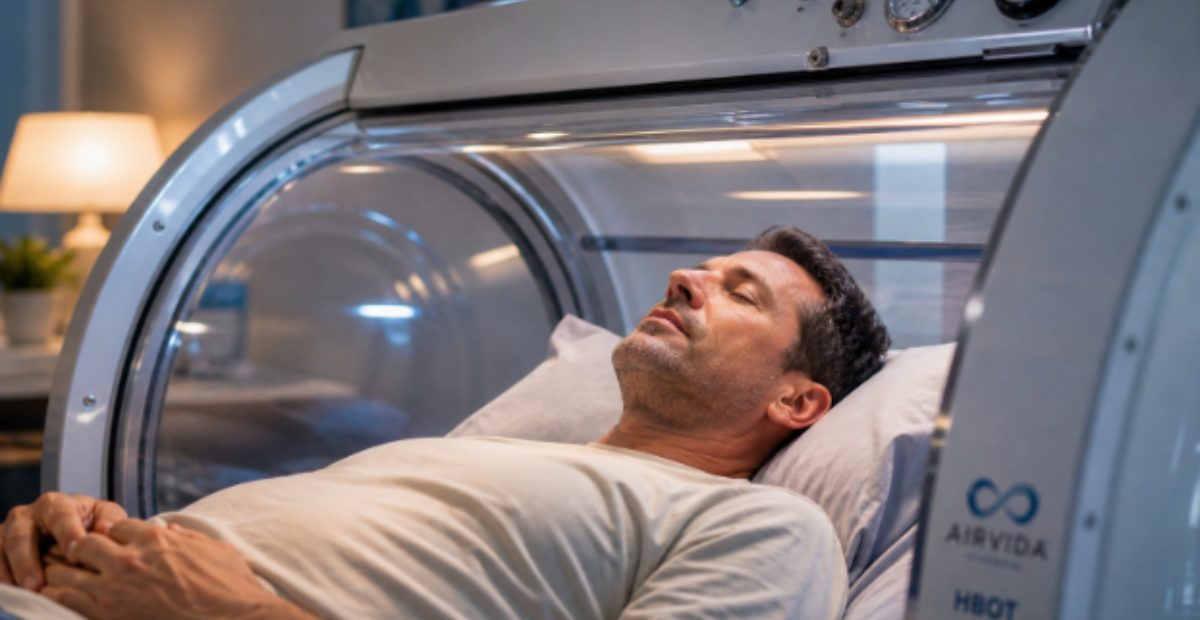
A hyperbaric chamber post surgery delivers high-concentration oxygen to your body under increased pressure, which helps speed up tissue repair and reduce inflammation. This makes it a popular recovery tool for people healing from orthopedic, cosmetic, and soft tissue surgeries.
Whether you're exploring your options after a planned procedure or already in recovery mode, understanding how oxygen therapy fits into the healing process can help you make bettut your care.
Things to Know
-
Hyperbaric oxygen therapy (HBOT) works by flooding your body with pure oxygen at higher-than-normal atmospheric pressure.
-
Sessions typically run between 60 and 90 minutes per visit.
-
It's not a substitute for medical care, but it can work alongside your doctor's recovery plan.
-
Home wellness chambers operate at 1.3 to 2.0 ATA, which is appropriate for general recovery and wellness support.
-
Results vary depending on the type of surgery, your overall health, and how consistently you use the chamber.
-
Always speak with your doctor before starting HBOT following any surgical procedure.
Why Post-Surgery Recovery Is So Demanding on Your Body
Surgery puts real stress on your body, even when it goes exactly as planned. Your immune system shifts into overdrive, tissue needs to rebuild, and inflammation builds up as part of the natural healing response. For a lot of people, this also comes with pain, swelling, and fatigue that stretches recovery out longer than expected.
The body's healing process depends heavily on oxygen. When tissue is damaged during surgery, blood vessels can be disrupted, limiting how much oxygen reaches the injured area. Without enough oxygen, cells struggle to repair themselves, wounds heal more slowly, and the risk of infection rises.
This is exactly where oxygen-based recovery tools have gained serious attention.
Hyperbaric Collections You May Want to Shop

How a Hyperbaric Chamber Supports Post-Surgery Healing
When you breathe pure oxygen inside a pressurized chamber, your blood plasma absorbs far more oxygen than it would under normal conditions. That oxygen gets delivered deeper into tissue, including areas with reduced blood flow from surgical trauma.
For people using a hyperbaric chamber post surgery, the key benefits often include:
-
Faster wound closure by supporting collagen production
-
Reduced swelling and bruising through anti-inflammatory effects
-
Lower infection risk by boosting white blood cell activity
-
Improved energy levels throughout the recovery window
People who've had soft tissue procedures often explore hyperbaric oxygen therapy after surgery as a way to shorten the visible signs of healing, especially bruising and puffiness. The same oxygen-driven process that helps wounds close also supports the lymphatic system in clearing out fluid buildup around the surgical site.
For surgeries involving tissue grafts, incisions, or internal repair work, hyperbaric chamber for wound care has become an increasingly discussed option among patients looking to support their body beyond rest and medication alone.
The Role of Oxygen Pressure in Tissue Repair

At normal atmospheric pressure, oxygen travels through your body primarily carried by red blood cells. Inside a pressurized chamber, oxygen dissolves directly into your blood plasma, cerebrospinal fluid, and lymph fluid. This allows it to reach compromised tissue that red blood cells may not be able to access because of swelling or vessel damage.
The increased oxygen concentration in tissue creates an environment where:
-
Fibroblasts, the cells responsible for forming scar tissue, work faster
-
New blood vessels begin to form through a process called angiogenesis
-
Bacterial growth is suppressed in oxygen-sensitive infections
This is why hyperbaric chamber recovery is gaining traction beyond clinical settings, with more people looking for home-based options to maintain consistent oxygen therapy without scheduling around clinic hours.
Hyperbaric Chambers You May Want to Shop
Explore More


Which Surgeries May Benefit Most
Not every surgery carries the same recovery demands. Some procedures involve more tissue disruption, larger incisions, or higher infection risk, and these tend to overlap most with HBOT protocols.
|
Surgery Type |
Why HBOT May Help |
Primary Benefit |
|
Orthopedic (joint, bone repair) |
Promotes bone healing and reduces joint swelling |
Faster tissue repair |
|
Cosmetic/plastic surgery |
Reduces bruising, supports skin healing |
Less visible downtime |
|
Abdominal or organ surgery |
Supports deep tissue oxygenation |
Reduced infection risk |
|
Dental or oral surgery |
Promotes gum and bone healing |
Faster wound closure |
|
Spinal surgery |
Supports nerve tissue recovery |
Reduced inflammation |
It's worth noting that HBOT is not universally prescribed after surgery. Whether it makes sense for you depends on your surgeon's recommendation, the type of procedure, and your personal health history.
Home Chambers vs. Clinical Chambers for Recovery

One of the most practical decisions people face when exploring post-surgical recovery is whether to use a clinical-grade chamber or a home wellness chamber. Both have a place in a recovery plan depending on what your doctor recommends and what you need ongoing access to.
|
Feature |
Clinical Chamber |
Home Wellness Chamber |
|
Pressure range |
2.0 ATA and above |
1.3 to 2.0 ATA |
|
Supervision |
Medically supervised |
Self-managed |
|
Convenience |
Scheduled appointments |
Available anytime |
|
Cost structure |
Per-session fees |
One-time investment |
|
Best for |
Acute medical conditions |
General recovery and wellness support |
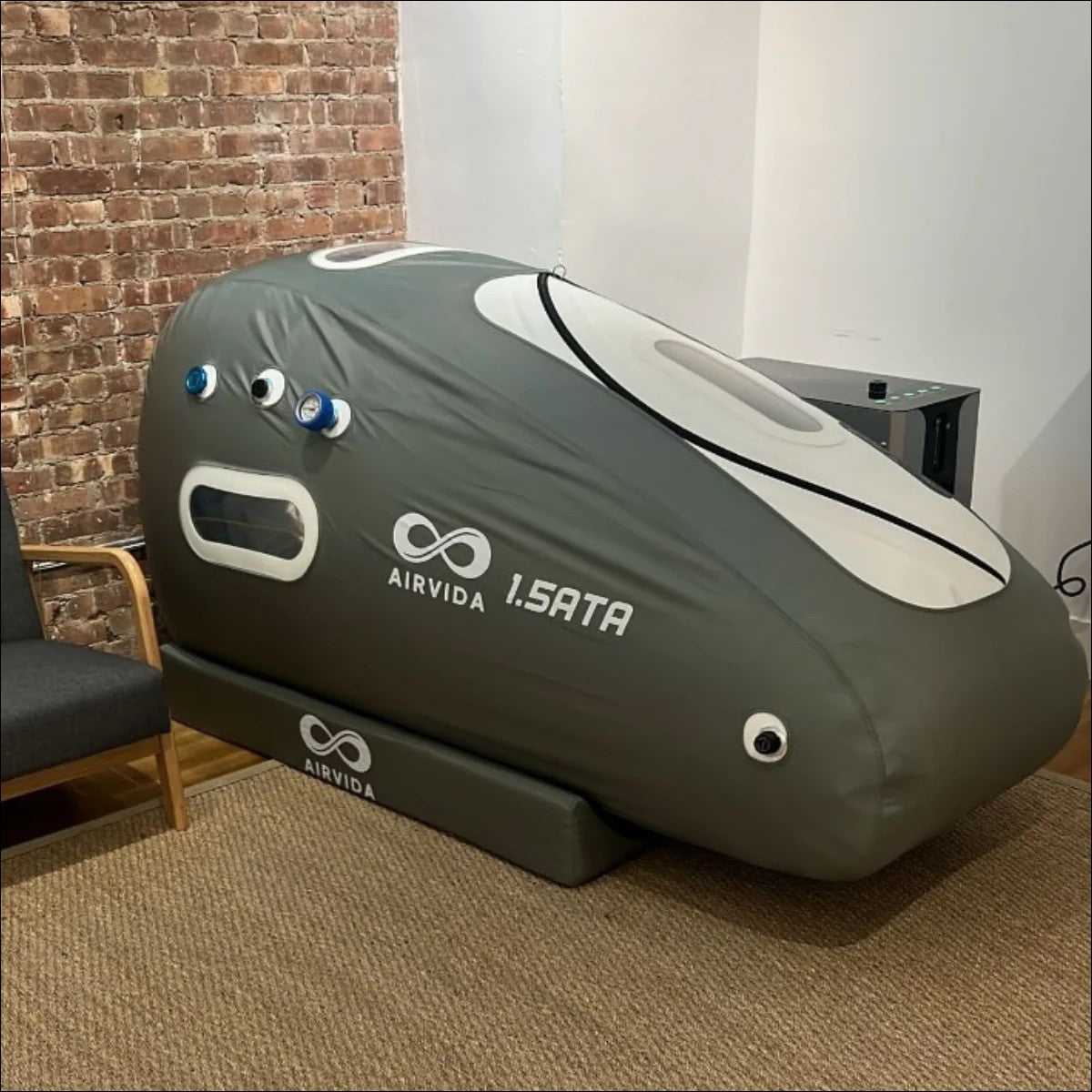
Home wellness chambers, like the Hard Shell Hyperbaric Chambers available from Airvida, operate in the 1.3 to 2.0 ATA range. These aren't designed for acute medical emergencies, but they work well for people looking to support general recovery, reduce fatigue, and maintain consistent access to oxygen therapy at home without the added pressure of scheduling.
For those who want a personal, enclosed setup, Monoplace Hyperbaric Chambers offer a private session that many people find more comfortable during recovery. For households where more than one person might benefit, Multiplace Hyperbaric Chambers allow two or more people to use the chamber at the same time, which can work well for caregivers supporting a recovering patient.
When to Start and How Often to Use It

Timing matters when beginning HBOT after surgery. Most people are advised to wait until initial wound closure has occurred and their surgeon has given clearance. Starting too early, particularly with open wounds, isn't appropriate without direct medical guidance.
Once cleared, typical HBOT session frequency for recovery support ranges from a few sessions per week to daily use depending on what you and your care team have agreed on. Sessions usually run 60 to 90 minutes.
A few practical things to keep in mind:
-
Consistency matters more than intensity. Regular sessions tend to produce better results than sporadic use.
-
Keep your doctor informed about your use, especially in the weeks immediately following surgery.
-
Staying well-hydrated before and after sessions supports how your body processes the increased oxygen.
-
Some people notice reduced soreness and improved sleep quality within the first week of consistent use.
Why More People Are Bringing Recovery Home

The appeal of at-home hyperbaric therapy has grown significantly, and it's not hard to understand why. Recovering from surgery already means coordinating follow-up appointments, managing medications, and limiting activity. Adding clinic visits for oxygen sessions on top of that adds scheduling pressure that many people simply can't sustain.
A home chamber removes that friction. You can run a session in the morning before the day gets busy, or in the evening when your body is winding down. For people with longer recovery windows, this kind of daily access to oxygen therapy can make a noticeable difference in how quickly and comfortably they move through healing.
The Right Support for Hyperbaric Chamber Post Surgery Recovery
Recovery after surgery is rarely a straight line, but the tools you choose during that window make a real difference. Using a hyperbaric chamber post surgery gives your body a steady supply of the oxygen it needs to rebuild tissue, reduce inflammation, and move through healing at a better pace.
At Airvida Chambers, we pride ourselves on offering the highest quality of hyperbaric chambers on the market backed by only working with the most reliable partners in the industry. Whether you're looking for a personal monoplace setup or a shared multiplace option, our chambers are built to support your recovery in a way that fits into your life, not the other way around.
Frequently Asked Questions
Can a hyperbaric chamber help with healing after surgery?
Yes, a hyperbaric chamber can support post-surgical healing by delivering concentrated oxygen to damaged tissue. This promotes faster wound closure, reduces inflammation, and encourages collagen production. Results depend on the type of surgery, your overall health, and how consistently you use the chamber. Always confirm with your doctor before starting.
Is hyperbaric oxygen therapy recommended after every surgery?
No, HBOT is not universally recommended after every surgery. It's typically discussed for procedures involving significant tissue damage, slow wound healing, or elevated infection risk. Your surgeon or care team is the right person to determine whether it fits your specific recovery plan based on your procedure and health profile.
When might a doctor suggest HBOT after surgery?
Doctors may suggest HBOT when healing is slow, when infection risk is elevated, or when tissue grafts are part of the procedure. It's also discussed after orthopedic, cosmetic, and oral surgeries to support faster recovery. The decision depends on individual factors and the clinical judgment of your care team.
How soon after surgery can you use a hyperbaric chamber?
The timeline varies depending on the type of surgery and your surgeon's guidance. Many people begin using a home wellness chamber once initial wound closure has occurred and they've received clearance from their doctor. Starting too early without medical approval is not advised, especially if incisions are still open or actively healing.
Is hyperbaric oxygen therapy safe after surgery?
HBOT is generally considered safe when used appropriately and with medical guidance. Home wellness chambers operating at 1.3 to 2.0 ATA are designed for general recovery support and carry a lower risk profile than clinical high-pressure settings. Always keep your doctor informed, particularly during active post-surgical recovery.
How many sessions are typically needed after surgery?
There's no fixed number, as it depends on the procedure, your health, and your recovery goals. Some people use HBOT several times a week throughout their recovery window, while others incorporate it daily for several weeks. Consistent use over time tends to show the most noticeable impact on swelling, wound healing, and overall energy.