


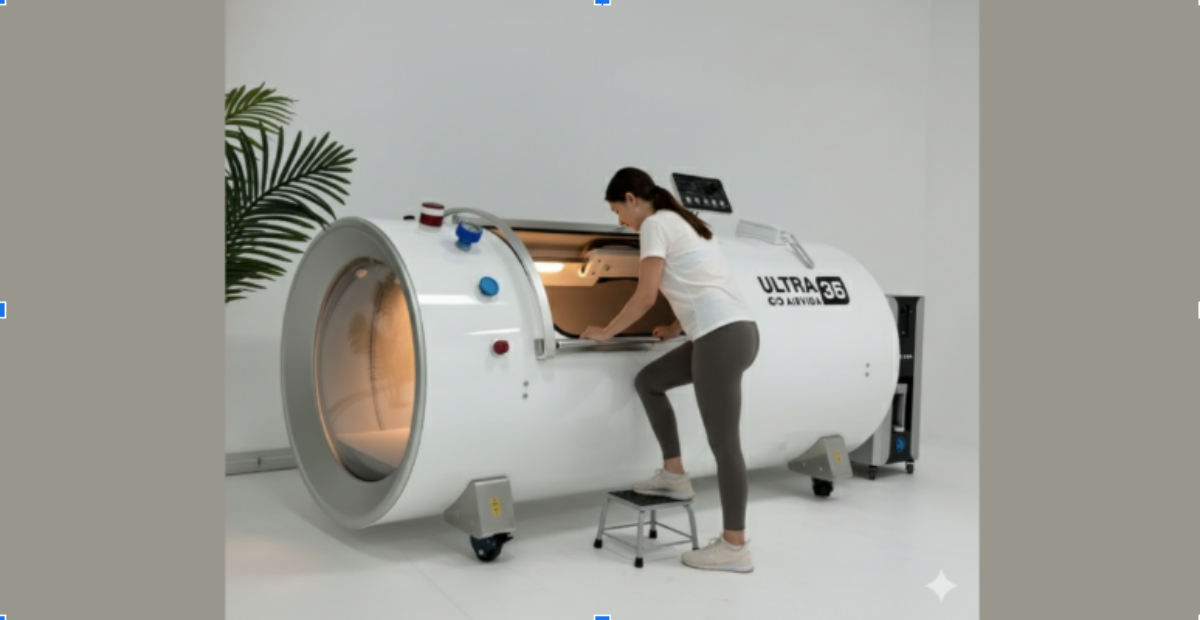
A hyperbaric chamber for recovery helps the body heal faster by delivering concentrated oxygen under controlled pressure. This process supports tissue repair, reduces inflammation, and improves overall recovery after physical or mental stress.
Used by athletes, wellness clinics, and individuals seeking faster healing, hyperbaric therapy has become a trusted option for recovery support when used correctly and consistently. By increasing oxygen availability under controlled pressure, it may help support tissue repair, reduce post-exercise fatigue, and promote overall recovery when combined with proper medical guidance.
What Is a Hyperbaric Chamber and How It Supports Recovery

A hyperbaric chamber is a sealed medical or wellness device that allows a person to breathe pure or oxygen-enriched air at pressures higher than normal atmospheric levels. This increased pressure helps oxygen dissolve more efficiently into the bloodstream.
Once oxygen saturation rises, it is delivered deeper into tissues that normally receive limited blood flow. This mechanism is the foundation of why hyperbaric therapy is widely used for recovery, including services offered through Hyperbaric Chambers in Charlotte, NC.
Unlike traditional rest-based recovery, hyperbaric therapy works at the cellular level. Oxygen fuels ATP production, which cells rely on for repair, regeneration, and inflammation control. This method has been used in clinical environments for decades and has now expanded into wellness-focused recovery programs.
Why Oxygen Pressure Matters for Healing
Oxygen is essential for tissue repair and overall cellular function. When injury, inflammation, or fatigue occurs, the body’s demand for oxygen increases significantly. However, damaged or stressed tissues often experience restricted blood flow, limiting oxygen delivery and slowing recovery, which is why therapies that enhance oxygenation can be particularly beneficial.
Hyperbaric Chambers You May Want to Shop
Explore More


A hyperbaric chamber increases atmospheric pressure, allowing oxygen to dissolve directly into plasma rather than relying solely on red blood cells. This enhanced delivery enables oxygen to reach compromised or poorly perfused tissues more efficiently, supporting faster healing, reducing inflammation, and improving overall recovery for injuries, post-surgical care, and wellness optimization.
Key Recovery Benefits of Pressurized Oxygen
-
Enhances cellular repair processes
-
Reduces swelling and inflammation
-
Supports faster muscle recovery
-
Improves circulation in damaged tissues
-
Promotes collagen and capillary formation
These benefits explain why hyperbaric therapy is commonly used in sports recovery, post-surgical healing, wellness optimization, and cognitive support, as explored in Hyperbaric Chamber for Brain Fog
Hyperbaric Chamber for Recovery: Common Use Cases

The use of a hyperbaric chamber for recovery spans multiple health and wellness needs. While originally designed for medical conditions, its applications now extend into performance and preventive care.
Athletic and Physical Recovery
Athletes often experience micro-tears in muscles, joint stress, and inflammation. Hyperbaric oxygen supports faster muscle repair and reduces downtime between training sessions. Professional athletes and fitness enthusiasts use hyperbaric therapy as part of a structured recovery routine alongside stretching, hydration, and proper nutrition.
Injury and Post-Surgical Healing
Hyperbaric therapy is commonly used to support wound healing and tissue regeneration. Increased oxygen levels help reduce infection risk and promote faster closure of wounds. This is especially helpful for individuals recovering from orthopedic injuries or surgeries where circulation may be compromised.
Cognitive and Mental Fatigue Recovery
Oxygen plays a major role in brain function, influencing energy production, cognitive performance, and overall mental health. Improved oxygen delivery through hyperbaric therapy can support clarity, focus, and mental stamina. For individuals experiencing fatigue, mental overload, or cognitive strain, it is often integrated with wellness programs aimed at restoring balance and enhancing brain function.

Comparing Hyperbaric Therapy to Traditional Recovery Methods
|
Recovery Method |
Primary Benefit |
Limitations |
|
Rest and Sleep |
Natural repair |
Slower recovery for injuries |
|
Ice Therapy |
Reduces swelling |
Temporary relief |
|
Massage Therapy |
Improves circulation |
Requires frequent sessions |
|
Hyperbaric Oxygen Therapy |
Cellular-level healing |
Requires equipment and guidance |
Hyperbaric therapy does not replace foundational recovery methods such as proper nutrition, hydration, rest, and physical rehabilitation, but it can significantly enhance their effects when used appropriately. By improving oxygen delivery and supporting tissue repair, it serves as a valuable complement, helping individuals recover more efficiently and potentially reduce recovery time.
How to Use a Hyperbaric Chamber Safely and Effectively
Using a hyperbaric chamber correctly is essential for maximizing recovery benefits while minimizing potential risks. Proper session duration, pressure settings, and medical guidance ensure safe and effective therapy. When integrated with other recovery strategies, hyperbaric treatment can support faster healing, reduce fatigue, and promote overall wellness in a controlled, monitored environment.
Session Duration and Frequency
Most recovery-focused hyperbaric therapy sessions typically last between 60 and 90 minutes, with frequency tailored to individual needs, activity levels, and wellness goals. Athletes or those with intensive recovery demands may use therapy multiple times per week, while others might benefit from less frequent, periodic sessions to support overall healing and long-term wellness.
Professional Guidance Matters
Although mild hyperbaric chambers are designed for wellness use, guidance from trained professionals ensures proper pressure levels and session planning. Individuals with medical conditions should always consult a healthcare provider before starting therapy.
Explore professionally supported options through hyperbaric chamber collections like Hyperbaric Chambers in Cincinatti, OH, for recovery-focused environments.
Choosing the Right Hyperbaric Chamber for Recovery
Not all hyperbaric chambers are the same, and selecting the right one requires careful consideration. Factors such as intended use, pressure capability, size, and the environment in which it will be used play critical roles. Choosing appropriately ensures safety, effectiveness, and the best possible outcomes for recovery, wellness, or therapeutic goals.
Hyperbaric Collections You May Want to Shop

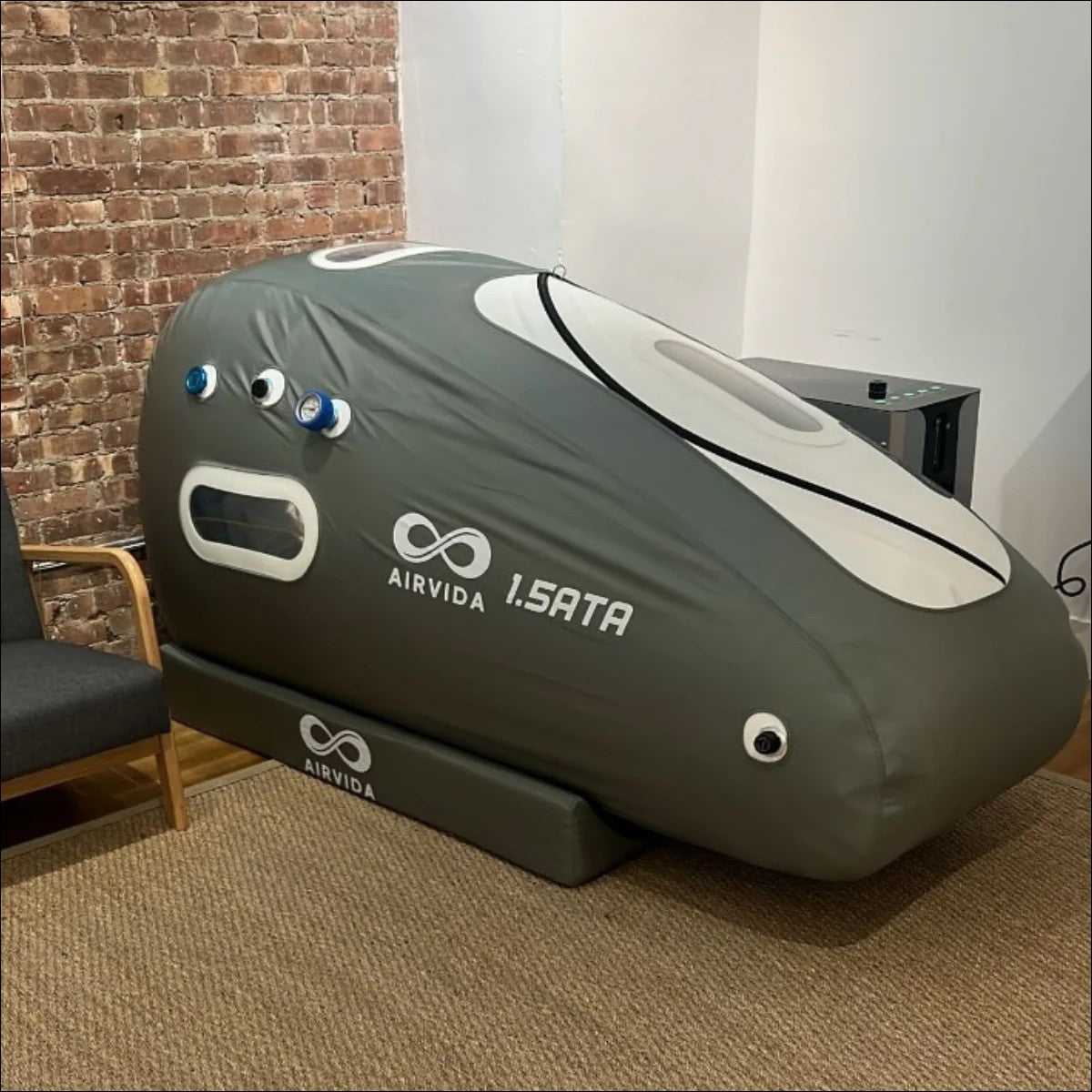
Soft vs Hard Chambers
|
Chamber Type |
Best For |
Pressure Range |
|
Soft Chamber |
Home and wellness use |
Mild pressure |
|
Hard Chamber |
Clinical environments |
Higher pressure |
For general recovery, soft chambers are commonly used due to accessibility and ease of use.
Location and Accessibility
Those seeking consistent access to hyperbaric therapy often explore regional hyperbaric chamber collections that provide convenient, reliable options for regular sessions. These facilities support long-term recovery routines, allowing individuals to integrate therapy into their wellness or rehabilitation plans, maintain consistent treatment schedules, and maximize potential benefits for overall health and healing.
Who Should Consider Hyperbaric Recovery Therapy
Hyperbaric therapy is suitable for a wide range of individuals when used responsibly and under proper medical guidance. From athletes recovering from intense training to patients managing injuries or chronic conditions, it can support healing, reduce inflammation, and enhance overall wellness, provided safety protocols and individualized treatment plans are carefully followed.
-
Athletes and fitness enthusiasts
-
Individuals recovering from injury
-
People managing inflammation-related fatigue
-
Those seeking wellness optimization
However, hyperbaric therapy is not a one-size-fits-all solution and should be approached as part of a broader recovery strategy. Individual needs, medical history, and specific goals must be considered. When combined with proper rest, nutrition, exercise, and professional guidance, it can enhance recovery while ensuring safety and effectiveness for each person.
Supporting Research and Related Insights
Hyperbaric oxygen therapy continues to be actively explored for its potential effects on inflammation reduction, neurological support, and immune system enhancement. Researchers are investigating how controlled oxygen delivery under pressure may influence cellular repair, tissue health, and overall recovery, offering promising insights for both medical treatment and wellness applications in diverse populations.
For deeper reading, explore Hyperbaric Oxygen Therapy for Ulcerative Colitis: An Evidence-Based Patient Guide.
Final Takeaway: Is a Hyperbaric Chamber for Recovery Worth It
A hyperbaric chamber for recovery offers a science-backed way to support healing, reduce inflammation, and enhance overall recovery when used correctly. By improving oxygen delivery at the cellular level, it complements traditional recovery methods and supports both physical and mental wellness.
For individuals seeking consistent, structured recovery support, hyperbaric therapy can serve as a valuable addition to a long-term wellness plan. By enhancing oxygen delivery, supporting tissue repair, and promoting overall recovery, it complements traditional methods such as exercise, nutrition, and rest, helping maintain health, prevent setbacks, and optimize performance over time.
Frequently Asked Questions
Is a hyperbaric chamber good for recovery?
Yes, a hyperbaric chamber can support recovery by increasing oxygen delivery to tissues, which helps reduce inflammation and promotes cellular repair. This process supports muscle recovery, wound healing, and overall physical restoration. Many users integrate hyperbaric therapy into their recovery routines alongside proper sleep, hydration, and nutrition. While it is not a replacement for medical treatment, it is widely used as a complementary recovery tool in both athletic and wellness settings.
What is the downside of hyperbaric oxygen therapy?
The main downside of hyperbaric oxygen therapy is improper use or lack of medical guidance. Potential risks include ear pressure discomfort, sinus issues, or oxygen sensitivity when sessions are not properly managed. These risks are generally low when therapy is supervised and used at appropriate pressure levels. It is important to follow professional recommendations and avoid overuse to ensure safe and effective recovery outcomes.
Is hyperbaric oxygen therapy safe during pregnancy?
Hyperbaric oxygen therapy during pregnancy should only be used under medical supervision. While HBOT has been used in specific medical cases, routine recovery or wellness use during pregnancy is not universally recommended. Pregnant individuals should consult a qualified healthcare provider to evaluate potential benefits and risks before considering hyperbaric sessions.
Is hyperbaric oxygen therapy good for COPD?
Hyperbaric oxygen therapy may be beneficial for certain COPD-related complications but is not a primary treatment. It can support oxygen delivery in controlled settings, but improper use may pose risks for individuals with respiratory conditions. Anyone with COPD should only consider hyperbaric therapy under strict medical supervision and as part of a broader treatment plan.