


Hyperbaric oxygen therapy after plastic surgery enhances recovery by flooding healing tissues with pure oxygen at increased atmospheric pressure, which speeds wound healing, reduces swelling, and minimizes scarring. This treatment has become increasingly popular among plastic surgeons and patients seeking optimal post-surgical outcomes.
Whether you're planning a facelift, breast augmentation, tummy tuck, or any cosmetic procedure, understanding how hyperbaric oxygen therapy supports your recovery can make a significant difference in your results. The therapy works by creating an oxygen-rich environment that helps your body repair itself more efficiently after surgical trauma.
In this guide, we'll explain exactly how hyperbaric oxygen therapy aids plastic surgery recovery, when to start treatments, what results to expect, and how to incorporate it into your healing plan.
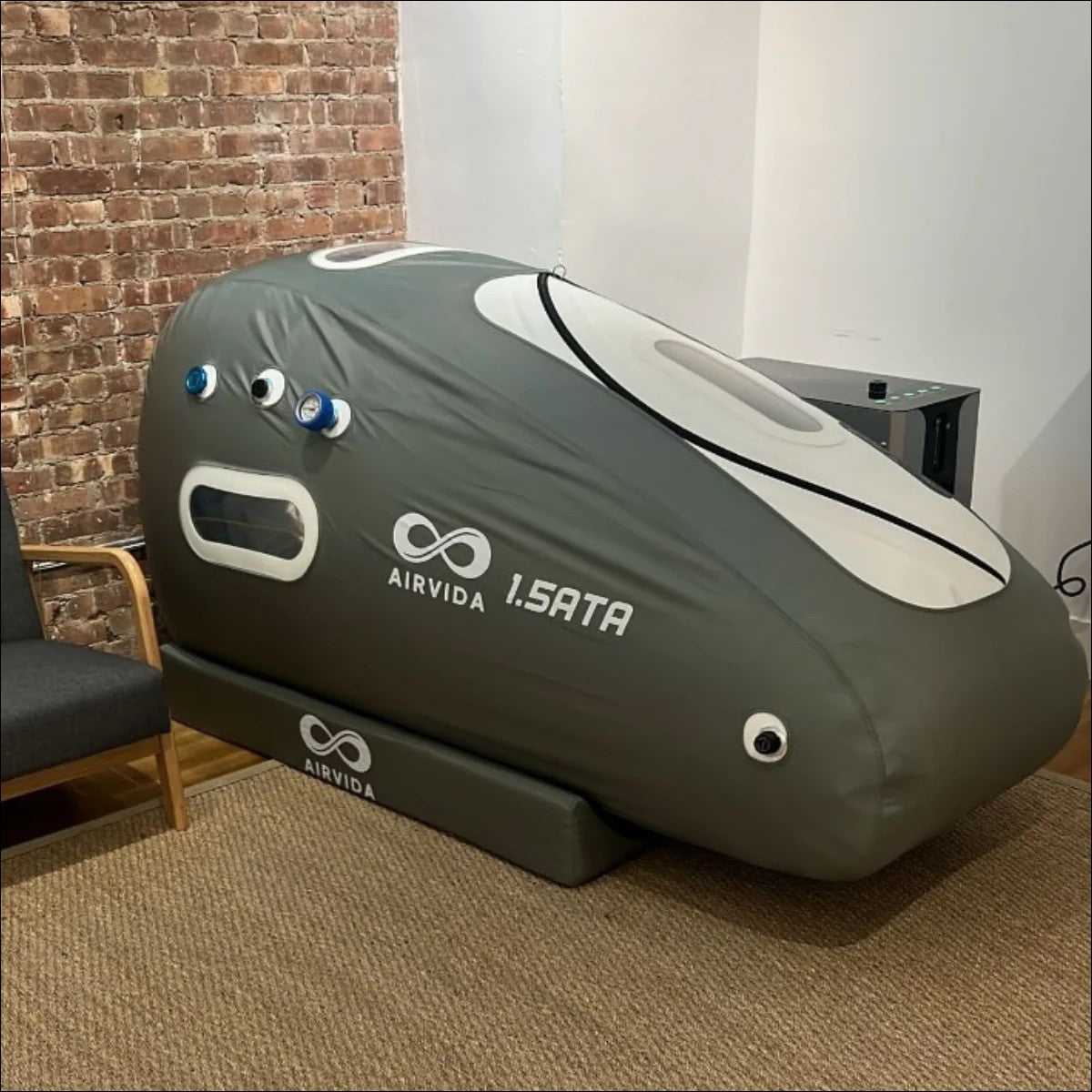
Speed up your plastic surgery recovery with our soft hyperbaric chambers for home use designed for convenient post-operative healing.
Hyperbaric Collections You May Want to Shop

What Is Hyperbaric Oxygen Therapy and How Does It Work
Hyperbaric oxygen therapy (HBOT) involves breathing 100% oxygen inside a pressurized chamber, allowing your body to absorb far more oxygen than at normal air pressure. This oxygen-rich blood reaches areas with reduced circulation, supporting healing after plastic surgery.

Surgical procedures temporarily disrupt blood flow, making it harder for tissues to heal. HBOT helps by saturating blood plasma with dissolved oxygen, which can reach swollen or damaged areas that red blood cells cannot easily access. Pressures typically range from 1.3 to 3.0 ATA, significantly increasing tissue oxygen levels. This enhanced oxygen delivery supports incision healing, graft survival, and tissue recovery, helping reduce complications and improve overall surgical outcomes.
This dramatic increase in oxygen availability triggers several beneficial effects:
-
Enhanced collagen production for wound closure
-
Increased white blood cell activity to fight infection
-
Reduced inflammation and edema
-
Improved angiogenesis (new blood vessel formation)
-
Faster removal of metabolic waste products
Why Plastic Surgeons Recommend HBOT
Many plastic surgeons now incorporate hyperbaric oxygen therapy into their post-operative protocols because clinical evidence shows measurable improvements in healing outcomes.
The therapy particularly benefits procedures where tissue viability is a concern, such as breast reconstruction, major body contouring after weight loss, or surgeries involving compromised blood supply.
Airvida Chambers has worked with numerous plastic surgery practices to provide both in-office solutions and home units for patients. The consistency of treatment access often determines success, making home-based therapy increasingly popular.
Discover professional-grade recovery options with our medical-grade hard shell hyperbaric chambers for sale that meet clinical standards.
Hyperbaric Chambers You May Want to Shop
Explore More


Benefits of Hyperbaric Oxygen Therapy After Plastic Surgery
Hyperbaric oxygen therapy (HBOT) has become an increasingly popular adjunct treatment for plastic surgery patients seeking optimal recovery outcomes. By delivering concentrated oxygen at increased atmospheric pressure, HBOT creates ideal conditions for post-surgical healing.
How HBOT Supports Post-Surgical Recovery
During hyperbaric oxygen therapy, patients breathe pure oxygen in a pressurized chamber, typically at 1.3 to 2.0 times normal atmospheric pressure. This process significantly increases oxygen levels in blood plasma and tissues, which is particularly beneficial during the healing phase following plastic surgery.
Key Benefits for Plastic Surgery Recovery

Reduced Swelling and Inflammation
HBOT dramatically decreases post-operative edema and bruising, which are common after procedures like facelifts, rhinoplasty, breast augmentation, and body contouring. Many patients notice visible reduction in swelling within the first week of treatment.
Faster Wound Healing
Increased oxygen delivery accelerates cellular repair and regeneration. This enhanced healing is particularly valuable for incision sites, promoting faster closure and reduced recovery time. Studies show patients using HBOT may heal 40-50% faster than those following standard recovery protocols.
Enhanced Collagen Production
Oxygen is essential for collagen synthesis, the protein responsible for skin strength and elasticity. HBOT optimizes collagen production during the critical remodeling phase, potentially resulting in less visible scarring and better aesthetic outcomes.
Infection Prevention
The high-oxygen environment created by HBOT is inhospitable to many bacteria, particularly anaerobic strains. This antimicrobial effect, combined with enhanced immune function, significantly reduces infection risk—a critical concern for any surgical procedure.
Improved Tissue Viability
For procedures involving tissue flaps, grafts, or implants, adequate oxygenation is crucial for tissue survival. HBOT helps maintain tissue viability in areas with compromised blood supply, reducing the risk of necrosis or flap failure.
Pain Reduction
Many patients report decreased post-operative pain when using HBOT, potentially reducing reliance on pain medications and their associated side effects.
Minimized Scarring
By supporting optimal healing conditions and reducing inflammation, HBOT can contribute to less noticeable scarring—protecting the cosmetic results of your procedure.
Why Choose an Airvida Home Chamber
Immediate Access When You Need It Most
Begin treatment immediately after surgery without waiting for appointments or traveling during your vulnerable recovery period. Home access means you control your treatment schedule for optimal results.
Clinical-Grade Technology

Airvida Chambers deliver the same pressure ranges (1.3-2.0 ATA) and oxygen concentration used in medical facilities, ensuring you receive therapeutic-level treatment.
Cost-Effective Recovery Investment
Clinical HBOT sessions typically cost $200-500 each. A recommended 30-session protocol could cost $6,000-15,000. Your Airvida chamber represents a one-time investment that pays for itself with a single surgery, then continues providing value for future procedures and wellness applications.
Privacy and Comfort
Recover in the comfort of your own home, avoiding exposure to public spaces when your immune system is compromised and infection risk is highest.
Procedures That Benefit Most from HBOT
-
Facelifts and neck lifts
-
Rhinoplasty
-
Blepharoplasty (eyelid surgery)
-
Breast augmentation, reduction, or reconstruction
-
Tummy tucks (abdominoplasty)
-
Liposuction and body contouring
-
Brazilian butt lift (BBL)
-
Skin grafts and flap procedures
When to Start Hyperbaric Oxygen Therapy After Surgery
Timing is critical when incorporating hyperbaric oxygen therapy after plastic surgery into your recovery plan. Starting too early or too late can affect the benefits you receive.
Recommended Timeline for Different Procedures
Most plastic surgeons recommend beginning HBOT within 24-72 hours after surgery, once you're medically stable and cleared for treatment. This early intervention capitalizes on the most active healing phase.
Here's a general timeline for common procedures:
|
Procedure Type |
Ideal Start Time |
Treatment Duration |
Session Frequency |
|
Facelift, neck lift, brow lift |
24-48 hours post-op |
2-4 weeks |
Daily or every other day |
|
Breast augmentation, reduction, lift |
48-72 hours post-op |
2-3 weeks |
Daily initially, then 3x weekly |
|
Tummy tuck, body contouring |
48-72 hours post-op |
3-4 weeks |
Daily for first week, then as needed |
|
Rhinoplasty, facial implants |
24-48 hours post-op |
2-3 weeks |
Daily or every other day |
|
Fat transfer, grafts |
24-48 hours post-op |
2-4 weeks |
Daily for maximum graft survival |
These timelines represent typical recommendations, but your plastic surgeon will provide specific guidance based on your procedure, health status, and individual healing progress.
Airvida Chambers offers both portable soft-shell hyperbaric chamber collection options and clinical-grade units, allowing you to maintain consistent treatment schedules whether at home or in a medical facility.
What to Expect During Your First Session
Your first hyperbaric oxygen therapy session after surgery may feel new, but it should not be painful. Sessions usually last 60 to 90 minutes. You will enter the chamber and get comfortable, often lying down with pillows for support. As the chamber pressurizes, you may feel ear pressure similar to flying or driving uphill.
This is normal and can be relieved by swallowing, yawning, or gently blowing your nose while pinching it. Once pressure stabilizes, you can relax, sleep, read, or listen to music. Most people feel refreshed or energized afterward, with mild effects lasting a few hours.
Learn more about different treatment approaches in our guide to hyperbaric chamber treatment methods and protocols.
Who Benefits Most from HBOT After Plastic Surgery
While hyperbaric oxygen therapy after plastic surgery can benefit any patient, certain groups see particularly dramatic improvements in their recovery outcomes.
High-Risk Patient Groups
Some factors significantly increase the risk of poor healing or complications after plastic surgery. If you fall into any of these categories, HBOT becomes especially valuable:
Smokers and Recent Former Smokers
Nicotine constricts blood vessels and reduces oxygen delivery to tissues. Even if you quit smoking before surgery, your tissues may still have compromised circulation. Hyperbaric therapy compensates by forcing oxygen into areas with reduced blood flow, dramatically lowering complication rates that are typically 2-3 times higher in smokers.
Diabetic Patients
Diabetes impairs wound healing through multiple mechanisms including reduced circulation, immune dysfunction, and altered collagen formation. HBOT addresses each of these issues, reducing infection risk and promoting normal wound closure in diabetic plastic surgery patients.
Patients with Compromised Circulation
Conditions like peripheral vascular disease, previous radiation therapy, or certain autoimmune disorders compromise blood flow. These patients face higher risks of wound breakdown, tissue necrosis, and poor scarring. Hyperbaric oxygen therapy provides an alternative route for oxygen delivery when normal circulation is inadequate.
Revision Surgery Patients
Scar tissue from previous surgeries can limit blood supply to the area. When undergoing revision procedures, the compromised vascularity increases healing challenges. HBOT helps overcome this limitation by saturating available tissues with oxygen despite reduced blood vessel density.
Specific Procedures That Benefit Most
Certain plastic surgery procedures benefit more dramatically from hyperbaric oxygen therapy than others. Understanding which procedures respond best helps you make informed decisions about incorporating HBOT.
For detailed information about treatment expenses and value, review our comprehensive guide on hyperbaric chamber therapy cost and investment considerations.
|
Procedure Category |
Why HBOT Helps |
Expected Benefits |
|
Breast reconstruction (especially with flaps) |
Large tissue transfers need robust blood supply |
Higher flap survival rates, reduced necrosis |
|
Major body contouring after weight loss |
Extensive undermining creates healing challenges |
Faster recovery, reduced seroma formation |
|
Fat grafting and Brazilian butt lifts |
Transferred fat needs oxygen to survive |
Improved graft survival (up to 30% better) |
|
Facial procedures in smokers or diabetics |
Compromised healing in high-risk patients |
Dramatically reduced complication rates |
|
Skin grafts and complex closures |
Tenuous blood supply to grafted tissue |
Better graft take, improved healing |
Procedures involving tissue rearrangement, grafts, or areas with naturally limited blood supply see the most significant improvements with HBOT integration.
Explore our large-capacity multiplace HBOT chamber systems ideal for surgical centers treating multiple recovery patients.
Practical Considerations for Using HBOT After Surgery
Understanding the practical aspects of hyperbaric oxygen therapy helps you prepare for successful integration into your recovery plan.
Where to Receive Treatment
You have several options for accessing hyperbaric oxygen therapy after plastic surgery:
Hospital or Surgical Center Programs
Many hospitals and surgical centers now offer HBOT as part of comprehensive surgical recovery programs. These facilities typically use advanced hard hyperbaric chamber systems that can reach higher pressures for medical-grade treatment.
The advantage of facility-based treatment is immediate access to medical staff and integration with your surgical care team. The disadvantage is the need to travel daily during early recovery when movement is uncomfortable.
Dedicated Hyperbaric Therapy Centers
Standalone hyperbaric centers focus exclusively on HBOT and often have multiple chambers and flexible scheduling. These centers work closely with referring surgeons and understand post-surgical needs.
Airvida Chambers partners with many dedicated hyperbaric facilities, providing equipment and training to ensure optimal patient outcomes.
Home-Based Treatment
For many patients, the most practical option is home-based therapy using at-home soft hyperbaric therapy chambers. These units operate at lower pressures (typically 1.3-1.5 ATA) but still provide significant therapeutic benefits.
Home treatment eliminates travel requirements, allows treatment at convenient times, and provides unlimited session access during recovery. This consistency often leads to better results than sporadic facility visits.
Discover the complete advantages in our detailed overview of hyperbaric chamber benefits for surgical recovery and overall wellness.
Final Thoughts on Hyperbaric Oxygen Therapy for Plastic Surgery Recovery
Hyperbaric oxygen therapy after plastic surgery represents one of the most effective evidence-based interventions for optimizing surgical outcomes. By dramatically increasing oxygen availability to healing tissues, HBOT addresses the fundamental limitation that slows recovery and creates complications.
Whether you're planning a minor cosmetic procedure or major reconstructive surgery, incorporating HBOT into your recovery plan can make a measurable difference in how quickly you heal, how you feel during recovery, and how your final results look. The therapy is particularly valuable for high-risk patients and complex procedures where healing challenges are expected.
Working with experienced providers and committing to a complete treatment course gives you the best chance of achieving the beautiful, complication-free results you envisioned when deciding to undergo plastic surgery. The investment in your healing pays dividends in faster recovery, better scars, and the confidence that comes from optimal surgical outcomes.
Airvida Chambers is committed to supporting plastic surgery patients throughout their recovery journey with both commercial multiplace hyperbaric chamber solutions for medical facilities and convenient home options that make consistent treatment accessible to everyone.
Frequently Asked Questions
Can hyperbaric chamber help with plastic surgery healing?
Yes, hyperbaric chambers significantly help with plastic surgery healing by delivering concentrated oxygen to surgical sites at increased pressure. This accelerates wound closure, reduces swelling and bruising, lowers infection risk, and improves final scar appearance.
The therapy is particularly effective when started within 24-72 hours after surgery and continued for 2-4 weeks during the active healing phase.
Can you use a hyperbaric chamber after surgery?
You can safely use a hyperbaric chamber after most plastic surgery procedures once you're medically stable, typically within 24-72 hours post-operatively. Your plastic surgeon will need to evaluate your incisions and overall condition before clearing you for treatment.
Hyperbaric therapy is widely used after facial surgery, breast procedures, body contouring, and reconstructive operations with excellent safety records when proper protocols are followed.
How many hyperbaric sessions after a facelift?
Most facelift patients benefit from 10-15 hyperbaric oxygen therapy sessions starting 24-48 hours after surgery. The typical protocol includes daily sessions for the first 7-10 days when swelling and bruising are most pronounced, then every other day for the following week.
Some patients with more extensive procedures or risk factors like smoking may require 15-20 sessions for optimal healing and minimal scarring.
What should you avoid after plastic surgery?
After plastic surgery, avoid smoking and nicotine products completely, as they constrict blood vessels and counteract the oxygen delivery benefits of HBOT. Also avoid alcohol, which impairs healing and increases bleeding risk.
Don't expose surgical sites to direct sunlight, skip prescribed medications, or engage in strenuous activity before your surgeon approves. Avoid hot tubs, swimming pools, and excessive heat that can increase swelling during the first few weeks of recovery.
Why would a surgeon not recommend hyperbaric oxygen?
A surgeon might not recommend hyperbaric oxygen therapy if you have untreated pneumothorax, severe COPD that prevents safe pressurization, or active chemotherapy with medications that interact poorly with high oxygen levels.
Some surgeons may also avoid recommending HBOT if incisions have specific drainage tubes that could complicate chamber treatment or if the patient cannot equalize ear pressure effectively. In most cases, these are temporary contraindications that can be addressed before starting therapy.
How soon after surgery can I start HBOT treatments?
You can typically start hyperbaric oxygen therapy 24-72 hours after plastic surgery once your surgeon confirms you're medically stable and your incisions are appropriate for the pressurized environment.
Earlier treatment (within the first 48 hours) often produces better results by intervening during the most active inflammatory phase, but the exact timing depends on your specific procedure, overall health, and surgeon's recommendations based on your individual healing progress.
Disclaimer
Airvida and partners advice does not constitute medical advice and is intended for informative and educational purposes only with no medical or non medical claims being made. While research & studies show the potential Hyperbaric Oxygen Therapy (HBOT) and Hyperbaric Air Therapy (HBAT) may have implied benefits, individual results may vary. It is required by Airvida & Partners to consult with doctors before being approved for Hyperbaric Therapy (HBOT & HBAT). Read More HERE