


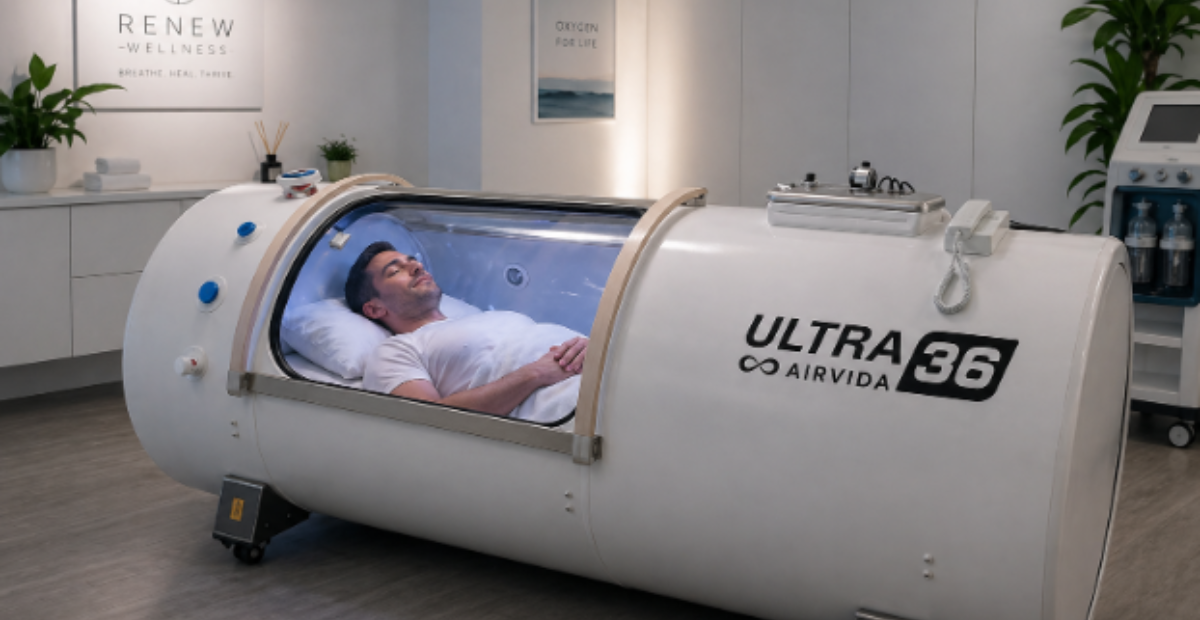
A hyperbaric chamber after diving is the frontline medical treatment for decompression sickness, a condition triggered when nitrogen bubbles form in your body after ascending too quickly. The treatment works by pressurizing your body with concentrated oxygen, which physically shrinks those bubbles and helps your system clear them before lasting damage sets in.
Divers experience significant pressure changes every time they descend. The compressed air you breathe forces nitrogen into your tissues, and if you surface too fast, that nitrogen doesn't get the chance to leave your body the way it should. The result can range from joint aches to spinal cord damage, depending on where the bubbles form and how quickly you receive care.
Understanding how this process works, when it's necessary, and what type of chamber is involved can make a real difference in your outcome. Keep reading to get the full picture.
Things to Know:
-
Decompression sickness occurs when nitrogen bubbles form in the body after ascending too fast.
-
Symptoms can appear within minutes of surfacing or take several hours to show up.
-
Hyperbaric oxygen therapy works by reintroducing pressure to compress and clear nitrogen bubbles.
-
Initial treatment sessions for serious dive injuries typically run between 4 and 8 hours.
-
Not all chamber types reach the pressures required for clinical decompression treatment.
-
Delaying treatment raises the risk of permanent neurological damage significantly.
Hyperbaric Chambers You May Want to Explore


What a Hyperbaric Chamber Does for Your Body After a Dive
When you breathe inside a pressurized chamber, your lungs pull in far more oxygen than they can at normal atmospheric pressure. That extra oxygen gets pushed into your blood plasma, tissues, and organs at concentrations that aren't achievable under regular conditions.
For divers dealing with decompression sickness, this process does two key things. First, the increased pressure physically compresses nitrogen bubbles, reducing their size and limiting the damage they cause. Second, the elevated oxygen levels accelerate your body's ability to clear nitrogen from your tissues, speeding up what would otherwise happen very slowly on its own.
The earlier treatment starts, the better the outcome tends to be. Bubbles that haven't yet caused lasting tissue damage are far easier to resolve than those that have been sitting in the bloodstream for hours. For a closer look at the medical side of this process, the article on hyperbaric chamber for decompression sickness covers the condition in greater detail.

Signs You Need Treatment After a Dive
Not every fast ascent results in decompression sickness, but the risk is real and the consequences serious enough that you need to know what to watch for.
Symptoms That Warrant Immediate Attention
Some signs appear within minutes of surfacing. Others take several hours, which is part of what makes them easy to dismiss as regular post-dive fatigue.
-
Joint pain or deep aching in the shoulders, elbows, hips, or knees
-
Skin mottling, itching, or a marbled appearance under the skin
-
Numbness or tingling in the arms or legs
-
Dizziness, ringing in the ears, or sudden hearing loss
-
Chest tightness or difficulty breathing
-
Difficulty walking, confusion, or loss of consciousness in severe cases
If you or anyone in your group shows any of these after surfacing, seek medical evaluation immediately. Do not wait to see if the symptoms pass on their own.
Factors That Put Divers at Higher Risk
Certain conditions make decompression sickness more likely, even when ascent rates appear normal.
|
Risk Factor |
Why It Increases Risk |
|
Rapid ascent |
Less time for nitrogen to clear tissues naturally |
|
Multiple dives in one day |
Nitrogen accumulates across repeated exposures |
|
Dehydration |
Reduces the body's capacity to off-gas nitrogen efficiently |
|
Cold water exposure |
Slows circulation and delays nitrogen release |
|
Obesity |
Fatty tissue retains nitrogen longer than lean tissue |
|
Older age |
Slower circulation affects how nitrogen exits the body |
|
Patent foramen ovale |
Bubbles can cross directly into the arterial bloodstream |
If any of these factors apply to you, following safe ascent rates and safety stop protocols is even more critical than usual.

How the Treatment Process Works
When you arrive at a hyperbaric facility after a suspected dive injury, the medical team will assess your symptoms and confirm the diagnosis before starting treatment. For serious decompression cases, the most commonly used protocol is U.S. Navy Treatment Table 6.
What to Expect Inside the Chamber
The session itself is straightforward, though it requires time and patience. Here's a general breakdown of how it goes:
-
You're placed inside the chamber, either alone or with a medical attendant, depending on the setup.
-
The chamber pressurizes to the equivalent of approximately 60 feet of seawater, around 2.8 ATA.
-
You breathe 100% oxygen through a mask or hood at timed intervals throughout the session.
-
Scheduled air breaks are built in to reduce the risk of oxygen toxicity.
-
At the end of the session, pressure is reduced gradually to allow safe decompression.
Using a hyperbaric chamber after diving within the first few hours of symptom onset gives you the best chance at a complete recovery. The full session under Treatment Table 6 takes about 4 hours and 45 minutes. For severe neurological cases, this can be extended or repeated across several days. The guide on best decompression sickness treatment compares the treatment approaches in more depth if you want a broader look at the options.
Hyperbaric Chambers You May Want to Shop

Types of Chambers Used in Dive Treatment
Not all hyperbaric chambers are built the same way, and the type used matters significantly when it comes to treating dive injuries.
Hard Shell, Soft Shell, and Multiplace Options
A hard shell hyperbaric chamber is the clinical standard for treating decompression sickness. These chambers can reach the high pressures required by Navy treatment tables and are built to accommodate medical staff inside during sessions. For acute dive injuries, this is the appropriate option.
Soft hyperbaric chambers operate at much lower pressures, typically around 1.3 ATA, which falls well below the threshold needed for acute decompression treatment. These are suited for general wellness and mild hyperbaric oxygen therapy, not emergency dive protocols.
Multiplace hyperbaric chambers can treat several patients at once and allow medical personnel to work inside the pressurized environment alongside them. These are commonly found at dedicated dive medicine centers, naval facilities, and major hospital systems.
|
Chamber Type |
Pressure Range |
Best For |
Suitable for Dive Injuries? |
|
Hard Shell Monoplace |
Up to 3.0 ATA |
Individual clinical treatment |
Yes |
|
Multiplace |
Up to 6.0 ATA |
Multiple patients, attended sessions |
Yes |
|
Soft Shell |
1.3 to 1.5 ATA |
General wellness and mild HBOT |
Not for acute DCS |
Knowing the difference matters whether you're a diver researching your options, a dive operator evaluating nearby resources, or a facility manager considering which system to invest in.
What Happens If You Skip Treatment
Some divers assume mild symptoms will clear up on their own, and in rare instances of very minor Type I decompression sickness, some symptoms do fade without intervention. That is not a reason to skip evaluation.
Untreated decompression sickness can lead to permanent nerve damage, long-term joint deterioration, and in the most serious cases, death. Nitrogen bubbles that aren't cleared can restrict blood flow to critical areas, including the spinal cord and the brain, where the consequences are often irreversible.
The article on hyperbaric chamber for the bends explains why waiting is one of the most dangerous choices a diver can make after symptoms appear. The time between symptom onset and treatment is one of the clearest predictors of how fully someone recovers.
Even if your symptoms seem minor or you're unsure whether they're connected to the dive, get evaluated. The cost of being wrong is far too high.
How Many Sessions Divers Typically Need
Session count depends on how severe the injury is and how the patient responds to initial treatment. For acute decompression sickness, most divers require between 1 and 5 treatment sessions. Serious spinal or neurological cases can require 10 or more. Follow-up sessions are shorter than the initial treatment and focus on managing symptoms that haven't fully resolved.
After the acute phase, some divers continue with standard hyperbaric oxygen sessions at lower pressures to support tissue repair. These sessions usually run 60 to 90 minutes and may be recommended several times per week until recovery is complete.
Why Knowing Your Options with a Hyperbaric Chamber After Diving Can Save Your Life
Getting familiar with how a hyperbaric chamber after diving works isn't just useful in an emergency. It changes how you approach dive safety altogether. When you understand what happens when nitrogen bubbles don't clear properly, you make smarter choices about ascent rates, surface intervals, and safety stops before the dive ever becomes a problem.
Knowing where the nearest hyperbaric facility is located before you enter the water is just as important as knowing how to use your equipment. In an emergency, every minute counts.
At Airvida Chambers, we pride ourselves on offering the highest quality hyperbaric chambers on the market, backed by only working with the most reliable partners in the industry. Whether you're outfitting a dive medicine clinic, a hospital facility, or a professional training center, our chambers are built to meet the demands of real clinical treatment and serious recovery programs.
Frequently Asked Questions About the Hyperbaric Chamber After Diving
What does a hyperbaric chamber do after diving?
It uses high-pressure oxygen to compress nitrogen bubbles in the body and speed up their clearance from the tissues. The elevated pressure physically shrinks the bubbles causing harm, while the concentrated oxygen helps the body flush nitrogen faster than breathing regular air would allow. This is the standard medical response to decompression sickness and remains the most effective treatment available.
What is not allowed in a hyperbaric chamber?
Flammable items, electronics, and petroleum-based products are not permitted inside. Because the chamber is oxygen-rich, fire risk increases considerably. Patients are typically asked to remove hairspray, perfumes, and synthetic clothing before entering. Medical staff provide a complete checklist before any session begins to ensure safety throughout the treatment.
What happens if you don't use a decompression chamber after diving?
Untreated decompression sickness can cause permanent neurological damage, spinal injury, or death. Even symptoms that seem mild can worsen rapidly without intervention. The longer the delay between symptom onset and treatment, the harder the damage becomes to reverse. Any diver showing signs after surfacing should seek evaluation at a hyperbaric facility without waiting.
How long do divers stay in hyperbaric chambers?
Initial treatment for serious decompression sickness typically runs between 4 and 8 hours. The most common protocol, U.S. Navy Treatment Table 6, takes approximately 4 hours and 45 minutes. Follow-up sessions for residual symptoms are shorter. The total number of sessions depends on the severity of the injury and how well the patient responds to the initial treatment.
What can go wrong in a hyperbaric chamber?
The most common side effects include ear or sinus discomfort during pressurization, temporary vision changes, and rarely, oxygen toxicity. Oxygen toxicity can cause seizures in extreme cases, though facilities manage this risk through scheduled air breaks built into the session. Serious complications are uncommon when treatment is administered by trained medical staff following established protocols.
How many times a week should you do HBOT?
For recovery and wellness purposes, most protocols recommend 5 sessions per week over several weeks. For acute dive injuries, sessions are typically administered daily until symptoms stabilize. The appropriate frequency depends on what is being treated and how the individual responds. A qualified medical professional should determine the right schedule based on the patient's condition and overall health.