


Key Takeaways
-
Hashimoto's thyroiditis is an autoimmune condition causing chronic thyroid inflammation; standard treatment manages symptoms but rarely addresses the root cause of immune dysfunction.
-
HBOT (hyperbaric oxygen therapy) delivers high-concentration oxygen under pressure and has demonstrated measurable anti-inflammatory and immunomodulating effects in clinical research.
-
Early evidence and clinical case reports suggest HBOT may reduce systemic inflammation, lower oxidative stress, and support thyroid tissue health in Hashimoto's patients.
-
HBOT is not a replacement for thyroid hormone medication; it works best as a complementary protocol under medical supervision.
-
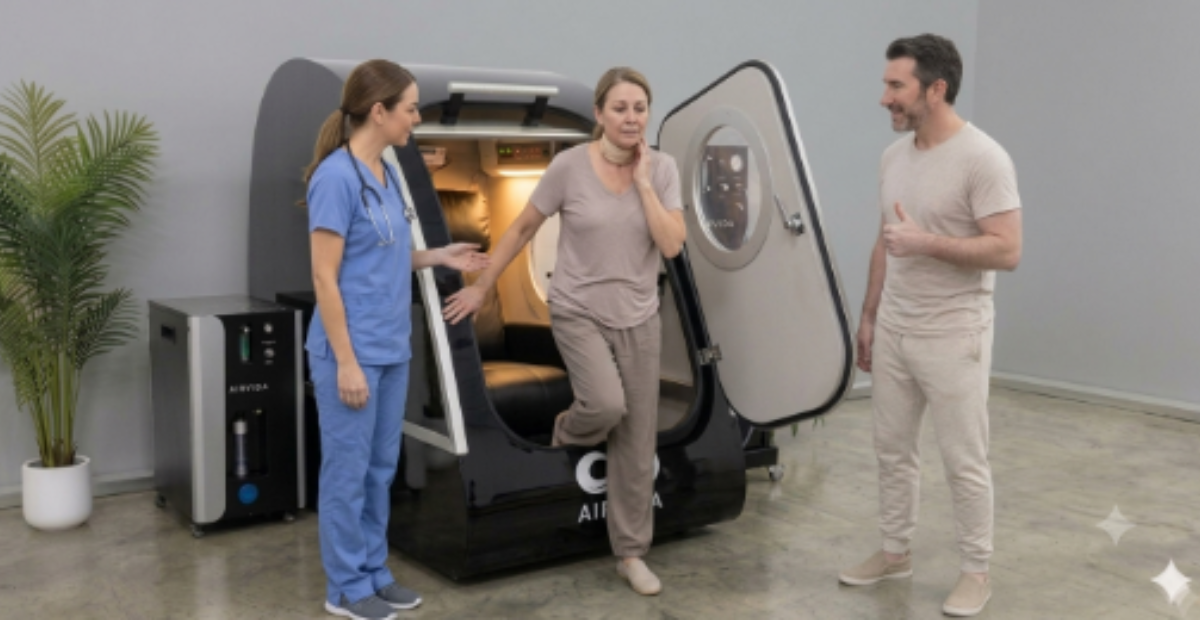
Sessions are available at licensed HBOT centers and increasingly through at-home soft-shell chambers for maintenance use.
What Is HBOT for Hashimoto's?
If you have Hashimoto's thyroiditis and your symptoms persist despite optimized thyroid medication, you are not imagining things, and you are not alone. Hashimoto's thyroiditis is the most common autoimmune disease in the United States, affecting an estimated 14 million people, the majority of them women. The core problem is not simply a thyroid that underproduces hormones. It is an immune system that has turned on its own tissue, steadily attacking the thyroid gland through antibodies (TPO-Ab and TG-Ab) and driving chronic inflammation throughout the body.
Hyperbaric oxygen therapy (HBOT) involves breathing 95–100% pure oxygen inside a pressurized chamber, typically at 1.5 to 3.0 atmospheres absolute (ATA). At that pressure, oxygen dissolves directly into plasma, cerebrospinal fluid, and interstitial tissue at concentrations 10 to 15 times above normal. That oxygen saturation triggers a cascade of downstream effects, reduced inflammatory cytokines, increased antioxidant enzyme activity, and accelerated tissue repair, all of which are directly relevant to the mechanisms driving Hashimoto's damage.
The question is not whether HBOT has biological effects on inflammation. It does. The more precise question is whether those effects translate meaningfully for autoimmune thyroid patients. Here is what the current evidence shows.
Hyperbaric Collections You May Want to Shop

Why Hashimoto's Patients Are Turning to HBOT Right Now
Standard-of-care for Hashimoto's includes levothyroxine, selenium supplementation, and dietary adjustments manages the hormonal output of the thyroid but do not significantly reduce the autoimmune attack itself. Antibody levels in many patients remain elevated for years, and symptoms like brain fog, fatigue, joint pain, and mood disruption persist even when TSH is "in range."
That gap is driving a growing number of patients and integrative practitioners toward therapies that target immune dysregulation and oxidative stress directly. HBOT fits that profile in several specific ways:
-
Oxidative stress reduction: Hashimoto's generates elevated reactive oxygen species (ROS) that damage thyroid follicular cells. HBOT paradoxically upregulates the body's endogenous antioxidant systems, superoxide dismutase and catalase, reducing the oxidative burden that drives ongoing thyroid tissue destruction.
-
NF-κB suppression: Nuclear factor kappa B is a master regulator of pro-inflammatory gene expression. HBOT has been shown in multiple studies to suppress NF-κB signaling, which directly reduces the cytokine storm (IL-1β, IL-6, TNF-α) characteristic of autoimmune flares.
-
Regulatory T-cell support: Emerging research suggests HBOT may promote Treg cell activity, the immune "brakes" that prevent the immune system from attacking self-tissue, precisely the mechanism that fails in Hashimoto's.
-
Gut-immune axis: A significant percentage of Hashimoto's patients have concurrent intestinal permeability ("leaky gut"), which perpetuates immune reactivity. HBOT has demonstrated benefit in inflammatory bowel conditions, as explored in detail in our post on the hyperbaric chamber for Crohn's disease, suggesting it may support the gut-thyroid immune connection.
What the Research Actually Says
The direct research on HBOT specifically for Hashimoto's is still emerging. This is an honest disclosure, not a disclaimer. Most of the foundational evidence comes from HBOT's well-established effects on:
-
Autoimmune and inflammatory conditions, broadly, HBOT has FDA clearance for 14 conditions and is used off-label for dozens more with documented anti-inflammatory benefit.
-
Neurological inflammation. A 2022 randomized controlled trial published in Aging showed HBOT significantly reduced inflammatory markers and improved cognitive function in aging populations, which directly overlaps with Hashimoto's encephalopathy presentations. See our overview of HBOT for cognitive function for the deeper analysis.
-
Tissue hypoxia reversal: Thyroid tissue in autoimmune thyroiditis often becomes hypoxic as glandular architecture is disrupted. HBOT's ability to oxygenate poorly perfused tissue is among its most mechanistically relevant benefits for thyroid patients.
A 2020 case series from integrative clinics reported that Hashimoto's patients completing 20–40 HBOT sessions at 1.5–2.0 ATA showed measurable reductions in TPO antibody titers alongside subjective improvements in fatigue and cognitive clarity. This is case-level evidence, not a randomized trial, but the mechanistic pathway is coherent, and the clinical signals are consistent enough that board-certified physicians are increasingly incorporating HBOT into thyroid autoimmunity protocols.
The Protocol: What an HBOT Course for Hashimoto's Looks Like

There is no universally standardized HBOT protocol for Hashimoto's practitioners to individualize based on severity, antibody load, and patient response. That said, the most commonly used frameworks in integrative practice follow these parameters:
Pressure and Session Duration
-
Mild protocols: 1.3–1.5 ATA, 60 minutes per session, used with mild-pressure soft chambers for ongoing wellness and oxidative stress reduction.
-
Clinical protocols: 1.5–2.0 ATA, 60–90 minutes, delivered in hard-shell monoplace or multiplace chambers at licensed HBOT centers.
-
Sessions above 2.4 ATA are generally reserved for FDA-cleared indications and are not typically used for Hashimoto's management.
Course Length
Most integrative practitioners recommend an initial course of 20–40 sessions to assess response, followed by a maintenance schedule (2–4 sessions per month) for ongoing immune modulation. Antibody titers (TPO-Ab, TG-Ab) and inflammatory markers (CRP, ferritin) are retested after the initial course to quantify response.
Soft vs. Hard Chambers

-
Hard-shell chambers (available at licensed HBOT centers) reach the higher pressures used in clinical protocols and are the preferred starting point for patients with a significant autoimmune burden.
-
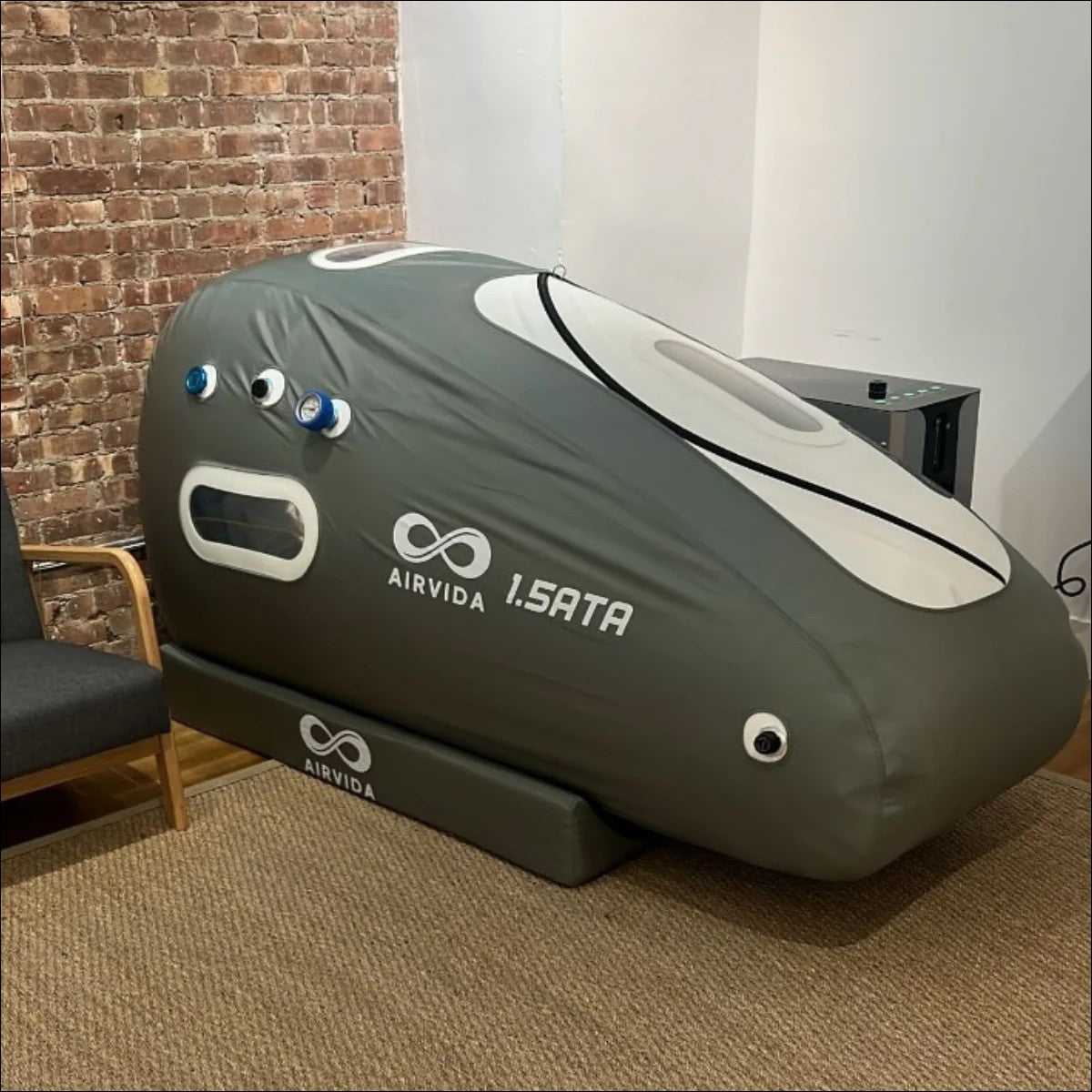
Soft-shell chambers operate at 1.3–1.5 ATA and are increasingly used by Hashimoto's patients for at-home maintenance between clinical sessions. Our soft hyperbaric chambers collection includes options suitable for home wellness use.
For patients in specific regions, in-person clinical HBOT is accessible through centers serving local communities, including hyperbaric chamber services in Tallahassee and hyperbaric chamber services in Portland, Maine.
Symptom Areas Where HBOT Shows the Most Promise for Hashimoto's Patients

Hashimoto's is a multi-system disease. The thyroid is the epicenter, but antibodies and inflammatory cytokines affect virtually every organ. Patients and practitioners report the most consistent HBOT benefits in these symptom domains:
Cognitive symptoms (Hashimoto's encephalopathy): Brain fog is among the most debilitating and medication-resistant symptoms. HBOT's ability to reduce neuroinflammation and improve cerebral oxygenation makes it one of the more rational adjunct interventions. The mechanisms are similar to those documented for other neurological conditions covered thoroughly in our piece on HBOT for the nervous system.
Fatigue: Mitochondrial dysfunction is increasingly implicated in Hashimoto's fatigue that persists despite euthyroid TSH levels. HBOT stimulates mitochondrial biogenesis and ATP production, addressing the cellular energy deficit directly rather than masking symptoms.
Joint and muscle pain: Systemic inflammation produces the diffuse musculoskeletal pain many Hashimoto's patients describe as fibromyalgia-like. HBOT's anti-inflammatory cytokine reduction directly targets this mechanism.
Gut symptoms: Hashimoto's and gut permeability are closely linked; the same immune dysregulation drives both. HBOT's documented benefits for inflammatory bowel disease provide a plausible mechanism for gut symptom improvement in the autoimmune thyroid patient.
Hyperbaric Chambers You May Want to Shop
Explore More


Common Mistakes and Misconceptions About HBOT for Hashimoto's
Mistake 1: Expecting HBOT to replace thyroid medication. It will not. HBOT does not restore thyroid hormone production in glandular tissue that has been destroyed by years of autoimmune attack. Patients on levothyroxine or combination T4/T3 therapy should not adjust medication without physician oversight. HBOT is a complement, not a substitute.
Mistake 2: Assuming one or two sessions will show results. HBOT for inflammatory and autoimmune conditions requires a course of sessions to produce cumulative physiological changes. Patients who try three sessions and give up are not giving the therapy a fair evaluation. Minimum assessment windows are typically 20 sessions.
Mistake 3: Using soft chambers at 1.3 ATA as the sole intervention for severe disease. Mild-pressure chambers are appropriate for maintenance and wellness support. Patients with high antibody titers, active flares, or significant neurological symptoms should begin with clinical-grade hard chambers before transitioning to home maintenance.
Mistake 4: Ignoring dietary and lifestyle co-factors. HBOT works within a biological system. Patients continuing to consume gluten (which cross-reacts with thyroid antigens in a significant subset of Hashimoto's patients) or maintaining high psychosocial stress are limiting the ceiling of any anti-inflammatory intervention.
Mistake 5: Not tracking biomarkers. Without baseline and follow-up labs, TPO-Ab, TG-Ab, CRP, ferritin, free T3, and free T4, there is no way to objectively assess whether HBOT is producing measurable immune changes. Insist on lab tracking as part of any HBOT protocol.
Step-by-Step: Starting HBOT for Hashimoto's

-
Get a complete thyroid and inflammatory baseline. Before your first session, establish: TSH, free T3, free T4, TPO-Ab, TG-Ab, CRP (high-sensitivity), ferritin, and a CBC. These are your before-and-after benchmarks.
-
Consult with both your endocrinologist and the HBOT medical director. HBOT should be integrated, not siloed. Your prescribing physician needs to know about the therapy; the HBOT center needs your thyroid history.
-
Choose the appropriate chamber type. For moderate-to-severe Hashimoto's with active symptoms, begin with a licensed clinical center offering 1.5–2.0 ATA sessions. For mild disease or maintenance, soft-shell home chambers are a practical option.
-
Commit to an initial 20-session course. Scheduling consistently 3 to 5 sessions per week produces faster physiological accumulation than once-weekly sessions.
-
Track symptoms weekly. Use a simple fatigue scale, cognitive clarity rating, and pain scale. Patterns emerge faster than lab changes and help you and your provider assess trajectory.
-
Retest labs at session 20. Compare antibody titers and inflammatory markers to baseline. Continue, modify, or transition to maintenance based on results.
-
Build a maintenance protocol. Most patients who respond well continue 2–4 sessions monthly long-term, using either clinical visits or a home soft chamber.
FAQs About HBOT for Hashimoto's
Can HBOT help with autoimmune disease?
Yes, there is both a mechanistic rationale and clinical evidence supporting HBOT as an adjunct for autoimmune conditions. HBOT suppresses pro-inflammatory cytokines, reduces oxidative stress, and may support regulatory T-cell activity, all of which are relevant to autoimmune pathology. It has the strongest evidence base for autoimmune conditions involving tissue ischemia or a significant inflammatory burden. For Hashimoto's specifically, the research is promising but still developing, which is why it is best approached as a complementary therapy within a supervised integrative protocol rather than a standalone treatment.
What is the most effective treatment for Hashimoto's?
There is no single most effective treatment because Hashimoto's is a multi-factorial autoimmune condition. The most evidence-backed approach combines thyroid hormone replacement (levothyroxine, sometimes with T3) when hypothyroidism is present, selenium supplementation (200 mcg/day has shown reduction in TPO antibody titers in randomized trials), a gluten-free or anti-inflammatory diet for patients with confirmed sensitivity, and targeted interventions addressing underlying triggers, including gut permeability, chronic infection, and stress. HBOT fits into this picture as an adjunct targeting systemic inflammation and oxidative stress, not as the first-line monotherapy.
Who should not get hyperbaric oxygen therapy?
HBOT has several contraindications that require careful screening. Absolute contraindications include untreated pneumothorax (collapsed lung). Relative contraindications, conditions requiring medical clearance and careful risk-benefit assessment, include a history of spontaneous pneumothorax, current upper respiratory infection or sinusitis (which makes pressure equalization painful and risky), uncontrolled claustrophobia, certain chemotherapy agents (particularly bleomycin and doxorubicin), middle ear disorders, and active seizure disorders. Patients on oxygen-sensitizing medications should discuss those specifically with the HBOT medical director. Most Hashimoto's patients have no contraindications, but a full intake screening is standard practice at any legitimate HBOT center.
Is Hashimoto's considered hyperthyroidism or hypothyroidism?
Hashimoto's thyroiditis is primarily associated with hypothyroidism; the autoimmune destruction of thyroid tissue progressively reduces the gland's ability to produce T3 and T4. However, in early or active disease, patients can experience Hashitoxicosis, temporary hyperthyroid episodes when damaged thyroid follicles release stored hormones into the bloodstream. This can mimic hyperthyroidism with symptoms like palpitations, anxiety, and heat intolerance, before the patient settles into the more characteristic hypothyroid pattern. This is why Hashimoto's is sometimes called a thyroid disease that "runs hot before it runs cold," and why labs including both TSH and free thyroid hormones are necessary rather than TSH alone.
Conclusion: Is HBOT Worth Trying for Hashimoto's?
For Hashimoto's patients stuck in the gap managed on medication, still symptomatic, still fighting chronic inflammation, HBOT represents one of the more scientifically coherent adjunct options available. It addresses the mechanisms that thyroid medication cannot: the oxidative stress damaging remaining thyroid tissue, the systemic inflammatory burden driving fatigue and cognitive symptoms, and the immune dysregulation perpetuating the autoimmune cycle.
The evidence is not yet at the level of large randomized controlled trials for this specific indication. But the mechanism is sound, the safety profile is well-established when properly screened, and the clinical signals from integrative practitioners are consistent enough to justify a structured trial under medical supervision.
The practical recommendation: start with a complete baseline lab panel, consult a licensed HBOT medical director, commit to a 20-session initial course at appropriate pressure, and track objective biomarkers to measure response. That is not a leap of faith; that is a structured therapeutic trial.
If you are considering HBOT for Hashimoto's and want to explore clinical access near you, Airvida's hyperbaric chamber services in Tallahassee and hyperbaric chamber services in Portland, Maine, provide supervised HBOT in clinical settings. For those interested in home maintenance protocols, explore the soft hyperbaric chamber options designed for ongoing wellness use.