


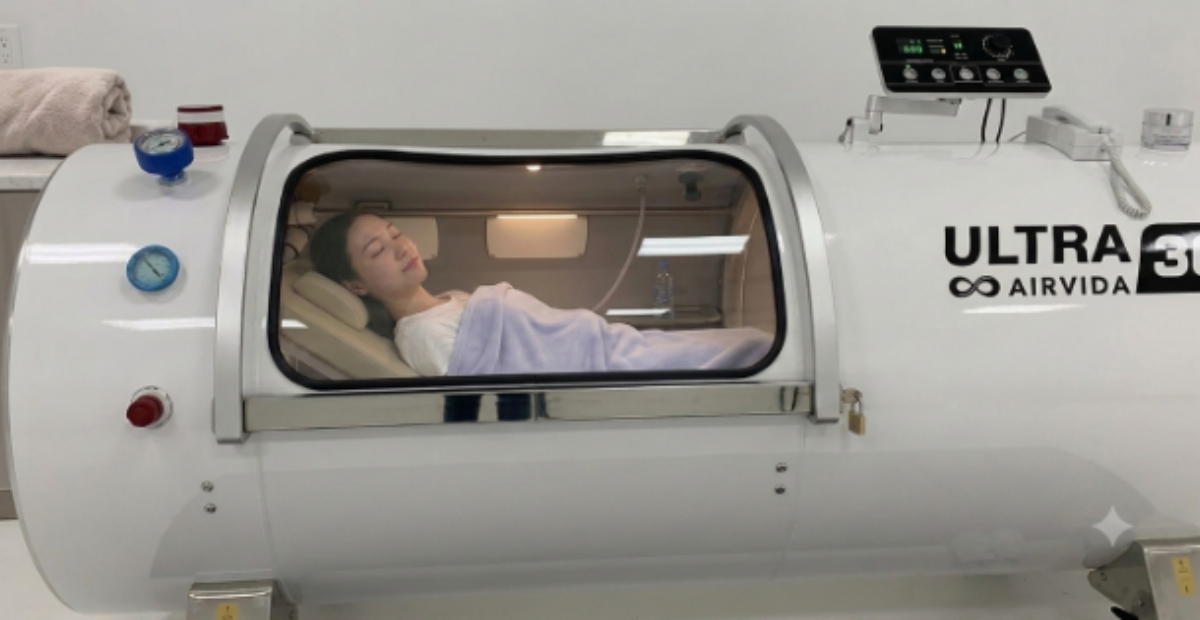
HBOT for sleep quality may help support deeper, more restorative sleep by improving oxygen delivery, enhancing recovery, and promoting overall wellness. While hyperbaric oxygen therapy is not a direct treatment for sleep disorders, many people use it as part of a broader strategy to improve recovery, reduce fatigue, and support healthier sleep patterns.
Sleep affects nearly every aspect of health, from cognitive performance and immune function to mood and physical recovery. When sleep quality declines, even simple daily tasks can feel more difficult. This is why many wellness-focused individuals are exploring whether hyperbaric oxygen therapy can help them wake up feeling more refreshed and energized.
In this guide, you'll learn how HBOT works, why oxygen plays a role in sleep, and whether hyperbaric oxygen therapy may be worth considering as part of your recovery routine.
Why Sleep Quality Matters More Than You Think

Most people focus on getting enough hours of sleep, but quality matters just as much as quantity.
During sleep, your body performs several critical functions:
✅ Repairs damaged tissues
✅ Regulates hormone production
✅ Supports immune system function
✅ Consolidates memory and learning
✅ Restores physical and mental energy
Even if you spend eight hours in bed, poor-quality sleep can leave you feeling exhausted the next day.
Many factors contribute to poor sleep quality, including:
-
Stress and anxiety
-
Chronic inflammation
-
Physical fatigue
-
Poor recovery
-
Irregular schedules
-
Environmental disruptions
This growing awareness has led people to seek recovery therapies that support the body's natural restorative processes, including options such as a hyperbaric chamber in New Orleans.
Hyperbaric Collections You May Want to Shop

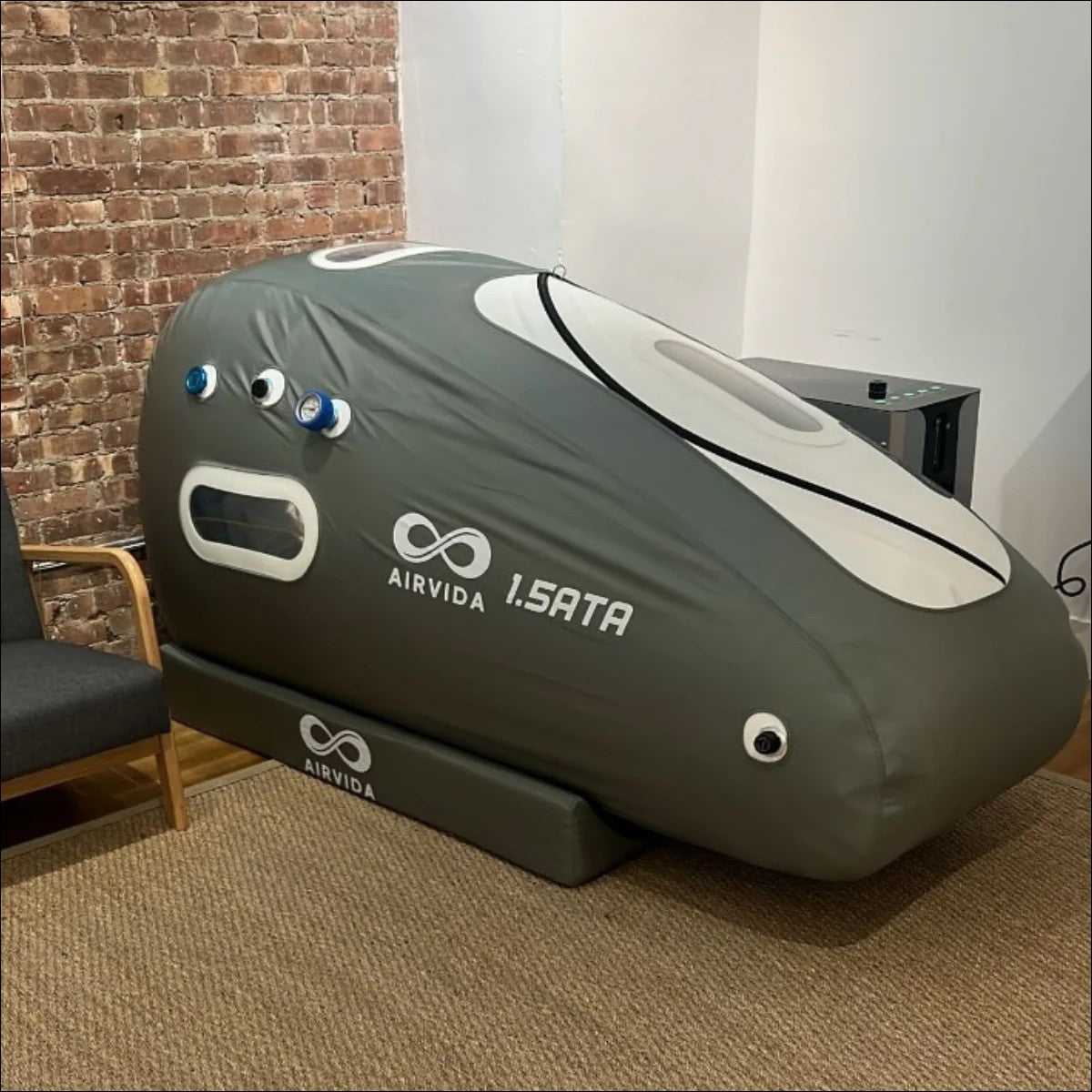
What Is Hyperbaric Oxygen Therapy?
Hyperbaric Oxygen Therapy (HBOT) involves breathing concentrated oxygen inside a pressurized chamber.
Under increased atmospheric pressure, oxygen dissolves more effectively into the bloodstream and can reach tissues that may not receive optimal oxygen levels under normal conditions.
This enhanced oxygen delivery may support several wellness-related processes.
|
Potential Benefit |
How It May Support Recovery |
|
Increased oxygen availability |
Helps nourish tissues |
|
Enhanced circulation |
Supports nutrient delivery |
|
Cellular repair support |
Assists natural recovery processes |
|
Inflammation management |
Promotes overall wellness |
|
Physical recovery |
Helps the body recover from stress |
Because sleep and recovery are closely connected, many people are interested in how these benefits may influence sleep quality.
The Relationship Between Oxygen and Sleep
Oxygen is essential for nearly every process that occurs during sleep.
While sleeping, your body continues to:
-
Repair tissues
-
Produce hormones
-
Regulate metabolism
-
Support brain health
-
Maintain nervous system balance
When tissues receive adequate oxygen, these functions can operate more efficiently.
The body's recovery systems depend heavily on oxygen availability. This is one reason why athletes, wellness enthusiasts, and recovery-focused individuals increasingly explore hyperbaric oxygen therapy as part of their overall health routines.
How Recovery Influences Sleep
Poor recovery often leads to poor sleep.
When the body is still trying to repair itself from physical exertion, injury, or chronic stress, it may struggle to fully relax at night.
People experiencing recovery challenges often report:
-
Frequent waking
-
Restlessness
-
Feeling tired upon waking
-
Difficulty reaching deep sleep stages
By supporting recovery processes throughout the day, HBOT may help create conditions that encourage better sleep at night, especially when using a hyperbaric chamber, Tacoma as part of a consistent wellness routine.
How HBOT May Support Better Sleep Quality

Although research into sleep and hyperbaric oxygen therapy continues to evolve, several potential mechanisms explain why some users report improved rest.
Enhanced Recovery Support
Recovery is one of the most commonly cited reasons people use hyperbaric oxygen therapy.
When the body recovers more efficiently, it may require less overnight repair work, potentially contributing to a more restful sleep experience.
Athletes frequently use HBOT because recovery quality often influences sleep quality and overall performance.
Reduced Physical Stress
Daily life creates both mental and physical stress.
Work demands, exercise, travel, and aging can place additional strain on the body.
Hyperbaric oxygen therapy may help support the body's natural recovery systems, allowing users to feel more physically relaxed before bedtime.
Support for Healthy Oxygenation
The brain consumes significant amounts of oxygen even while sleeping.
Supporting healthy oxygen delivery throughout the body may help maintain the processes responsible for restorative sleep cycles.
Inflammation Management
Chronic inflammation has been associated with disrupted sleep patterns.
Although HBOT is not a sleep treatment, some individuals pursue it because of its potential role in supporting healthy inflammatory responses.
Improved recovery and reduced physical stress may contribute to more consistent sleep quality over time.
Hyperbaric Chambers You May Want to Shop
Explore More


Who May Benefit Most from HBOT?
Not everyone experiences sleep challenges for the same reasons.
The individuals most interested in HBOT often share a common goal: improving recovery.
Athletes and Fitness Enthusiasts
Training places significant demands on the body.
Athletes often prioritize:
✅ Faster recovery
✅ Reduced downtime
✅ Improved performance
✅ Better sleep quality
Since sleep is one of the most important components of athletic recovery, many athletes incorporate hyperbaric oxygen therapy into their routines.
Busy Professionals
High-performing professionals frequently struggle with:
-
Mental fatigue
-
Stress-related sleep issues
-
Difficulty unwinding after work
Many wellness-focused professionals use recovery strategies that help support long-term performance and overall well-being.
Frequent Travelers
Travel can disrupt natural sleep cycles.
Jet lag, schedule changes, and physical fatigue often interfere with quality sleep.
Recovery-focused therapies may help travelers support their wellness routines while adjusting to new environments.
Healthy Aging Adults
As we age, sleep patterns naturally change.
Many adults notice:
-
Lighter sleep
-
More frequent waking
-
Reduced sleep efficiency
Hyperbaric oxygen therapy is increasingly explored by individuals seeking proactive wellness solutions as part of healthy aging, with some also considering how a hyperbaric chamber ear pressure experience may influence comfort and outcomes during sessions.
HBOT vs Traditional Sleep Solutions
Many people first turn to traditional sleep aids when they begin experiencing poor sleep.
However, these approaches differ significantly from hyperbaric oxygen therapy.
|
Option |
Primary Focus |
|
Sleep medications |
Temporary symptom management |
|
Supplements |
Sleep support |
|
Meditation |
Relaxation and stress reduction |
|
Exercise |
Recovery and physical health |
|
HBOT |
Oxygenation and recovery support |
HBOT is not intended to replace medical treatment. Instead, many individuals use it alongside healthy sleep habits and other wellness practices.
When Is the Best Time to Use HBOT for Sleep Support?
One of the most common questions involves timing.
There is no universal answer because individual responses vary.
Some people prefer:
Morning Sessions
Benefits may include:
-
Increased alertness
-
Enhanced recovery support
-
Improved daytime energy
Afternoon Sessions
Often chosen by people who want recovery support without affecting their nighttime schedule.
Evening Sessions
Some users report feeling calm and relaxed after treatment, making evening sessions a preferred option.
The ideal timing often depends on your personal response and daily routine.
How Many HBOT Sessions Are Typically Recommended?
Results vary depending on personal goals and circumstances.
Many wellness-focused users view HBOT as a long-term recovery strategy rather than a one-time solution.
|
Goal |
Typical Approach |
|
General wellness |
Ongoing sessions |
|
Athletic recovery |
Consistent weekly sessions |
|
Recovery support |
Customized schedule |
|
Healthy aging |
Long-term maintenance |
A qualified provider can help determine an appropriate schedule based on your individual goals.
Additional Ways to Improve Sleep Quality
While HBOT may support recovery, it works best when combined with healthy habits.
Maintain a Consistent Sleep Schedule
Going to bed and waking up at the same time helps regulate your body's natural rhythm.
Create a Sleep-Friendly Environment
Your bedroom should ideally be:
✅ Cool
✅ Dark
✅ Quiet
✅ Comfortable
Limit Screen Exposure
Reducing screen time before bed may help support natural melatonin production.
Stay Physically Active
Regular movement helps support both recovery and sleep quality.
Focus on Recovery
The better your body recovers during the day, the easier it may be to achieve restorative sleep at night.
Choosing a Hyperbaric Chamber Provider

The quality of the chamber and provider experience can significantly impact your overall experience.
When evaluating options, consider:
Chamber Technology
Modern chambers are designed with comfort, safety, and usability in mind.
Provider Expertise
Experienced providers can explain:
-
Treatment expectations
-
Pressure adjustments
-
Safety protocols
Customer Support
A knowledgeable team can help guide your recovery journey and answer questions along the way.
Related Resources for Hyperbaric Oxygen Therapy
Understanding HBOT fully can help you maximize your experience.
For additional information, explore: HBOT vs Sauna: Which Recovery Method Is Better?
These guides answer common questions and help you compare recovery approaches based on your personal goals.
Final Thoughts on HBOT for Sleep Quality
Interest in hbot for sleep quality continues to grow as more people recognize the relationship between oxygenation, recovery, and restorative rest.
While HBOT is not designed as a direct sleep treatment, its ability to support recovery, circulation, and overall wellness may contribute to better sleep outcomes for some individuals. When combined with healthy sleep habits, stress management, and a consistent recovery routine, hyperbaric oxygen therapy may become a valuable tool in supporting long-term wellness.
If improving recovery and optimizing overall health are priorities, exploring hbot for sleep quality may be a worthwhile step toward achieving better rest and enhanced daily performance.
Frequently Asked Questions About HBOT for Sleep Quality
Does HBOT improve sleep?
HBOT may help improve sleep quality by supporting recovery, oxygen delivery, and overall wellness. While results vary from person to person, many individuals report feeling more rested and relaxed after incorporating hyperbaric oxygen therapy into their recovery routine. Better recovery during the day may reduce physical stress at night, allowing the body to focus on restorative sleep processes. HBOT works best when combined with healthy sleep habits and consistent wellness practices.
Why does Justin Bieber sleep in a hyperbaric chamber?
Justin Bieber has reportedly used a hyperbaric chamber as part of his personal wellness and recovery routine. Athletes, entertainers, and high-performance individuals sometimes explore hyperbaric oxygen therapy because of its potential to support recovery, oxygenation, and overall health optimization. While public figures may share personal experiences with HBOT, individual outcomes vary, and hyperbaric oxygen therapy should be viewed as part of a broader wellness strategy rather than a guaranteed solution.
Is HBOT good before bed?
Some people find HBOT sessions before bed relaxing, while others prefer earlier sessions during the day. Individual responses differ depending on personal physiology and recovery goals. Some users report feeling calm and ready for sleep after treatment, while others experience increased alertness due to enhanced oxygen delivery. Experimenting with session timing can help determine what works best for your body and sleep schedule.
Does hyperbaric oxygen restore sleep?
Hyperbaric oxygen therapy does not directly restore sleep, but it may support processes that contribute to healthier sleep patterns. By supporting oxygenation, recovery, circulation, and overall wellness, HBOT may help create conditions that encourage restorative rest. Sleep quality depends on many factors, including stress levels, lifestyle habits, environment, and overall health. For this reason, HBOT is often most effective when used alongside a comprehensive approach to sleep and recovery.