


A hyperbaric chamber for brain healing delivers pure oxygen at pressures greater than 1 atmosphere, allowing the body to absorb significantly more oxygen than it would under normal conditions. This flood of oxygen reaches injured brain tissue, supporting cellular repair, reducing inflammation, and promoting the growth of new blood vessels and nerve fibers. Research published through 2025 shows meaningful improvements in cognition, memory, and post-concussion symptoms across multiple clinical trials, though the evidence base continues to grow and not all findings are definitive.
Key Takeaways
-
Hyperbaric oxygen therapy (HBOT) allows the body to absorb dramatically more oxygen than normal, which delivers concentrated oxygen to injured or oxygen-deprived brain tissue.
-
Clinical trials through 2025 report improvements in cognitive scores, memory, attention, executive function, and information processing speed in patients who received HBOT following traumatic brain injury.
-
A common treatment protocol for brain injury involves 40 one-hour HBOT sessions delivered at 1.3 to 1.5 atmospheres of pressure, according to reporting from Psychiatric Times.
-
HBOT operates through multiple cellular mechanisms, including mitochondrial biogenesis, neurogenesis, synaptogenesis, and anti-inflammatory signaling.
-
HBOT is used off-label for traumatic brain injury and post-concussion syndrome, and its use for these conditions remains an area of active clinical investigation.
-
Session duration and pressure levels should always be determined by a qualified medical professional, as individual health factors influence both safety and outcomes.
What Is a Hyperbaric Chamber and How Does It Work for Brain Healing?
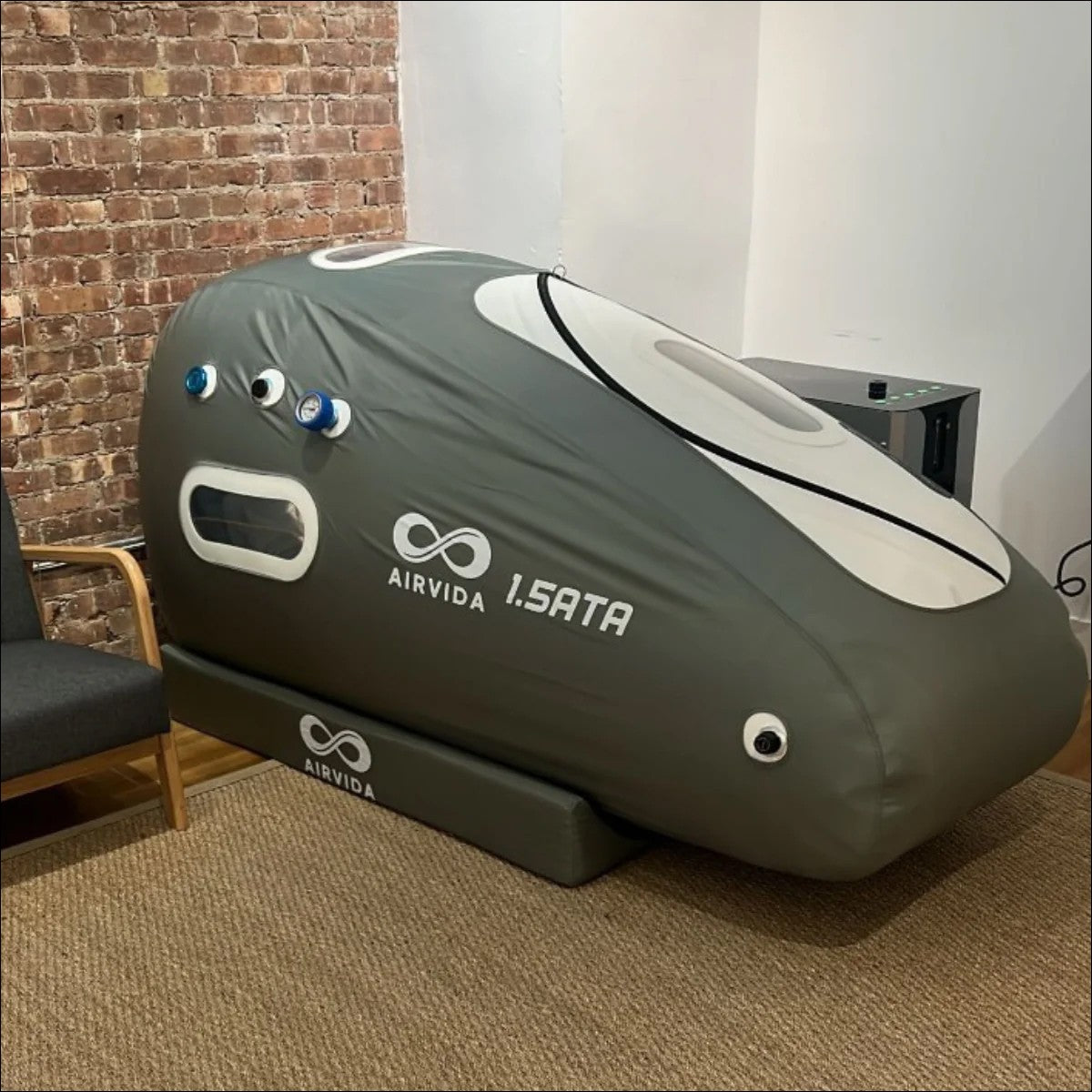
A hyperbaric chamber is a pressurized enclosure in which you breathe pure oxygen at atmospheric pressures greater than 1 atmosphere (atm). The increased pressure compresses oxygen molecules, enabling the body to absorb approximately 10 to 15 times more oxygen than it does under normal pressure. This elevated oxygen concentration is then carried throughout the body by plasma, reaching tissues that red blood cells may not be able to access effectively.
For brain healing specifically, this oxygen-saturated plasma penetrates injured, swollen, or poorly perfused brain tissue. Once there, it supports cellular energy production through mitochondrial pathways and creates the biological conditions necessary for repair. The process is not a single-mechanism therapy; rather, it triggers a cascade of responses at the cellular level.
A 2024 review published in Frontiers in Neurology identified four primary biological pathways activated by HBOT: mitochondrial biogenesis and function, neurogenesis, synaptogenesis, and anti-inflammatory responses. Each pathway contributes to a different aspect of brain recovery. The key point is that HBOT is a systemic intervention with multiple overlapping mechanisms rather than a single targeted drug effect.
What Does the Science Say About HBOT for Traumatic Brain Injury?

Traumatic brain injury (TBI) is a disruption in normal brain function caused by a bump, blow, or jolt to the head, and it represents one of the most studied applications of HBOT in neurological research. A 2025 systematic review and meta-analysis published on PMC analyzing 250 patients found significant post-HBOT improvements in neurocognitive deficits, including general cognitive scores, memory, attention, executive function, information processing speed, and motor skills.
Research on severe TBI outcomes shows that, compared with control groups, patients who received hyperbaric oxygen treatment achieved higher Glasgow Coma Scale (GCS) scores and lower National Institutes of Health Stroke Scale (NIHSS) scores. A study on moderate TBI published via PMC in 2025 further confirmed these findings through a randomized controlled trial design, adding to the quality of available evidence.
Perhaps the most striking finding comes from long-term outcome data. A 2025 PMC study on moderate-to-severe TBI outcomes reported beneficial effects of HBOT on brain recovery across a wide range of time points, from 11 hours after the initial injury in the hyper-acute phase to as late as 27 years post-injury in the sequelae phase. This suggests the window for potential benefit may be wider than previously assumed. The bottom line is that evidence for HBOT in TBI is promising, though researchers continue to refine protocols and identify which patient populations benefit most.
How Does HBOT Support Brain Repair at the Cellular Level?
Neuroregeneration is the process by which the brain repairs damaged neurons, forms new synaptic connections, and restores functional networks, and HBOT influences this process through several documented mechanisms. According to the 2024 Frontiers in Neurology neuromodulatory review, key cellular effects include:
-
Mitochondrial biogenesis: Increased Bcl-2 expression, reduced Bax signaling, and enhanced ATP production restore energy supply to injured neurons.
-
Neurogenesis: Upregulation of Wnt-3 and VEGF/ERK signaling pathways promotes the formation of new neurons.
-
Synaptogenesis: Elevated GAP43 and synaptophysin expression support the creation of new synaptic connections between neurons.
-
Anti-inflammatory response: Reduced TNF-alpha and IL-6 levels decrease chronic neuroinflammation that can perpetuate brain injury.
-
Angiogenesis: New blood vessel formation improves perfusion to previously oxygen-deprived regions.
A study published in PMC on angiogenesis and nerve fiber regeneration found that HBOT can induce cerebral angiogenesis and recovery of brain microstructure in patients with chronic cognitive impairments due to TBI, even months to years after the original injury. Critically, the increased integrity of brain fibers correlated directly with measurable cognitive improvement. The key point is that the biological rationale for HBOT in brain healing is grounded in multiple documented cellular processes, not a single unproven claim.
Hyperbaric Collections You May Want to Shop

Can a Hyperbaric Chamber Help With Post-Concussion Symptoms?
Post-concussion syndrome (PCS) refers to persistent symptoms, including headache, cognitive fog, memory difficulties, and mood changes, that continue weeks or months after an initial concussion. Research specifically targeting this population has produced encouraging results. A 2025 retrospective cohort study published in Frontiers in Neurology by Doenyas-Barak et al. found that HBOT improved post-concussion symptoms in adults who had experienced childhood traumatic brain injury, addressing chronic neurocognitive symptoms that had persisted for years.
Earlier work cited in a 2024 PMC long-term effects study reported that 40 HBOT sessions at 1.5 atmospheres significantly improved cognitive and symptomatic outcomes in patients with mild TBI and persistent post-concussion syndrome. A case study within that same publication documented substantial brain recovery in a 33-year-old woman by mid-2024 following a combined protocol of HBOT and neurofeedback initiated in late 2021. For a detailed breakdown of these specific outcomes, you can review the evidence on hyperbaric chamber benefits for concussions.
It is worth noting that a 2025 double-blind, randomized, sham-controlled trial by Weaver et al., published in Nature Scientific Reports, examined 40 sessions of hyperbaric oxygen versus sham treatment for persistent symptoms after brain injury. This kind of rigorous trial design is essential for distinguishing true treatment effects from placebo responses. The bottom line is that HBOT for post-concussion syndrome shows clinical promise and warrants consideration in consultation with a qualified physician.
What Does the Research Show for PTSD and Mood-Related Brain Conditions?
Post-traumatic stress disorder (PTSD) involves changes in brain structure and function, particularly in areas governing fear response and emotional regulation, making it a biologically relevant target for HBOT research. A randomized controlled trial by Doenyas-Barak et al., referenced in the DoD Traumatic Brain Injury Center of Excellence's March 2025 information paper, evaluated 2.0 ATA sessions of 90 minutes each across 60 daily sessions in male veterans. The HBOT group showed a significant decrease in CAPS-5 scores, the standard PTSD severity scale, while the sham group showed an increase.
A 2024 PMC neuromodulatory review reported that PTSD improvements in cognition and mood showed sustained results approximately 704 days after completing HBOT. Secondary benefits included enhanced social function and reduced reliance on medication. These findings suggest that HBOT may induce durable neuroplastic changes rather than only short-term symptomatic relief.
This area of research is active, and protocols vary considerably across studies in terms of pressure, session duration, and total number of sessions. Individual responses can also vary based on injury severity, time since injury, and concurrent treatments. The key point is that PTSD and brain-injury-related mood conditions represent a growing area of HBOT investigation with early evidence supporting meaningful, lasting benefits.
What Are the Established HBOT Protocols for Brain Conditions?

A structured protocol is the foundation of effective HBOT, and protocol parameters differ based on the condition being addressed. The table below summarizes key protocol elements drawn from current published research:
|
Parameter |
Common Range for Brain Conditions |
Notes |
|
Pressure |
1.3 to 2.0 atmospheres (ATA) |
Lower pressures (1.3-1.5 ATA) for TBI/PCS; higher (2.0 ATA) studied for PTSD |
|
Session duration |
60 to 90 minutes |
Does not include pressurization and depressurization time |
|
Number of sessions |
40 to 60 sessions per block |
40-session blocks are most common in TBI research |
|
Frequency |
Daily or near-daily |
Consistency is a factor in clinical outcomes across trials |
|
Oxygen concentration |
100% oxygen |
Delivered via mask or hood inside the pressurized chamber |
According to reporting in Psychiatric Times from May 2026, the currently recommended protocol for TBI involves one or more blocks of 40 one-hour HBOT sessions delivered at 1.3 to 1.5 ATA. Protocols should always be individualized by a physician with HBOT experience. The bottom line is that protocol selection is not one-size-fits-all and must account for injury type, chronicity, and the patient's overall health status.
How Does HBOT Compare to Other Brain Recovery Approaches?
Multimodal brain rehabilitation is the practice of combining several therapeutic approaches to maximize recovery, and HBOT is increasingly being studied as a complement to rather than a replacement for established methods. The 2024 PMC long-term effects study specifically examined combined HBOT and neurofeedback, finding that the combination produced measurable improvements on quantitative EEG (qEEG) assessments of brain function.
HBOT differs from standard rehabilitation in its mechanism: it works at a biological and cellular level to restore the tissue conditions necessary for repair, while physical or cognitive therapies work at a functional level to rebuild specific skills. These approaches address different aspects of recovery and are not mutually exclusive. Notably, researchers have also explored HBOT in conjunction with stem cell protocols, with some interest in how oxygen saturation may support cellular engraftment, which you can read more about through hyperbaric chamber for stem cell therapy.
It is also worth noting that HBOT has established uses in related restorative contexts. For example, it is used to support tissue healing in post-surgical recovery settings, including benefits after plastic surgery, as well as in recovery from chronic Lyme disease and in supporting outcomes for dental implants. Each of these applications shares the core mechanism of enhanced oxygen delivery to healing tissue. The key point is that HBOT works best as part of a broader, physician-supervised recovery plan rather than as a standalone intervention.
Hyperbaric Chambers You May Want to Shop
Explore More


What Safety Considerations Apply to Hyperbaric Oxygen Therapy?
HBOT safety is well-documented within established medical guidelines, and the therapy has a strong safety record when administered correctly in qualified facilities. However, there are important contraindications and precautions you need to understand before beginning treatment.
Conditions and situations that may contraindicate or require caution with HBOT include:
-
Untreated pneumothorax (collapsed lung): Pressurization can worsen this condition.
-
Certain medications: Some drugs, including specific chemotherapy agents, may interact adversely with high-pressure oxygen.
-
Uncontrolled high fever: Elevated body temperature combined with high-pressure oxygen may increase seizure risk.
-
Severe claustrophobia: Standard monoplace chambers require the patient to remain enclosed for 60 to 90 minutes.
-
Recent ear or sinus surgery: Pressure equalization may be difficult or harmful.
-
Pregnancy: The evidence base for safety in pregnancy is limited, and most providers defer treatment unless medically urgent.
Side effects, when they occur, are typically mild and may include ear pressure or discomfort during pressurization, temporary changes in vision, and, rarely, oxygen toxicity at high pressures or prolonged durations. Serious adverse events are uncommon in properly supervised clinical settings. The bottom line is that a thorough medical evaluation is required before starting HBOT, and self-administering treatment outside of a medically supervised context carries meaningful risk.
Is a Hyperbaric Chamber Right for Your Brain Health Situation?

Deciding whether HBOT is appropriate for your situation depends on your specific diagnosis, the time elapsed since injury, your overall health, and your access to qualified providers. If you have sustained a TBI, are experiencing persistent post-concussion symptoms, or are dealing with a neurological condition for which HBOT has published evidence, a conversation with a neurologist or physician who specializes in hyperbaric medicine is the logical first step.
The research base for HBOT in brain healing has grown substantially between 2022 and 2026, with randomized controlled trials, systematic reviews, and long-term outcome studies all contributing to a more complete clinical picture. Evidence supports improvements in cognition, memory, and quality of life across multiple brain injury populations, though the field continues to refine optimal protocols and identify the best-matched patient groups.
The bottom line: a hyperbaric chamber for brain healing delivers pure oxygen at elevated pressure, triggering documented cellular repair processes that include neurogenesis, angiogenesis, and anti-inflammatory signaling, and clinical research through 2025 shows meaningful improvements in cognitive and symptomatic outcomes for TBI and post-concussion populations.
Frequently Asked Questions
Can a hyperbaric chamber help with brain damage?
Yes, clinical research shows that hyperbaric oxygen therapy can support brain recovery following damage by promoting neurogenesis, angiogenesis, and cellular repair at the mitochondrial level. Multiple trials and a 2025 systematic review published via PMC report improvements in cognitive scores, memory, and executive function following structured HBOT protocols in TBI patients. Results vary by injury severity, timing, and individual health factors.
What does 100% oxygen do to the brain?
Breathing 100% oxygen under elevated pressure allows plasma to carry oxygen directly to brain tissue, bypassing damaged red blood cells and reaching oxygen-deprived regions. This triggers mitochondrial energy restoration, reduces neuroinflammation by lowering TNF-alpha and IL-6 levels, and stimulates the formation of new neurons and blood vessels. The result is improved cellular function in areas of the brain that were previously under-oxygenated.
Who shouldn't use a hyperbaric chamber?
People with an untreated collapsed lung (pneumothorax) should not use a hyperbaric chamber, as pressurization can significantly worsen the condition. Additional contraindications include certain chemotherapy medications, uncontrolled high fever, recent ear or sinus surgery, severe claustrophobia, and in most cases, pregnancy. A physician must evaluate your complete medical history before you begin any HBOT protocol.
How long can a person stay in a hyperbaric chamber?
Most clinical HBOT sessions last between 60 and 90 minutes at therapeutic pressure, not including the time needed for pressurization and gradual depressurization. For brain injury protocols specifically, 60-minute sessions are most commonly reported in the research literature. Session length should always be prescribed by a qualified medical professional based on your condition, pressure level, and treatment goals.
What is the miracle of hyperbaric oxygen therapy?
The most remarkable documented finding in HBOT research is its ability to produce measurable brain improvements in patients with chronic injuries, in some cases years or even decades after the original trauma occurred. A 2025 PMC study reported beneficial effects on brain recovery from as early as 11 hours post-injury to as late as 27 years post-injury. This extended window of potential benefit challenges the assumption that neurological recovery is strictly time-limited.