


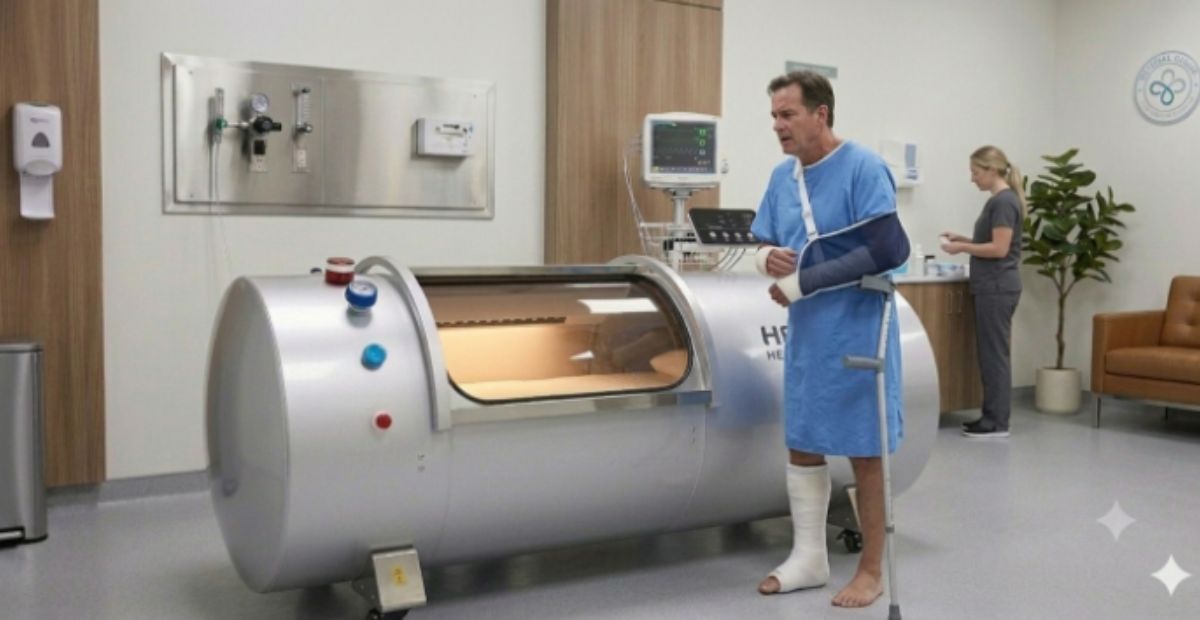
A hyperbaric chamber delivers 100% pure oxygen at elevated atmospheric pressure, which increases the amount of dissolved oxygen in your blood and tissues. This flood of oxygen into bone tissue stimulates the cellular processes that drive fracture repair, including new blood vessel formation and collagen production. Research indicates that hyperbaric oxygen therapy can accelerate fracture healing by supporting the biological environment your bone needs to rebuild itself.
Key Takeaways
-
Hyperbaric oxygen therapy increases tissue oxygen levels, which directly supports the cellular activity required for bone regeneration.
-
Fracture healing depends on adequate blood supply and oxygenation, two factors that pressurized oxygen therapy directly addresses.
-
Hyperbaric chambers are used alongside, not instead of, conventional orthopedic treatment such as casting, splinting, or surgical fixation.
-
People with compromised circulation or delayed fracture healing may see the greatest benefit from adding hyperbaric therapy to their recovery plan.
-
Not everyone is a safe candidate for hyperbaric oxygen therapy, and medical screening is required before beginning sessions.
-
Session frequency and duration matter: most protocols involve multiple sessions per week over several weeks for meaningful effect on bone repair.
How Does a Hyperbaric Chamber Work for Broken Bones?
A hyperbaric chamber is a sealed, pressurized vessel that allows you to breathe pure oxygen at pressures above normal atmospheric levels, typically between 1.5 and 3 atmospheres. Under these conditions, oxygen dissolves directly into your blood plasma rather than relying solely on red blood cells, dramatically raising the oxygen concentration delivered to injured tissue. That elevated oxygen level reaches areas of a fracture site where blood supply may be reduced or disrupted.
Bone repair is an oxygen-dependent process at every stage. The initial inflammatory phase, the formation of a soft callus, and the eventual hardening of that callus into new bone all require sustained cellular energy. Without sufficient oxygen, the cells responsible for building new bone, called osteoblasts, cannot function at their full capacity.
When you use a hyperbaric oxygen chamber during fracture recovery, you are essentially giving those osteoblasts more of the raw material they need to do their job. The key point is that hyperbaric therapy does not replace your body's natural healing process; it amplifies the conditions that process depends on.
What Biological Mechanisms Drive Bone Healing Under Pressure?

Bone healing under hyperbaric pressure works through several distinct biological pathways, each of which has been studied in the context of tissue repair and regeneration.
Angiogenesis, or the growth of new blood vessels, is one of the most important mechanisms. A fracture disrupts local blood supply, and rebuilding that supply is critical to delivering nutrients and removing cellular waste at the repair site. Hyperbaric oxygen stimulates the release of vascular endothelial growth factor (VEGF), a protein that signals the body to grow new capillaries into the healing bone.
Collagen synthesis is another key pathway. Collagen is the structural scaffold on which new bone mineralizes, and its production is directly dependent on oxygen availability. Elevated oxygen levels from hyperbaric sessions support fibroblasts and osteoblasts in producing the collagen matrix that gives new bone its strength.
The therapy also reduces oxidative stress at the fracture site by upregulating the body's natural antioxidant defenses. This counterintuitive effect, where high oxygen exposure improves the tissue's ability to manage oxygen-related cellular damage, is a well-documented phenomenon in hyperbaric medicine. The bottom line is that multiple biological mechanisms work together under hyperbaric conditions to create a more favorable environment for bone repair.
What Types of Fractures Benefit Most From Hyperbaric Therapy?
Not all broken bones respond equally to hyperbaric oxygen therapy. The cases where the evidence is strongest involve fractures that are healing poorly due to compromised oxygen delivery or underlying health conditions.
Delayed union and non-union fractures are among the clearest candidates. A non-union fracture is one that has failed to heal within the expected timeframe, often because the fracture site lacks adequate blood supply or has been compromised by infection. Hyperbaric therapy addresses both problems by saturating the tissue with oxygen and creating an inhospitable environment for anaerobic bacteria.
Open or compound fractures involve soft tissue damage alongside bone injury, and the surrounding muscle and skin require oxygen for their own repair. Hyperbaric therapy benefits the entire injury zone, not just the bone itself.
The following fracture types are most commonly associated with hyperbaric oxygen use in clinical settings:
-
Non-union fractures (failure to heal within expected timeframes)
-
Delayed union fractures (slower-than-normal healing progress)
-
Open fractures with significant soft tissue injury
-
Fractures in patients with diabetes or peripheral vascular disease
-
Fractures complicated by post-surgical infection or osteomyelitis
-
Radiation-damaged bone (osteoradionecrosis)
The key point is that hyperbaric therapy is most often recommended when standard treatment alone is not producing adequate healing, or when underlying health conditions impair the body's normal repair capacity.
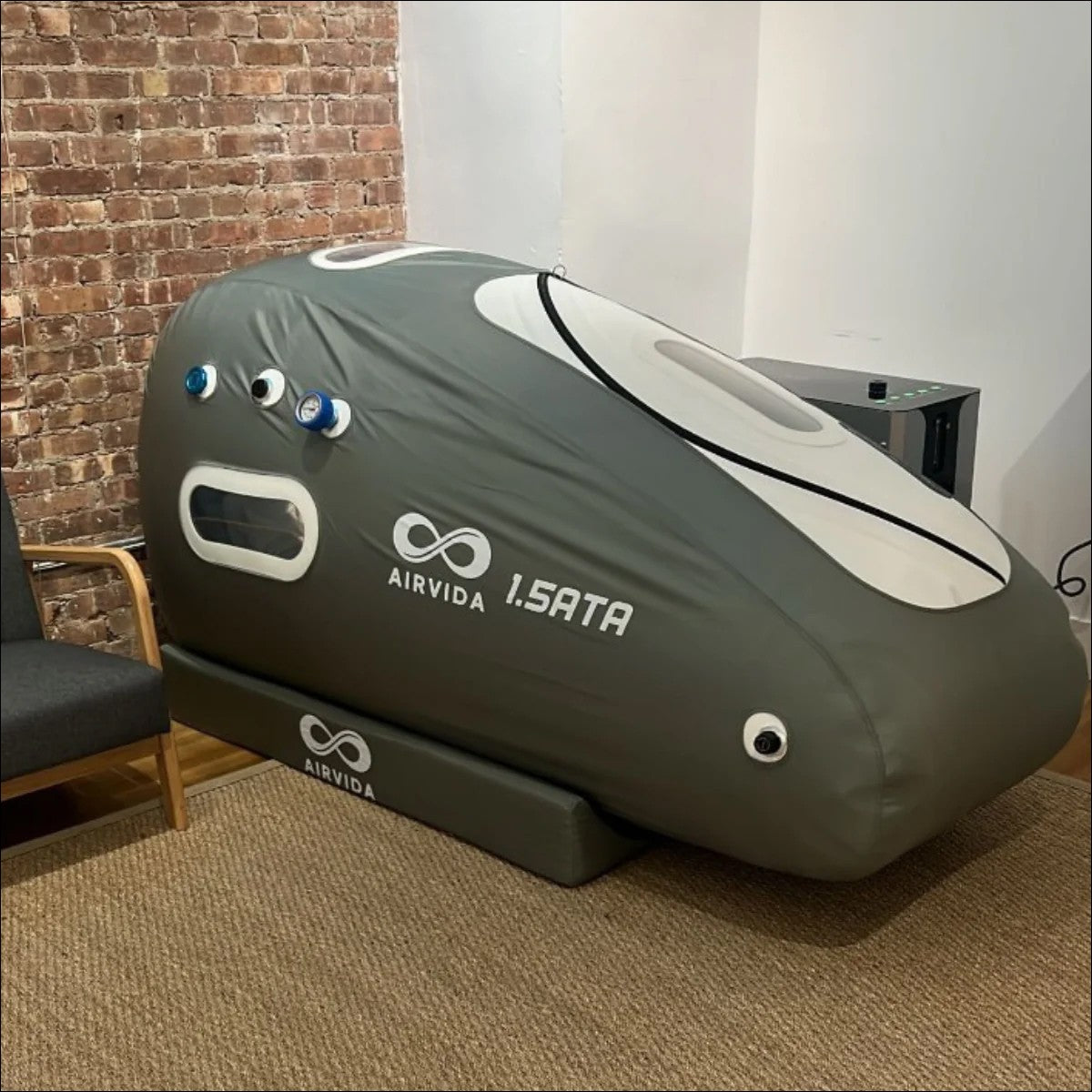
Hyperbaric Collections You May Want to Shop

How Does Hyperbaric Therapy Compare to Other Bone Healing Approaches?
Understanding where hyperbaric oxygen fits in relation to other recovery methods helps you make an informed decision alongside your orthopedic care team.
|
Approach |
Primary Mechanism |
Best Used For |
Typical Timeline |
|
Casting/Splinting |
Immobilization and alignment |
All fracture types, first-line treatment |
4–12 weeks |
|
Surgical Fixation |
Mechanical stabilization |
Complex or displaced fractures |
Varies by fracture |
|
Bone Stimulators (electrical/ultrasound) |
Electromagnetic or acoustic stimulation of osteoblasts |
Delayed union, non-union |
Several months |
|
Hyperbaric Oxygen Therapy |
Elevated tissue oxygenation, angiogenesis |
Poor healers, compromised circulation, infection-related |
20–40 sessions over weeks |
|
Nutritional Support (calcium, vitamin D, protein) |
Providing raw materials for bone matrix |
All fractures, adjunct to all other care |
Ongoing |
|
Physical Therapy |
Restoring function and load-bearing |
Post-immobilization rehabilitation |
Weeks to months |
Hyperbaric oxygen therapy is not positioned as a first-line standalone treatment. It is most effective as a component of a broader orthopedic care plan. The bottom line is that combining approaches, each targeting a different aspect of bone repair, generally produces better outcomes than any single intervention.
Can Hyperbaric Chambers Be Used for General Injury Recovery Beyond Bones?
Hyperbaric chambers are used broadly for soft tissue injury recovery, not only for fractures. Muscles, tendons, ligaments, and cartilage all require oxygen to heal, and the same mechanisms that benefit bone repair apply to these structures as well.
Athletes have increasingly incorporated hyperbaric sessions into their recovery protocols for muscle strains, joint injuries, and post-surgical rehabilitation. The therapy reduces swelling and supports faster tissue regeneration by maintaining elevated oxygen delivery throughout the recovery period. Many luxury hyperbaric chambers designed for personal or clinical use are built specifically to accommodate full-body recovery sessions.
Beyond musculoskeletal injury, hyperbaric oxygen has been studied for its effects on skin and facial tissue. Research into hyperbaric therapy for skin rejuvenation suggests that the same oxygenation and collagen-stimulating effects that help bone and muscle may also benefit skin elasticity and wound closure. The key point is that the underlying biology of tissue repair is shared across many injury types, making hyperbaric therapy broadly applicable to physical recovery.
Who Shouldn't Use a Hyperbaric Chamber?
Some individuals should not use hyperbaric oxygen therapy due to medical conditions that increase the risk of adverse effects. Medical screening by a qualified provider is required before beginning any course of hyperbaric treatment.
Conditions that typically contraindicate or require careful evaluation before hyperbaric oxygen therapy include:
-
Untreated pneumothorax (collapsed lung): pressure changes can worsen this condition
-
Certain respiratory diseases: particularly those that cause air trapping, such as severe emphysema
-
Uncontrolled seizure disorders: elevated oxygen pressure can lower the seizure threshold in susceptible individuals
-
Active or recent ear or sinus surgery: pressure changes affect the middle ear and sinuses, requiring intact anatomy and function
-
Claustrophobia: the enclosed environment of a chamber can be difficult to tolerate without proper preparation
-
Pregnancy: the safety of hyperbaric oxygen for fetuses remains an area of ongoing investigation, and most providers recommend caution
-
Certain medications: drugs that sensitize tissues to oxygen toxicity require evaluation before sessions begin
You should always disclose your full medical history and current medications to your care team before your first session. The key point is that hyperbaric therapy is safe for most people when properly screened, but the contraindications above are taken seriously in clinical settings.
Hyperbaric Chambers You May Want to Shop
Explore More


What Does a Hyperbaric Session for Bone Healing Look Like?
A typical hyperbaric session for fracture recovery follows a structured protocol designed to maximize the oxygenation effect while managing pressure safely.
Step-by-step session protocol:
-
Pre-session screening: Confirm no new symptoms or contraindications since last session. Remove any materials not approved for pressurized environments.
-
Chamber entry: Enter the chamber and settle into a comfortable position. Sessions typically last between 60 and 90 minutes.
-
Pressurization phase: The chamber gradually increases to the target pressure over several minutes. You may feel a sensation of ear fullness, similar to descending in an airplane, which resolves as you equalize pressure.
-
Treatment phase: Breathe normally while the chamber maintains therapeutic pressure. Some people read, rest, or listen to audio during this phase.
-
Depressurization phase: At the end of the session, pressure returns gradually to normal over several minutes.
-
Post-session: Most people experience no downtime. Light-headedness is uncommon and typically brief if it occurs.
For fracture healing, protocols commonly involve sessions several times per week over a course of four to eight weeks, though the exact number depends on the severity of the injury and how your bone is responding. The key point is that consistency across the full course of treatment, not a single session, is what produces measurable effects on bone repair.
Does Nutrition and Lifestyle Affect How Well Hyperbaric Therapy Works for Bones?

Your body's response to hyperbaric therapy is directly influenced by your nutritional status and lifestyle habits during recovery. Hyperbaric oxygen provides the oxygen signal, but your cells still need the raw materials to act on that signal.
Calcium and vitamin D are the two most critical nutrients for bone mineralization. Without adequate calcium, new bone matrix cannot harden, and without vitamin D, your gut cannot absorb the calcium you consume. Your care team may recommend supplementation if your dietary intake is insufficient.
Protein intake is often underemphasized in bone recovery. Collagen, the primary structural protein in bone, is built from amino acids that come from dietary protein. Aim for consistent protein intake from whole food sources throughout your recovery period.
Lifestyle factors that impair bone healing include:
-
Smoking: reduces blood oxygen levels and impairs angiogenesis
-
Excessive alcohol: interferes with osteoblast function and calcium absorption
-
Sedentary behavior: controlled, appropriate movement after a fracture stimulates bone remodeling
-
Poor sleep: growth hormone, which is released during deep sleep, supports tissue repair
The bottom line is that hyperbaric therapy works best as part of a recovery environment that also includes proper nutrition, adequate sleep, and guidance from your orthopedic team on weight-bearing activity.
Conclusion: Is a Hyperbaric Chamber Worth Considering for Broken Bone Recovery?

A hyperbaric chamber supports broken bone healing by increasing the oxygen availability that osteoblasts, fibroblasts, and new blood vessels depend on. The therapy is most valuable for fractures that are healing slowly, fractures in people with compromised circulation or chronic conditions like diabetes, and injuries complicated by infection or soft tissue damage.
For uncomplicated fractures in otherwise healthy individuals, the evidence is less definitive, and standard orthopedic care remains the foundation of treatment. However, as an adjunct therapy added to conventional care, hyperbaric oxygen therapy offers a biologically sound mechanism for improving the conditions that bone repair depends on. If your healing is progressing more slowly than expected, or if your care team has identified factors limiting your recovery, discussing hyperbaric therapy as a complementary option is worth the conversation.
The bottom line: a hyperbaric chamber helps broken bones heal by saturating injured tissue with oxygen, stimulating new blood vessel growth, and supporting the collagen production that gives new bone its structure.
Frequently Asked Questions
Does hyperbaric chamber help with bone healing?
Yes, hyperbaric chambers help with bone healing by increasing the oxygen concentration in injured tissue, which fuels the cellular activity of osteoblasts and supports new blood vessel growth at the fracture site. The therapy is most beneficial for slow-healing or non-union fractures and for patients with conditions that reduce circulation.
What heals broken bones the fastest?
No single intervention heals broken bones the fastest, but the combination of proper immobilization, adequate calcium and vitamin D intake, sufficient protein consumption, and consistent follow-up with your orthopedic provider creates the optimal healing environment. Adjunct therapies like hyperbaric oxygen can accelerate repair in cases where healing is delayed or compromised.
Who shouldn't use a hyperbaric chamber?
People with an untreated collapsed lung, uncontrolled seizure disorders, severe air-trapping respiratory conditions, recent ear or sinus surgery, or those taking medications that increase oxygen sensitivity should not use a hyperbaric chamber without medical clearance. Pregnant individuals and those with claustrophobia also require careful evaluation before beginning sessions.
Can hyperbaric chambers be used for injury recovery?
Yes, hyperbaric chambers are used for a wide range of injury recovery applications, including muscle strains, ligament injuries, post-surgical healing, and fractures. The pressurized oxygen environment supports tissue repair by increasing oxygen delivery, reducing swelling, and stimulating collagen production across multiple tissue types.
Do you heal faster in a hyperbaric chamber?
Hyperbaric chambers can accelerate healing by improving the oxygen environment that tissue repair depends on, particularly for injuries involving poor circulation or delayed recovery. The benefit is most pronounced over a consistent course of multiple sessions rather than a single use, and results vary based on injury type, health status, and overall recovery plan.