


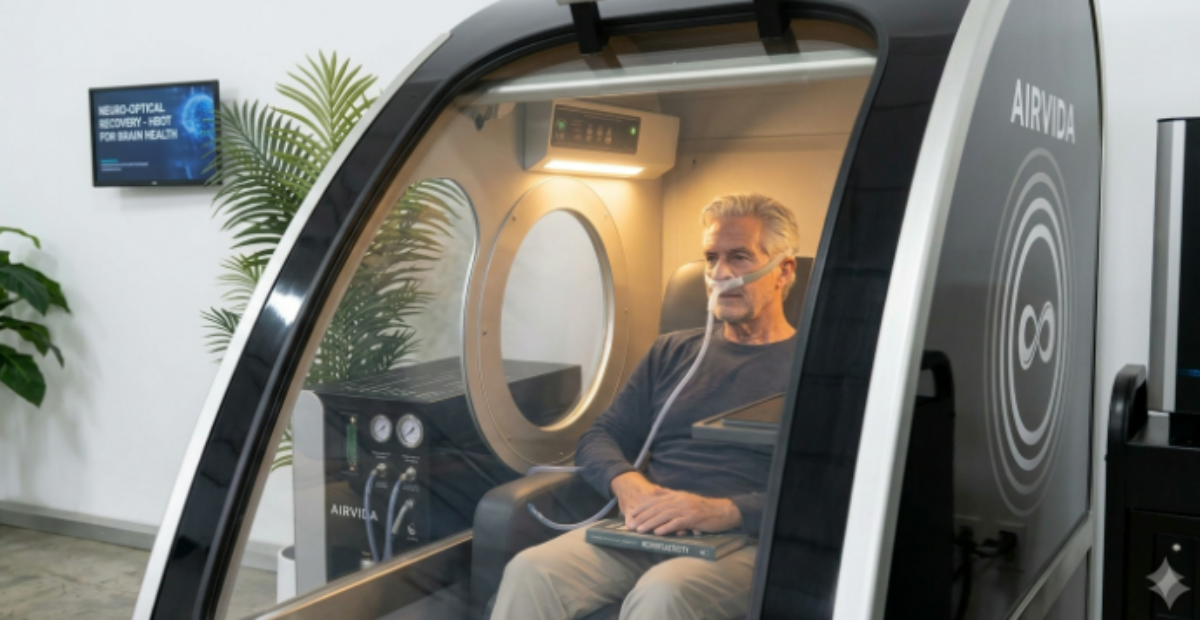
A hyperbaric chamber delivers 100% oxygen at increased atmospheric pressure, which saturates brain tissue with oxygen at levels unreachable through normal breathing. This elevated oxygen environment activates biological pathways linked to neuroplasticity, reduced brain inflammation, improved cerebral blood flow, and the growth of new neurons. Current peer-reviewed research supports its use across conditions including traumatic brain injury, post-COVID cognitive impairment, PTSD, and age-related cognitive decline.
Key Takeaways
-
Hyperbaric oxygen therapy (HBOT) promotes neuroplasticity by stimulating mitochondrial function, neurogenesis, synaptogenesis, and anti-inflammatory responses in the brain.
-
A 2025 double-blind randomized controlled trial found that HBOT participants showed significantly greater improvement in brain injury symptoms compared to a sham group, with a mean difference of 7.0 points on composite outcome scores.
-
A 2024 randomized sham-controlled trial demonstrated that HBOT improved brain connectivity and reduced PTSD-related symptoms in veterans with combat-associated PTSD.
-
A 2022 Nature Scientific Reports trial found HBOT produced significant improvements in global cognitive function, attention, and executive function in post-COVID patients.
-
A $28 million state-funded five-year clinical trial at the University of South Florida is actively studying HBOT for traumatic brain injury in service members and veterans, welcomed its first participants in December 2024.
-
Known risks of HBOT include ear and sinus pressure discomfort, temporary vision changes, and rare risk of oxygen toxicity, which is why sessions are conducted in controlled clinical or professional settings.
How Does a Hyperbaric Chamber Affect the Brain?
Hyperbaric oxygen therapy is a treatment modality that increases the partial pressure of oxygen delivered to brain tissue by having you breathe pure oxygen inside a pressurized chamber, typically at 1.5 to 3.0 atmospheres absolute (ATA). Under these conditions, oxygen dissolves directly into plasma, cerebrospinal fluid, and tissue fluid rather than relying solely on hemoglobin transport. This creates a dramatically elevated oxygen gradient throughout the brain.
According to a 2024 review published in Frontiers in Neurology, HBOT affects multiple primary pathways including mitochondrial biogenesis, neurogenesis, synaptogenesis, and anti-inflammatory responses. These are not surface-level effects. They represent changes at the cellular level that can influence long-term brain structure and function.
Experimental and clinical studies confirm that HBOT enhances cerebral blood flow and metabolism, stimulates angiogenesis (new blood vessel formation), supports axonal regeneration, and strengthens neuronal connectivity. The key point is that the brain's response to pressurized oxygen goes well beyond simple oxygenation: it triggers a cascade of repair-oriented biological processes.
What Does Current Research Say About HBOT and Cognitive Function?

Peer-reviewed clinical evidence for HBOT's cognitive benefits has grown substantially between 2022 and 2026, with several randomized controlled trials and systematic reviews now available.
A July 2022 randomized, sham-controlled, double-blind trial published in Nature Scientific Reports enrolled 73 post-COVID patients and found a significant group-by-time interaction in global cognitive function, attention, and executive function following HBOT. This was one of the first high-quality controlled trials to isolate HBOT's cognitive effects with a proper placebo arm. Participants received 40 sessions at 2.0 ATA breathing 100% oxygen for 90 minutes per session.
A 2025 systematic review and meta-analysis published in PMC specifically evaluated HBOT's efficacy for neurocognitive deficits following traumatic brain injury, pulling from PubMed, Embase, and Cochrane Central databases covering studies through November 2024. A separate 2021 review published in PMC concluded that HBOT produced measurable improvements across multiple cognitive domains. The bottom line is that the weight of controlled evidence now supports HBOT as a meaningful contributor to cognitive recovery, particularly in acquired brain injury populations.
How Does HBOT Support Brain Injury Recovery?
Traumatic brain injury (TBI) is a major public health issue in the United States, and HBOT has been studied as a neuroprotective therapy for both acute and chronic phases of recovery. A 2025 double-blind randomized trial from LDS Hospital and the University of Utah School of Medicine, published in PMC, found that the HBOT group showed a mean 13-week change score of 10.6 compared to 3.6 in the sham group (mean difference 7.0, 95% CI 1.7-12.3, p = 0.01). The HBOT group also improved significantly on measures of olfaction, anxiety, sleep difficulties, and vestibular complaints.
A 2025 study affiliated with Wayne State University School of Medicine, published in Cureus, examined pediatric TBI cases and reported positive psychometric outcomes following HBOT. This extends the potential application of the therapy across age groups, though pediatric research remains earlier in development. For practitioners working in functional medicine or integrative medicine, HBOT's multi-pathway mechanism makes it a scientifically grounded option to discuss with patients managing chronic post-injury symptoms.
A $28 million state-funded clinical trial at the University of South Florida, running for five years with Florida service members and veterans as participants, is designed as a randomized, double-blind, placebo-controlled study. It has been recognized nationally as one of the most rigorous studies of its kind. The bottom line is that TBI recovery represents one of the most active and well-funded areas of HBOT research currently underway in the United States.
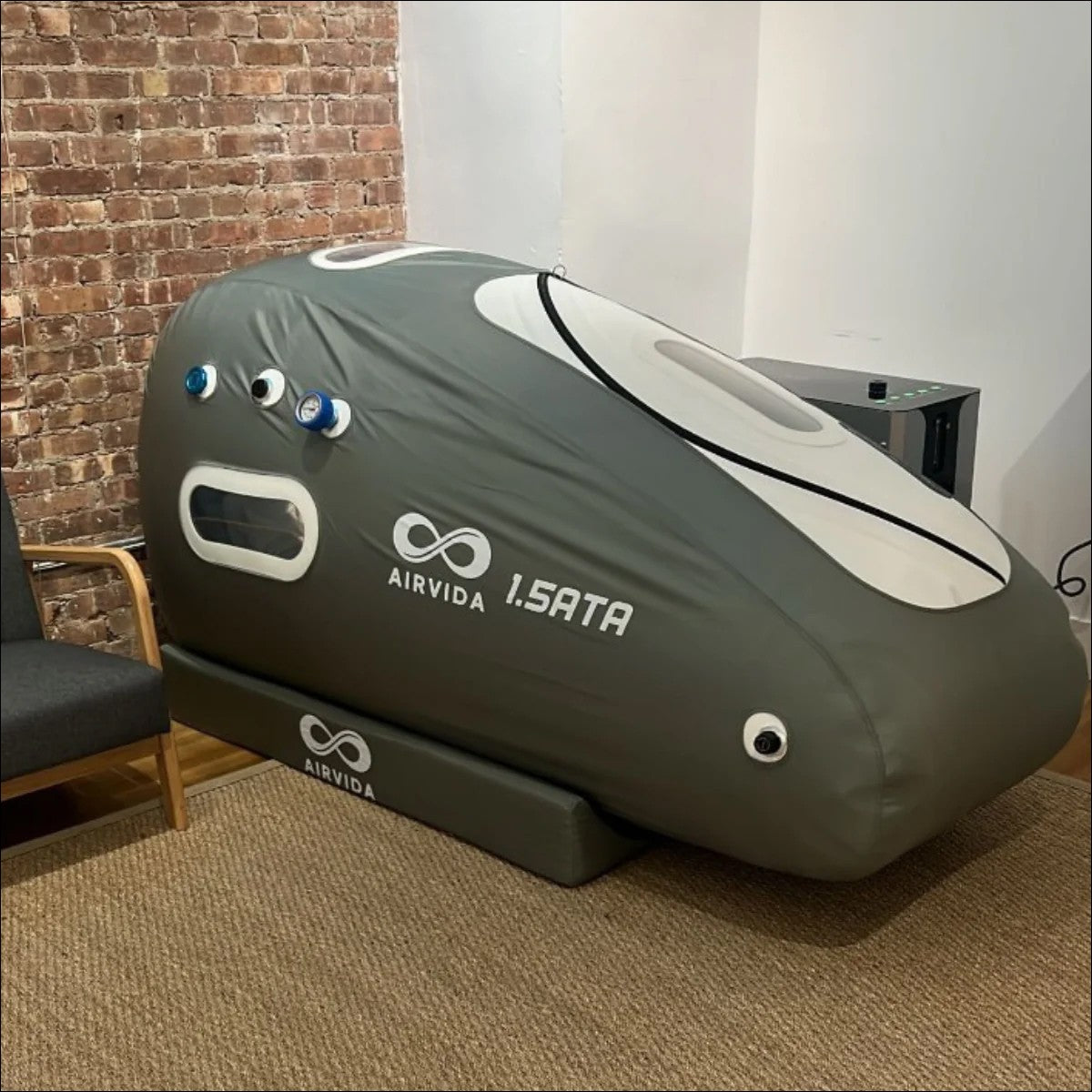
Hyperbaric Collections You May Want to Shop

Can HBOT Help With PTSD and Mental Health?
HBOT for PTSD is an emerging application supported by a 2024 randomized sham-controlled clinical trial published in the Journal of Clinical Psychiatry. The trial enrolled 56 male veterans with combat-associated PTSD and delivered 60 daily sessions of 90 minutes each. The active treatment group received 100% oxygen at 2.0 ATA, while the sham group received 21% oxygen at 1.02 ATA.
The trial demonstrated that HBOT improved brain connectivity and reduced PTSD-related symptoms in veterans with combat-associated PTSD. This is particularly significant because the sham design controls for the placebo effect of simply lying in a chamber and breathing. The mechanism proposed by researchers involves improved perfusion and reduced neuroinflammation in brain regions associated with fear processing and emotional regulation.
The University of South Florida's landmark study also specifically targets veterans, reflecting growing institutional interest in HBOT as a non-pharmacological option for service members. The key point is that while PTSD research is still developing, the existing randomized controlled trial evidence is encouraging and methodologically sound.
What Does HBOT Research Show for Age-Related Cognitive Decline and Dementia?
Age-related cognitive impairment represents one of the more complex applications of HBOT, and it remains an area of ongoing investigation. A review published in PMC examined HBOT's integrative role in healthspan, vascular cognitive impairment, and dementia, highlighting its potential to address vascular dysfunction that underlies many forms of age-related cognitive decline.
Research published in PMC investigated HBOT's effects on vascular dysfunction and amyloid burden in an Alzheimer's disease mouse model and in elderly patients. Findings suggested improvements in cerebral blood flow and reduced amyloid markers, though human trials remain limited in scale and duration. A 2025 retrospective cohort study published in PMC examined post-stroke cognitive impairment and found that HBOT had a measurable impact on cognitive recovery alongside serum lipid changes.
Earlier preclinical research published in PMC showed that extended HBOT stimulates neurogenesis and attenuates inflammation after ischemic stroke in animal models. The key point is that while the dementia and age-related decline research is promising, it requires larger human clinical trials before strong clinical conclusions can be drawn.
What Are the Biological Mechanisms Behind HBOT's Brain Effects?

The biological mechanisms of HBOT in the brain operate across several interconnected pathways, and understanding them helps explain why the therapy produces broad cognitive and neurological effects.
Key mechanisms supported by peer-reviewed literature include:
-
Mitochondrial biogenesis: HBOT increases energy production at the cellular level by stimulating mitochondrial activity, which is critical for neuronal survival and repair.
-
Neurogenesis: Research published in PMC confirms that HBOT promotes the generation of new neurons, particularly in the hippocampus.
-
Angiogenesis: New blood vessel formation in the brain improves oxygen and nutrient delivery to damaged tissue.
-
Anti-inflammatory signaling: HBOT suppresses pro-inflammatory cytokines associated with neurological damage.
-
Synaptogenesis: Increased formation of synaptic connections supports cognitive recovery and learning.
-
Axonal regeneration: Improved oxygen availability supports the repair and regrowth of damaged nerve fibers.
-
Cerebral blood flow enhancement: Multiple studies confirm improved perfusion in hypoperfused brain regions following HBOT.
A review of molecular and therapeutic aspects published in PMC and a separate neuroregeneration review in PMC both confirm these overlapping mechanisms. The bottom line is that HBOT does not work through a single pathway: it activates multiple simultaneous repair processes that together support brain recovery.
Hyperbaric Chambers You May Want to Shop
Explore More


How Does HBOT Compare Across Different Treatment Protocols?
HBOT treatment protocols vary by pressure, session length, session frequency, and total number of sessions, and these variables directly affect outcomes. Understanding the protocol differences is essential for evaluating study results or considering therapy.
|
Protocol Variable |
Common Research Range |
Notes |
|
Pressure (ATA) |
1.5 to 3.0 ATA |
Most brain health trials use 2.0 ATA |
|
Session length |
60 to 90 minutes |
90 minutes is most common in RCTs |
|
Total sessions |
20 to 60 sessions |
Veterans' PTSD trial used 60 sessions |
|
Oxygen concentration |
100% oxygen |
Sham arms typically use 21% (room air) |
|
Frequency |
Once daily, 5 days per week |
Intensive outpatient schedule common |
|
Chamber type |
Monoplace or multiplace |
Varies by facility |
The 2024 PTSD trial used 60 daily sessions at 2.0 ATA with 90 minutes of 100% oxygen. The 2025 TBI trial used a similar pressure framework. Protocols for sports medicine hyperbaric chambers may differ from clinical TBI protocols, reflecting the range of applications across settings. Facilities integrating HBOT into recovery programs, such as cryotherapy centers, may use lower-intensity protocols suited to wellness rather than clinical treatment. The key point is that protocol selection should align with the specific condition and evidence base.
What Are the Known Risks and Side Effects of Hyperbaric Oxygen Therapy?
The side effects of HBOT are generally manageable and well-documented in clinical literature, though they require proper medical screening before starting therapy.
Common side effects include:
-
Ear and sinus pressure or discomfort from pressure changes during chamber entry and exit
-
Temporary visual changes, typically mild myopia, that resolve after therapy ends
-
Fatigue following sessions, particularly in early treatment weeks
-
Claustrophobia in monoplace (single-person) chamber designs
Less common but more serious risks include:
-
Oxygen toxicity seizures, which are rare and primarily associated with pressures above 3.0 ATA
-
Barotrauma to the middle ear or sinuses in people with preexisting conditions
-
Hypoglycemia in diabetic patients, as HBOT can lower blood sugar
HBOT is not appropriate for everyone. People with untreated pneumothorax, certain ear abnormalities, or specific medication interactions require thorough medical evaluation before beginning sessions. Research in arthritis and joint conditions suggests that contraindication screening applies across all HBOT applications, not just neurological ones. The bottom line is that HBOT has a well-characterized safety profile when administered by trained professionals using appropriate protocols.
Should You Consider a Hyperbaric Chamber for Brain Health?

The current body of evidence positions HBOT as a scientifically grounded, actively researched option for supporting brain health across multiple conditions. Randomized controlled trials have demonstrated measurable improvements in TBI recovery, PTSD symptom reduction, and post-COVID cognitive function. Ongoing large-scale trials, including a $28 million federally supported study at the University of South Florida, are expected to produce even more definitive data through the latter half of this decade.
The strongest current evidence supports HBOT for traumatic brain injury recovery, post-concussion syndrome, and post-COVID cognitive impairment. Evidence for dementia, stroke recovery, and age-related cognitive decline is promising but still developing. Anyone considering HBOT should consult with a qualified healthcare provider to assess eligibility, discuss protocol options, and ensure proper monitoring throughout treatment.
The bottom line: a hyperbaric chamber supports brain health by delivering pressurized oxygen that activates neuroplasticity, reduces inflammation, and promotes the biological repair processes the brain uses to recover from injury and cognitive decline.
Frequently Asked Questions
Is hyperbaric oxygen good for your brain?
Yes, hyperbaric oxygen therapy is supported by peer-reviewed research as beneficial for brain health across multiple conditions. Clinical trials show improvements in cognitive function, neuroplasticity, cerebral blood flow, and inflammation reduction. It has been studied for TBI, PTSD, post-COVID cognitive impairment, and age-related cognitive decline, with randomized controlled trial evidence supporting several of these applications.
What is the downside of hyperbaric oxygen therapy?
The main downsides of HBOT include ear and sinus pressure discomfort, temporary mild vision changes, fatigue, and in rare cases, oxygen toxicity at higher pressures. Some individuals experience claustrophobia in single-person chambers. Proper medical screening is required before starting therapy, as conditions like untreated pneumothorax or certain ear abnormalities can increase risk.
What is the miracle of hyperbaric oxygen therapy?
No single miracle effect defines HBOT, but its most remarkable quality is that pressurized oxygen simultaneously activates multiple brain repair pathways: neurogenesis, angiogenesis, mitochondrial biogenesis, and anti-inflammatory signaling. This multi-mechanism action allows HBOT to support brain recovery across diverse conditions, from traumatic injury to post-viral cognitive impairment, in ways that single-target treatments cannot replicate.
What does 100% oxygen do to the brain?
Breathing 100% oxygen under pressure dissolves oxygen directly into plasma and cerebrospinal fluid, bypassing hemoglobin's normal transport limits and saturating brain tissue with oxygen at levels impossible through normal breathing. This hyperoxic state stimulates mitochondrial energy production, suppresses neuroinflammation, promotes new neuron and blood vessel growth, and supports axonal repair. At controlled pressures, this process is well-tolerated by most people.
How to restore oxygen to the brain?
Oxygen delivery to the brain can be restored and enhanced through several approaches depending on the underlying cause. Hyperbaric oxygen therapy is a clinically studied method that delivers pressurized 100% oxygen to maximize brain tissue saturation. Other supportive strategies include treating the underlying vascular or respiratory condition, controlled aerobic exercise to improve cerebral blood flow, and addressing anemia or sleep-disordered breathing if present.