


Hyperbaric oxygen therapy (HBOT) after plastic surgery accelerates wound healing by delivering 100% oxygen at increased atmospheric pressure, which raises tissue oxygen levels, reduces inflammation, and stimulates collagen production. A 2024 retrospective study published on PubMed involving 296 aesthetic surgery patients found shortened recovery times and a low complication rate, including no infections, when HBOT was used as an adjunct to standard postoperative care.
Key Takeaways
-
Hyperbaric oxygen therapy after plastic surgery reduces healing time significantly, with facelift patients in one case-control study healing in a mean of 13.3 days compared to 36.9 days in the control group.
-
HBOT works by correcting post-surgical tissue hypoxia, triggering neovascularization, fibroblast proliferation, and anti-inflammatory signaling at the cellular level.
-
A 296-patient retrospective study (2021-2023) confirmed low complication rates and shortened recovery compared to international plastic surgery benchmarks.
-
Most surgeons recommend beginning HBOT within 24-72 hours after surgery, once you are medically stable and cleared by your care team.
-
HBOT is used off-label for elective cosmetic procedures but carries a growing body of peer-reviewed evidence supporting its efficacy and safety as an adjunct therapy.
-
The one absolute contraindication to HBOT is an untreated pneumothorax, according to NIH StatPearls guidelines.
How Does Hyperbaric Oxygen Therapy Work After Plastic Surgery?
Hyperbaric oxygen therapy is a medical treatment that delivers 100% oxygen inside a pressurized chamber, typically at 1.5 to 3.0 atmospheres absolute (ATA), to raise the dissolved oxygen content of blood and tissue far beyond what normal breathing achieves. After plastic surgery, tissues in and around incision sites become hypoxic, meaning they lack the oxygen required for efficient cellular repair. HBOT corrects this deficiency directly.
At the molecular level, HBOT modulates redox signaling, downregulates pro-inflammatory pathways, and optimizes the balance between hypoxia-inducible factor-1α (HIF-1α) and vascular endothelial growth factor (VEGF). These changes improve microvascular integrity and matrix quality in healing tissue. According to a 2026 structured narrative review published in Cureus, HBOT also balances matrix metalloproteinase and tissue inhibitor of metalloproteinase (MMP/TIMP) activity, which is critical for proper scar formation.
The therapy also promotes fibroblast proliferation, the cellular process responsible for collagen synthesis. Collagen is the structural protein that closes wounds and determines the texture and strength of healed tissue. The key point is that HBOT targets multiple biological mechanisms simultaneously, making it more comprehensive than single-pathway interventions.
Hyperbaric Collections You May Want to Shop

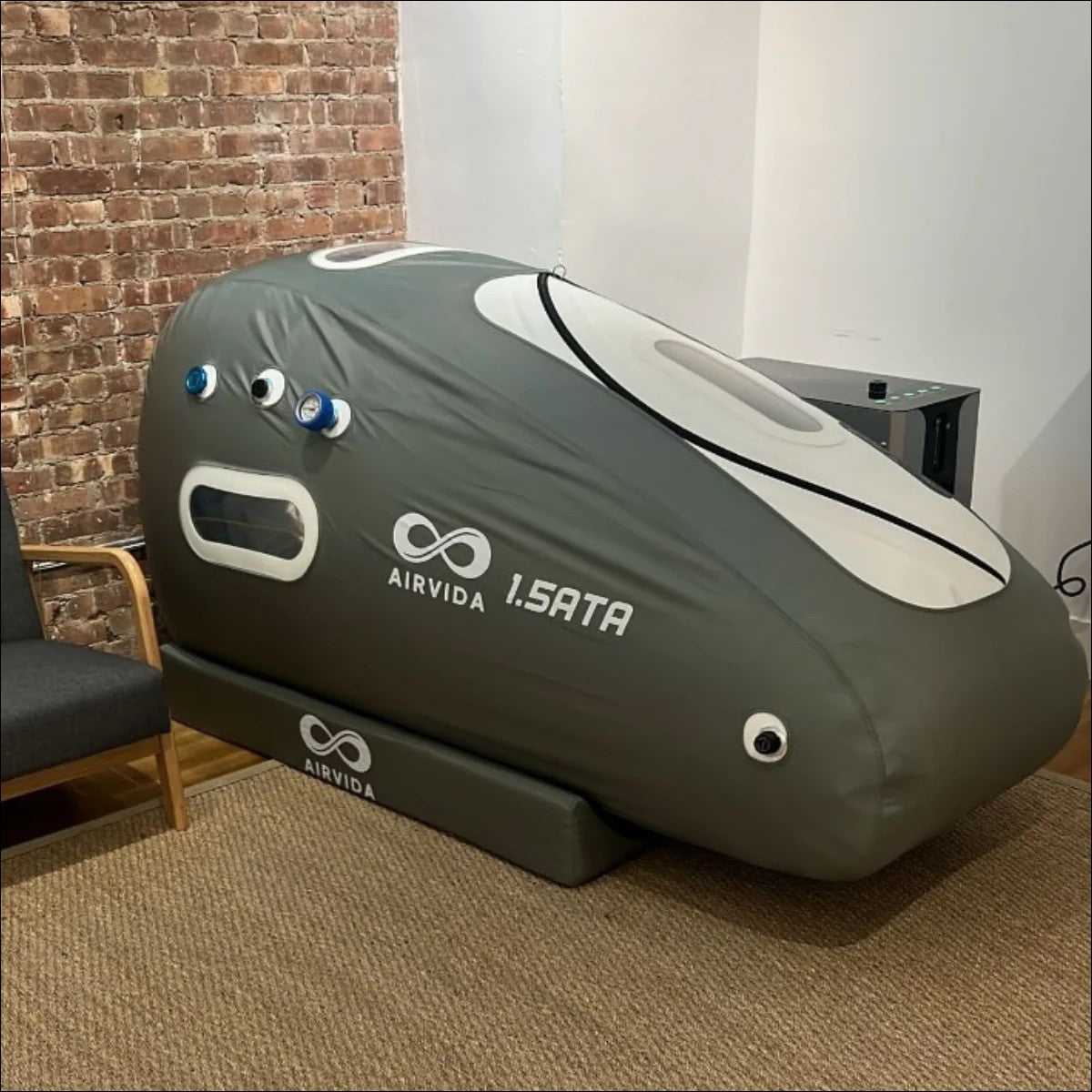
What Are the Specific Hyperbaric Chamber Benefits After Plastic Surgery?
The benefits of hyperbaric chamber use after plastic surgery span reduced healing time, lower complication rates, and improved cosmetic outcomes. Research compiled in a 2024 IntechOpen chapter on postoperative healing applications identified several consistent clinical advantages across cosmetic surgery types.
Documented benefits include:
-
Reduced postoperative swelling and bruising through suppression of pro-inflammatory cytokines
-
Accelerated wound closure due to increased fibroblast activity and collagen deposition
-
Lower risk of infection, as elevated oxygen concentrations are toxic to many anaerobic bacteria
-
Improved skin graft and flap survival by sustaining oxygenation to compromised tissue
-
Faster resolution of scar tissue and reduced risk of hypertrophic scarring
-
Enhanced neovascularization, or the formation of new blood vessels, which restores circulation to ischemic tissue
A comprehensive 2024 review published in PMC/NIH confirmed that in reconstructive and plastic surgery contexts, HBOT supports threatened flaps and grafts, benefits burn management, and produces fewer complications with faster recovery in aesthetic procedure patients. The bottom line is that HBOT addresses the core biological obstacles to post-surgical recovery rather than simply managing symptoms.
How Does HBOT Compare to Standard Postoperative Recovery Without It?

The difference between standard recovery and HBOT-assisted recovery is measurable in controlled studies. A case-control study cited by University Orthocare found that facelift patients receiving HBOT healed in a mean of 13.3 days, while the control group without HBOT averaged 36.9 days to wound resolution.
|
Recovery Metric |
Standard Care |
HBOT-Assisted Care |
|
Facelift wound healing duration |
Mean 36.9 days |
Mean 13.3 days |
|
Infection rate (296-patient study) |
Baseline |
Near zero |
|
Hair transplant scab resolution |
Standard protocol timeline |
Complete elimination within 3-5 days |
|
Skin graft/flap complications |
Higher baseline rates |
Reduced with early intervention |
A prospective case report published in PMC/NIH on hair transplantation found that patients receiving HBOT at 2.4 ATA for 90-minute sessions achieved complete scab elimination within three to five days. This accelerated healing allowed more aggressive postoperative cleansing without compromising graft viability. The key point is that quantitative comparisons consistently favor HBOT-assisted recovery across multiple procedure types.
Hyperbaric Chambers You May Want to Shop
Explore More


Which Plastic Surgery Procedures Benefit Most From Hyperbaric Chambers?
HBOT has been studied across a broad range of cosmetic and reconstructive procedures, with clinical evidence supporting its use in several specific contexts. The 2024 PubMed retrospective study covering 296 patients between 2021 and 2023 included multiple aesthetic procedure types.
Procedures with documented HBOT benefit:
-
Facelift (rhytidectomy): Significantly reduced healing time and improved skin perfusion to elevated skin flaps
-
Rhinoplasty: Reduced postoperative edema around delicate nasal structures
-
Breast surgery, including nipple-sparing mastectomy: A study published in MDPI found that 9 of 10 patients receiving HBOT within 48 hours of nipple-sparing mastectomy achieved successful flap healing
-
Hair transplantation: Accelerated graft integration and scab elimination in 3-5 days
-
Abdominoplasty (tummy tuck): Improved oxygenation to large wound areas under tension
-
Liposuction: Reduced bruising and inflammatory response
-
Skin grafting: Enhanced graft take rates by sustaining oxygen delivery to ischemic recipient sites
-
Blepharoplasty: Reduced periorbital swelling and faster tissue remodeling
A systematic review published in MDPI Standards on HBOT in plastic, aesthetic, and reconstructive surgery confirmed improved postoperative healing outcomes and reduced complication rates across multiple cosmetic procedures. The bottom line is that any procedure involving skin flaps, grafts, or large incision areas stands to benefit from adjunctive HBOT.
When Should You Start Hyperbaric Oxygen Therapy After Plastic Surgery?

Timing HBOT correctly after surgery is critical to maximizing its benefit. Most plastic surgeons recommend beginning HBOT within 24-72 hours after surgery, once you are medically stable and cleared by your surgical team, because this window coincides with the most active phase of inflammatory signaling and tissue repair.
Initiating sessions during the first 7-10 days post-surgery amplifies collagen formation and reduces the risk of abnormal scarring, according to clinical guidance referenced in the research literature. Starting too late may miss the peak biological window when HBOT's anti-inflammatory and pro-angiogenic effects are most impactful. Your surgeon should evaluate your individual wound status before clearing you to begin.
General HBOT timing framework for plastic surgery recovery:
-
Days 1-3 post-surgery: Obtain surgical team clearance; begin if medically stable
-
Days 3-10: Active inflammation phase; HBOT most effective for swelling and bruising reduction
-
Days 7-21: Proliferative healing phase; HBOT supports collagen deposition and neovascularization
-
Days 21 and beyond: Remodeling phase; continued sessions may reduce hypertrophic scar formation
The key point is that early initiation, not delayed use, produces the strongest documented outcomes in the peer-reviewed literature.
Is Hyperbaric Oxygen Therapy Safe After Plastic Surgery, and Who Should Avoid It?
HBOT is considered a safe adjunctive therapy for most postoperative patients when administered correctly, but specific contraindications require evaluation before you begin. According to NIH StatPearls, the one absolute contraindication to hyperbaric oxygen treatment is an untreated pneumothorax.
Additional relative contraindications and precautions include:
-
Active ear or sinus infections that may worsen with pressure changes
-
Claustrophobia, which may require chamber design accommodations
-
Certain chemotherapy agents that interact negatively with high-dose oxygen
-
Uncontrolled high fever at the time of treatment
-
Recent ophthalmic surgery in some cases, pending surgeon clearance
The Undersea and Hyperbaric Medical Society (UHMS) recognizes HBOT as safe and effective for 14 health conditions, including wound and burn injuries. Its use in elective aesthetic plastic surgery is currently classified as off-label but is supported by a growing body of peer-reviewed evidence, as confirmed by the 2024 IntechOpen review. The bottom line is that you should receive a thorough medical screening from a qualified hyperbaric physician before starting treatment after any surgical procedure.
What Should You Expect During an HBOT Session for Post-Surgical Recovery?
A typical HBOT session for postoperative plastic surgery recovery lasts approximately 60-90 minutes at a pressure of 1.5 to 2.4 ATA, though specific protocols vary based on your surgical procedure, wound status, and the prescribing physician's clinical judgment. The hair transplant case report published in PMC/NIH used 90-minute sessions at 2.4 ATA as the operative protocol for accelerated graft healing.
During a session, you lie or sit inside a hyperbaric chamber, which is pressurized with pure oxygen or an oxygen-enriched air mixture. You may feel a sensation of ear fullness similar to descending in an aircraft, which equalizes as you adjust to the pressure. Sessions are generally well-tolerated, and most patients report the experience as comfortable and restful.
What a standard HBOT session protocol may include:
-
Pre-session vital signs and medical check
-
Chamber pressurization over approximately 10-15 minutes
-
Treatment phase at target pressure (60-90 minutes)
-
Gradual depressurization over 10-15 minutes
-
Post-session vital signs assessment
The key point is that individual session parameters should be prescribed by a licensed hyperbaric medicine physician, not self-selected based on general guidelines.
How Many HBOT Sessions Do You Need After Plastic Surgery?
The number of HBOT sessions recommended after plastic surgery typically ranges from 10 to 40, depending on the procedure's complexity, your individual healing response, and whether complications arise. No universal standard protocol exists for cosmetic procedures because HBOT is used off-label in this context, and treatment plans are individualized.
For straightforward aesthetic procedures with no complications, shorter courses of 10-20 sessions are commonly used. For complex reconstructive cases, compromised flaps, or patients with underlying conditions that impair healing, such as diabetes, longer courses may be warranted. The 296-patient retrospective study published on PubMed documented outcomes across varied session counts in an aesthetic surgery population.
Research on skin specifically, including post-surgical skin graft outcomes reviewed in MDPI, suggests that visible improvements in tissue oxygenation and wound status can appear within the first 5-10 sessions. Your hyperbaric medicine provider should reassess your wound response regularly and adjust the session count accordingly. The bottom line is that more sessions are not always better, and clinical monitoring should guide your total treatment course.
Resources for Patients Exploring Home and Clinical Hyperbaric Options

If you are researching hyperbaric chamber options to support your plastic surgery recovery, several categories of chambers serve different patient populations and clinical contexts. Travelers recovering from procedures away from home may find portable hyperbaric chambers designed for travel useful for maintaining treatment continuity. Veterans managing surgical wounds or service-related tissue damage may benefit from reviewing hyperbaric chambers designed for veterans, which address their specific recovery profiles.
For clinicians integrating HBOT into their practice, hyperbaric chambers for chiropractors and hyperbaric chambers for physical therapy settings offer practice-specific configurations. Before purchasing or committing to a chamber program, reviewing hyperbaric chamber maintenance costs helps you evaluate the total investment, not just the upfront price. Always confirm that any chamber you use meets your prescribing physician's clinical specifications for pressure and oxygen delivery.
Is the Evidence Strong Enough to Use HBOT Routinely After Plastic Surgery?
The current evidence base for hyperbaric chamber benefits after plastic surgery is promising and growing, but it is not yet at the level of large randomized controlled trials that would support universal clinical guidelines for elective aesthetic use. The 2026 Cureus structured narrative review covering two decades of literature confirmed HBOT efficacy in tissue salvage and reconstructive applications, with aesthetic use representing an emerging evidence category.
What exists in peer-reviewed literature is consistent in direction: patients who receive HBOT after plastic surgery heal faster, experience fewer complications, and show improved tissue outcomes compared to those receiving standard care alone. Whether this benefit justifies the cost and logistics of HBOT for every aesthetic patient remains an individualized clinical decision. You should discuss your specific procedure, healing risk factors, and access to supervised HBOT with both your plastic surgeon and a board-certified hyperbaric medicine physician before proceeding.
The bottom line: hyperbaric oxygen therapy after plastic surgery reduces healing time and complications by delivering oxygen directly to hypoxic surgical tissue, with the strongest evidence supporting early initiation within 24-72 hours of your procedure.
Frequently Asked Questions
Does hyperbaric chamber help with plastic surgery recovery?
Yes, hyperbaric chambers help with plastic surgery recovery by delivering high-concentration oxygen to hypoxic post-surgical tissue, which accelerates wound healing, reduces swelling, and lowers infection risk. A 2024 retrospective study of 296 aesthetic surgery patients confirmed shortened recovery times and minimal complications when HBOT was used as an adjunct to standard care.
Is hyperbaric oxygen therapy beneficial after facelift surgery?
Hyperbaric oxygen therapy is beneficial after facelift surgery, with one case-control study finding that HBOT-treated patients healed in a mean of 13.3 days compared to 36.9 days in the control group. HBOT improves oxygenation to the elevated skin flaps created during facelift surgery, which are particularly vulnerable to ischemia and necrosis.
Can you do hyperbaric oxygen therapy after surgery?
Yes, you can do hyperbaric oxygen therapy after surgery once you are medically stable and cleared by your surgical team, typically within 24-72 hours postoperatively. The one absolute contraindication is an untreated pneumothorax, according to NIH StatPearls. A hyperbaric medicine physician should screen you for relative contraindications before your first session.
Is a hyperbaric chamber good after rhinoplasty?
A hyperbaric chamber is considered beneficial after rhinoplasty because it reduces postoperative edema and bruising around the delicate nasal structures, which are common and uncomfortable after this procedure. HBOT's anti-inflammatory mechanisms suppress cytokines responsible for swelling, and its pro-healing effects support faster tissue remodeling around the surgical site.
How many HBOT sessions for skin?
The number of HBOT sessions for skin recovery after plastic surgery typically ranges from 10 to 40, depending on procedure complexity, individual healing response, and whether complications are present. Visible improvements in wound status and skin tissue oxygenation can appear within the first 5-10 sessions. Your hyperbaric physician should monitor your response and adjust the total session count based on clinical progress.