


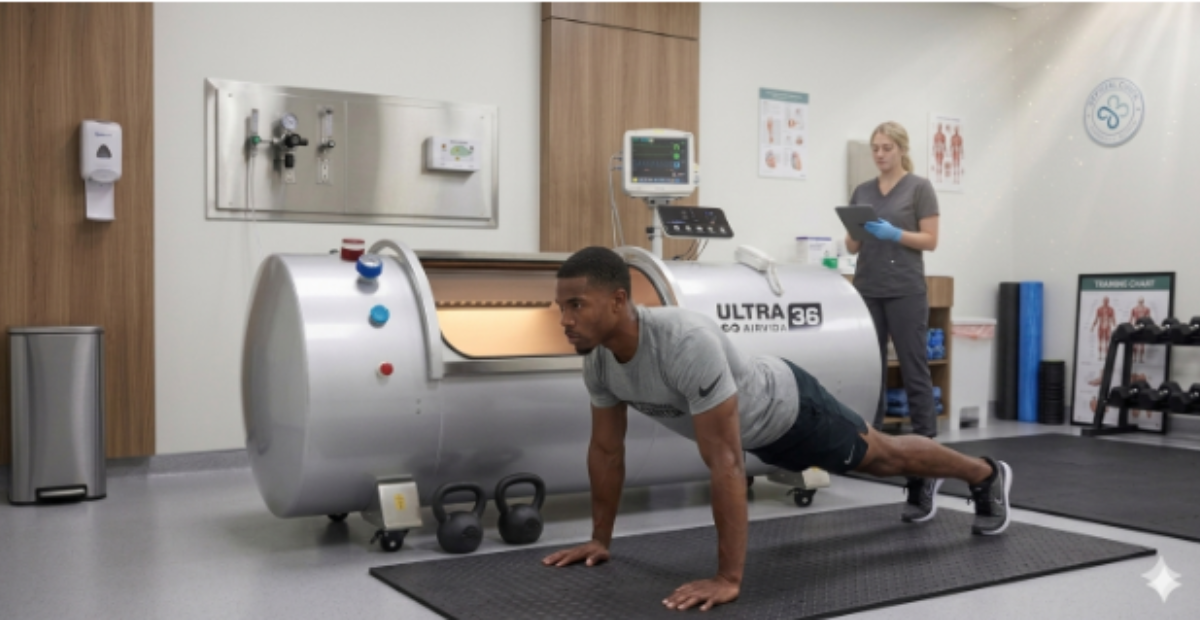
HBOT for sports performance westchester is becoming a popular recovery and wellness solution for athletes who want faster muscle recovery, improved endurance, and reduced fatigue. By increasing oxygen delivery throughout the body, hyperbaric oxygen therapy may help athletes recover more efficiently and perform at a higher level.
From professional athletes to active individuals, many people are turning to hyperbaric oxygen therapy to support training, injury recovery, and overall physical performance. Read on to discover how HBOT works, why athletes use it, and whether it may help improve your recovery routine.
What Is HBOT and How Does It Work for Athletes?
Hyperbaric oxygen therapy, commonly known as HBOT, involves breathing pure oxygen inside a pressurized chamber. The increased air pressure allows your body to absorb significantly more oxygen than normal.
For athletes, oxygen plays a major role in muscle recovery, tissue repair, and endurance. When oxygen levels increase in the bloodstream, your body may recover more efficiently after intense workouts or sports-related strain. Unlike traditional recovery methods that focus mainly on rest and hydration, HBOT works internally by supporting cellular recovery and circulation. This process is also valuable in specialized contexts, such as using a hyperbaric chamber after diving, where enhanced oxygen delivery supports safe recovery and overall wellness.
How HBOT Supports Sports Performance
-
Increases oxygen delivery to muscles and tissues
-
Supports recovery after high-intensity training
-
Helps reduce inflammation and soreness
-
May improve stamina and physical endurance
-
Assists tissue repair after injuries
Athletes involved in endurance sports, weightlifting, basketball, football, combat sports, and CrossFit commonly explore HBOT as part of their recovery strategies.
Why Athletes in Westchester Are Using Hyperbaric Oxygen Therapy

The growing demand for hbot for sports performance westchester comes from athletes looking for non-invasive ways to optimize recovery while maintaining consistent training schedules.
Recovery is just as important as training. Without proper recovery, athletes may experience fatigue, slower muscle repair, reduced mobility, and increased injury risk. HBOT provides a recovery-focused approach that fits into many athletic routines.
Common Reasons Athletes Use HBOT
|
Athletic Goal |
How HBOT May Help |
|
Faster recovery |
Increased oxygen may support tissue healing |
|
Reduced soreness |
Helps support inflammation management |
|
Injury recovery |
Supports damaged tissue repair |
|
Improved endurance |
Oxygen availability may help stamina |
|
Better recovery consistency |
Helps athletes train more effectively |
Many athletes report feeling less fatigued after workouts and more prepared for their next training session after regular HBOT sessions.
If you are exploring advanced oxygen therapy options, you may also want to check out hyperbaric oxygen therapy solutions available through hyperbaric oxygen therapy, Long Island.
The Science Behind Oxygen and Athletic Recovery
Oxygen is essential for energy production within the body. During intense exercise, muscles consume oxygen rapidly. This process creates microscopic muscle stress and inflammation.
HBOT increases the amount of dissolved oxygen carried through the bloodstream. This may help improve circulation and support the body’s natural healing response.
Potential Recovery Benefits Athletes Look For
-
Improved muscle oxygenation
-
Better post-workout recovery
-
Reduced muscle fatigue
-
Support for soft tissue healing
-
Enhanced circulation
Professional sports organizations and trainers continue researching how oxygen therapy may impact performance and recovery over time.
While HBOT is not considered a performance-enhancing drug, many athletes view it as a wellness and recovery tool similar to massage therapy, cryotherapy, or physical therapy.
Hyperbaric Chambers You May Want to Shop
Explore More


HBOT and Sports Injury Recovery
Injuries can interrupt training schedules and affect long-term athletic performance. One reason athletes seek hyperbaric oxygen therapy is to support the recovery process after injuries.
HBOT is commonly explored for conditions involving inflammation and tissue stress.
Injuries Athletes Commonly Use HBOT For
|
Sports Injury |
Why HBOT Is Considered |
|
Muscle strains |
Supports oxygen delivery to tissues |
|
Ligament injuries |
May assist healing support |
|
Tendon inflammation |
Helps circulation and recovery |
|
Stress fractures |
Supports tissue oxygenation |
|
Joint soreness |
Recovery-focused wellness support |
Although results vary by individual, many athletes include HBOT alongside physical therapy and rehabilitation programs.
You can also learn more about recovery-focused oxygen therapy by reading Hyperbaric Oxygen Therapy for Limb Salvage.
Does HBOT Improve Athletic Performance?

Many athletes ask whether HBOT directly improves athletic ability. The answer is more connected to recovery efficiency than instant strength or speed gains.
When your body recovers more effectively, you may train more consistently and reduce downtime caused by soreness or fatigue.
Areas Athletes Often Notice Improvements
-
Reduced recovery time between workouts
-
Better training consistency
-
Less muscle fatigue
-
Increased overall wellness
-
Improved readiness for competition
Athletes who combine proper nutrition, sleep, conditioning, and recovery methods often experience the best long-term results.
HBOT should not replace conditioning or proper sports medicine care. Instead, many athletes use it as an additional recovery tool.
Professional Athletes and Hyperbaric Oxygen Therapy
Hyperbaric oxygen therapy gained attention after several high-profile athletes publicly discussed using hyperbaric chambers as part of their wellness routines.
Sports Figures Commonly Linked to HBOT
-
Football players
-
NBA athletes
-
Olympic competitors
-
MMA fighters
-
Endurance athletes
The visibility of HBOT among elite athletes has helped increase public awareness about oxygen-focused recovery therapies.
Some professional training facilities now include recovery technologies like HBOT chambers alongside cold therapy, massage recovery, and mobility training.
HBOT Sessions: What Athletes Can Expect

For athletes new to HBOT, the process is typically simple and relaxing.
During a session, the athlete enters a pressurized chamber and breathes concentrated oxygen while resting comfortably.
Typical HBOT Session Experience
|
Step |
What Happens |
|
Enter chamber |
Athlete relaxes inside chamber |
|
Pressure increases |
Chamber gradually pressurizes |
|
Oxygen intake |
Pure oxygen is delivered |
|
Recovery session |
Athlete rests during therapy |
|
Pressure normalization |
Chamber slowly depressurizes |
Session times can vary depending on the treatment approach and recovery goals.
Many athletes schedule sessions after intense workouts, competitions, or injury rehabilitation appointments.
HBOT vs Other Sports Recovery Methods
Athletes today have many recovery options available. HBOT is often compared with ice baths, compression therapy, massage therapy, and cryotherapy.
Each method works differently and serves unique recovery goals.
Comparing Recovery Methods
|
Recovery Method |
Main Focus |
|
HBOT |
Oxygen delivery and tissue support |
|
Ice baths |
Temporary inflammation reduction |
|
Massage therapy |
Muscle relaxation |
|
Cryotherapy |
Cold exposure recovery |
|
Compression therapy |
Circulation support |
Some athletes combine multiple recovery methods to create a complete recovery routine.
For those looking into advanced hyperbaric chamber options, explore hyperbaric chamber therapy in Placentia.
Is HBOT Safe for Athletes?
Hyperbaric oxygen therapy is generally considered safe when administered properly under professional supervision.
Most athletes tolerate sessions well, though individual experiences may vary.
Common Safety Considerations
-
Ear pressure adjustment during chamber pressurization
-
Temporary fatigue after sessions in some individuals
-
Following provider recommendations carefully
-
Staying hydrated before and after therapy
Athletes with certain medical conditions should always speak with a healthcare professional before starting HBOT.
Hyperbaric Collections You May Want to Shop

Who Can Benefit Most From HBOT?
Not every athlete has the same recovery demands. However, HBOT may appeal to a wide range of physically active individuals.
Athletes Who Commonly Explore HBOT
-
Marathon runners
-
Basketball players
-
Football athletes
-
CrossFit competitors
-
Cyclists
-
MMA fighters
-
Triathletes
-
Weightlifters
Even recreational athletes sometimes explore HBOT to support recovery and maintain active lifestyles.
How Often Do Athletes Use HBOT?
HBOT frequency depends on training intensity, recovery goals, and overall wellness needs.
Some athletes use HBOT occasionally after competitions, while others incorporate sessions more regularly during demanding training periods.
Factors That Influence Session Frequency
-
Current recovery condition
-
Injury status
-
Training intensity
-
Athletic season schedule
-
Individual wellness goals
Recovery plans are often personalized based on the athlete’s performance demands.
Final Thoughts on HBOT for Sports Performance Westchester

HBOT for sports performance westchester continues gaining attention among athletes who want to support recovery, reduce fatigue, and maintain consistent training performance. By helping deliver increased oxygen throughout the body, HBOT may assist with muscle recovery, tissue support, and post-workout wellness.
As sports recovery technology continues evolving, more athletes are exploring oxygen therapy as part of a complete performance strategy. Whether you are a professional competitor or simply focused on staying active, hyperbaric oxygen therapy may offer another valuable recovery option to consider.
Frequently Asked Questions About HBOT for Sports Performance
Does HBOT improve athletic performance?
HBOT may support athletic performance indirectly by improving recovery efficiency and reducing fatigue. Many athletes use hyperbaric oxygen therapy to help their muscles recover faster after training or competition. When recovery improves, athletes may train more consistently and maintain better physical conditioning over time. While HBOT is not a shortcut for athletic success, it is commonly used as a recovery and wellness tool within sports performance routines.
Does Tom Brady use HBOT?
Tom Brady has been publicly associated with advanced recovery methods, including hyperbaric oxygen therapy. Over the years, many professional athletes have explored HBOT as part of broader wellness and recovery programs. Brady is widely known for prioritizing recovery, flexibility, hydration, and overall health to maintain performance longevity. HBOT became more visible in professional sports partly because elite athletes discussed using oxygen-focused recovery systems.
Do NBA players use hyperbaric chambers?
Yes, some NBA players reportedly use hyperbaric chambers as part of recovery and performance programs. Basketball places heavy physical demands on the body due to constant jumping, sprinting, and travel schedules. Hyperbaric oxygen therapy is sometimes explored to help athletes recover between games and reduce physical fatigue. Many professional sports organizations now invest in advanced recovery technologies to support player wellness and long-term conditioning.
Why does LeBron James use a hyperbaric chamber?
LeBron James has been linked to hyperbaric chamber use because of his strong focus on recovery and longevity. Maintaining peak physical condition over a long professional career requires consistent recovery strategies. Hyperbaric oxygen therapy may help support muscle recovery, tissue oxygenation, and overall wellness. Elite athletes like LeBron often combine multiple recovery methods including sleep optimization, stretching, cryotherapy, and oxygen-based therapies to stay competitive.