


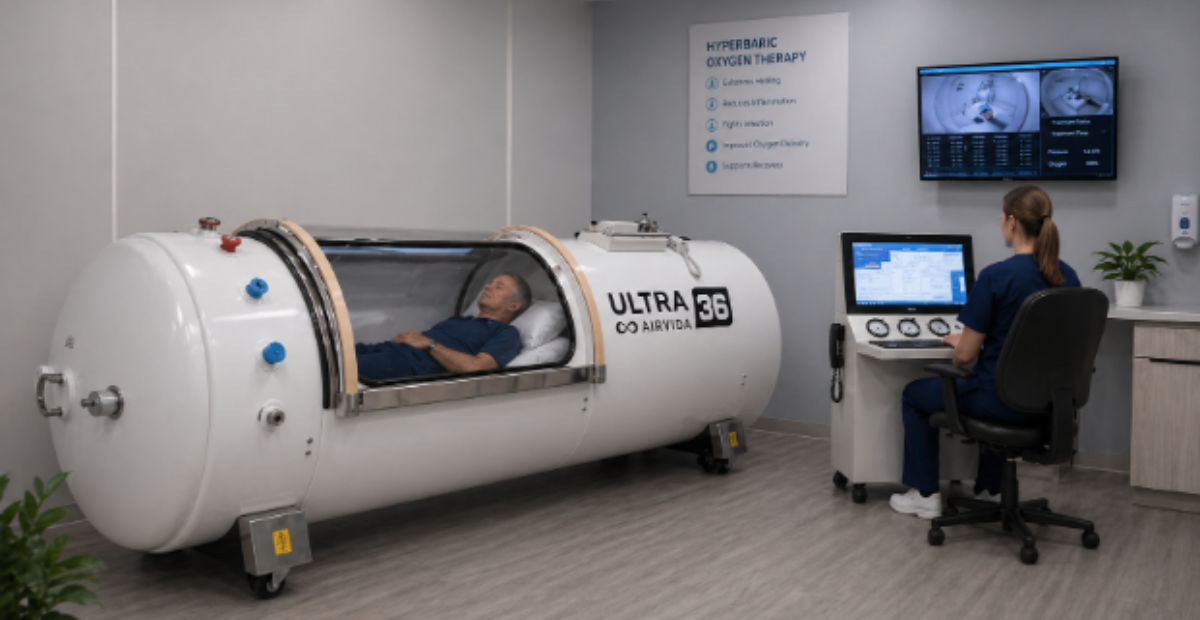
Hyperbaric oxygen therapy for limb salvage works by delivering 100% pure oxygen at increased atmospheric pressure, pushing oxygen deep into tissue that standard wound care can no longer reach. When a limb is at risk of amputation due to chronic wounds, bone infection, or vascular disease, this therapy restores the healing environment the body needs to fight back.
The stakes are serious when amputation comes up in a medical conversation. Understanding how this therapy works, who it helps, and what to expect makes it easier to take the next step with confidence.
Things to Know
-
HBOT is FDA-cleared for specific wound-related conditions that put limbs at risk of amputation.
-
Treatments take place inside a pressurized chamber where you breathe pure oxygen through a mask or hood.
-
Most limb salvage protocols run between 20 and 40 sessions, each lasting about 90 minutes.
-
It works alongside surgery and wound care, not as a standalone treatment.
-
Hard shell chambers deliver the pressure levels required for clinical limb salvage; soft chambers do not.
-
Medicare covers HBOT for several conditions that qualify under limb salvage, but documentation requirements apply.
Why Oxygen Is the Key to Saving a Threatened Limb
When tissue is damaged, infected, or cut off from adequate blood flow, oxygen levels in that area fall sharply. Without oxygen, white blood cells cannot fight infection, new blood vessels cannot form, and wounds stop progressing. The body's repair process cannot run without fuel.
HBOT fixes this by dissolving oxygen directly into blood plasma, not just red blood cells. Under pressure, that oxygen reaches tissue that normal circulation can no longer supply. This is the core reason hyperbaric oxygen therapy for limb salvage succeeds where antibiotics, debridement, and dressing changes alone fall short.
The Healing Cascade That Follows

Once oxygen floods the damaged area, several things happen simultaneously. New blood vessel growth, called angiogenesis, begins. Collagen production increases, giving the body the raw material to rebuild tissue. Anaerobic bacteria, including the type responsible for gas gangrene, start dying in oxygen-rich environments. The immune system regains the ability to mount a proper defense.
These effects build over repeated sessions, which is why completing a full treatment course matters.
When a Limb Becomes Threatened
A limb is considered at risk when the wound or condition has advanced to the point where amputation is being discussed. Common scenarios include:
-
Diabetic foot ulcers that have not responded to 30 or more days of standard care
-
Critical limb ischemia, where blood supply to the extremity is severely reduced
-
Chronic osteomyelitis, a bone infection resisting antibiotic treatment
-
Radiation tissue damage following cancer therapy
-
Necrotizing soft tissue infections or gas gangrene after trauma or surgery
Many patients in this situation have already been through multiple surgeries and antibiotic courses. HBOT steps in as an adjunct therapy when the tissue environment is too compromised for those treatments to work alone. The detailed breakdown on hyperbaric therapy for wounds covers how oxygen directly supports tissue recovery across different wound types.
Hyperbaric Chambers You May Want to Shop
Explore More


What Happens During a Treatment Session
You enter a pressurized chamber and breathe 100% oxygen through a mask or built-in breathing hood. For clinical limb salvage, chambers are pressurized to between 2.0 and 2.4 ATA, roughly the equivalent of being 33 to 46 feet underwater.
Each session lasts about 90 minutes. Most patients lie down and rest, listen to music, or watch something if the facility allows. Some notice mild ear pressure during pressurization, similar to the feeling on an airplane descent. After the session, the chamber slowly returns to normal pressure and you go home.
Most limb salvage protocols are scheduled five days per week as part of a structured wound care plan alongside regular dressing changes, offloading, and vascular management.
Which Conditions Qualify for Limb Salvage Treatment

HBOT is not prescribed for every wound. The Undersea and Hyperbaric Medical Society and CMS maintain specific criteria. Here is how the most common conditions break down:
|
Condition |
How HBOT Helps |
Typical Treatment Goal |
|
Diabetic foot ulcer (Wagner Grade 3+) |
Restores oxygen to ischemic tissue |
Wound closure, infection control |
|
Critical limb ischemia |
Promotes new blood vessel growth |
Improved circulation, tissue survival |
|
Chronic osteomyelitis |
Enhances antibiotic effectiveness |
Bone infection resolution |
|
Radiation tissue damage |
Rebuilds vascular supply in damaged tissue |
Tissue regeneration, wound healing |
|
Necrotizing soft tissue infections |
Kills anaerobic bacteria |
Infection control, tissue preservation |
|
Gas gangrene |
Delivers lethal oxygen to anaerobic organisms |
Limb and life preservation |
A certified hyperbaric physician reviews your full case, imaging, and wound history before any recommendation is made.
How Many Sessions Are Typically Needed

There is no universal number. Most limb salvage protocols fall between 20 and 40 sessions, but the actual count depends on wound type, depth, size, and how your tissue responds.
Physicians typically reassess around session 10 to 15. Progress markers include reduced wound area, decreased infection, improved tissue color, and better transcutaneous oxygen measurements. If the wound shows no measurable response, the team evaluates whether continuing makes clinical sense.
Patients who complete a full course of hyperbaric oxygen therapy for limb salvage alongside proper wound care, vascular management, and offloading tend to see the strongest outcomes. The therapy does not work when used in isolation. For a closer look at how sessions fit into a broader recovery plan, the article on hyperbaric chamber for recovery walks through what patients experience across a full treatment course.
Hard Shell vs. Soft Shell: Which Chamber Applies Here

Not all hyperbaric chambers are built for the same purpose, and the differences are significant when a limb is on the line.
|
Chamber Type |
Pressure Range |
Clinical Use |
Key Consideration |
|
Hard shell monoplace |
2.0 to 3.0 ATA |
Limb salvage, wound care protocols |
FDA-cleared for wound indications |
|
Multiplace |
2.0 to 6.0 ATA |
Hospital programs, multi-patient use |
Staff can enter chamber with patient |
|
Soft shell |
1.3 to 1.5 ATA |
General wellness, mild recovery |
Not indicated for acute limb salvage |
For clinical limb salvage, a hard shell hyperbaric chamber is the standard of care. These systems reach the pressure levels required by clinical guidelines and include BIBS for medical-grade oxygen delivery. Facilities treating multiple patients at once use multiplace hyperbaric chambers, which are common in hospital-based wound programs.
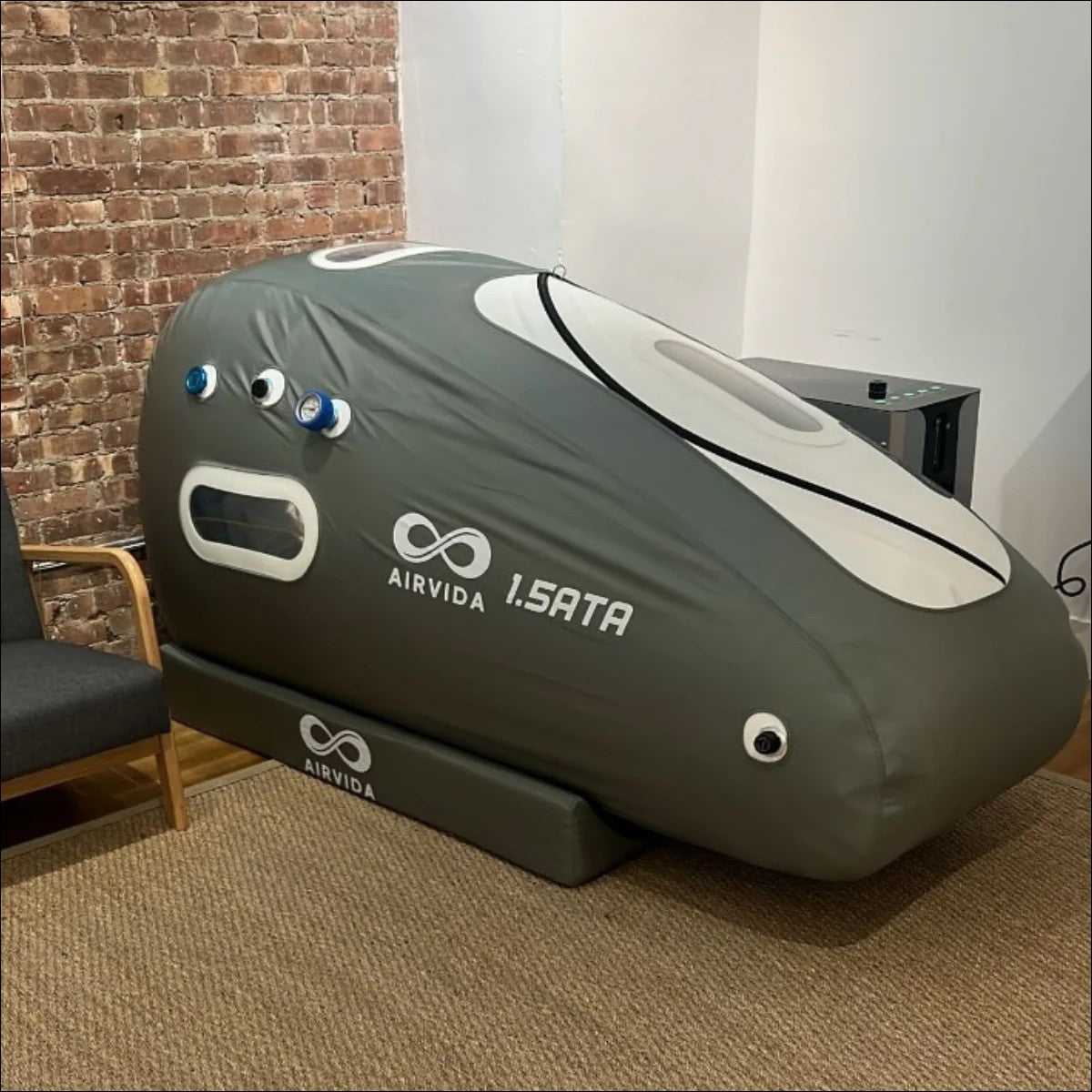
Soft hyperbaric chambers operate at lower pressures suited for wellness and general recovery support. They are not the right tool for acute, limb-threatening conditions and should not be confused with clinical-grade equipment when the situation is this serious. For a full walkthrough of what a clinical HBOT protocol involves from intake to discharge, the resource on hyperbaric chamber treatment covers the process clearly.
Risks and Side Effects Worth Knowing

HBOT is considered safe under proper medical supervision, but it is not completely without risk. The most common side effects include:
-
Ear and sinus pressure during pressurization, which can cause barotrauma if untreated
-
Temporary nearsightedness that typically resolves once the treatment course ends
-
Oxygen toxicity in rare cases, which can cause seizures if protocol limits are exceeded
-
Claustrophobia in some patients inside monoplace chambers
-
Fatigue in the early weeks of treatment
Serious complications are uncommon in accredited hyperbaric facilities with trained clinical staff. Patients with untreated pneumothorax, certain lung conditions, or those who cannot equalize ear pressure may not be candidates for treatment.
Insurance Coverage and What to Expect
Medicare covers HBOT for 14 approved diagnoses, and several directly apply to limb salvage situations, including diabetic foot ulcers at Wagner Grade 3 or higher and chronic osteomyelitis. Coverage typically requires documentation that the wound failed to improve after 30 days of standard wound care.
Private insurance varies significantly by plan and state. Some carriers follow Medicare criteria closely while others set stricter documentation requirements. Pre-authorization is almost always required before starting a course. Working with a wound care team experienced in the documentation process improves your chances of a successful claim considerably.
Hyperbaric Collections You May Want to Shop

When Oxygen Becomes the Last Line: Hyperbaric Oxygen Therapy for Limb Salvage
Amputation is not inevitable just because a wound has stopped responding. This therapy does not promise miracles, but it offers something real: a clinically supported way to restore the healing environment when the body can no longer do it alone.
At Airvida Chambers, we pride ourselves on offering the highest quality of hyperbaric chambers on the market, backed by only working with the most reliable partners in the industry. Whether you are a wound care clinic, hospital program, or wellness facility, Airvida provides chamber solutions built to the standards this level of care demands.
Frequently Asked Questions About Hyperbaric Oxygen Therapy for Limb Salvage
How does HBOT save a limb?
HBOT saves a limb by restoring oxygen to tissue that can no longer receive it through normal circulation.
Under high pressure, oxygen dissolves into blood plasma and reaches damaged, infected, or ischemic tissue. This restarts the healing process by enabling new blood vessel growth, boosting immune response, and killing anaerobic bacteria that thrive in low-oxygen wound environments. Without this oxygen supply, wounds stall and infection spreads, which is what pushes amputation closer as an outcome.
What conditions does it treat in limb salvage?
The most common qualifying conditions are diabetic foot ulcers, chronic osteomyelitis, critical limb ischemia, gas gangrene, and radiation tissue damage.
These are all situations where tissue oxygen levels are too low for standard treatments to work effectively. A hyperbaric physician reviews each case individually before approving treatment, since not every wound or vascular condition automatically qualifies under clinical or insurance criteria.
What happens during a treatment?
You lie inside a pressurized chamber and breathe 100% pure oxygen for about 90 minutes.
The chamber pressurizes to between 2.0 and 2.4 ATA for limb salvage protocols. Most patients rest, listen to audio, or simply lie still during the session. Some mild ear pressure during pressurization is normal. After 90 minutes, the chamber slowly depressurizes and you go home. Treatments are typically five days per week.
How many treatments are needed?
Most limb salvage protocols involve between 20 and 40 sessions, reviewed and adjusted based on wound response.
There is no fixed number because every wound and patient is different. Physicians reassess progress around sessions 10 to 15 using wound measurements and transcutaneous oxygen readings. If meaningful improvement is occurring, the course continues. Completing the full recommended course alongside wound care and vascular management leads to the best outcomes.
What are the risks?
The most common risks are ear barotrauma, temporary vision changes, and fatigue, all of which are manageable with proper supervision.
Oxygen toxicity is rare but possible if pressure or session length exceeds safe limits. Claustrophobia is a concern for some patients in smaller chambers. Serious complications are uncommon at accredited hyperbaric facilities. Patients with certain lung conditions or who cannot equalize ear pressure may not qualify as candidates.
Is it covered by insurance?
Medicare covers HBOT for several conditions that fall under limb salvage, including diabetic foot ulcers and chronic osteomyelitis, when documentation requirements are met.
Private insurance coverage varies by plan and state. Most carriers require pre-authorization and documentation showing the wound did not respond to at least 30 days of standard wound care. A wound care team experienced with hyperbaric billing can help build the documentation needed for a successful coverage approval.