Hyperbaric Oxygen Therapy Long Island
14 products
Showing 1 - 14 of 14 products
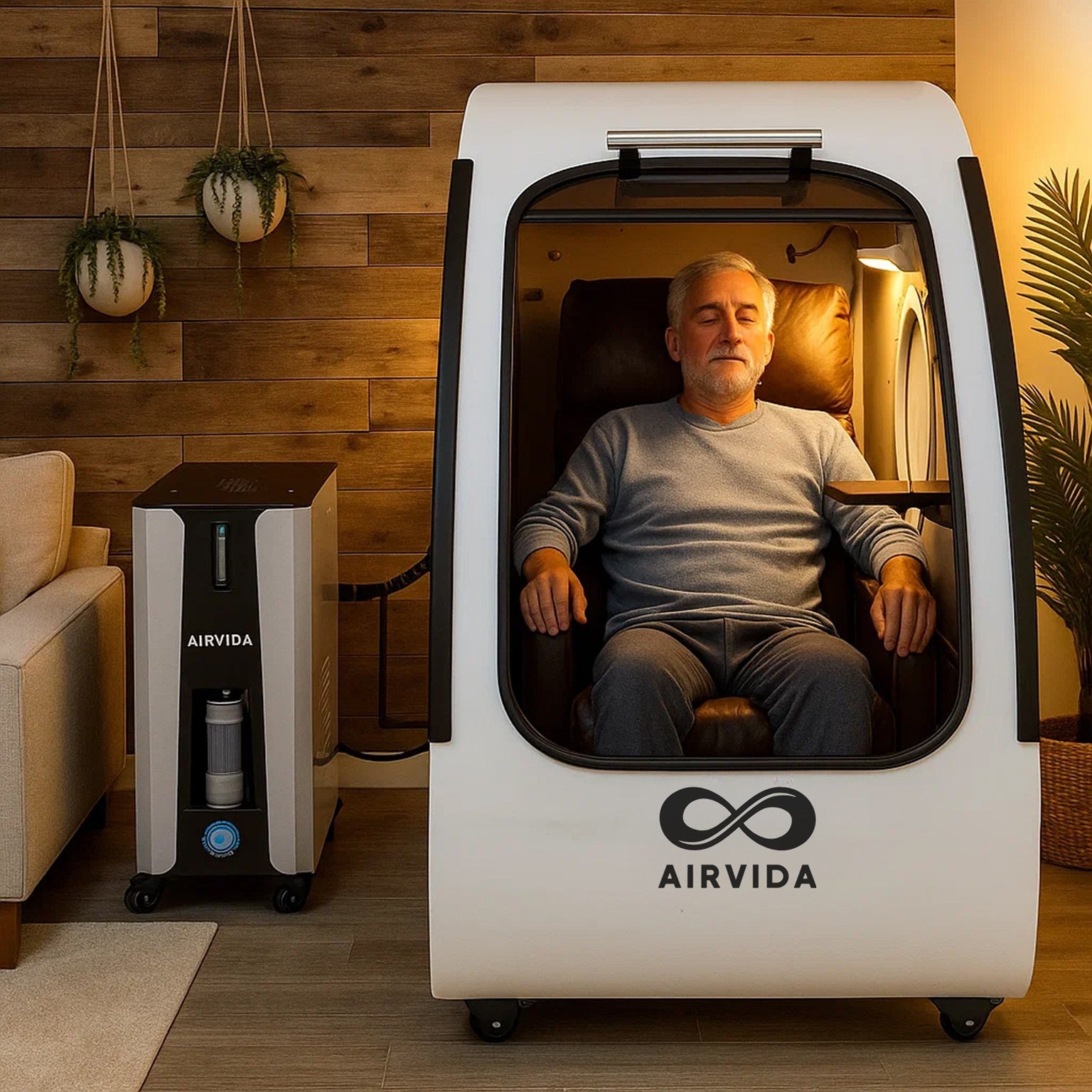
Hyperbaric oxygen therapy Long Island residents rely on work by pressurizing a sealed chamber with pure oxygen, forcing it into tissues at concentrations the body cannot achieve under normal atmospheric conditions. Owning a home chamber means consistent, daily access to that therapy without clinic appointments, travel costs, or the recurring expense of individual sessions.
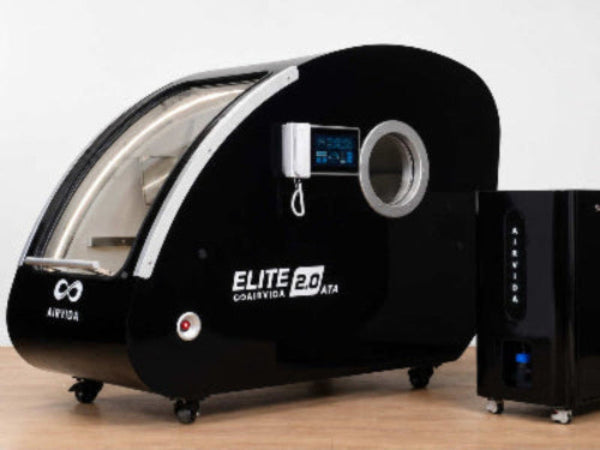
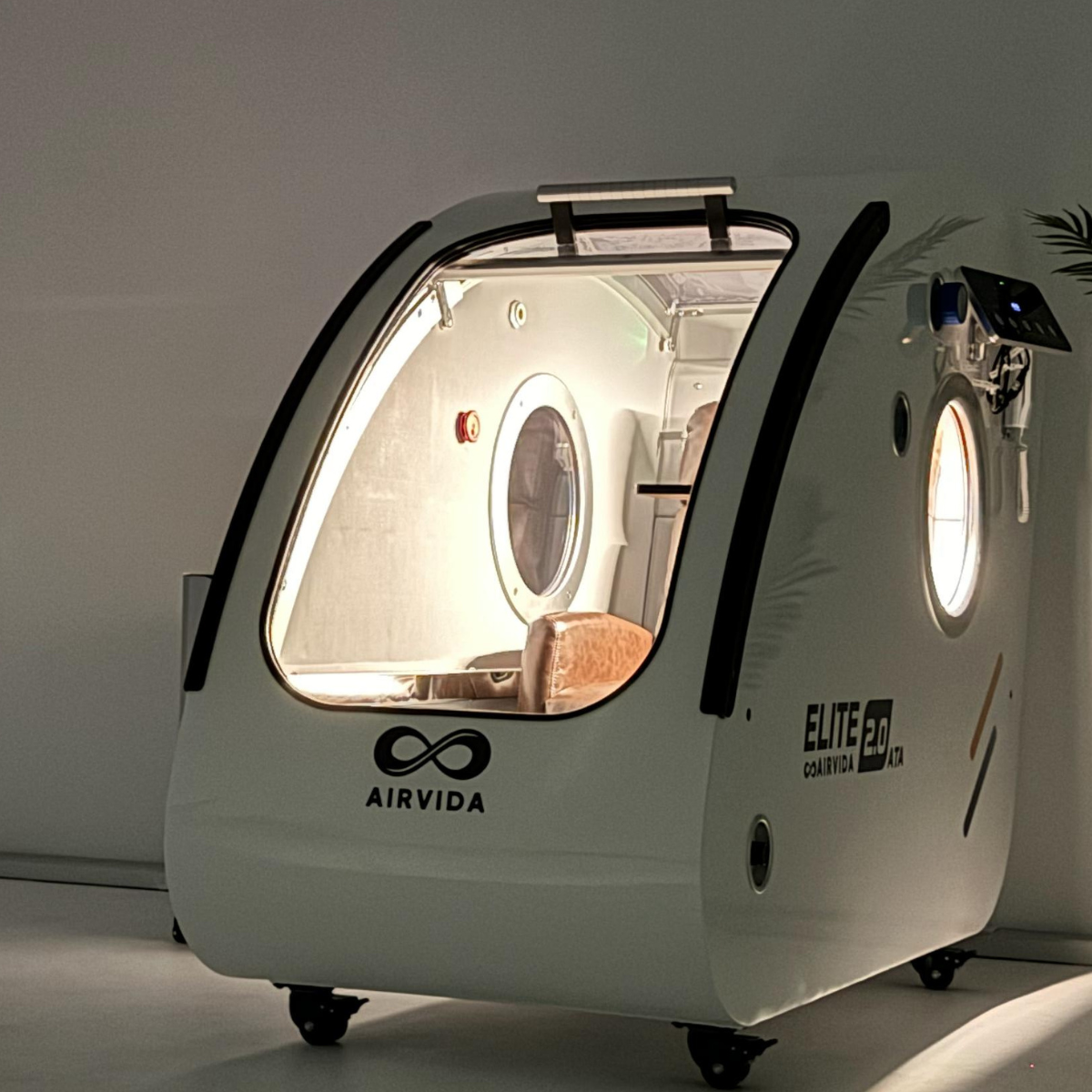
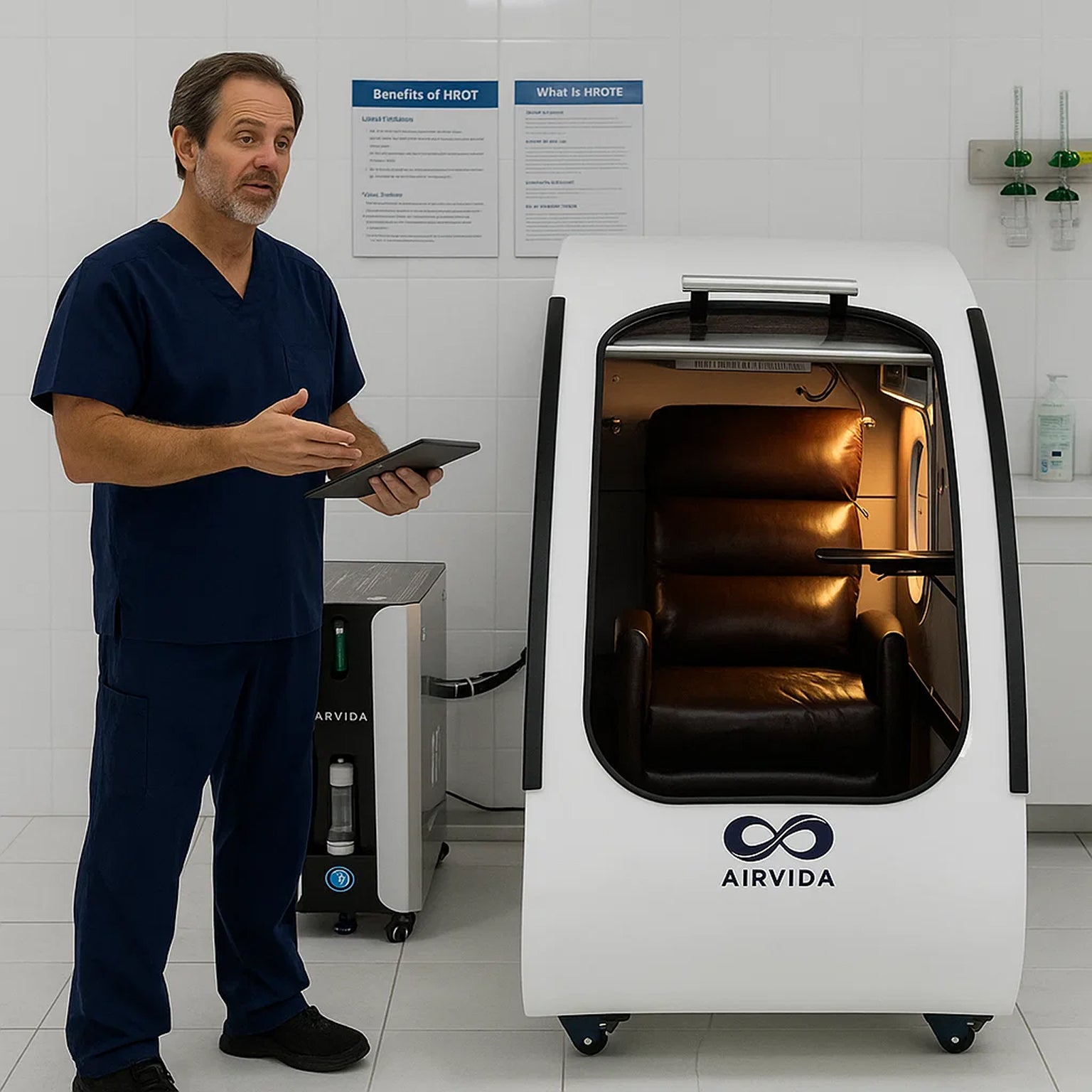
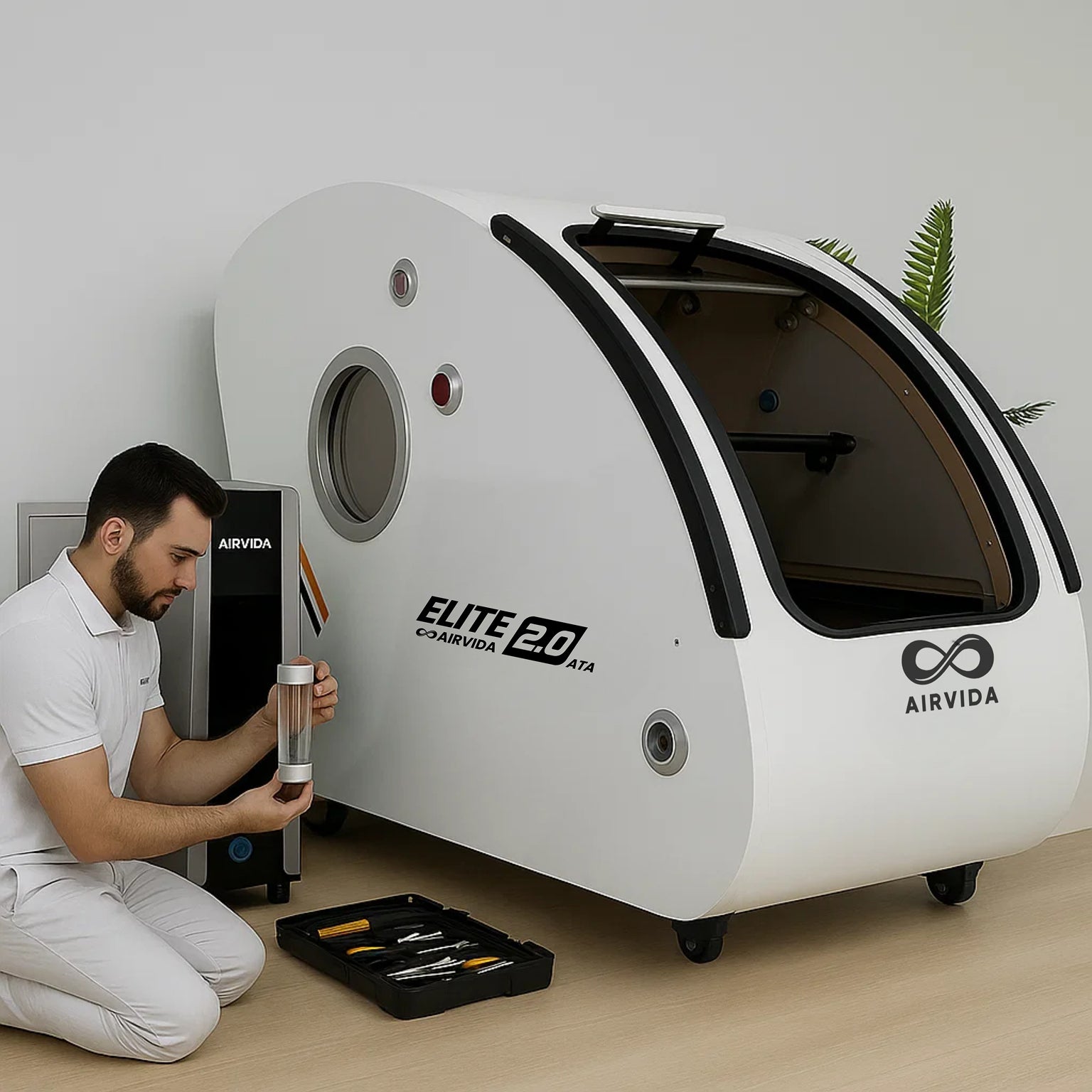
Airvida Chambers offers a complete range of soft, hard shell, and multiplace systems built for serious home use. Whether you are targeting faster athletic recovery, managing chronic inflammation, or supporting neurological health, every chamber in our collection is designed around your specific goals, your household, and your schedule.
Which Hyperbaric Chamber Is Right for Long Island Home Use
The correct system depends on your pressure requirements, how often you plan to use it, and how many people in your household will benefit. Long Island homeowners have three main configurations to consider, each suited to a different profile of use.
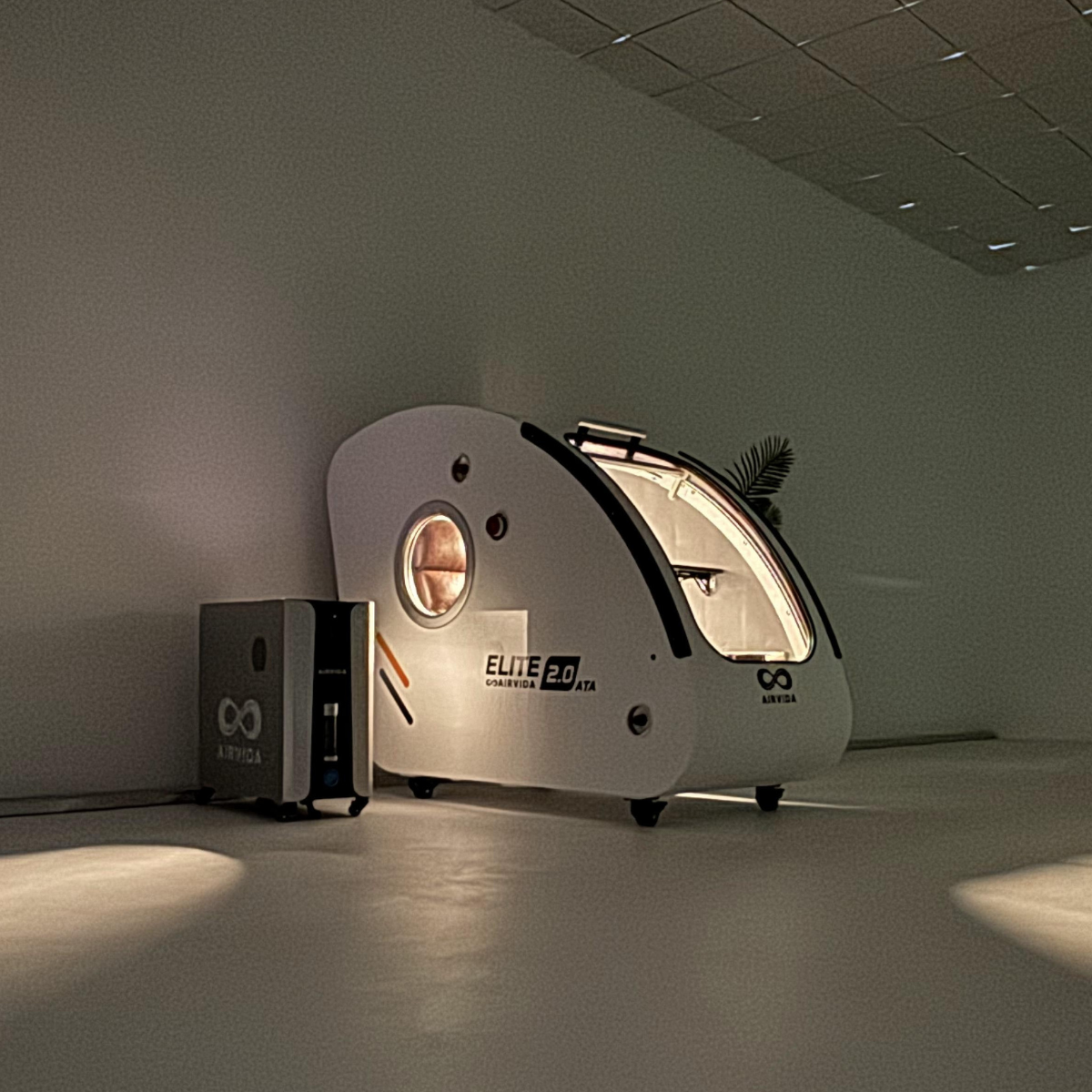
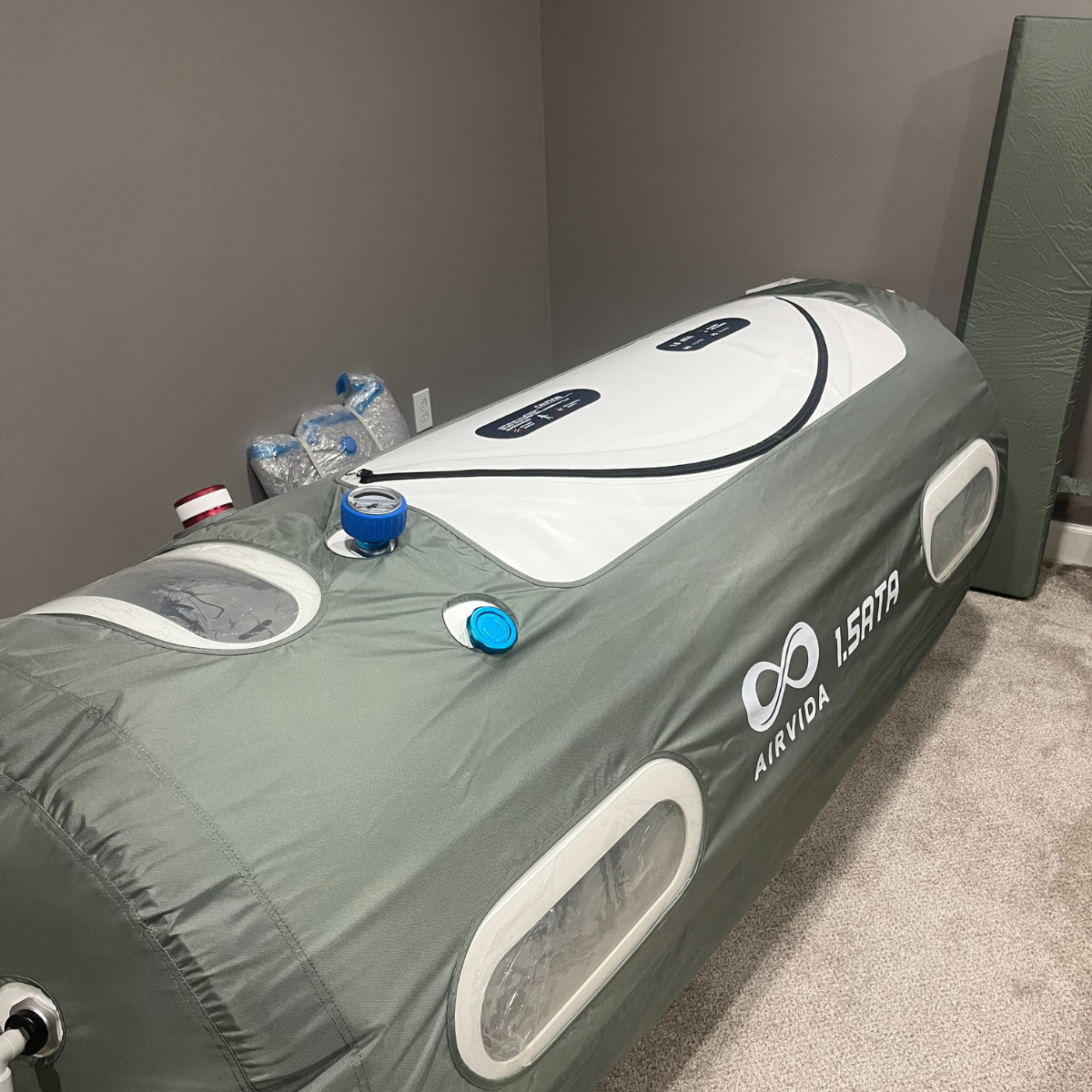
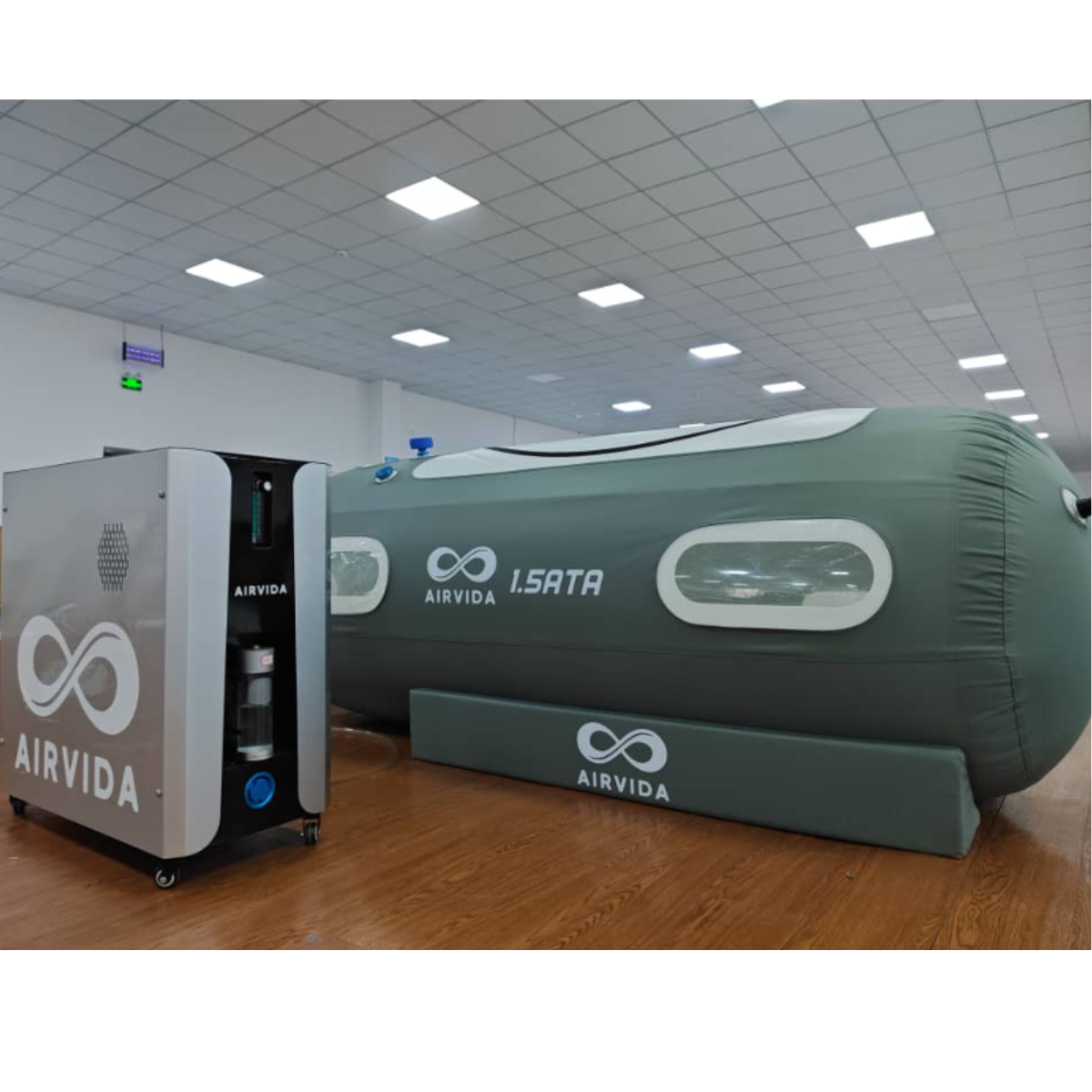
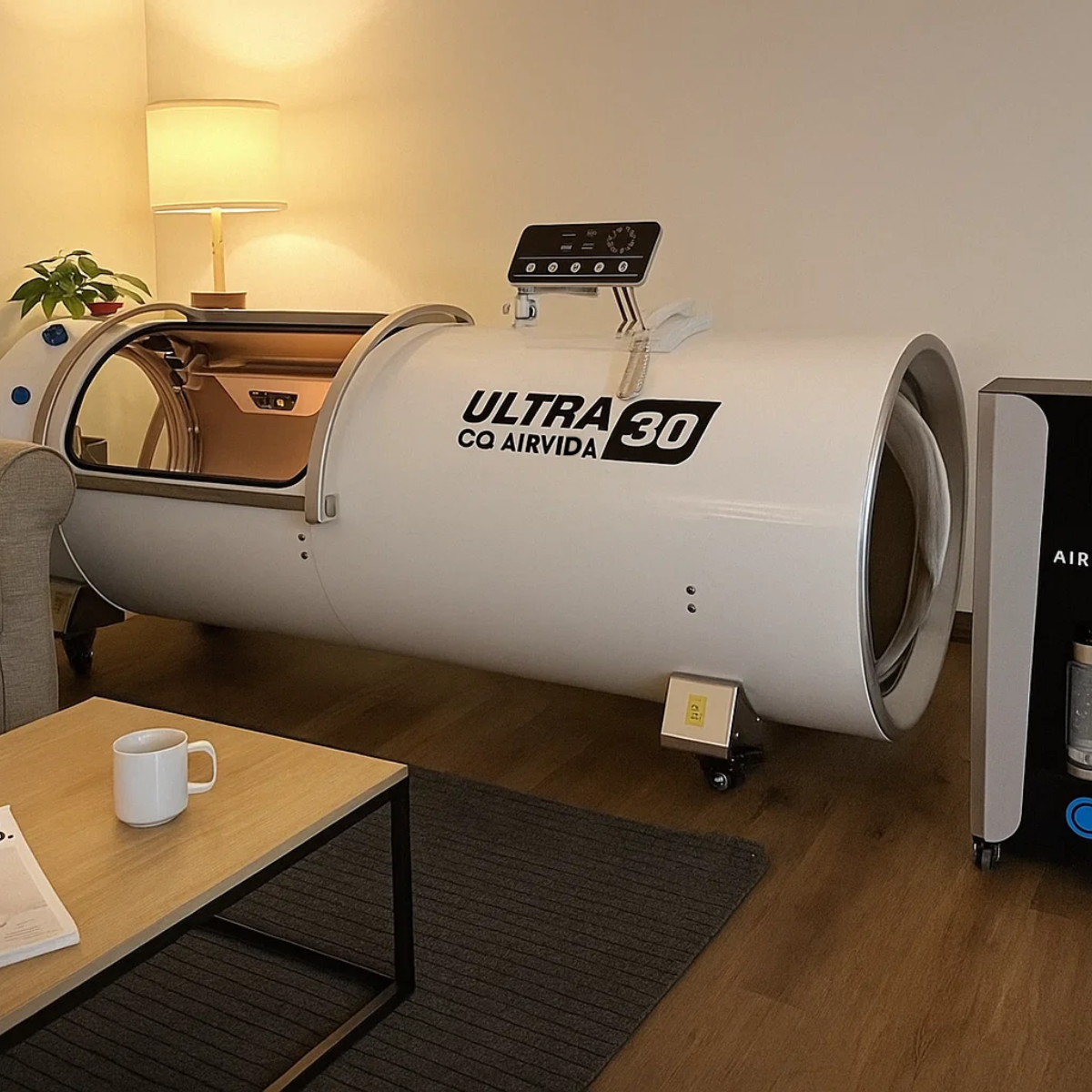
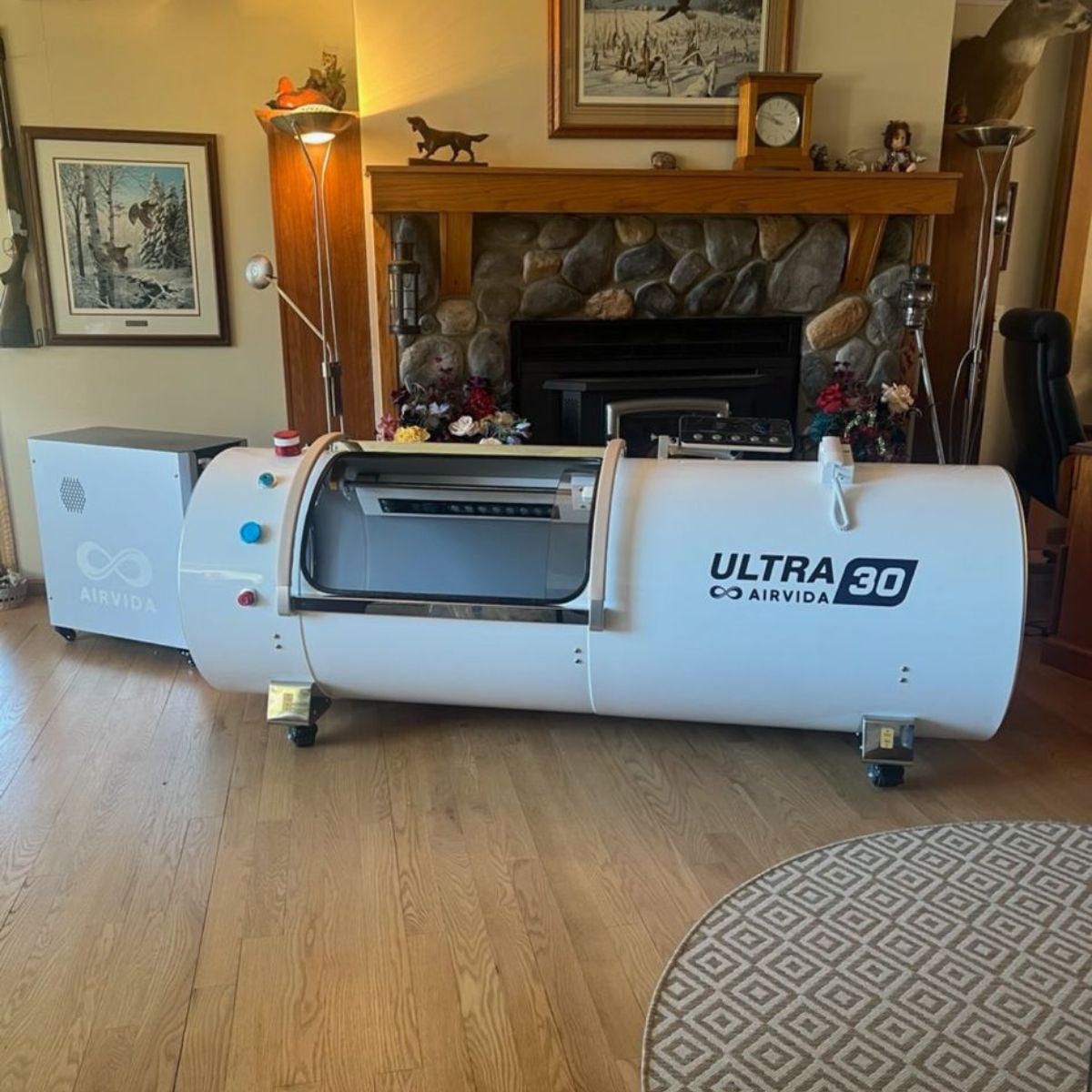
Soft hyperbaric chambers operate at 1.3 ATA and serve as the most practical entry point for general wellness and daily maintenance. They are lightweight, compact, and easy to set up in most rooms. Before purchasing, the best soft hyperbaric chamber guide covers the performance benchmarks worth evaluating in a home unit.
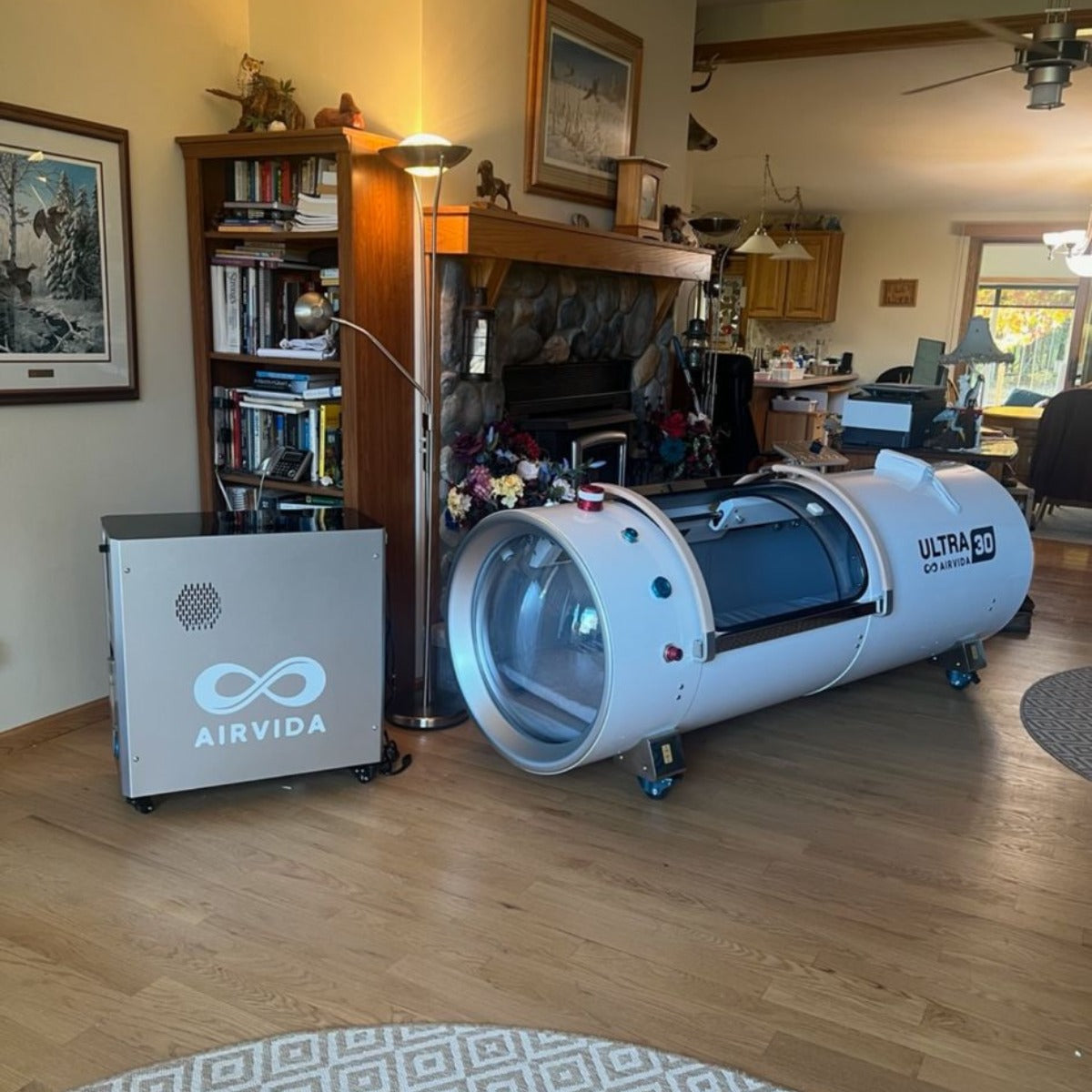
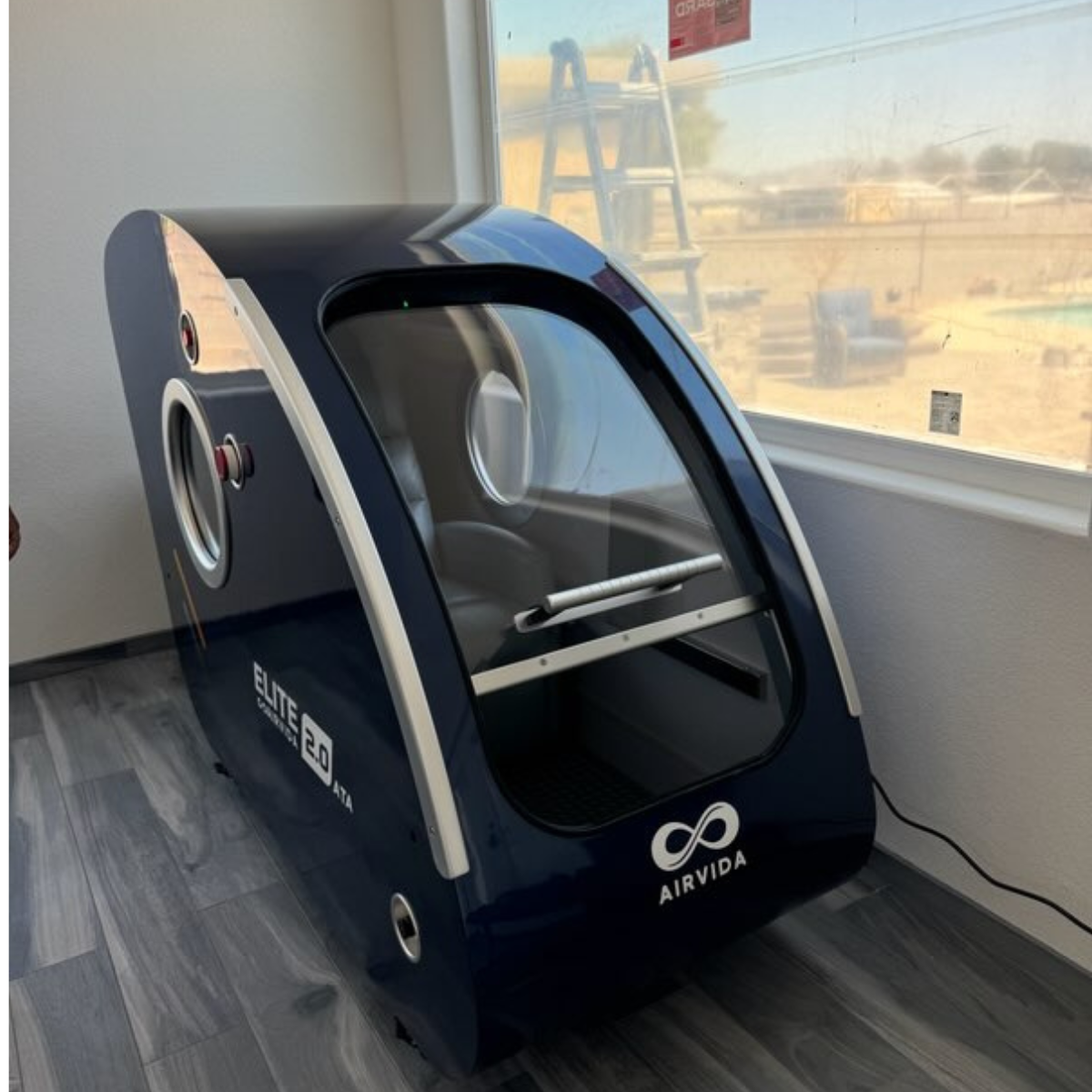
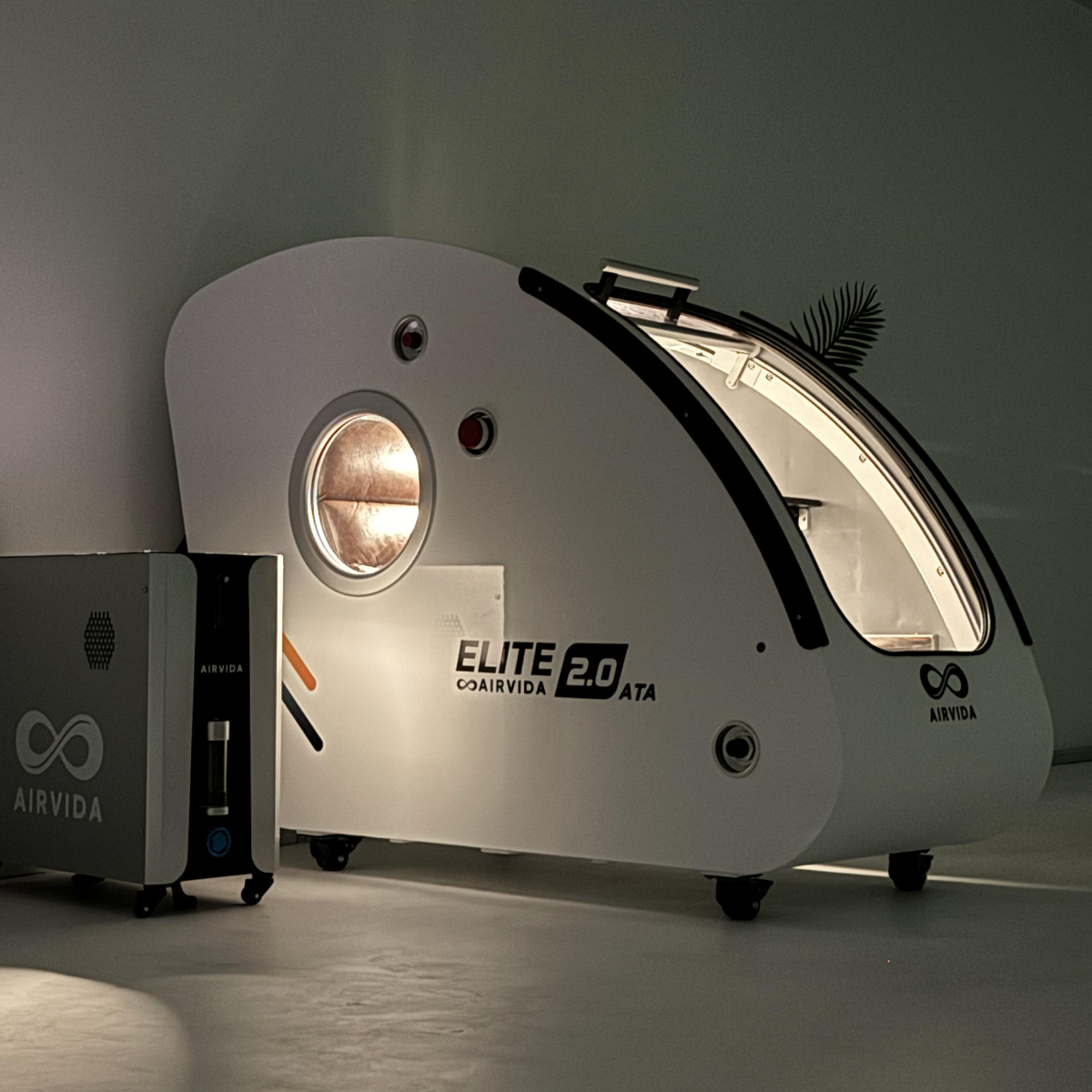
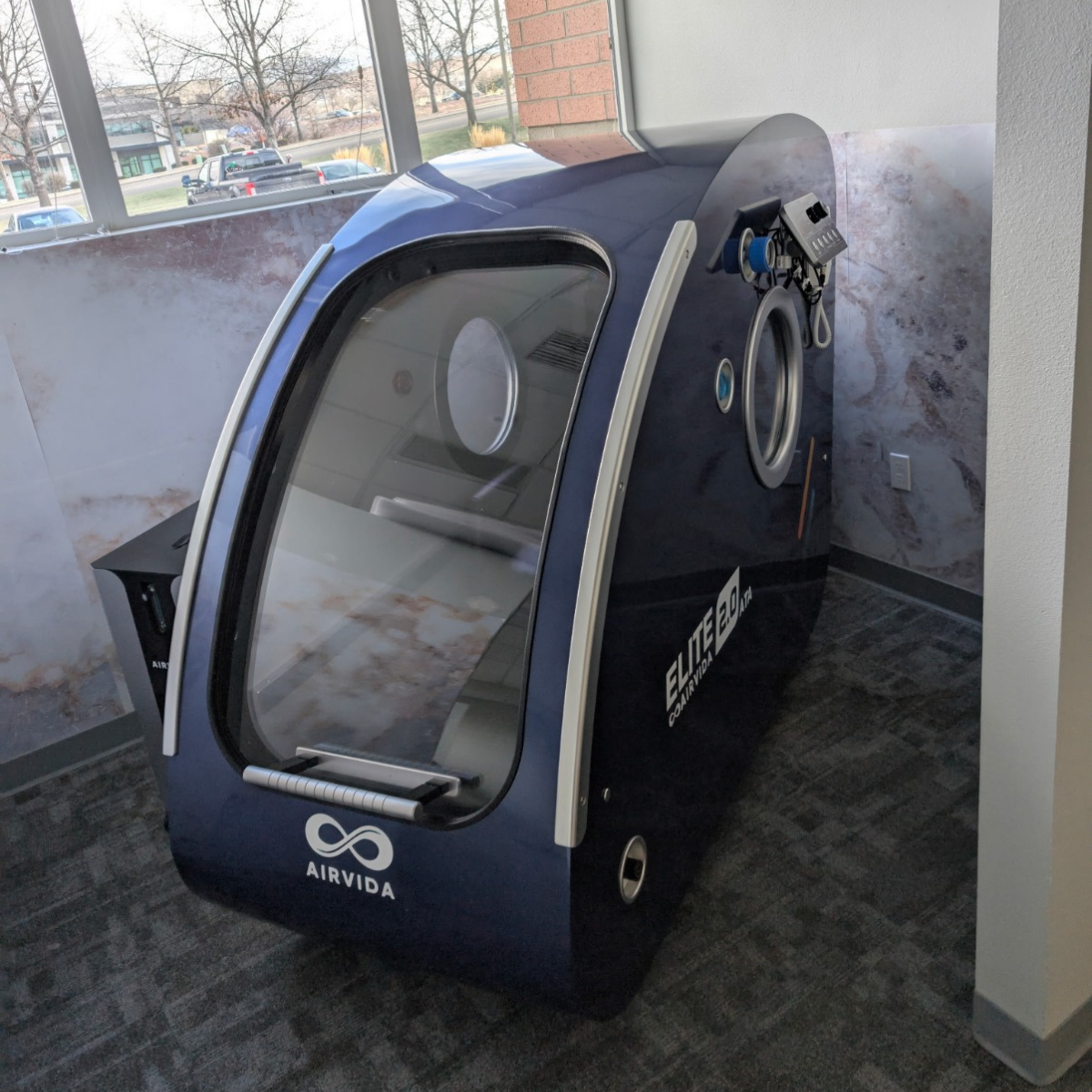
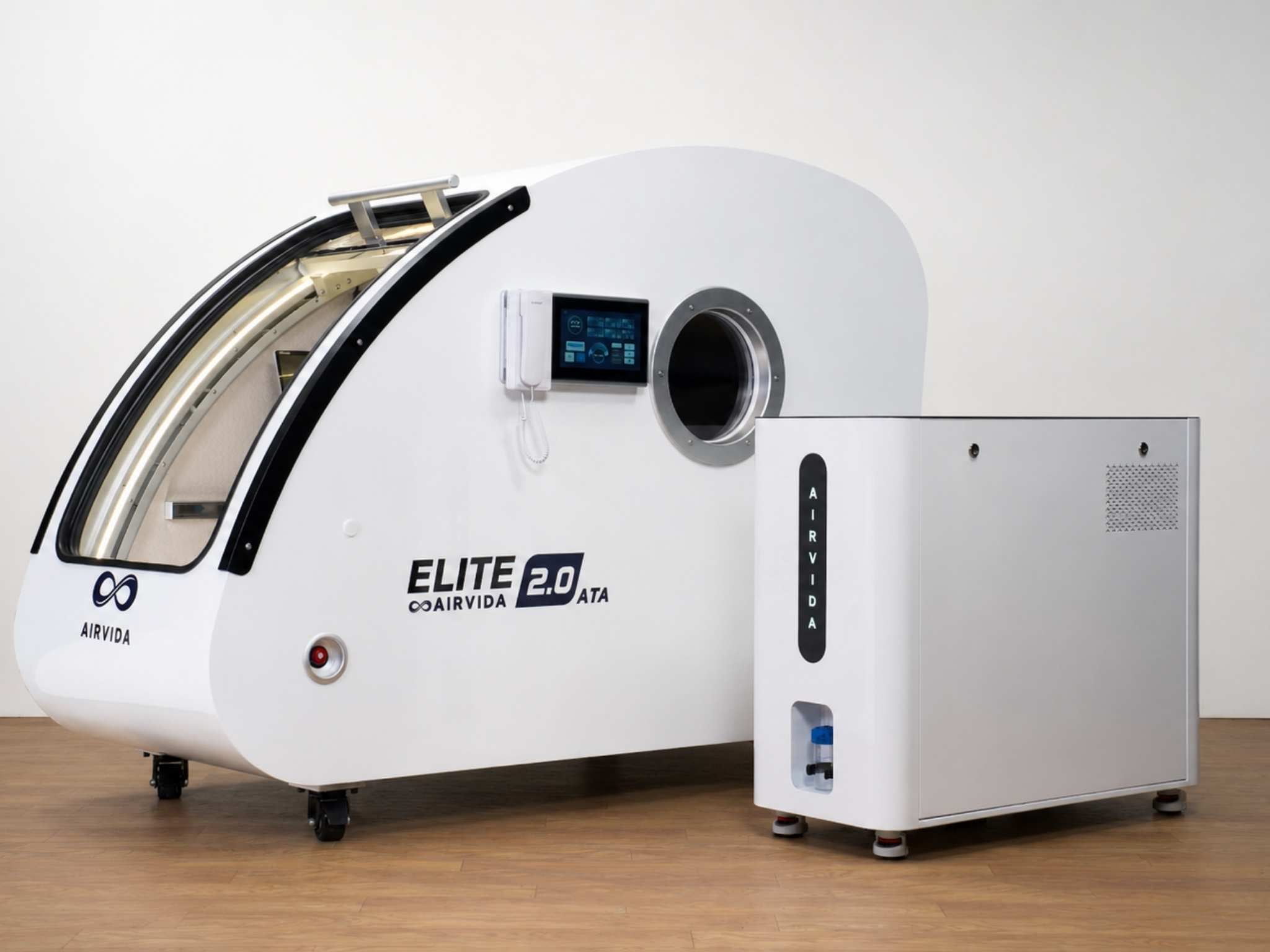
For clinical-level pressure, the hard shell hyperbaric chamber with BIBS systems reaches the atmospheres used in licensed facilities and is the preferred option for residents following physician-directed protocols or managing intensive health goals.
Multi-user households benefit most from multiplace hyperbaric chambers, which support two or more users per session and make consistent family therapy far more practical over time.
If you are still weighing your options, the hard vs soft hyperbaric chamber comparison covers pressure limits, material differences, and the specific situations where each type performs best.
How Pressurized Oxygen Therapy Works at an Elevated Atmosphere
During a session, the chamber pressurizes to between 1.3 and 3.0 ATA depending on the model selected. At these levels, oxygen dissolves directly into blood plasma, bypassing the normal hemoglobin-dependent delivery system and saturating tissues that standard circulation cannot fully oxygenate. The result is accelerated cellular repair, reduced inflammation, and recovery timelines that would otherwise take significantly longer.
-
Deep tissue oxygenation: Plasma-carried oxygen reaches damaged, hypoxic, or post-surgical tissue that standard blood flow leaves undersupplied
-
Stem cell mobilization: Studies show 20 or more consecutive sessions can stimulate stem cell release from bone marrow at up to eight times the baseline rate
-
Immune system support: HBOT alters white blood cell activity, supporting faster recovery from infection and reduced inflammatory flare cycles
-
Collagen production: Increased oxygen availability accelerates fibroblast activity, which is central to wound closure and connective tissue repair
Why Long Island Residents Are Replacing Clinic Visits With Home HBOT
Clinic-based hyperbaric oxygen therapy Long Island residents currently access comes with real friction: limited appointment windows, cumulative session costs, and time lost commuting to each visit. A home chamber removes every one of those barriers.
-
Session flexibility: Treat on your own schedule without advance booking or clinic waitlists
-
Frequency advantage: Daily home sessions produce substantially better outcomes than once-weekly clinical visits according to standard HBOT protocols
-
Cost efficiency over time: Most home chambers recover their full investment within 12 to 18 months compared to ongoing clinic use
-
Whole-household access: One chamber investment supports every member of the home
For a practical look at what ownership involves from day one, personal hyperbaric chambers walks through session setup, typical duration, and what to expect during the first weeks of consistent use.
The Home Hyperbaric Oxygen Therapy Long Island Homeowners Rely On
At Airvida Chambers, we pride ourselves on offering the highest quality of hyperbaric chambers on the market backed by only working with the most reliable partners in the industry. Every chamber is built for safe, consistent, and clinically effective home therapy across Long Island. Whether you start with a soft model or invest in a hard shell clinical system, you get professional-grade oxygen therapy on your own schedule, without a clinic. Shop the full collection today.
Frequently Asked Questions
How quickly does hyperbaric therapy work?
Results vary based on the condition being treated and session frequency. Many users notice improvements in energy and sleep quality after 5 to 10 sessions. For more complex conditions such as wound healing or neurological recovery, most clinical protocols recommend 20 to 40 consecutive sessions before evaluating outcomes. Daily access to a home chamber gives users the best chance of reaching those frequency targets consistently.
Does Tom Brady use HBOT?
Yes. Tom Brady has publicly discussed hyperbaric oxygen therapy as part of his personal longevity and recovery protocol. He has cited it alongside sleep optimization, anti-inflammatory nutrition, and pliability training as a consistent part of maintaining peak physical performance across an extended career.
When should oxygen therapy be stopped?
Therapy is typically paused or discontinued when the treatment goal has been achieved, symptoms resolve, or a medical provider advises stopping. Anyone using HBOT for a specific condition should follow a physician-directed protocol with periodic check-ins to evaluate progress. For general wellness use, many users shift to a maintenance schedule rather than stopping completely.
Is HBOT once a week enough?
Once a week can support general wellness, but most established HBOT protocols recommend 3 to 5 sessions per week for measurable therapeutic outcomes. Conditions such as wound healing, neurological recovery, and chronic inflammation typically require higher frequency to produce consistent results. Owning a home chamber makes near-daily sessions practical without the scheduling limitations of clinic-based therapy.
Can you ever get off of oxygen therapy?
For general wellness users, many complete a focused protocol and then shift to periodic maintenance sessions rather than stopping entirely. For medically prescribed oxygen therapy, discontinuation depends on the underlying condition, the degree of improvement, and physician guidance. No decision to stop or reduce oxygen therapy should be made without consulting a licensed healthcare provider.
What will 7 minutes of no oxygen do to the brain?
Brain cell death begins within approximately 4 to 6 minutes of oxygen deprivation due to the collapse of aerobic metabolism. By 7 minutes, significant and often irreversible neurological damage is likely. This physiological reality is central to hyperbaric oxygen therapy research, since delivering oxygen under elevated pressure can enhance cellular repair, support neuroprotection, and in some cases reverse hypoxia-related damage when applied within therapeutic windows.