



Epilepsy vagus nerve stimulator therapy is a proven treatment option for people with epilepsy who do not respond well to medication. It works by sending controlled electrical signals to the vagus nerve, helping reduce seizure frequency and severity over time.
For individuals seeking non-drug epilepsy support, this approach offers long-term seizure management, improved quality of life, and fewer medication side effects when used correctly. When combined with regular medical guidance and complementary therapies, patients may experience more consistent symptom control, greater daily functioning, and enhanced overall well-being over time.
Understanding Epilepsy and the Vagus Nerve Connection

Epilepsy is a neurological condition marked by recurring seizures caused by abnormal electrical activity in the brain. While many patients respond to anti-seizure medications, nearly one-third continue to experience uncontrolled seizures despite trying multiple drugs.
The vagus nerve plays a critical role in regulating brain activity, mood, heart rate, and inflammation. It acts as a communication highway between the brain and vital organs. Because of this wide influence, stimulating the vagus nerve has shown measurable benefits in controlling seizure activity.
The vagus nerve connects directly to brain regions involved in seizure regulation. By gently stimulating this nerve, electrical patterns in the brain may be stabilized over time. For a deeper anatomical overview, see where is the vagus nerve located?, which explains its pathways and role in neurological signaling.
What Is an Epilepsy Vagus Nerve Stimulator?
An epilepsy vagus nerve stimulator is a small medical device implanted under the skin of the chest. A thin wire connects the device to the vagus nerve on the left side of the neck. The stimulator delivers regular, mild electrical pulses to the nerve at programmed intervals.
These pulses travel to the brain and help reduce abnormal electrical signals that cause seizures.
Key Components of the Device
-
Implantable pulse generator
-
Lead wire attached to the vagus nerve
-
External programming device for physicians
-
Magnet for manual stimulation during seizure onset
The device works continuously in the background and can also be activated manually if a patient senses an oncoming seizure. In some care plans, this approach is combined with supportive wellness environments, such as access to a hyperbaric chamber, where oxygen-based therapies may be explored under professional guidance.
Vagus Nerve Device You May Want to Shop
Explore More
Why Vagus Nerve Stimulation Is Used for Epilepsy
Vagus nerve stimulation was developed as an alternative for patients who are not candidates for brain surgery or who do not achieve seizure control with medication alone. By providing gentle, targeted nerve stimulation, this therapy offers a non-invasive option that may help reduce seizure frequency and improve overall neurological stability.
Why This Approach Works
The vagus nerve influences neurotransmitter release, including serotonin and norepinephrine, which help regulate brain excitability. Stimulation helps calm hyperactive neural circuits linked to seizures.
Unlike medications that affect the entire body, vagus nerve stimulation targets specific neurological pathways, reducing systemic side effects.
How Epilepsy Vagus Nerve Stimulator Therapy Works

The stimulator sends pulses at set intervals, usually every five minutes, for about 30 seconds each cycle. These parameters are carefully customized based on individual patient response, ensuring optimal effectiveness. Over time, adjustments may be made to enhance seizure control, maximize comfort, and support overall neurological health under medical supervision.
Step-by-Step Process
-
Device implantation during a short surgical procedure
-
Initial programming after healing
-
Gradual adjustment over weeks or months
-
Long-term seizure monitoring
Over time, many patients experience progressive improvement rather than immediate seizure elimination.
Who Is a Good Candidate for Vagus Nerve Stimulation?
This therapy is not the first-line treatment for epilepsy. It is typically recommended for individuals with seizures that are resistant to medications, those who cannot undergo brain surgery, or patients seeking alternative options to complement their current treatment plan. Careful evaluation by a neurologist ensures its safe and effective use.
-
Drug-resistant epilepsy
-
Partial-onset or generalized seizures
-
Ineligibility for brain surgery
-
Poor tolerance to seizure medications
Children and adults may both qualify, depending on seizure type and medical history.
Who Should Avoid a Vagus Nerve Stimulator
Vagus nerve stimulation may not be suitable for individuals with certain heart conditions, implanted medical devices, or a history of severe vocal cord or throat problems. A thorough medical evaluation is essential to determine candidacy, ensuring the therapy is safe, appropriate, and tailored to each patient’s specific health needs.
-
Certain heart rhythm disorders
-
Active infections near implantation site
-
Severe breathing disorders like untreated sleep apnea
-
Dependence on other implanted electrical devices
A thorough neurological and cardiac evaluation is required before proceeding.
Benefits of Epilepsy Vagus Nerve Stimulator Therapy
Clinical studies show that many patients experience meaningful seizure reduction over time. While individual results vary, consistent use of vagus nerve stimulation, combined with ongoing medical supervision, can help improve daily functioning, reduce the severity and frequency of seizures, and enhance overall quality of life for those living with epilepsy.
Common Benefits
-
30–50 percent seizure reduction within 1–2 years
-
Improved mood and alertness
-
Reduced emergency hospital visits
-
Better sleep patterns
Some patients also report improvements in depression and anxiety symptoms, which commonly coexist with epilepsy. These effects may relate to broader neurological support strategies, including oxygen-based wellness approaches such as hyperbaric stroke therapy, which is sometimes explored for its potential role in supporting brain health and emotional regulation under professional supervision.
Limitations and Considerations

While beneficial, vagus nerve stimulation is not a cure for epilepsy.
Important Limitations
-
Seizures may still occur
-
Results vary between individuals
-
Ongoing medical follow-up is required
-
Battery replacement needed every 5–10 years
Side effects are usually mild and occur during stimulation cycles.
Common Side Effects of Vagus Nerve Stimulation
Most side effects decrease over time or with adjustment. Initial experiences such as mild hoarseness, throat discomfort, or tingling sensations often improve as the body adapts. Healthcare providers can fine-tune stimulation settings to minimize discomfort, helping patients continue therapy safely while maintaining its potential benefits for seizure control and overall well-being.
Typical Side Effects
-
Hoarseness or voice changes
-
Throat tingling
-
Mild cough
-
Neck discomfort
These effects usually occur only during stimulation and are not constant.
Comparing Epilepsy Treatment Options
|
Treatment Option |
Seizure Control |
Invasiveness |
Long-Term Use |
|
Anti-seizure medication |
Moderate |
Low |
Ongoing |
|
Brain surgery |
High (selected cases) |
High |
Permanent |
|
Vagus nerve stimulation |
Moderate to high |
Medium |
Long-term |
This therapy is often used alongside medications rather than replacing them entirely.
Natural Vagus Nerve Support vs Medical Stimulation
Medical stimulation uses precise electrical signals, while natural methods aim to strengthen vagal tone through lifestyle practices.
Natural approaches include breathing exercises, cold exposure, and meditation. For a deeper understanding, read this article: How to Heal the Vagus Nerve Naturally, which explains non-invasive techniques that support nervous system balance.
Medical stimulation is significantly more powerful and clinically validated for epilepsy control.
Role of Hyperbaric Oxygen Therapy in Neurological Support

While not a replacement for vagus nerve stimulation, hyperbaric oxygen therapy (HBOT) is increasingly explored for neurological health support.
Increased oxygen availability may help reduce neuroinflammation and improve brain metabolism.
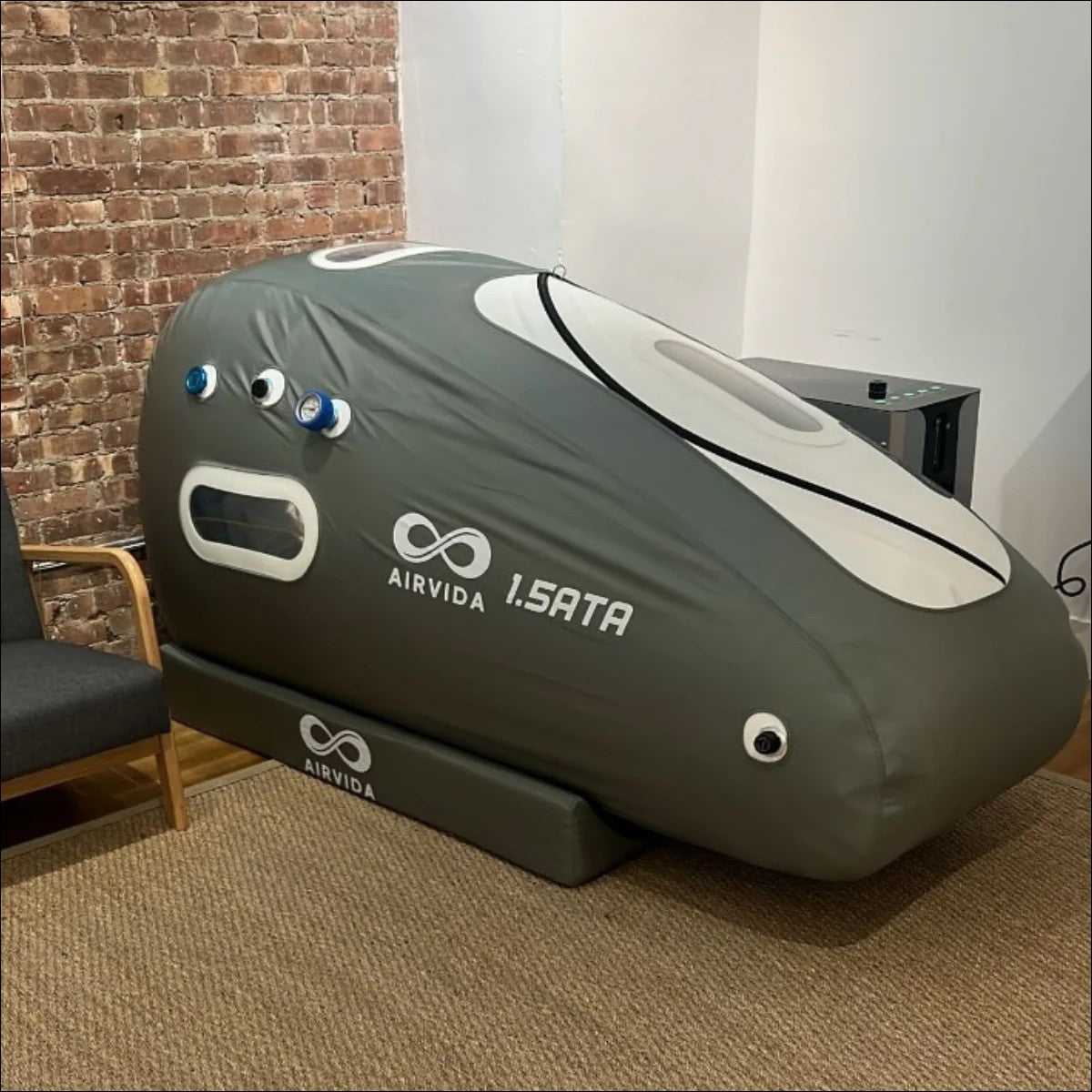
Patients exploring complementary therapies often consider services such as hyperbaric oxygen therapy.
Hyperbaric Collections You May Want to Shop

Long-Term Outcomes and Success Rates
Studies show that seizure reduction improves progressively with continued use.
|
Time on Therapy |
Average Seizure Reduction |
|
6 months |
20–30% |
|
1 year |
30–40% |
|
2 years |
40–60% |
Some patients achieve long periods of seizure freedom, though this is not guaranteed.
Living With an Epilepsy Vagus Nerve Stimulator
Daily life with a stimulator is generally normal.
Practical Tips
-
Carry your stimulator magnet
-
Attend regular follow-ups
-
Report changes in seizure patterns
-
Avoid strong electromagnetic fields
Most people return to work and daily routines within weeks of implantation.
How the Vagus Nerve Influences Brain Function
The vagus nerve affects emotional regulation, memory, and seizure thresholds. Understanding its role helps explain why stimulation works.
For a deeper explanation, review this detailed breakdown of vagus cranial nerve function, which explains its neurological importance beyond epilepsy.
Final Thoughts: Epilepsy Vagus Nerve Stimulator Therapy
An epilepsy vagus nerve stimulator offers hope for individuals struggling with uncontrolled seizures. By targeting a critical neurological pathway, it provides long-term seizure reduction, improved quality of life, and an alternative when medications fall short.
While it is not a cure, it remains one of the most reliable non-drug epilepsy treatments available today when carefully selected and properly managed.
Frequently Asked Questions About Epilepsy Vagus Nerve Stimulator
Does vagus nerve stimulation help epilepsy?
Yes, vagus nerve stimulation helps reduce seizure frequency and severity in many epilepsy patients who do not respond to medication. Clinical studies show gradual improvement over time, with many individuals experiencing fewer and less intense seizures after consistent therapy. While results vary, it is widely recognized as an effective adjunct treatment rather than a standalone cure.
Who should not use a vagus nerve stimulator?
People with certain heart rhythm disorders, breathing issues, or implanted electrical devices may not be suitable candidates. A thorough medical evaluation is essential before implantation. Patients with unmanaged sleep apnea, significant cardiac conditions, or active infections near the implant site may face higher risks and should explore alternative options.
What is the success rate of vagus nerve stimulation for epilepsy?
Approximately 40 to 60 percent of patients achieve meaningful seizure reduction after long-term use. Improvement often increases over time rather than occurring immediately. Many individuals also report better alertness and mood, contributing to overall quality of life even if seizures are not fully eliminated.
Can you use electrical stimulation with epilepsy?
Yes, controlled electrical stimulation is widely used and considered safe when medically supervised. Unlike random electrical exposure, therapeutic stimulation targets specific nerves with carefully programmed settings. Vagus nerve stimulation has decades of clinical research supporting its safety and effectiveness for epilepsy management.