


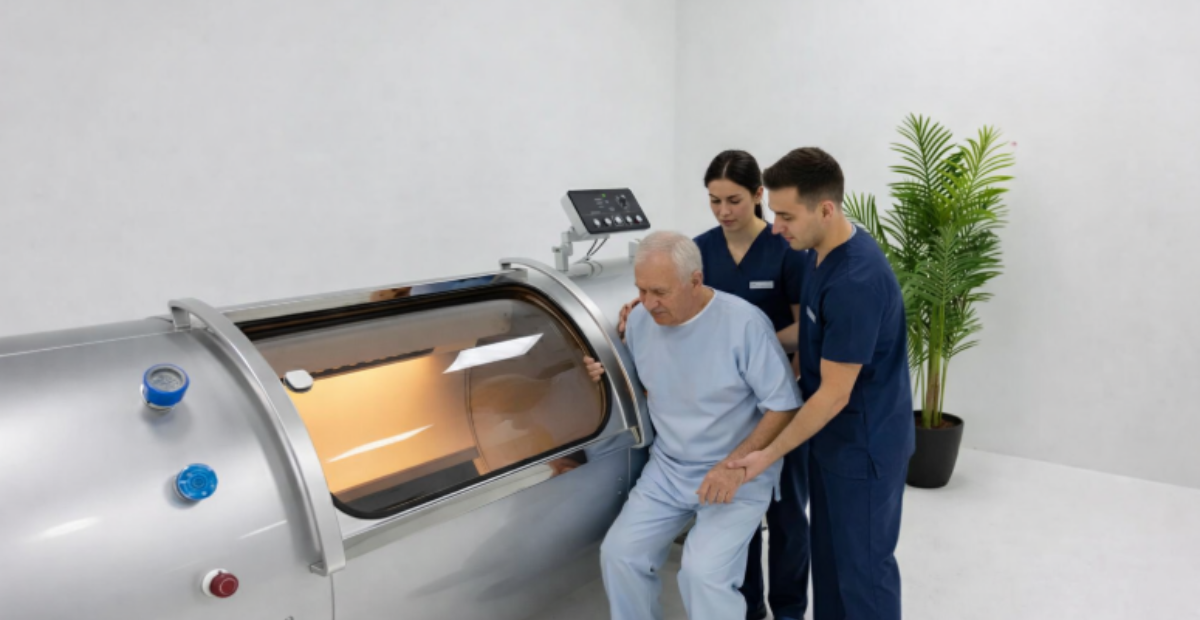
Alzheimer’s disease is a progressive neurological condition that affects memory, thinking, and behavior. Over time, brain cells lose their ability to communicate effectively, leading to gradual cognitive decline. While genetics and age play a role, reduced blood flow and oxygen delivery to the brain are also closely linked to disease progression.
The brain uses about 20 percent of the body’s oxygen supply. When oxygen delivery is impaired, neurons struggle to repair themselves and remove metabolic waste. This is why therapies that support circulation and oxygenation are gaining attention as complementary approaches in Alzheimer’s care.
What Is Hyperbaric Oxygen Therapy?

Hyperbaric oxygen therapy, often shortened to HBOT, involves breathing oxygen in a pressurized environment. Inside the chamber, atmospheric pressure is increased, allowing oxygen to dissolve more efficiently into the bloodstream and reach tissues that may not receive adequate oxygen under normal conditions.
Unlike surface-level oxygen therapy, hyperbaric sessions deliver oxygen at higher concentrations, allowing it to reach deeper into tissues. This approach, used for decades in wound care, neurological recovery, and inflammation management, is also available through hyperbaric chamber Birmingham, AL for those seeking advanced oxygen-based wellness options.
How a Hyperbaric Chamber Works
A hyperbaric chamber is a sealed unit where pressure is gradually increased while the user breathes oxygen comfortably. Sessions are typically calm and supervised, making them suitable for individuals who may need assistance or monitoring.
Key physiological effects include:
-
Increased oxygen saturation in blood plasma
-
Improved circulation to oxygen-deprived tissues
-
Support for cellular repair mechanisms
These effects form the foundation for why hyperbaric therapy is being explored in cognitive and neurological support. Researchers and wellness practitioners continue to examine how oxygen availability may influence brain metabolism, circulation, and cellular resilience, while emphasizing that outcomes can vary and should complement, not replace, professional medical guidance.
Hyperbaric Collections You May Want to Shop

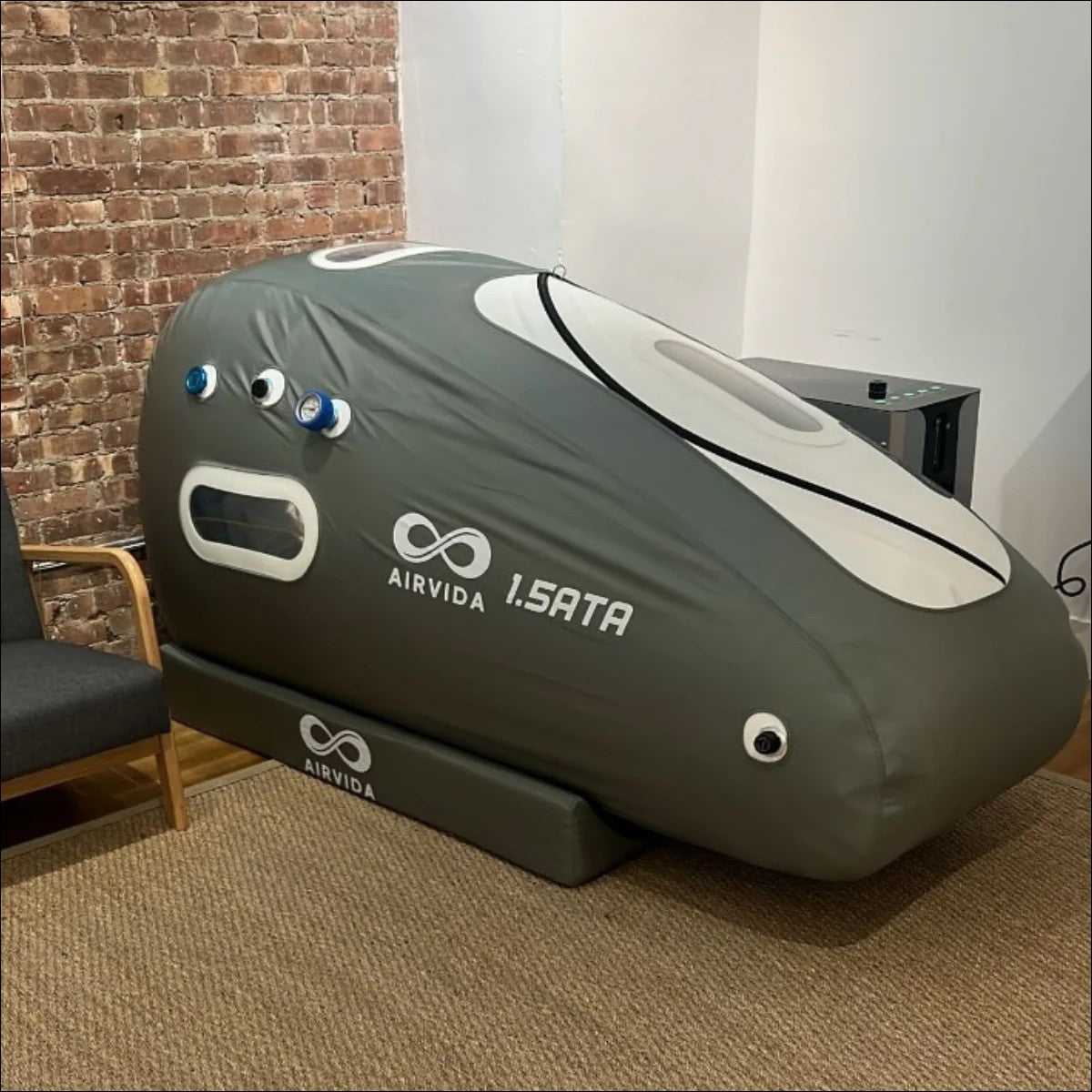
Why Oxygen Therapy Is Being Studied for Alzheimer’s Support
Alzheimer’s is associated with reduced cerebral blood flow and impaired oxygen metabolism. Over time, this creates an environment where neurons are more vulnerable to inflammation and oxidative stress.
Researchers and clinicians are examining how oxygen-rich environments may support brain function by:
-
Enhancing blood flow to affected brain regions
-
Supporting mitochondrial activity in neurons
-
Reducing inflammatory responses linked to cognitive decline
While hyperbaric therapy is not a cure, its role as a supportive modality is drawing interest among caregivers and wellness professionals. This growing curiosity often overlaps with broader nervous system research, including conditions discussed in the article Vagus Nerve Disorders: What They Are and How They Affect You, where regulation and recovery-focused approaches are increasingly explored.
Potential Benefits of Hyperbaric Therapy for Cognitive Health

The interest in hyperbaric therapy for neurological conditions stems from its systemic effects rather than targeting a single symptom. For Alzheimer’s patients, these benefits may be indirect yet meaningful when integrated into a broader care approach.
Supporting Brain Oxygenation and Circulation
Improved oxygen availability helps brain cells perform essential functions more efficiently. Neurons rely on oxygen to maintain electrical signaling and clear metabolic waste. Enhanced circulation may help support these processes.
Addressing Inflammation and Cellular Stress
Chronic inflammation is a known contributor to neurodegenerative diseases. Oxygen-rich environments may help modulate inflammatory pathways, supporting healthier cellular conditions, an approach also explored in hyperbaric stroke therapy programs that focus on neurological support and recovery.
Quality of Life Considerations
Many caregivers focus on maintaining comfort, clarity, and engagement rather than disease reversal. Supportive therapies that promote relaxation and circulation may play a role in daily well-being. This approach prioritizes quality of life, helping individuals feel more at ease while supporting routines that encourage mental presence and physical comfort.
Comparing Supportive Approaches for Alzheimer’s Care

Alzheimer’s care is multifaceted and often combines medical, lifestyle, and supportive therapies. Below is a comparison of common approaches and how they contribute differently.
|
Support Approach |
Primary Focus |
Role in Care |
|
Medications |
Symptom management |
May slow progression temporarily |
|
Cognitive therapy |
Mental engagement |
Supports memory and routine |
|
Nutrition support |
Brain fuel |
Addresses deficiencies |
|
Oxygen-based therapy |
Circulation and oxygenation |
Supports cellular health |
How Hyperbaric Chambers Are Used in Supportive Care
Hyperbaric sessions are typically scheduled several times per week depending on individual tolerance and care goals. For Alzheimer’s patients, sessions are often shorter and closely monitored to ensure comfort.
Caregivers usually look for:
-
Calm, quiet chamber environments
-
Easy entry and exit designs
-
Clear communication and supervision
Facilities offering hyperbaric solutions often tailor sessions to individual needs rather than using a one-size-fits-all approach. If you are exploring localized options, you may find regional availability through collections such as hyperbaric chamber Wilmington, NC.
Practical Considerations for Families and Caregivers
Choosing any supportive therapy involves careful evaluation, especially for individuals with cognitive challenges. Caregivers often weigh comfort, safety, and overall benefit.
Key Factors to Evaluate
-
Ease of supervision during sessions
-
Compatibility with existing medical care
-
Environment that minimizes stress or confusion
Hyperbaric therapy is usually considered alongside other supportive routines like gentle movement, sensory stimulation, and relaxation techniques.
For example, some caregivers pair oxygen-based therapies with calming practices such as vagal stimulation. Resources like a vagus nerve massage guide may offer insight into complementary relaxation approaches.
How Hyperbaric Therapy Fits Into a Holistic Care Plan
Alzheimer’s care is most effective when approached holistically. No single therapy addresses every aspect of the disease, but layered support can improve daily experiences.
Combining hyperbaric sessions with:
-
Structured routines
-
Gentle physical movement
-
Sensory and vibration-based activities
can help maintain engagement. Some families also explore low-impact movement tools, similar to concepts discussed in vibration plate exercise guides, to support circulation and balance.
What the Research Landscape Suggests

Research into oxygen-based therapies and cognitive health is ongoing. While results vary, the growing interest highlights the need for non-invasive supportive options that align with quality-of-life goals.
Current studies focus on:
-
Cerebral blood flow changes
-
Oxygen metabolism in aging brains
-
Long-term safety and tolerance
It is important for families to discuss any therapy with healthcare providers to ensure alignment with existing treatment plans. Open communication helps clarify potential benefits, limitations, and safety considerations, while allowing professionals to assess individual needs, monitor responses, and integrate supportive approaches responsibly within a comprehensive care strategy.
Hyperbaric Chambers You May Want to Shop
Explore More


Choosing the Right Hyperbaric Chamber Option
Not all hyperbaric chambers are the same. Design, pressure levels, and ease of use matter, especially for patients with cognitive sensitivity. Features such as gradual pressurization, quiet operation, and comfortable interiors can influence tolerance, safety, and overall experience, making thoughtful selection an important part of supportive care planning.
|
Feature |
Why It Matters |
|
Comfortable interior |
Reduces anxiety during sessions |
|
Clear visibility |
Allows caregiver monitoring |
|
Simple controls |
Ensures safe operation |
|
Local availability |
Simplifies setup and support |
Selecting the right environment and equipment can make a significant difference in the overall experience. Factors like comfort, accessibility, noise levels, and user-friendly controls help ensure sessions are safe and manageable, particularly for sensitive individuals, while supporting consistent use and maximizing the potential benefits of hyperbaric therapy.
Key Takeaways for Families Exploring This Option
A hyperbaric chamber for alzheimer's patients is not positioned as a cure but as a supportive wellness tool. Families exploring this option often do so with the goal of enhancing comfort, circulation, and daily quality of life rather than reversing disease progression.
By understanding how oxygen supports brain function and how hyperbaric therapy fits into a broader care plan, caregivers can make informed decisions that align with their loved one’s needs. This perspective encourages thoughtful discussions with healthcare professionals and helps set realistic expectations around supportive, wellness-oriented interventions.
Frequently Asked Questions
What kind of help is available for Alzheimer's patients?
Comprehensive care options focus on maintaining comfort, safety, and daily function rather than curing the disease. Support typically includes medications to manage symptoms, structured routines to reduce confusion, cognitive stimulation activities, physical assistance, and emotional support for both patients and caregivers. Many families also explore complementary approaches such as nutrition planning, gentle movement, sensory therapy, and supervised wellness therapies to enhance quality of life and reduce stress as the condition progresses.
Who cannot go in a hyperbaric chamber?
Individuals with certain medical conditions may not be suitable candidates for hyperbaric therapy. This can include people with untreated pneumothorax, severe respiratory issues, certain ear or sinus conditions, or those who cannot equalize pressure. For Alzheimer’s patients, cognitive tolerance and comfort are also key considerations. A healthcare provider should always review medical history and current conditions before starting any hyperbaric sessions to ensure safety and appropriateness.
What is the most effective treatment for Alzheimer's disease?
There is currently no single treatment that stops or reverses Alzheimer’s disease. The most effective approach combines symptom-managing medications with lifestyle and supportive care strategies. These may include structured routines, cognitive engagement, proper nutrition, physical activity, and caregiver support. Complementary therapies are sometimes added to improve comfort and overall well-being, but they are used alongside, not in place of, medical guidance.
How to treat an Alzheimer's patient?
Treatment focuses on compassionate, individualized care rather than a one-size-fits-all solution. This includes creating a safe environment, maintaining consistent routines, using medications as prescribed, and supporting emotional needs. Caregivers often incorporate calming activities, gentle physical movement, and sensory-based therapies to reduce anxiety and improve daily experiences. Ongoing communication with healthcare professionals ensures care plans adapt as the condition changes.