


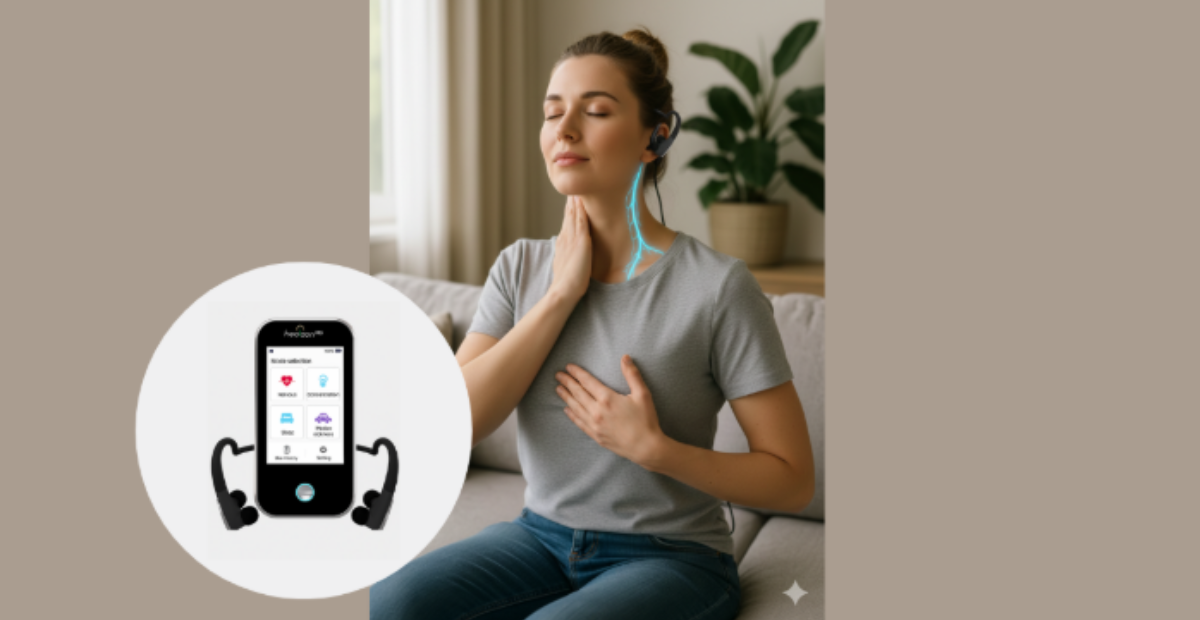
Where is the vagus nerve located? The vagus nerve starts at the brainstem, travels down both sides of the neck, passes through the chest, and extends into the abdomen to connect major organs. It acts as a communication highway between the brain and vital systems like the heart, lungs, and digestive tract.
Understanding where this nerve runs and why it matters can help explain symptoms tied to stress, digestion, inflammation, and overall nervous system balance. This guide breaks down its exact location, function, and why targeted support options are often discussed in wellness and recovery settings.
Understanding the Vagus Nerve

The vagus nerve is the longest and most complex of the cranial nerves. It plays a central role in the parasympathetic nervous system, which is responsible for rest, recovery, and regulation.
Unlike nerves that serve a single area, this nerve branches widely and influences multiple organs at once. Because of this, irritation or dysfunction can create symptoms that seem unrelated at first.
What the Vagus Nerve Does in the Body
The vagus nerve helps regulate automatic body functions you do not consciously control. These include heart rate, breathing rhythm, digestion, immune response, and inflammation control. It sends signals from the brain to organs and back again. This two-way communication helps the body adapt to stress and return to a calm state.
When functioning well, it supports a steady heart rhythm, healthy digestion, and emotional balance. When disrupted, the effects may appear throughout the body—prompting some individuals to explore supportive options such as a Vagus Nerve Stimulator as part of a broader wellness approach.
Vagus Nerve Device You May Want to Shop
Explore More
Where Is the Vagus Nerve Located in the Body
To understand its influence, it helps to follow its physical path from top to bottom. Tracing where it begins, how it branches, and which organs it connects to provides clearer insight into why this single nerve plays such a critical role in whole-body regulation.
Origin in the Brainstem
The vagus nerve begins in the medulla oblongata, a part of the brainstem responsible for vital life functions. From here, it exits the skull through an opening called the jugular foramen.
This starting point is why neurological health and brainstem regulation are closely tied to vagal tone and function.
Path Through the Neck

After leaving the skull, the nerve travels downward through the neck on both the left and right sides. It runs within the carotid sheath alongside the carotid artery and jugular vein.
This is why neck tension, posture issues, or compression in this area can influence vagus nerve signaling. Many people associate sensations like throat tightness or voice changes with this region.
Passage Through the Chest
In the chest, the vagus nerve branches toward the heart and lungs. It helps regulate heart rate, blood pressure, and breathing patterns.
The nerve contributes to slowing the heart during relaxation and supporting efficient oxygen exchange in the lungs. This is one reason breathing exercises are often linked to vagal activation.
Extension Into the Abdomen
The nerve continues into the abdomen, where it connects with the stomach, liver, pancreas, and intestines. It influences digestion, nutrient absorption, and gut motility.
This extensive reach explains the strong connection between gut health, stress response, and nervous system balance, which is further explored in Understanding Vagus Nerve Tachycardia After Eating.
Left vs Right Vagus Nerve

There are two vagus nerves, one on each side of the body. While they share similar paths, each side has slightly different roles. Understanding these subtle differences helps explain why certain functions, such as heart rate regulation, digestion, and reflex responses, may be influenced more strongly by one side than the other.
Key Differences Between Both Sides
The right vagus nerve more strongly influences heart rhythm, while the left vagus nerve is often associated with digestive signaling.
This distinction is important when discussing stimulation methods or medical interventions, as targeting one side over the other may produce different effects.
Why Side Matters for Stimulation
Because of its influence on heart rhythm, stimulation approaches often focus on the left side to reduce potential cardiac effects. This is why many wellness and therapeutic discussions reference left-sided vagal support.
Understanding this difference helps clarify why not all approaches are interchangeable.
Why Knowing Where the Vagus Nerve Is Located Matters
The location of the vagus nerve explains why symptoms can feel widespread and confusing. Stretching from the brainstem down through the neck, chest, and abdomen, it interacts with multiple organs and systems. This extensive reach means that disruptions can produce diverse effects, impacting digestion, heart rate, mood, and overall bodily function.
Connection to Stress and the Nervous System
The vagus nerve is a key player in the body’s ability to switch from stress mode to recovery mode. Chronic stress can weaken this response, leading to fatigue, digestive issues, or inflammation.
Supporting this nerve may help restore balance between the sympathetic and parasympathetic systems.
Role in Chronic Conditions
Research continues to explore how vagus nerve function relates to conditions involving inflammation, autoimmune response, and pain perception.
This is why it is often mentioned in discussions around arthritis, digestive disorders, and nervous system regulation. You can explore related insights in our guide on Will Hyperbaric Chamber Help Arthritis, which discusses recovery-focused approaches in more detail.
How Vagus Nerve Stimulation Works
Vagus nerve stimulation focuses on gently activating this nerve to encourage parasympathetic responses.
Natural Stimulation Methods
Breathing exercises, humming, cold exposure, and meditation are commonly mentioned methods. These approaches stimulate areas connected to the nerve without devices.
They work by sending calming signals back to the brain, reinforcing relaxation responses.
Device-Based and Wellness Options

Some people explore non-invasive or medical-grade stimulation tools designed to target the nerve externally.
Relationship Between the Vagus Nerve and Oxygen Therapy
Emerging interest connects nervous system regulation with oxygen-based therapies.
Hyperbaric environments are discussed in wellness spaces for their potential effects on inflammation and cellular recovery. Locations such as Hyperbaric Chambers Maryland collections are often explored by individuals interested in whole body recovery support.
While not a replacement for medical care, these approaches are often viewed as complementary in broader wellness strategies.
Common Signs Linked to Vagus Nerve Dysfunction
Understanding where the nerve runs helps explain common sensations.
Physical Sensations
People often report throat tightness, voice changes, digestive discomfort, or irregular heart sensations.
Neck-related discomfort is also common, especially when posture or muscular tension affects nearby structures.
You can read more about location-specific symptoms in our related post on Pinched Vagus Nerve in Neck Symptoms.
Emotional and Cognitive Effects
Because the vagus nerve influences stress response, changes may also appear as anxiety, low mood, or difficulty relaxing.
These effects highlight how physical nerve pathways influence mental well-being.
Comparison Table: Vagus Nerve Location and Functions
|
Body Area |
Vagus Nerve Role |
Common Effects |
|
Brainstem |
Signal control center |
Stress regulation |
|
Neck |
Signal transmission |
Throat sensation |
|
Chest |
Heart and lungs |
Heart rate balance |
|
Abdomen |
Digestion |
Gut motility |
Comparison Table: Left vs Right Vagus Nerve
|
Side |
Primary Influence |
Why It Matters |
|
Left |
Digestion focused |
Preferred for stimulation |
|
Right |
Heart rhythm |
Requires caution |
Practical Tips to Support Vagus Nerve Health
Small daily habits may help support healthy signaling.
-
Practice slow nasal breathing
-
Maintain good neck posture
-
Support gut health with balanced meals
-
Prioritize sleep and stress reduction
Consistency matters more than intensity when supporting nervous system balance, which is why many people focus on choosing the Best Vagus Nerve Stimulation Device for regular, at-home use.
Final Thoughts on Where Is the Vagus Nerve Located
Understanding where is the vagus nerve located provides clarity on why it influences so many systems at once. From the brainstem to the gut, its pathway connects physical, emotional, and neurological health.
By learning its location and role, individuals can make informed choices about lifestyle habits, recovery approaches, and supportive wellness options that align with nervous system balance. This knowledge empowers people to adopt daily practices, select targeted therapies, and implement routines that may enhance overall health, resilience, and long-term well-being.
Frequently Asked Questions About the Vagus Nerve
What are the symptoms of vagus nerve problems?
Symptoms of vagus nerve problems often include digestive issues, irregular heart rate, anxiety, throat tightness, and difficulty relaxing. Because this nerve connects multiple organs, symptoms may appear unrelated at first. Some people experience nausea, bloating, or voice changes, while others notice fatigue or increased stress sensitivity. These signs often fluctuate depending on posture, stress levels, and overall nervous system balance.
Where do you feel your vagus nerve?
You may feel vagus nerve-related sensations in the neck, throat, chest, or abdomen. Common feelings include tightness in the throat, pressure in the chest, fluttering in the stomach, or a calming sensation during deep breathing. These sensations reflect the nerve’s wide reach and its role in regulating internal body signals rather than sharp pain like other nerves.
How do you release your vagus nerve?
Releasing the vagus nerve usually involves calming techniques rather than physical manipulation. Slow breathing, humming, gentle neck stretches, and relaxation practices may help reduce tension around the nerve’s pathway. Supporting posture and reducing chronic stress can also ease compression in the neck area, allowing more balanced nerve signaling over time.
Which side of the neck is the vagus nerve located on?
The vagus nerve is located on both sides of the neck, running alongside major blood vessels. Each side plays slightly different roles, but both contribute to nervous system regulation. In many stimulation approaches, the left side is emphasized due to its reduced influence on heart rhythm compared to the right, making it a safer focus in wellness discussions.