


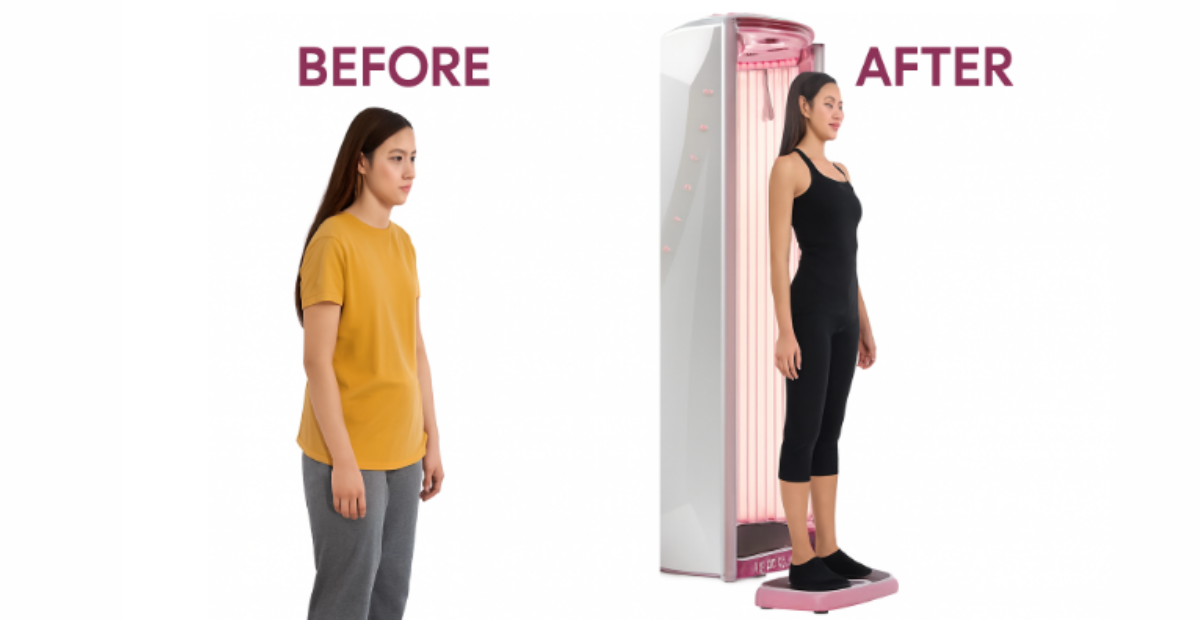
Vibration plate before and after pictures often highlight visible changes in muscle tone, posture, and body firmness when the device is used correctly and consistently. These images are not magic transformations, but they do reflect measurable physical improvements over time.
Most noticeable results come from pairing vibration plate sessions with proper positioning, appropriate frequency, and realistic expectations rather than relying on the machine alone. Consistent use, gradual progression, and attention to posture all influence outcomes, helping users support muscle engagement and overall body awareness over time.
What Vibration Plate Before and After Pictures Actually Show

When people look at transformation photos, it is easy to assume dramatic weight loss or instant body reshaping. In reality, vibration plate before and after images tend to reflect more subtle but meaningful physical changes.
These photos often capture improvements in muscle tone, stance, and overall body alignment rather than extreme fat loss. Understanding what these images truly represent and referencing articles like 10 Minutes on Vibration Plate Equals How Many Steps? helps set realistic expectations.
Muscle Engagement and Visible Firmness
Vibration plates stimulate muscles through rapid oscillations. This forces muscles to contract multiple times per second to maintain stability. Over time, this repeated activation can lead to firmer-looking muscles, especially in the legs, glutes, and core.
Before images usually show relaxed posture and softer muscle definition. After images may reveal slightly more lifted glutes, firmer thighs, and a more engaged abdominal area. These changes are typically modest but noticeable, especially when photos are taken under similar lighting and posture conditions.
Posture and Alignment Improvements
One of the most overlooked changes shown in before-and-after images is posture. Regular vibration plate use activates stabilizing muscles that support the spine and hips.
In before pictures, shoulders may appear rounded, and hips tilted forward. After pictures often show a more upright stance, improved shoulder alignment, and better weight distribution through the feet. This visual change alone can make the body appear leaner and more confident.
Circulation and Skin Appearance
Some before-and-after images show subtle improvements in skin texture, particularly on the legs. Increased blood flow from vibration training can temporarily improve skin tone and reduce the appearance of stiffness or swelling.
These changes are not permanent cosmetic fixes, but they do reflect improved circulation and muscle activation, which many users report feeling even before they see visual changes, especially when combined with complementary wellness approaches like hyperbaric chamber Madison, WI services that focus on oxygen delivery and recovery support.
Why Results Vary So Much Between Individuals
No two sets of vibration plate results look the same. The differences seen in before and after pictures depend heavily on how the device is used and who is using it. Several factors influence outcomes, and understanding them explains why some photos show more noticeable change than others.
Frequency and Consistency Matter Most
Short, consistent sessions tend to deliver better visual results than infrequent, long workouts. Many users who show visible changes use the plate 3 to 5 times per week for 10 to 15 minutes per session.
Inconsistent use often leads to minimal visual difference between before and after photos, even if the sessions themselves feel intense.
Body Composition and Starting Point
People with lower body fat may notice toning changes sooner because muscle definition becomes visible more quickly. Individuals with higher body fat percentages may still experience internal benefits like strength and circulation improvements, even if external changes take longer to show.
Before and after pictures reflect surface-level changes. They do not always capture internal improvements such as balance, muscle endurance, or joint stability areas that may be supported through broader recovery-focused approaches like hyperbaric chamber Santa Barbara offerings designed to enhance oxygen delivery and overall physical resilience.
Exercise Positioning on the Plate
Standing upright, squatting, lunging, or performing planks on a vibration plate all activate different muscle groups. Photos showing greater transformation usually come from users who vary their positions rather than standing passively.
Active engagement leads to more visible results than simply standing still and letting the machine vibrate.
How Long Does It Take for Before and After Changes to Appear

One of the most common questions behind vibration plate transformation photos is timing. How long did it take to see a difference?
While timelines vary, there are general patterns that appear across many users.
Early Changes Within the First 2 Weeks
In the first one to two weeks, most changes are felt rather than seen. Users often report:
-
Improved muscle awareness
-
Reduced stiffness after workouts
-
Slight posture adjustments
Before and after photos taken this early may look similar, but subtle posture changes can already be present.
Visible Changes Around 4 to 6 Weeks
At the one-month mark, some users begin to notice mild visible differences. These may include firmer thighs, slightly tighter glutes, or a more upright stance.
This is the point where before and after pictures may start to show differences if lighting, posture, and camera angles are consistent.
More Defined Results After 8 to 12 Weeks
Most noticeable visual changes typically appear after two to three months of consistent use. Photos taken at this stage often show clearer muscle engagement and improved body alignment.
However, it is important to remember that vibration plates support muscle activation rather than replace full-body exercise or nutrition strategies. They work best as a complementary tool alongside movement, strength training, and balanced habits. Learning proper usage through articles like Vibration Plate Exercises: How They Work and Who Benefits helps maximize results safely and effectively.
Comparing Vibration Plate Results to Other Low-Impact Methods
When reviewing transformation pictures, it helps to compare vibration plate results to other low-impact fitness tools.
|
Method |
Visible Muscle Toning |
Joint Stress |
Time Commitment |
|
Vibration Plate |
Moderate |
Low |
10–15 minutes |
|
Walking |
Low to Moderate |
Low |
30–60 minutes |
|
Resistance Bands |
Moderate |
Low |
20–30 minutes |
|
Traditional Weights |
High |
Moderate |
45–60 minutes |
This comparison explains why vibration plate changes are often subtle but sustainable. They fit well into routines for people who want support rather than high-impact workouts.
Vibration Therapy Machines You May Want to Shop
Explore More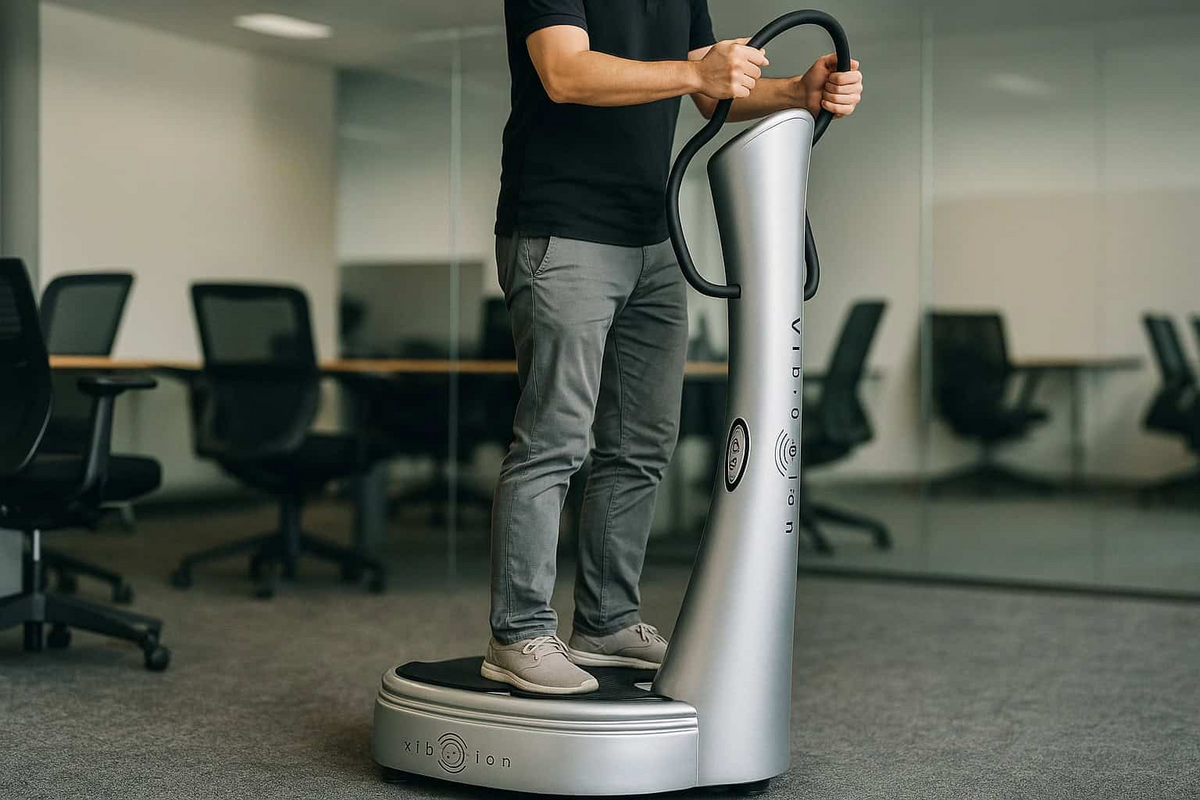


How Vibration Plates Support Recovery and Wellness
Beyond appearance, many users include vibration plates as part of a broader wellness routine. These benefits do not always show clearly in photos, but they influence how the body functions and feels.
Muscle Recovery and Circulation
The vibrations stimulate blood flow, which can support recovery after workouts or long periods of inactivity. This is one reason athletes and rehabilitation clinics often use vibration platforms as a supplemental tool.
Joint Comfort and Mobility
Low-impact vibration can help activate muscles around joints without heavy loading. This may improve comfort during movement, especially for individuals managing stiffness or limited mobility.
Some wellness centers integrate vibration therapy alongside recovery technologies such as hyperbaric oxygen therapy to support circulation and tissue health. If you are exploring recovery-focused solutions, you may want to review options like hyperbaric chambers in Buffalo, NY.
Common Misinterpretations of Before and After Pictures
Before and after images can be misleading when context is missing. Understanding what can distort results helps you interpret photos more accurately.
Lighting and Camera Angles
Improved lighting and posture can dramatically change how muscles appear. Photos taken after workouts may show a temporary muscle pump that disappears within hours.
True progress should be assessed over time rather than from a single comparison image.
Weight Loss vs Muscle Tone
Vibration plate images rarely show dramatic weight loss on their own. Instead, they reflect changes in muscle engagement and posture. Expecting major fat loss from vibration alone often leads to disappointment.
If weight loss is a goal, vibration plates work best as a complement to movement and nutrition rather than a standalone solution.
How to Get the Best Results From a Vibration Plate

If you want your own before and after pictures to reflect real progress, technique and consistency matter more than session length.
Recommended Usage Guidelines
-
Use plate 3 to 5 times per week.
-
Keep sessions between 10 and 15 minutes.
-
Engage muscles actively rather than standing passively.
-
Rotate positions to target different muscle groups.s
Short, focused sessions reduce fatigue and improve consistency over time.
Pairing With Simple Movements
Basic movements like squats, calf raises, and planks enhance muscle activation. These do not need to be intense to be effective.
For those curious about calorie impact, understanding how vibration plates contribute to energy expenditure can provide better expectations rather than relying on visuals alone.
Understanding the Role of Calorie Burn and Steps
Many people assume vibration plates replace walking or cardio entirely. In reality, they supplement activity rather than replace it.
If you want deeper insight into energy output, you can explore the article Does a Vibration Plate Burn Calories? Facts You Need to Know and how 10 minutes on a vibration plate compares to steps walked. These comparisons help align expectations with actual outcomes.
Tracking Progress Beyond Photos
Photos are only one way to measure progress. Many improvements happen internally before they show externally.
Other Ways to Measure Improvement

|
Metric |
What It Shows |
Why It Matters |
|
Balance |
Core and stability strength |
Reduces injury risk |
|
Endurance |
Muscle efficiency |
Supports daily movement |
|
Posture |
Alignment improvement |
Affects appearance and comfort |
|
Recovery Speed |
Circulation support |
Helps consistency |
Tracking how your body feels often provides clearer insight than photos alone.
Summary: Interpreting Vibration Plate Before and After Pictures Realistically
Vibration plate before and after pictures reflect gradual improvements in muscle tone, posture, and stability rather than dramatic body transformations. These changes are real, but they depend on consistency, positioning, and realistic expectations.
When used as part of a broader wellness or movement routine, vibration plates support muscle engagement and circulation in a time-efficient way. Photos can be motivating, but understanding what they truly represent leads to better long-term results.
Frequently Asked Questions
How long before I see results from a vibration plate?
Most users begin noticing functional changes before visual ones, usually within the first two weeks. These include improved muscle awareness, better balance, and reduced stiffness. Visible changes like firmer muscles or improved posture typically appear after four to six weeks of consistent use. Results depend on frequency, body composition, and how actively you engage your muscles during sessions. Taking photos every four weeks under the same conditions provides a more accurate comparison than frequent daily photos.
What is 10 minutes on a vibration plate equivalent to?
Ten minutes on a vibration plate is often compared to a light to moderate activity session, depending on intensity and positioning. While it does not replace walking or traditional cardio, it activates muscles through rapid contractions that support strength and circulation. The equivalency varies widely based on vibration settings and body engagement. It works best as a supplement to movement rather than a direct replacement for steps or aerobic exercise.
Does a vibrating plate really work?
A vibration plate works by stimulating muscle contractions through oscillations, which can support strength, balance, and circulation. Scientific studies show benefits when used correctly, especially for muscle activation and recovery. However, results are gradual and depend on consistency. It is not a shortcut to fitness, but it is an effective tool when paired with proper movement and realistic goals.
How do you tone your belly fat on a vibration plate?
Toning the abdominal area on a vibration plate requires active core engagement, not passive standing. Positions like planks, seated core holds, or slight knee bends force the abdominal muscles to stabilize against vibration. While spot fat reduction is not possible, strengthening core muscles improves firmness and posture. Combined with overall activity and nutrition, this approach supports visible midsection improvements over time.