


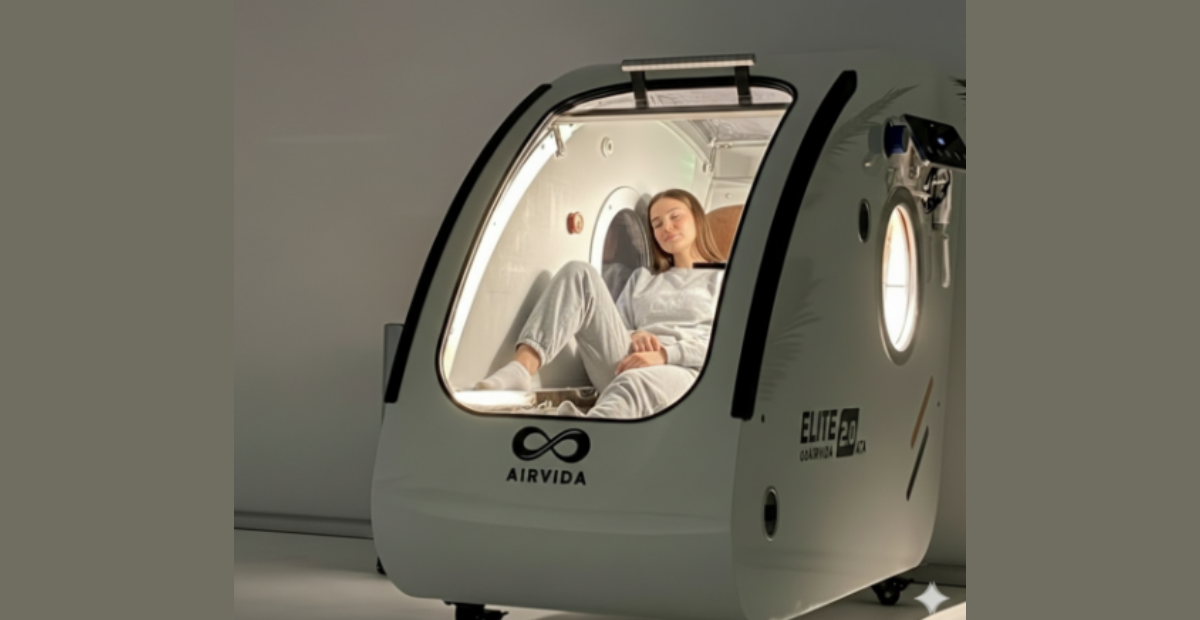
The best hyperbaric oxygen therapy for insomnia is one that delivers controlled oxygen levels at safe pressure settings under medical supervision to improve brain oxygenation and sleep regulation. Many people struggling with chronic sleep issues are now exploring HBOT as a natural way to restore deeper, more restorative sleep.
If stress, brain fog, or restless nights are affecting your health, understanding how hyperbaric therapy works may help you decide if it is the right solution for you. Learning how increased oxygen delivery may support cellular repair, circulation, and neurological function can provide helpful insight when exploring potential wellness strategies.
Why Insomnia Happens and Why Oxygen Matters

Insomnia is not just about difficulty falling asleep. It is often linked to stress, inflammation, nervous system imbalance, or reduced oxygen flow to the brain.
When your brain does not receive optimal oxygen, several things can happen:
-
Increased cortisol levels
-
Poor melatonin regulation
-
Slower cellular repair
-
Higher inflammation markers
Sleep is the time your brain repairs itself. If oxygen delivery is compromised, recovery becomes incomplete. That is why oxygen therapy has gained attention as a potential sleep-support tool. For individuals exploring regional options, facilities offering hyperbaric chambers in Salt Lake City may provide access to sessions designed to support oxygen optimization and overall restorative wellness.
What Is Hyperbaric Oxygen Therapy?
Hyperbaric Oxygen Therapy, often called HBOT, involves breathing concentrated oxygen inside a pressurized chamber. The pressure allows your lungs to absorb significantly more oxygen than normal breathing.
Under hyperbaric conditions:
-
Oxygen dissolves directly into blood plasma
-
Tissue repair accelerates
-
Inflammation reduces
-
Brain cells receive enhanced oxygen delivery
Originally developed for wound healing and treating decompression sickness, HBOT is now being studied for its potential benefits in neurological recovery, stress regulation, and sleep improvement. Researchers are exploring how enhanced oxygen delivery may support brain function, reduce inflammation, promote cellular repair, and contribute to overall wellness and restorative sleep cycles.
Hyperbaric Collections You May Want to Shop

How Hyperbaric Oxygen Therapy May Improve Sleep
The best hyperbaric oxygen therapy for insomnia focuses on improving neurological balance rather than simply sedating the body. By potentially enhancing oxygen delivery to brain tissue, it may support cellular repair, regulate stress responses, and promote healthier sleep cycles, addressing underlying imbalances instead of temporarily masking nighttime restlessness or fatigue.
-
Supports Brain Oxygenation
Oxygen supports mitochondrial function by helping cells produce the energy they need to operate efficiently. Better mitochondrial function means improved cellular repair during sleep cycles, potentially enhancing recovery, resilience, and overall nighttime restoration.
-
Reduces Inflammation
Chronic inflammation disrupts deep sleep stages and may interfere with restorative brain activity. HBOT has been shown to reduce inflammatory markers, potentially supporting improved sleep quality, recovery, and more consistent nightly rest patterns.
-
Balances the Nervous System
Insomnia is often linked to an overactive sympathetic nervous system. Oxygen therapy may help regulate autonomic balance, promoting parasympathetic activation, which is associated with relaxation.
-
Improves Recovery Cycles
Sleep is about repair and cellular restoration throughout the body. Enhanced oxygenation can support faster neurological recovery, especially in individuals with brain injuries or stress-related sleep disturbances, potentially promoting deeper, more restorative sleep cycles.
Types of Hyperbaric Chambers: Which Option Is Best?

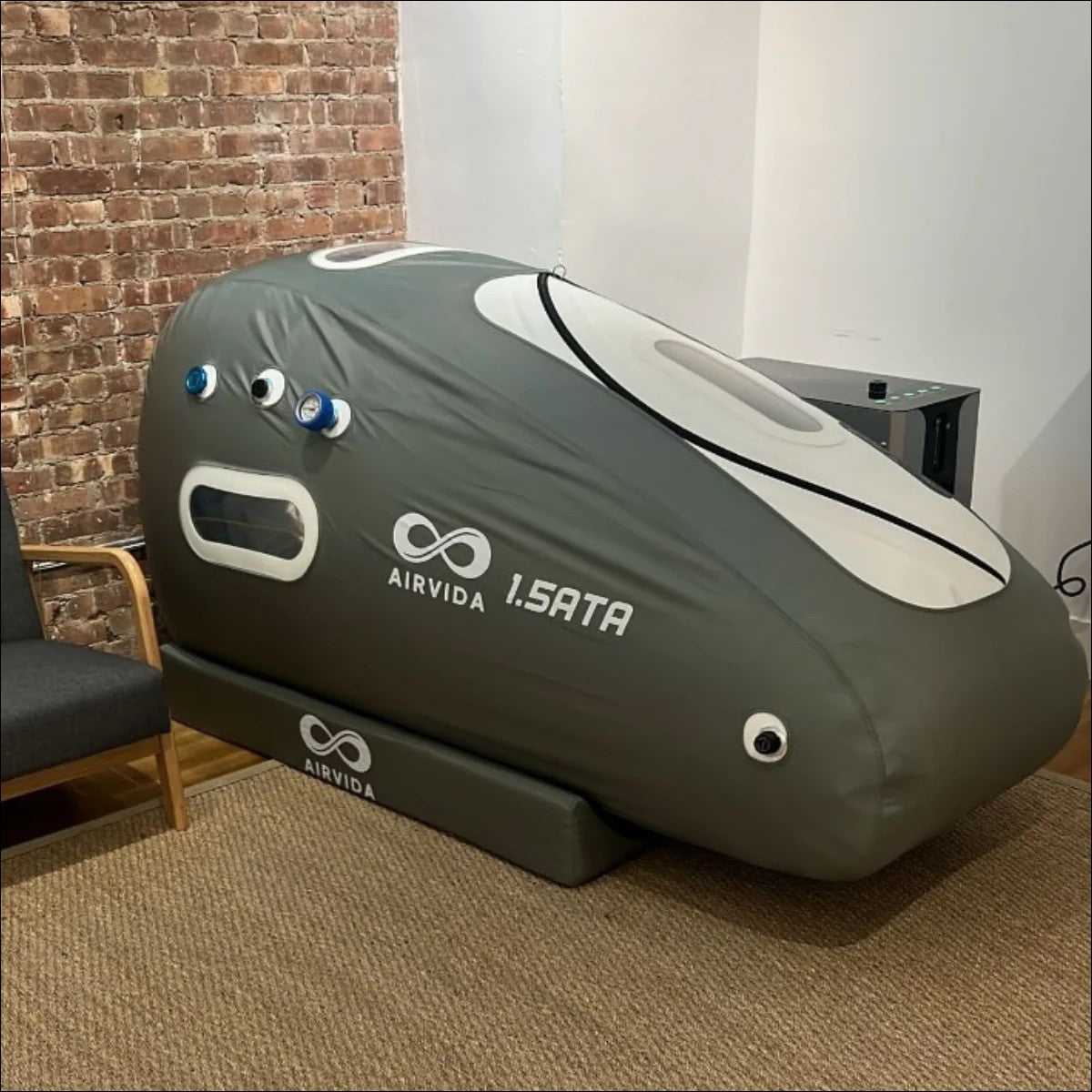
Not all chambers are the same, and selecting the right one is essential for achieving the best results. Factors such as pressure settings, oxygen concentration, safety features, and session protocols can impact effectiveness. Careful research and professional guidance help ensure you choose a chamber that supports optimal therapy outcomes and overall wellness.
|
Chamber Type |
Pressure Level |
Best For |
Sleep Support Potential |
|
Soft Chamber |
1.3 – 1.5 ATA |
Home use, mild conditions |
Moderate |
|
Hard Chamber |
2.0 – 3.0 ATA |
Clinical treatment |
High |
|
Portable Mild HBOT |
1.3 ATA |
Daily wellness |
Moderate |
|
Medical Grade HBOT |
2.4 ATA+ |
Neurological conditions |
Strong |
Why Medical-Grade Often Performs Better
Higher pressure levels allow greater oxygen saturation. For neurological and chronic sleep concerns, clinical-grade therapy may deliver stronger results. However, mild chambers used consistently at home may still provide cumulative benefits. Understanding how oxygen influences nerve signaling can be insightful. See our article Vagus Nerve Function: Complete Guide to Your Body's Communication Highway for more information.
Who May Benefit Most from HBOT for Insomnia?
HBOT may be particularly helpful for individuals who experience chronic insomnia, stress-related sleep disturbances, or lingering fatigue. It may also benefit those recovering from brain injuries, neurological conditions, or other health challenges where enhanced oxygen delivery can support cellular repair, reduce inflammation, and promote overall restorative sleep and wellness.
-
Stress-related insomnia
-
Post-concussion sleep disturbances
-
Neuroinflammation
-
Anxiety-driven sleep disruption
-
Brain injury recovery
For example, patients recovering from neurological issues often report improved sleep patterns. If you are exploring therapy options for brain recovery, you may also want to read about hyperbaric chamber for Alzheimer’s patients to understand how oxygen supports cognitive health.
Why Location and Quality Matter
When considering therapy, equipment quality and supervision are critical. If you are located in New York, explore hyperbaric chamber Buffalo, NY options for medically supervised sessions. Professional centers often provide:
-
Pressure monitoring
-
Oxygen purity control
-
Medical oversight
-
Customized session protocols
-
Hyperbaric Chambers You May Want to Shop
Explore More


Recommended Session Structure for Sleep Support
|
Goal |
Recommended Frequency |
Session Duration |
|
Mild insomnia |
3–4 times weekly |
60 minutes |
|
Chronic insomnia |
4–5 times weekly |
60–90 minutes |
|
Neurological recovery |
5 times weekly |
90 minutes |
Consistency is more important than intensity. Many people begin noticing improved sleep depth after 10–15 sessions.
Practical Tips for Better Results with HBOT
Maximizing the benefits of HBOT requires more than just attending sessions. Understanding proper preparation, post-session care, and lifestyle habits can enhance outcomes. These practical tips provide guidance on how to safely and effectively integrate hyperbaric oxygen therapy into your routine, helping you achieve better recovery, improved sleep, and overall wellness results.
-
Schedule sessions earlier in the day
-
Stay hydrated before and after therapy
-
Avoid caffeine before treatment
-
Track sleep quality in a journal
-
Combine with healthy sleep hygiene
HBOT works best when integrated into a broader wellness strategy that includes healthy sleep habits, stress management, proper nutrition, and regular physical activity. Combining these approaches may enhance the therapy’s effectiveness, support overall recovery, and promote long-term improvements in energy levels, neurological function, and overall physical and mental well-being.
Potential Risks and Considerations

While generally safe under professional supervision, HBOT is not suitable for everyone. Possible side effects include temporary ear or sinus discomfort, mild fatigue, changes in vision, and, in rare cases, more serious complications. Consulting a qualified healthcare provider ensures safe use, proper monitoring, and personalized guidance tailored to individual health needs.
-
Ear pressure discomfort
-
Temporary fatigue
-
Mild sinus irritation
People with certain lung conditions should consult a healthcare provider before starting hyperbaric therapy, as pressure changes may not be appropriate for everyone. A thorough medical evaluation helps determine safety and suitability. Individuals researching neurological applications can explore this article Hyperbaric Chamber for Concussion: Nationwide Guide to Recovery Support for additional educational insight.
Is It Worth It?
The best hyperbaric oxygen therapy for insomnia is not a quick fix like sleeping pills. Instead, it works by addressing underlying neurological and inflammatory contributors to poor sleep, potentially supporting long-term improvements in brain function, cellular repair, stress regulation, and overall restorative sleep, rather than merely masking symptoms temporarily.
For individuals who have tried supplements, meditation, and medication without long-term success, HBOT may offer a restorative alternative. It is especially promising for those whose insomnia is connected to stress overload, brain injury, or neuroinflammation.
Final Thoughts on Best Hyperbaric Oxygen Therapy for Insomnia

Finding the best hyperbaric oxygen therapy for insomnia depends on your specific cause of sleep disruption. Medical-grade chambers under professional supervision tend to provide the strongest oxygen saturation benefits, but mild chambers can still offer consistent wellness support.
Sleep is not just about falling asleep faster. It is about achieving deep, restorative cycles that repair the brain and body. If oxygen deficiency or neurological stress is contributing to your insomnia, HBOT may support recovery by enhancing oxygen delivery, promoting cellular repair, and helping regulate the brain’s natural sleep mechanisms.
Frequently Asked Questions
Does HBOT help with insomnia?
HBOT may help with insomnia by improving brain oxygenation, reducing inflammation, and supporting nervous system balance. Many individuals report deeper and more restorative sleep after consistent sessions. While it is not a sedative, it may address underlying factors like stress or neuroinflammation that interfere with healthy sleep cycles.
What is the best insomnia treatment in the world?
The best insomnia treatment in the world depends on the root cause of your sleep problem. Cognitive Behavioral Therapy for Insomnia (CBT-I) is widely considered the gold standard, but therapies like HBOT may be beneficial when neurological inflammation or oxygen deficiency plays a role. A personalized approach usually delivers the best results.
Can you sleep in a hyperbaric chamber every night?
Sleeping inside a hyperbaric chamber every night is not typically recommended without medical supervision. Sessions are usually structured and timed to control pressure exposure safely. Most treatment plans involve scheduled sessions rather than overnight exposure to ensure safety and effectiveness.
Can oxygen help insomnia?
Oxygen can help insomnia if low oxygen levels or poor circulation are contributing factors. By improving oxygen delivery to the brain, therapies like HBOT may support cellular repair and nervous system regulation. However, it should be part of a broader strategy that includes stress management and healthy sleep habits.