


A hyperbaric chamber for concussion is increasingly explored as a supportive option for brain healing. Many people want to know whether it can help reduce symptoms, improve recovery speed, and support overall neurological function. In this guide, we break down how it works, why it matters, and when it may be beneficial.
Healing from a concussion can feel confusing and unpredictable, especially when symptoms linger longer than expected. While rest remains important, understanding what tools may support the body’s natural repair process can make recovery much smoother. This guide follows the structure of your uploaded template, providing a clear, research-based explanation of why some individuals consider oxygen-based therapies and how to choose the right approach nationwide.

Before exploring treatment options, it helps to understand what happens inside the brain after an impact and why certain therapies aim to reduce inflammation, support oxygen delivery, and stabilize cellular activity.
What Happens During a Concussion
A concussion occurs when the brain experiences a sudden movement or impact. This can cause temporary changes in how brain cells communicate, leading to symptoms like headaches, dizziness, fatigue, mood changes, or trouble concentrating.
Although most concussions heal within several weeks, some people experience symptoms for months due to metabolic changes in the brain. These include reduced blood flow, lower oxygen availability, and inflammation around affected neural pathways.
Why the Brain Struggles After a Concussion
When the brain is injured, its energy demand increases, but its ability to supply energy decreases. This mismatch creates what many clinicians call a "metabolic crisis."
-
Common reasons include:
-
Reduced oxygen reaching cells
-
Inflammation limits nutrient delivery
-
Disrupted communication between brain regions
-
Blood vessels tighten in response to trauma
This is why a person may feel foggy, slow, or sensitive to light and sound. Recovery requires restoring normal oxygenation and circulation while minimizing additional stress on the brain.
Why People Explore Additional Recovery Methods
While rest, hydration, healthy sleep, and reduced stimulation remain essential, some individuals look for tools that can:
-
Improve circulation
-
Support oxygen availability
-
Reduce post-concussion inflammation
-
Promote cellular repair
This is where interest in oxygen-based methods has grown. Different parts of the country have varying access to supportive technologies, so a nationwide guide helps you understand options, whether you live in a major city or a rural region.
Hyperbaric Oxygen Basics
Hyperbaric oxygen therapy involves going inside a chamber where air pressure increases while oxygen availability rises. This environment can help more oxygen dissolve into the bloodstream, distributing higher amounts throughout the body.
Although originally used for wound healing and decompression support, many people now explore its potential for soft tissue injuries, inflammation reduction, and neurological recovery.
The focus is not on replacing medical treatment but on complementing standard care under proper guidance.
Hyperbaric Chambers You May Want to Shop


Why People Consider a Hyperbaric Chamber During Concussion Recovery
A hyperbaric chamber for concussion is appealing because concussions affect oxygen regulation in the brain. Increased oxygen availability may support healthier activity in areas affected by the injury.
Here are the most common reasons people nationwide explore this option:
1. Support for Improving Blood Flow
A concussion often causes blood vessels in the brain to constrict. Increased ambient pressure may help encourage oxygen-rich blood to reach areas that are struggling to recover.
Most individuals notice improvements in clarity and reduced pressure sensations after supporting circulation over time.
2. Cellular Repair Support
Hyper-oxygenated environments may help cells produce energy more efficiently. Since concussed cells often struggle with energy production, additional oxygen availability can potentially support the brain’s metabolic demands.
This can be especially meaningful for symptoms such as:
-
Brain fatigue
-
Slow processing
-
Sensitivity to noise
-
Difficulty focusing
3. Reducing Inflammation and Swelling
Inflammation is a natural response, but too much can slow healing. More oxygen may help support the body’s natural anti-inflammatory processes, making recovery more comfortable.
4. Helping with Persistent Post-Concussion Symptoms
Some individuals nationwide experience symptoms for months, known as post-concussion syndrome. Supporting oxygen availability may help ease lingering effects, especially when paired with pacing, rest, and guided rehabilitation.
Choosing the Right Chamber Nationwide
Not all chambers are the same, and your choice depends on safety, comfort, portability, and personal needs. Many prefer soft chambers for home use and mild pressures that feel comfortable while still providing supportive benefits.
If you’re exploring chamber options in different regions, you can browse the hyperbaric chamber Florida collection or the hyperbaric chamber Seattle collection to compare nationwide availability and models.
Hyperbaric Collections You May Want to Shop

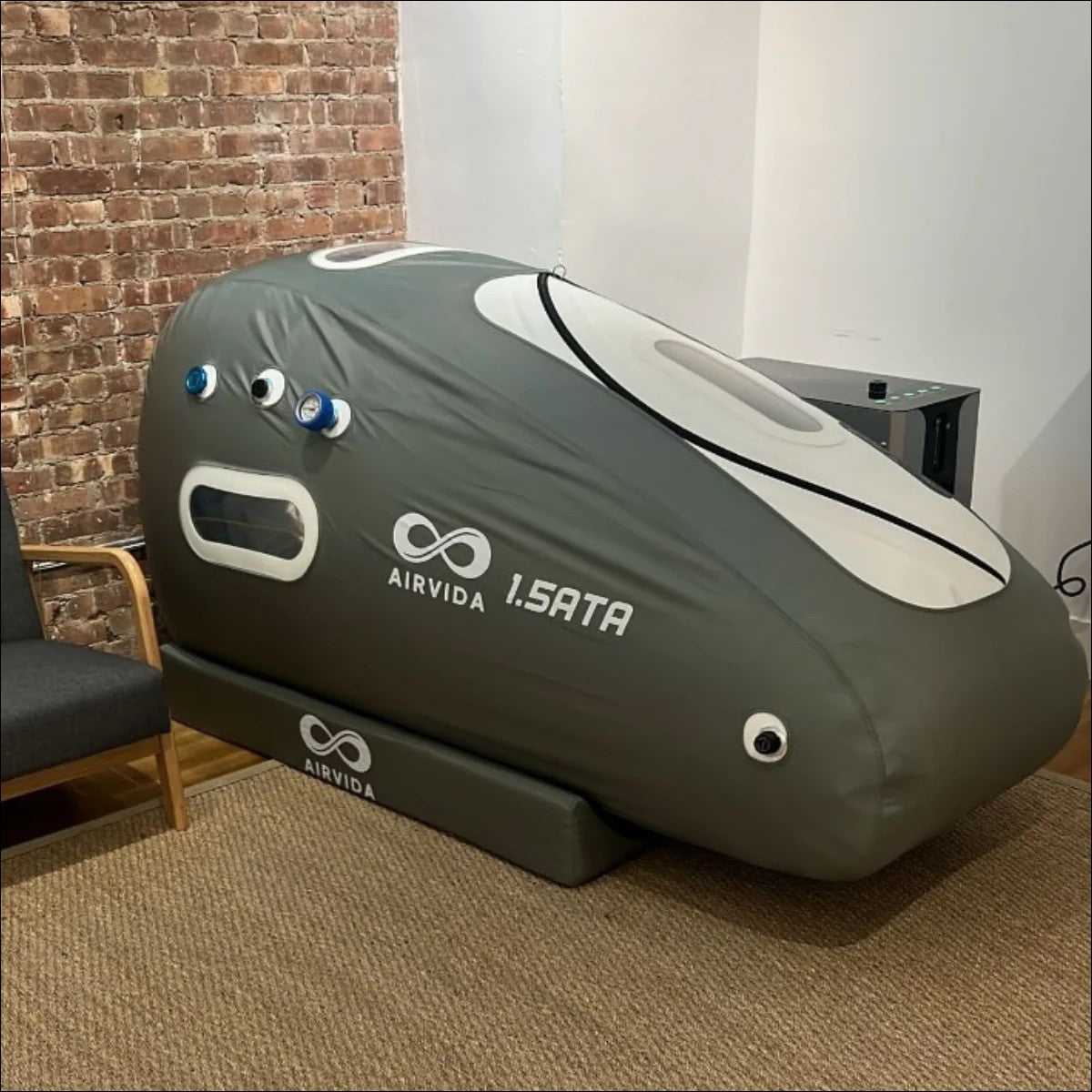
Types of Chambers Commonly Used
Below is a basic table comparing popular chamber types:
Table 1: Chamber Types Overview
|
Chamber Type |
Pressure Range |
Best For |
Notes |
|
Soft Chamber |
Mild pressure levels |
Home use, beginners |
Portable and widely available |
|
Hard Chamber |
Higher pressure |
Clinical settings |
Requires professional supervision |
|
Portable Soft Chamber |
Mild pressure |
Travelers and athletes |
Easy to transport |
Choosing one depends on your comfort level, location, and goals during recovery.
How to Use a Hyperbaric Chamber Safely During Concussion Recovery
Using a chamber should always support, not strain, the healing brain. Follow guidance similar to other recovery tools: begin slowly, monitor symptoms, and increase session duration only when comfortable.

Starting Your Sessions
Most people begin with shorter sessions and gradually increase time depending on how they feel. The goal is to give the brain supportive oxygen levels without overwhelming it.
Many individuals track improvements in:
-
Head pressure
-
Focus
-
Mood stability
-
Sleep quality
Consistency matters more than intensity, mirroring the patterns seen in other rehabilitation methods.
Listening to Your Body
Some days may feel better than others, which is normal. If symptoms feel aggravated, adjust your duration or take a rest day. Proper hydration and calm breathing can enhance comfort during sessions.
Enhancing Concussion Recovery Nationwide
Recovery is most successful when it includes a combination of strategies that balance rest with supportive stimulation. A hyperbaric chamber for concussion may be one element of a well-rounded plan.
Here are supportive habits that pair well with oxygen-based sessions:
-
Gentle walking to promote circulation
-
Anti-inflammatory nutrition
-
Limiting screens during healing windows
-
Prioritizing high-quality sleep
-
Guided breathwork
-
Light stretching
-
Cognitive pacing techniques
For more information about seasonal offers and timing, explore our best HBOT holiday sale guide, or learn about insurance-related details through our hyperbaric CPT code article.
Chamber Selection Factors Nationwide
Below is another helpful table to compare what matters most when choosing a chamber across different U.S. regions.
Table 2: Nationwide Buyers’ Considerations
|
Factor |
Why It Matters |
Tips |
|
Pressure Level |
Determines how supportive oxygen delivery feels |
Beginners usually start with mild |
|
Chamber Size |
Comfort during longer sessions |
Taller individuals need more space |
|
Portability |
Important for renters and travelers |
Soft chambers move easily |
|
Noise Level |
Supports relaxation |
Choose quiet compressors |
|
Delivery Speed |
Varies by region |
Check availability in your state |
Long-Term Considerations
Many people wonder how long they should continue using supportive methods after a concussion. There is no universal timeline because every brain injury is different.
However, most individuals find that combining gradual activity increases with consistent oxygen support and lifestyle adjustments yields the best results.
If symptoms return after improving, it can help to reduce stimulation or schedule more rest-heavy days. Keeping a daily recovery log is useful when monitoring patterns.
Final Thoughts on Using a Hyperbaric Chamber for Concussion
Recovering from a concussion can be overwhelming, but understanding your options makes the process more manageable. A hyperbaric chamber for concussion may offer supportive benefits by increasing oxygen availability, promoting circulation, and offering comfort during recovery windows. When used alongside rest, pacing, and healthy habits, many individuals nationwide find the experience encouraging and empowering.
If you want to explore chamber options in your region, compare them using the nationwide resources linked above. Healing takes time, but with the right tools, your progress can feel smoother and more supported.
Frequently Asked Questions: Hyperbaric Chamber for Concussion
Is a hyperbaric chamber good for a concussion?
A hyperbaric chamber may support concussion recovery by improving oxygen availability in areas affected by injury. When the brain experiences a concussion, inflammation and reduced blood flow can limit how effectively cells repair and communicate. Mild hyperbaric environments may help promote circulation and natural healing processes. It should be used as part of a larger recovery strategy and not as a standalone replacement for medical care.
What is the best therapy for a concussion?
The best therapy for a concussion focuses on rest, pacing, and gradual return to activity, supported by hydration, sleep regulation, and reduced screen exposure. Many individuals also benefit from guided rehabilitation, like vestibular therapy, light exercise, and calming breathwork. Oxygen-based therapies may complement standard care by helping the body regulate inflammation and energy demands. Combining multiple approaches often offers the greatest benefit.
How to heal a concussion quickly?
The fastest way to recover from a concussion is to avoid overstimulation and give the brain consistent periods of rest. This includes minimal screen time, gentle physical movement, early bedtimes, and staying hydrated. Some people incorporate therapies that support circulation and oxygen levels, while others include nutritional approaches that reduce inflammation. Healing speed depends on individual factors, so progress should be personalized and gradual.
Does breathwork help heal a concussion?
Yes, breathwork helps support concussion healing by calming the nervous system and improving oxygen flow. After a concussion, the brain often becomes sensitive to stress and stimulation. Slow, guided breathing can ease headaches, reduce tension, and regulate blood flow patterns that affect recovery. Pairing breathwork with rest, pacing, and supportive therapies creates a more balanced healing environment.