


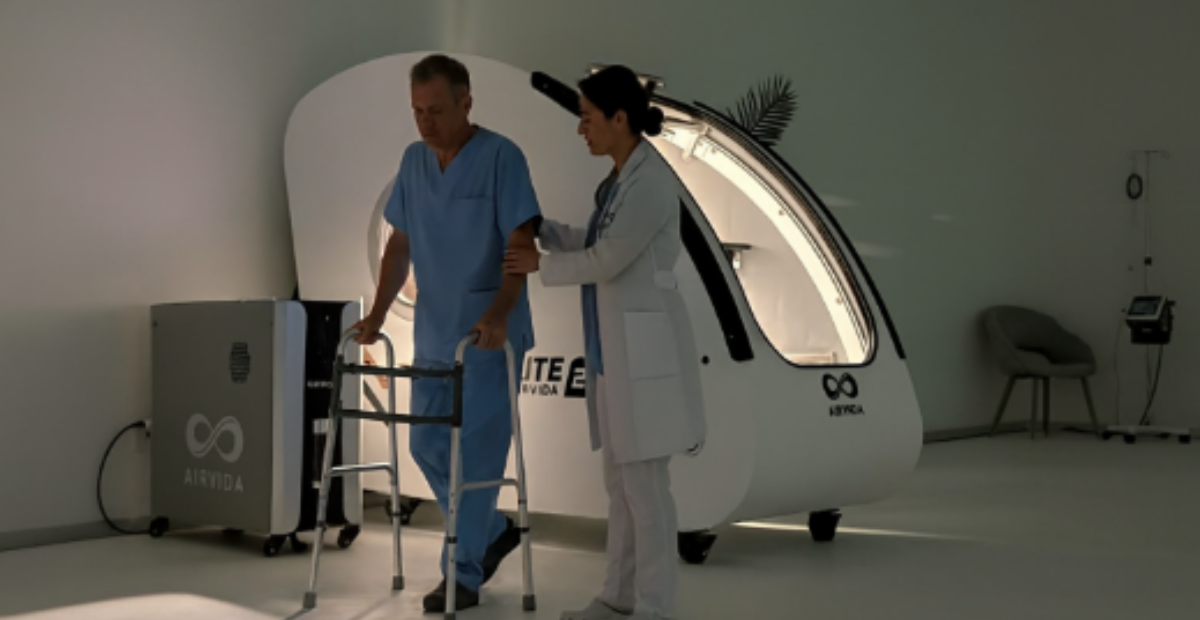
The best hyperbaric oxygen therapy for epilepsy focuses on improving brain oxygenation, reducing inflammation, and supporting neurological function under medical supervision. While it is not a cure, many patients explore HBOT as a complementary therapy alongside standard epilepsy treatment.
If you are researching non-invasive options to support seizure management, this guide explains how hyperbaric oxygen therapy works, why it may help, and which option is best depending on your condition and location.
Understanding Epilepsy and Brain Oxygenation
Epilepsy is a neurological disorder that affects how electrical signals travel through the brain. When these signals misfire, seizures occur.
For some individuals, underlying factors such as inflammation, oxygen deprivation, traumatic brain injury, or stroke history may contribute to seizure activity. Supporting brain oxygen levels has become an area of interest in neurological research. Individuals exploring local options may consider facilities like the hyperbaric chamber Naperville, where controlled oxygen therapy is designed to support overall neurological wellness under professional guidance.
Why Oxygen Matters for the Brain

The brain uses approximately 20 percent of the body’s oxygen supply, making it highly sensitive to changes in oxygen availability. When oxygen delivery is compromised, it can impact cognitive function, memory, neural signaling, and overall brain health, potentially contributing to neurological symptoms, fatigue, and increased vulnerability to conditions such as seizures or cognitive decline.
-
Neuronal signaling
-
Brain metabolism
-
Tissue repair
-
Inflammation regulation
Hyperbaric oxygen therapy increases oxygen saturation in the bloodstream, allowing more oxygen to dissolve into plasma and reach tissues that may not receive adequate supply under normal conditions.
What Is Hyperbaric Oxygen Therapy?
Hyperbaric Oxygen Therapy, often called HBOT, involves breathing pure oxygen in a pressurized chamber. The increased atmospheric pressure allows the lungs to absorb significantly more oxygen than normal.
Under controlled conditions, this process can:
-
Increase oxygen delivery to brain tissue
-
Reduce inflammation
-
Promote cellular repair
-
Support neuroplasticity
The best hyperbaric oxygen therapy for epilepsy is typically conducted under professional supervision and incorporated into a comprehensive neurological care plan. Combining HBOT with prescribed treatments, lifestyle strategies, and regular monitoring ensures safety and maximizes potential benefits, while individualized protocols address specific patient needs and support overall brain health and seizure management. For those exploring options in Mexico, the hyperbaric chamber Tijuana collection provides professionally supervised therapy tailored to neurological wellness.
Hyperbaric Collections You May Want to Shop

How Hyperbaric Oxygen Therapy May Help Epilepsy
Although HBOT is not officially classified as a primary epilepsy treatment, emerging studies and clinical observations suggest potential benefits. Researchers are continuing to explore how improved oxygen delivery, reduced inflammation, and enhanced cellular repair mechanisms might influence neurological stability, though outcomes can vary and medical supervision remains essential.
-
Reduced Neuroinflammation
Inflammation in the brain is closely linked to seizure activity and abnormal neuronal signaling patterns. Increased oxygen levels delivered through controlled therapy may help regulate inflammatory pathways, reduce oxidative stress, and support cellular repair processes, potentially contributing to improved neurological balance when used alongside appropriate medical supervision and individualized treatment planning.
-
Improved Mitochondrial Function
Seizures place intense metabolic demands on brain tissue, requiring significant cellular energy to maintain stability and recovery. HBOT may support cellular energy production by enhancing oxygen availability and improving mitochondrial efficiency, which could help optimize ATP generation and promote more balanced neurological function when integrated carefully into a supervised care plan.
-
Enhanced Brain Repair
In cases of epilepsy linked to brain injury or stroke, oxygen therapy may assist in tissue healing and neural recovery by enhancing oxygen diffusion into compromised areas of the brain. This increased oxygen availability may support cellular repair, encourage neuroplasticity, and potentially improve functional outcomes when guided by qualified healthcare professionals.
Potential Benefits vs. Expectations
|
Factor |
Standard Treatment |
HBOT Support |
|
Seizure Control |
Anti-seizure medication |
May complement |
|
Inflammation |
Medication |
May reduce |
|
Brain Recovery |
Limited |
May enhance oxygen-driven repair |
|
FDA Approved for Epilepsy |
Yes (meds) |
No (adjunct use) |
It is important to understand that HBOT is considered a complementary therapy, not a replacement for prescribed medication. While it may offer supportive benefits for neurological health, it should always be used alongside conventional treatments, under medical supervision, and tailored to individual needs to ensure safety, effectiveness, and optimal seizure management.
Which Type Is the Best Hyperbaric Oxygen Therapy for Epilepsy?
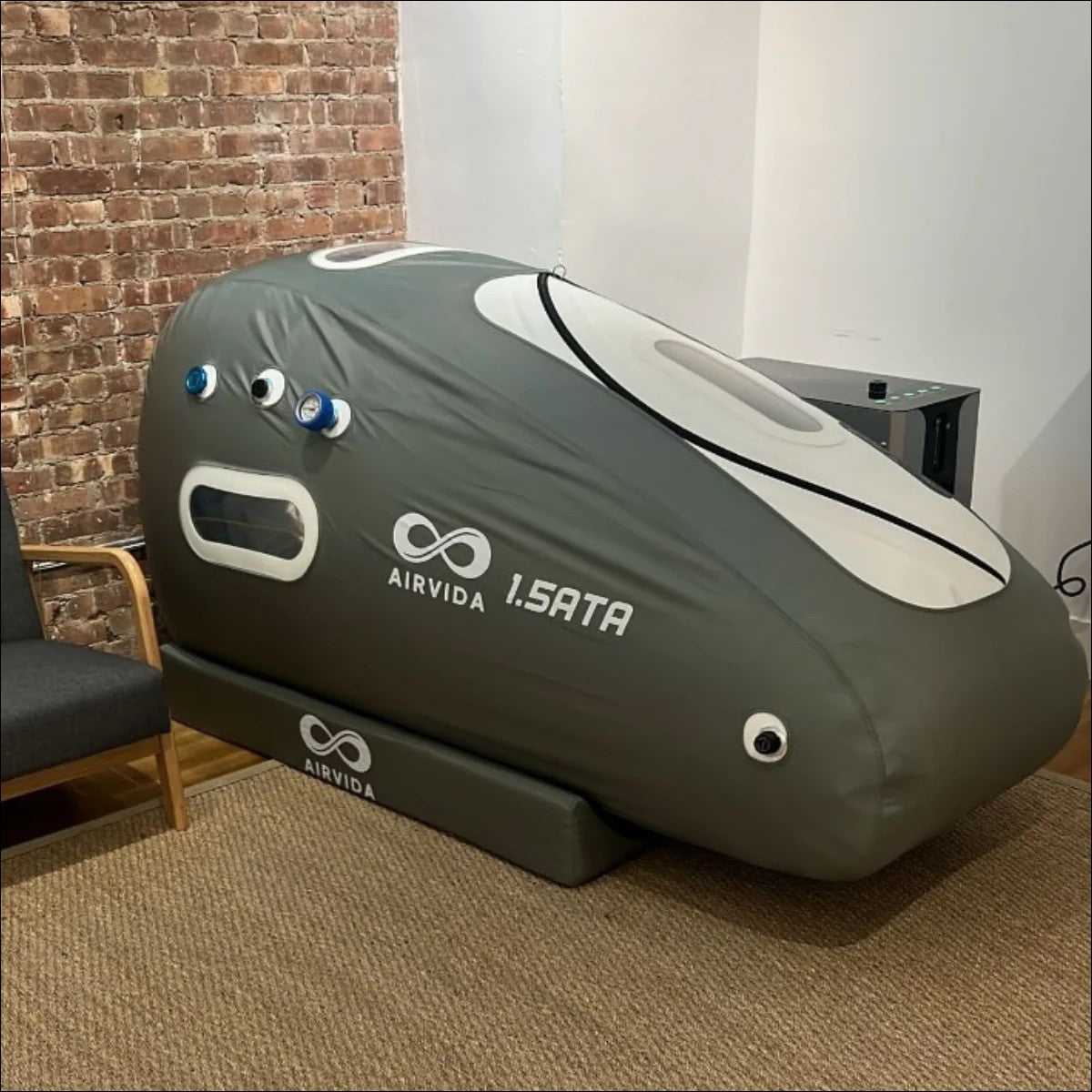
Not all chambers are the same. Differences in pressure levels, oxygen concentration, session duration, and professional supervision can significantly impact the safety and effectiveness of therapy. Selecting the right chamber involves understanding these variables, ensuring proper guidance, and tailoring treatment to individual health needs to optimize neurological support and overall outcomes.
Soft vs. Hard Chambers
|
Feature |
Soft Chamber |
Hard Chamber |
|
Pressure Level |
1.3–1.5 ATA |
Up to 3.0 ATA |
|
Oxygen Delivery |
Ambient enriched |
100 percent oxygen |
|
Supervision |
Often home-based |
Clinical setting |
|
Best For |
Support therapy |
Medical-grade therapy |
For epilepsy patients, low-pressure sessions under physician guidance are often considered safer when used as complementary therapy.
If you are in California, explore options like the hyperbaric chamber Santa Barbara collection.
Choosing the right chamber depends on medical history, supervision level, and treatment goals.
How Many Sessions of Hyperbaric Oxygen Therapy for Epilepsy?

Session frequency varies based on individual health conditions, severity of symptoms, and treatment goals. Most neurological protocols involve a carefully structured schedule of multiple sessions per week, gradually adjusted over time, combined with ongoing medical evaluation, monitoring of progress, and personalized adjustments to ensure safety, effectiveness, and optimal support for brain function.
-
20–40 sessions
-
60–90 minutes per session
-
3–5 sessions per week
Some patients report noticeable improvements in cognition or focus after several weeks. However, seizure frequency reduction varies significantly.
It is critical to follow a neurologist’s guidance when determining session count.
Realistic Expectations: What HBOT Can and Cannot Do
The best hyperbaric oxygen therapy for epilepsy emphasizes supportive care rather than serving as a cure. Its goal is to enhance oxygen delivery, support brain metabolism, and promote neural health. When combined with prescribed medications and lifestyle strategies, HBOT may contribute to improved neurological function and overall quality of life for patients.
HBOT may:
-
Support oxygenation
-
Assist tissue repair
-
Help reduce inflammation
HBOT does not:
-
Replace anti-seizure medications
-
Guarantee seizure elimination
-
Work identically for every patient
Epilepsy management typically requires a comprehensive plan including medication, lifestyle adjustments, and specialist care.
Hyperbaric Chambers You May Want to Shop
Explore More


Safety Considerations and Who Should Avoid HBOT
Hyperbaric therapy is generally safe when properly administered. However, certain individuals should avoid or delay treatment.
People Who Should Not Use a Hyperbaric Chamber
-
Untreated pneumothorax
-
Severe lung disease
-
Recent ear surgery
-
Uncontrolled high fever
-
Certain chemotherapy treatments
Always consult a physician before beginning therapy.
Comparing HBOT to Other Epilepsy Treatments

Traditional epilepsy treatments include:
-
Anti-seizure medications
-
Vagus nerve stimulation
-
Ketogenic diet
-
Brain surgery in severe cases
For example, some neurological conditions like Alzheimer’s are also being studied in relation to oxygen therapy. You can explore related insights in this article: Hyperbaric Chamber for Alzheimer's Patients: Key Benefits, which discusses the potential mechanisms and considerations surrounding oxygen-based therapies for cognitive health.
HBOT should be viewed as part of an integrative approach rather than a standalone solution.
Practical Tips Before Starting HBOT
-
Discuss with your neurologist
-
Review MRI and medical history
-
Start with shorter sessions
-
Track seizure frequency
-
Monitor side effects
Patients often keep a seizure diary before and during therapy to evaluate potential changes.
Is the Best Hyperbaric Oxygen Therapy for Epilepsy Worth Considering?
If seizures are linked to inflammation or past brain injury, supportive oxygen therapy may be worth discussing with a healthcare provider. The key is personalized evaluation, as not all epilepsy types respond the same way. For those researching regional providers, you can review this article: Best Hyperbaric Chamber Birmingham, AL: Top Options to explore available facilities and treatment considerations before making an informed decision.
Final Thoughts on the Best Hyperbaric Oxygen Therapy for Epilepsy

The best hyperbaric oxygen therapy for epilepsy is one that is medically supervised, customized to your neurological profile, and used alongside established treatment plans. While research is ongoing, many patients explore HBOT as part of a broader wellness strategy focused on brain health.
If you are considering this therapy, it is essential to prioritize safety, seek guidance from a qualified physician, and maintain realistic expectations about potential outcomes. Understanding both the benefits and limitations of HBOT, following professional recommendations, and monitoring progress carefully can help ensure a responsible and effective approach to neurological support.
Frequently Asked Questions
Is a hyperbaric chamber good for epilepsy?
Hyperbaric oxygen therapy may support brain oxygenation and reduce inflammation, but it is not a cure for epilepsy. Some patients explore it as a complementary therapy alongside medication. Clinical evidence is still developing, so treatment should always be supervised by a neurologist. It should never replace prescribed anti-seizure drugs.
How many sessions of hyperbaric oxygen therapy?
Most neurological HBOT programs involve 20 to 40 sessions, typically lasting 60 to 90 minutes each. The exact number depends on medical condition, age, and response to treatment. Some individuals may require maintenance sessions. Always follow a physician’s recommended protocol.
What are two possible treatments for epilepsy?
The most common treatments for epilepsy are anti-seizure medications and surgical intervention for severe cases. Medications are often the first line of defense and can control seizures in many patients. Surgery may be considered when seizures do not respond to drugs. Additional therapies like dietary management or nerve stimulation may also be used.
Who should not use a hyperbaric chamber?
People with untreated pneumothorax, severe lung disease, or certain ear conditions should avoid hyperbaric therapy. Those undergoing specific chemotherapy treatments or with uncontrolled infections should also consult a doctor before use. A medical screening is essential before starting HBOT to ensure safety.