



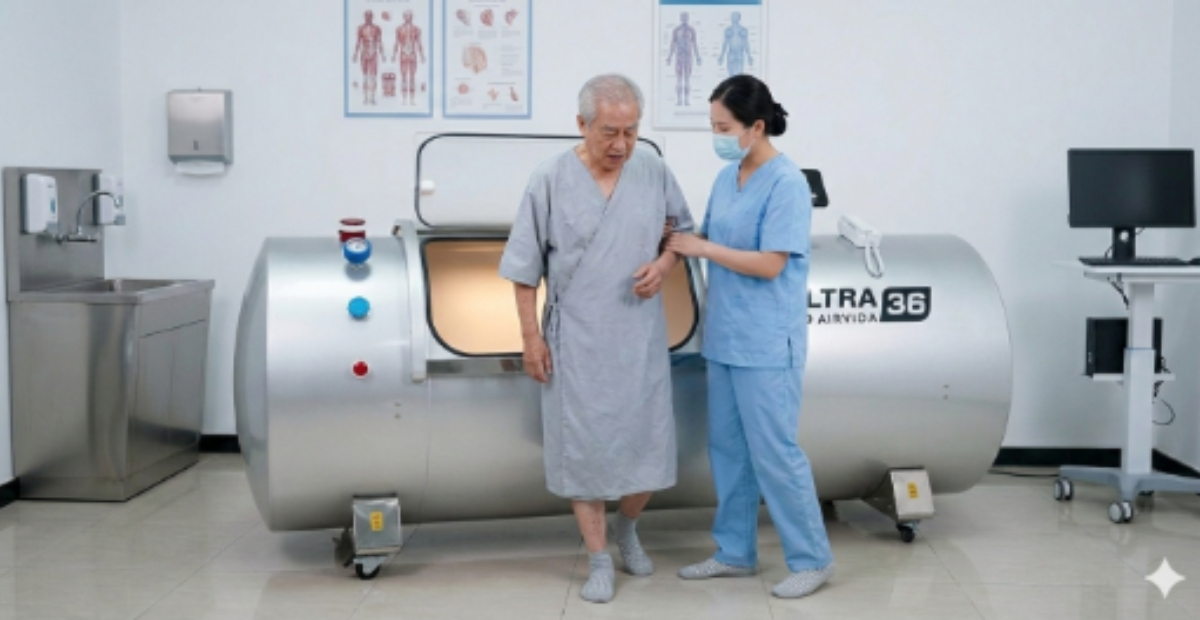
The best hyperbaric oxygen therapy for cognitive impairment involves medically supervised sessions that increase oxygen delivery to the brain to support healing and improve mental clarity. Research shows consistent HBOT protocols may enhance memory, focus, and overall cognitive performance in certain individuals.
If you are exploring treatment options for memory loss, brain fog, or early cognitive decline, this guide explains what works, why it works, and which option may be best for your situation. You’ll also learn how different approaches compare, what to expect from each, and how to choose safely
Why Hyperbaric Oxygen Therapy Is Being Used for Cognitive Impairment

Cognitive impairment often develops when brain cells are not receiving enough oxygen, nutrients, or blood flow. Over time, reduced oxygenation can affect memory, processing speed, concentration, and overall mental clarity. Early intervention, lifestyle support, and therapies like HBOT may help mitigate decline and support healthier brain function over the long term.
Hyperbaric oxygen therapy, often abbreviated as HBOT, places a person in a pressurized chamber where they breathe pure oxygen. Under increased atmospheric pressure, oxygen dissolves more efficiently into blood plasma, delivering more oxygen to brain tissue. Learn more about pressure effects in the article Hyperbaric Chamber Pressure: How It Works & What to Expect.
How Oxygen Impacts Brain Function
The brain consumes about 20 percent of the body’s oxygen supply. When oxygen levels are insufficient, neural communication slows down. HBOT increases oxygen saturation in:
-
Damaged neural tissue
-
Areas with reduced blood flow
-
Inflamed brain regions
In controlled clinical settings, this may stimulate neuroplasticity, promote angiogenesis, and reduce inflammation.
How the Best Hyperbaric Oxygen Therapy for Cognitive Impairment Works
The best hyperbaric oxygen therapy for cognitive impairment follows structured protocols designed specifically for neurological support rather than general wellness. These protocols typically involve carefully controlled pressure levels, session frequency, and duration to help optimize oxygen delivery to brain tissue while supporting circulation, cellular repair processes, and overall cognitive function improvement.
Standard Neurological HBOT Protocol
|
Component |
Typical Range |
|
Pressure Level |
1.3 to 2.0 ATA |
|
Oxygen Concentration |
90 to 100 percent |
|
Session Length |
60 to 90 minutes |
|
Frequency |
3 to 5 times per week |
|
Treatment Duration |
20 to 60 sessions |
Clinical cognitive protocols usually require multiple sessions to see measurable results.
What Happens During a Session
Inside the chamber, pressure gradually increases. Patients may feel mild ear pressure similar to flying in an airplane. Once pressurized, oxygen is inhaled for a set period under supervised conditions. After the session, pressure slowly returns to normal, allowing the body to adjust comfortably and safely. Common reported effects include:
-
Mental clarity
-
Improved sleep quality
-
Better focus
-
Increased energy
However, results vary based on age, severity of impairment, and overall health. Individual responses to therapy can differ widely, influenced by genetics, lifestyle, and existing medical conditions. Personalized treatment plans, consistent monitoring, and combining therapies with supportive habits can help optimize outcomes, but expectations should remain realistic and guided by healthcare professionals.
Hyperbaric Collections You May Want to Shop

Who May Benefit From Hyperbaric Oxygen Therapy
HBOT is being explored for individuals experiencing memory loss, reduced mental clarity, attention difficulties, and early-stage cognitive decline. Researchers are also studying its potential role in supporting recovery after brain injury, stroke, or age-related neurological changes, though results may vary, and professional medical guidance remains essential.
-
Mild cognitive impairment
-
Early-stage memory loss
-
Post concussion symptoms
-
Brain fog after illness
-
Age-related cognitive slowing
If you are researching HBOT specifically for Alzheimer’s support, review our detailed breakdown of the hyperbaric chamber for Alzheimer’s patients to understand protocol differences.
Which Hyperbaric Chamber Option Is Best

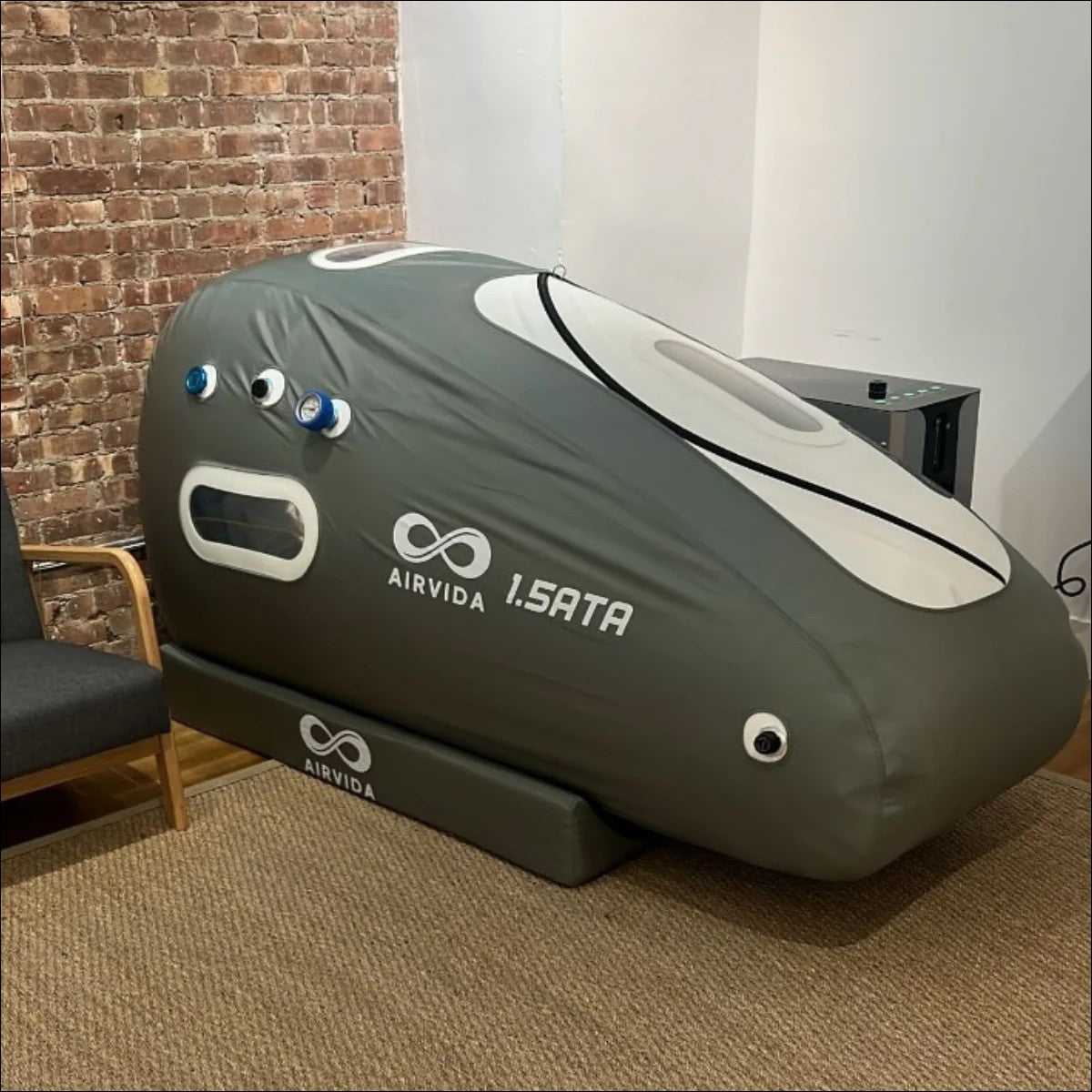
Choosing the right chamber setup is critical. Not all hyperbaric systems deliver the same therapeutic pressure or oxygen concentration. Differences in design, certification standards, safety features, and supervision levels can significantly influence outcomes. Selecting an appropriate system should involve professional guidance to ensure optimal pressure settings, proper oxygen delivery, and overall patient safety.
Soft Shell vs Hard Shell Chambers
|
Feature |
Soft Chamber |
Hard Chamber |
|
Max Pressure |
1.3 to 1.5 ATA |
Up to 2.0+ ATA |
|
Oxygen Delivery |
Supplemental |
100 percent oxygen |
|
Medical Grade Use |
Limited |
Clinical standard |
|
Cognitive Protocol Suitability |
Mild support |
Advanced neurological therapy |
For individuals targeting measurable cognitive improvement, medical-grade hard chambers typically offer more consistent oxygen saturation levels.
If you are located in South Carolina, explore available systems through our hyperbaric chamber Charleston, SC collection.
Why Consistency Matters More Than Intensity

Many people assume higher pressure automatically means better results. In neurological therapy, consistency often matters more than maximum pressure. Studies indicate cumulative oxygen exposure plays a significant role in neuroplastic response. Missing sessions or inconsistent scheduling may reduce overall benefit.
Practical tip: Track cognitive markers such as memory recall speed, name recall, and attention span weekly to measure changes objectively. Keep a simple journal or digital log, note patterns over time, and compare results consistently. Objective tracking helps determine progress, adjust protocols responsibly, and provide useful information to your healthcare provider.
Complementary Strategies That Enhance Results
HBOT works best when combined with supportive lifestyle changes. Recommended additions: nutrient-dense meals rich in antioxidants, regular physical activity to support circulation, quality sleep for neurological recovery, stress management techniques such as meditation or breathwork, and consistent medical supervision to ensure treatments remain safe, personalized, and aligned with overall cognitive health goals.
-
Structured cognitive training exercises
-
Anti-inflammatory nutrition
-
Sleep optimization
-
Cardiovascular activity
-
Regular hydration
If you are comparing local providers, you may also want to read our guide on the best hyperbaric chamber Wilmington, NC, to understand quality indicators.
What Results Can You Realistically Expect

Results vary. Some individuals report improved memory recall within 10 to 15 sessions, while others may require 40 or more sessions to notice a change. Factors such as age, severity of cognitive decline, overall health status, treatment consistency, and accompanying therapies can all influence the timeline and degree of measurable improvement.
Factors influencing outcomes:
-
Age
-
Severity of impairment
-
Underlying vascular health
-
Lifestyle habits
Important: HBOT is not a guaranteed cure for dementia. It is considered a supportive therapy designed to enhance oxygenation and promote brain repair mechanisms. While it may help improve certain cognitive functions, results vary widely, and it should always be used alongside conventional treatments and under professional medical supervision.
Hyperbaric Chambers You May Want to Shop
Explore More


Safety Considerations
When administered under medical supervision, HBOT is generally safe. Mild side effects may include temporary ear or sinus discomfort, fatigue, lightheadedness, or mild claustrophobia. These effects are usually short-lived and manageable. Close monitoring by trained professionals ensures any issues are addressed promptly, maintaining safety and supporting the overall therapeutic benefits of treatment.
-
Temporary ear pressure
-
Fatigue after sessions
-
Mild sinus discomfort
Individuals with untreated pneumothorax or certain lung conditions should consult a physician before starting therapy. Pre-existing respiratory issues, infections, or cardiovascular concerns can increase risks during hyperbaric sessions. A thorough medical evaluation ensures safety, helps determine appropriate pressure levels, and guides modifications, allowing patients to benefit from hyperbaric chamber Rochester, NY, while minimizing potential complications.
Conclusion: Best Hyperbaric Oxygen Therapy for Cognitive Impairment
Finding the best hyperbaric oxygen therapy for cognitive impairment means selecting a medically appropriate protocol, ensuring consistent treatment sessions, and choosing a chamber system capable of delivering therapeutic oxygen levels.
While outcomes vary, structured HBOT programs show promising support for memory, focus, and neurological recovery when integrated with healthy lifestyle strategies. Consulting a qualified provider can help determine whether this therapy aligns with your cognitive goals.
Frequently Asked Questions
What is the best treatment for mild cognitive impairment?
The best treatment for mild cognitive impairment often includes a combination of lifestyle interventions and targeted therapies. Exercise, cognitive stimulation, improved sleep, and vascular health management are foundational. In some cases, hyperbaric oxygen therapy is explored as an adjunct option to enhance brain oxygenation. Early intervention typically produces better long-term outcomes.
Can you sleep in a hyperbaric chamber every night?
Sleeping nightly in a chamber depends on the type of system and medical supervision. Sleeping in a hyperbaric chamber every night is generally not recommended without physician oversight. Most neurological protocols involve scheduled sessions rather than continuous overnight exposure. Proper pressure levels and oxygen concentration must be monitored to ensure safety.
How to recover from cognitive decline?
Recovering from cognitive decline requires addressing root causes such as inflammation, oxygen deprivation, metabolic imbalance, and stress. Treatment may include cognitive rehabilitation, physical activity, diet changes, and, in some cases, HBOT. Early diagnosis significantly improves the potential for stabilization or improvement.
When does cognitive impairment become dementia?
Cognitive impairment becomes dementia when memory and thinking problems begin interfering with daily functioning and independence. Mild cognitive impairment may remain stable or improve, while dementia involves progressive decline. A neurological evaluation and standardized cognitive testing are required for accurate diagnosis